
← Back to Blog
Buying
Buying a Home in Agate Beach: Process, Costs and Timeline
By Audra Powell, Principle Broker
Premiere Property Group LLC · DRE# 200404265
October 2, 2026 · 12 min read
Buying a home in Agate Beach is a specific undertaking with its own price points, property quirks, and timeline realities that differ from buying anywhere else along the Oregon Coast. This guide walks through every stage of the process, from financing to closing, with numbers and local details drawn from the Newport, Oregon market as of October 2026.
1. What Makes Agate Beach Different as a Buying Market
Agate Beach is a distinct pocket within Newport, Oregon, not a separate city or zip code. It sits north of Newport's downtown core along US-101, roughly between the Yaquina Head Outstanding Natural Area and the northern edge of the city limits. The neighborhood takes its name from the semi-precious agates that wash up on the beach at low tide, and that coastal identity shapes everything about the real estate here: the architecture, the insurance requirements, the price floor, and the buyer pool.
The Housing Stock
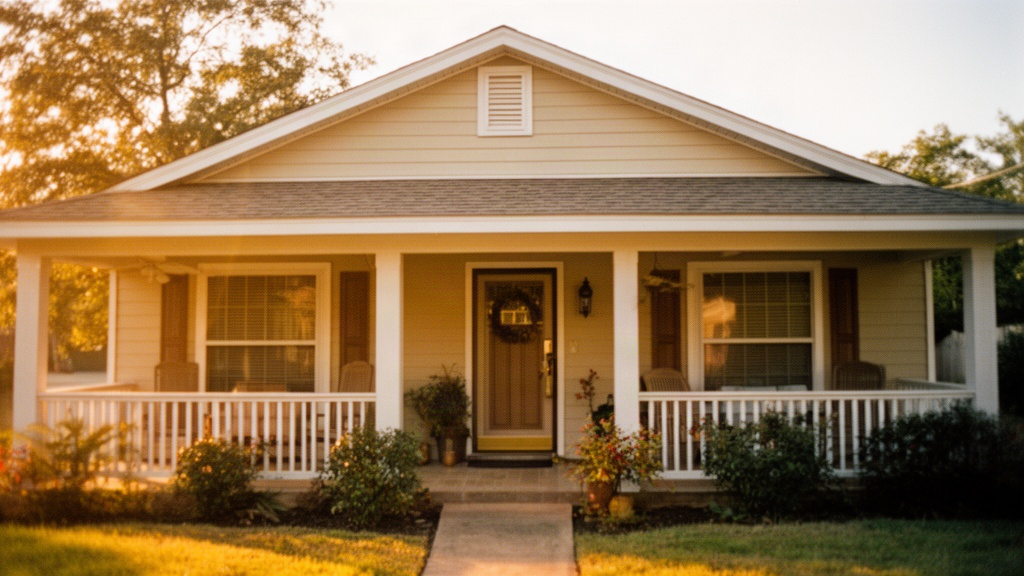
Homes in Agate Beach range from compact beach cottages built in the 1950s and 1960s to larger contemporary builds with ocean views from upper-floor decks. Lot sizes tend to be modest by inland Oregon standards, typically between 5,000 and 9,000 square feet, though some parcels backing up to the bluff or sitting on quiet side streets like NW 35th Street run larger. You will find a mix of year-round primary residences and properties that owners use seasonally or as short-term rentals, which affects both pricing and negotiation dynamics.
The neighborhood is walkable to the Agate Beach Wayside, a state recreation site with direct beach access, and sits less than a mile from the Yaquina Head Lighthouse. Grocery runs and most daily errands require a short drive south on 101 into Newport proper, where Fred Meyer and Roth's IGA serve the area. For context on how Agate Beach fits into Newport's broader neighborhood landscape, the Newport neighborhoods guide covers the full picture.
Ocean Proximity and What It Means for Financing
Coastal proximity introduces financing complications that inland buyers rarely encounter. Properties within a certain distance of the ocean may require wind and storm coverage beyond a standard homeowners policy. Some lenders also require flood zone determinations through FEMA's National Flood Insurance Program even when a home sits above the wave action zone, because the official flood map boundaries do not always match what buyers intuitively expect. Budget for a flood zone determination fee (typically $15 to $30) and confirm with your lender early whether the property will require an NFIP policy, which currently runs between $700 and $2,500 annually depending on the structure and elevation.
Conventional financing, FHA loans, and VA loans are all available for Agate Beach properties, but lenders with coastal experience move more smoothly through the process. A lender who has never underwritten a coastal Oregon property may flag appraisal conditions or insurance requirements that a more experienced team handles routinely. Ask your agent for lender referrals who have closed transactions specifically in Lincoln County.
2. The Step-by-Step Process for Buying a Home in Agate Beach
The process of buying a home in Agate Beach follows Oregon's standard real estate transaction structure, but several steps carry coastal-specific weight. Here is how the sequence works in practice, from the moment you decide to buy through the day you receive keys.
Getting Pre-Approved
Pre-approval is the non-negotiable first step, and in a market where Agate Beach inventory can sit in the single digits for weeks at a time, showing up without one costs you deals. A pre-approval letter from a lender means they have reviewed your income documentation, pulled your credit, and confirmed a loan amount. A pre-qualification, which is a looser estimate based on self-reported numbers, carries far less weight with sellers here. Expect the pre-approval process to take two to five business days once you submit your W-2s, pay stubs, bank statements, and tax returns.
For a broader look at what preparing for homeownership involves before you even contact a lender, the NAR Consumer Guide on Preparing for Homeownership is a solid starting point that covers credit, savings, and the documentation lenders typically require.
Working With a Local Agent
Agate Beach is a small enough sub-market that local knowledge genuinely changes outcomes. An agent who knows the area can tell you which streets have unobstructed ocean views year-round versus which ones lose sightlines when the summer fog lifts, which properties have had recurring septic issues, and which sellers are motivated versus testing the market. That kind of granular information does not appear on Zillow.
Oregon's buyer representation rules changed in 2024, and as of October 2026, buyers must sign a written representation agreement before an agent can show them homes. This agreement outlines the agent's duties and any compensation arrangement. It is worth understanding before your first showing. For a detailed breakdown of how agent relationships work in Newport's current market, the article on who has sold the most homes in Newport this year gives useful context on what local experience actually looks like in practice.
Making an Offer in This Market
As of October 2026, Newport's coastal market is more balanced than it was during the 2021 to 2022 surge, but well-priced Agate Beach homes still attract multiple showings within the first week. Your offer will include the purchase price, earnest money deposit (typically 1% to 2% of the purchase price in this market), a proposed closing date, and any contingencies. The three standard contingencies in an Oregon residential purchase agreement are financing, inspection, and appraisal. Waiving any of them increases your competitiveness but also your risk, so discuss the tradeoffs with your agent before deciding.
Sellers in Agate Beach often receive offers from out-of-state buyers who have never visited the property in person, which means a locally represented buyer with a clean offer and a reasonable timeline can stand out even without being the highest bid. Escalation clauses, personal letters, and flexible closing dates are all tools your agent can deploy depending on the specific situation.
Inspections and Due Diligence
Coastal properties require a more thorough inspection scope than inland homes. In addition to a standard general inspection (which runs $400 to $600 for a typical Agate Beach home), plan for a sewer scope ($150 to $250), a radon test ($125 to $200), and potentially a roof inspection focused on wind and salt exposure damage. Older cottages in the area may also warrant a chimney inspection and an evaluation of any crawl space for moisture intrusion, which is common in coastal Oregon's wet climate.
Oregon's inspection period is negotiable, but ten business days is the most common window in Lincoln County transactions. Use that time to request repair credits or price adjustments if the inspection turns up material defects. Sellers are not obligated to fix everything, but the negotiation that follows an inspection is often where buyers recover thousands of dollars. If you are also considering new construction as an alternative, the process differs substantially and is covered in detail in the guide to buying new construction in Newport.
3. What Does It Cost to Buy in Agate Beach Right Now
Cost is the most common source of sticker shock for buyers new to the Agate Beach market, not because prices are outrageous by Oregon metro standards, but because the total cost of ownership includes several coastal-specific line items that buyers from inland markets do not anticipate.
Purchase Price Range
As of October 2026, homes in the Agate Beach area of Newport are generally priced between $425,000 and $850,000, with the widest range driven by ocean view, lot size, and condition. A 1,200-square-foot cottage in average condition with no view typically opens around $425,000 to $500,000. A 1,800 to 2,200 square foot home with partial or full ocean views from a deck or upper floor generally falls between $575,000 and $750,000. Properties sitting directly on or immediately above the bluff, with unobstructed panoramic views, can push past $800,000 depending on the build quality and lot.
These figures reflect a modest softening from the peak prices seen in 2022, when coastal demand from remote workers and retirees pushed values sharply higher. The market has since stabilized, and days on market for Agate Beach properties currently averages between 30 and 55 days, which gives buyers more time to think than they had two years ago without signaling a distressed market.
Closing Costs Broken Down
Closing costs for buyers in Oregon typically run between 2% and 3% of the purchase price, which on a $550,000 Agate Beach home means roughly $11,000 to $16,500 due at closing in addition to your down payment. The main components include lender origination fees (0.5% to 1% of the loan), title insurance (around $1,200 to $1,800 on a mid-range purchase), escrow fees split between buyer and seller, prepaid property taxes, and homeowners insurance premium for the first year. For a complete line-item breakdown specific to Newport, Oregon transactions, the article on closing costs when buying in Newport covers every fee in detail.
Down payment requirements depend on your loan type. FHA loans require 3.5% down for buyers with credit scores of 580 or above. Conventional loans with private mortgage insurance are available with as little as 3% to 5% down. VA loans for eligible veterans require no down payment and are commonly used in this market. Jumbo loans, which kick in above the 2026 conforming loan limit of $806,500, require at least 10% to 20% down and stricter credit standards.
Ongoing Ownership Costs Specific to Coastal Homes
The annual cost of owning an Agate Beach home extends beyond the mortgage payment in ways that catch some buyers off guard. Property taxes in Lincoln County are assessed at roughly 1% to 1.1% of assessed value annually, which on a $550,000 home means approximately $5,500 to $6,050 per year. Oregon does not have a sales tax, which partially offsets this. Homeowners insurance for a coastal property with wind and storm coverage typically runs $1,800 to $3,500 per year depending on the home's age, construction type, and proximity to the ocean. Add flood insurance if required, and annual insurance costs can reach $4,000 to $5,500.
Exterior maintenance on coastal homes also runs higher than inland equivalents. Salt air accelerates paint degradation, metal corrosion, and wood rot, so budget for exterior repainting every five to seven years rather than the ten to twelve years typical inland. Deck maintenance, window seals, and roofing inspections should be on a more frequent schedule than you might be used to. These are not deterrents so much as known costs to factor into your total budget.
4. Realistic Timeline: How Long Does It Take to Buy in Agate Beach
From the moment you start the pre-approval process to the day you close, buying a home in Agate Beach typically takes between 60 and 120 days for most buyers. That range is wide because the biggest variable is how long it takes to find the right property, not how long the transaction itself takes once you are under contract.
Pre-Approval to Offer
Pre-approval typically takes three to seven days once you submit complete documentation to your lender. After that, the search phase in Agate Beach can range from two weeks to three months depending on your price point and how specific your requirements are. Buyers with flexibility on view, condition, or lot size move faster. Buyers waiting for a specific configuration, such as a turnkey home with full ocean views under $700,000, may wait longer because that inventory turns over slowly in a neighborhood this size.
Under Contract to Closing
Once your offer is accepted, the closing timeline in Oregon is typically 30 to 45 days for conventional and FHA financing. VA loans sometimes run 45 to 60 days because of the VA appraisal process, which has its own queue separate from the lender's appraisal order. Cash buyers can often close in 15 to 21 days if the seller is motivated, though title work in Lincoln County can take a week or more to clear, so 21 days is usually the realistic floor even for cash.
The escrow and title process in Oregon is handled by a title company, not an attorney, which is different from practice in many East Coast states. The title company holds earnest money, coordinates payoff of the seller's existing mortgage, and issues title insurance. In Lincoln County, Cascade Title, Pacific Title, and First American Title are among the companies that handle Newport area transactions.
What Can Slow Things Down
Several things commonly extend the timeline for Agate Beach purchases specifically. Appraisal scheduling in coastal Lincoln County can take longer than in metro markets because there are fewer certified appraisers active in the area, and lenders sometimes have to wait two to three weeks for an appraisal appointment. If the appraisal comes in below the purchase price, a second round of negotiation or a rebuttal process adds additional days. Inspection repair negotiations, flood zone determinations that require updated elevation certificates, and lender conditions that require additional documentation are the other most common causes of delay.
Timing your purchase relative to the season also matters in this market. Agate Beach sees more listings come to market between April and August, which gives buyers more options but also more competition. The fall and winter months, including October through February, tend to have fewer active buyers, which can mean more negotiating room even if the selection is thinner. For a detailed look at how the seasons affect buying strategy in Newport, the article on whether fall 2026 is a good time to buy in Newport lays out the tradeoffs clearly.
5. Practical Checklist Before You Make an Offer
Before submitting an offer on any Agate Beach property, run through these verification steps to avoid costly surprises after you are under contract.
Confirm the property's flood zone status. Ask your agent to pull the FEMA flood map designation before you make an offer. Zone AE or VE designations trigger mandatory flood insurance for federally backed loans, which adds to your monthly payment. Zone X properties are outside the high-risk flood area and do not require it, though some buyers purchase it anyway.
Check the Oregon Coastal Zone Management rules. Properties near the Yaquina Head area may have development restrictions tied to Oregon's Goal 18 (Beaches and Dunes) or Goal 17 (Coastal Shorelands). If you plan to add a deck, expand the footprint, or build an ADU, verify with the City of Newport Planning Department that those plans are permissible before you close.
Verify short-term rental eligibility if that is part of your plan. Newport regulates vacation rentals through a licensing process, and not all residential zones allow short-term rentals. The City of Newport's Community Development Department can confirm whether a specific address is eligible before you commit.
Review the seller's disclosure statement carefully. Oregon requires sellers to complete a property disclosure form covering known defects, water intrusion, roof condition, and other material facts. In coastal homes, pay close attention to any disclosures about moisture, drainage, or past storm damage, and ask your inspector to specifically evaluate those areas.
For a comprehensive step-by-step homebuying checklist that covers the full process from consultation through closing, HousingWire's definitive homebuying checklist is a thorough resource to work through alongside your agent.
FAQ
How much do I need for a down payment to buy a home in Agate Beach?
The minimum down payment depends on your loan type. FHA loans require 3.5% down with a credit score of 580 or higher, which on a $500,000 home means $17,500. Conventional loans with private mortgage insurance can go as low as 3% to 5% down. VA loans for eligible veterans and active-duty military require no down payment at all, and they are widely used in the Newport area. If the purchase price exceeds the 2026 conforming loan limit of $806,500, you will need a jumbo loan, which typically requires 10% to 20% down and stronger credit. Beyond the down payment, budget an additional 2% to 3% of the purchase price for closing costs, which are due at the same time.
Are there restrictions on what I can do with an Agate Beach property after I buy it?
Yes, and they are worth understanding before you close. Oregon's statewide coastal land use planning goals place restrictions on development near beaches, dunes, and shorelands, and Agate Beach sits within that regulated zone. Adding square footage, building a detached structure, or significantly altering the footprint of a home may require City of Newport planning approval and a review of coastal zone compatibility. Short-term rental use is also regulated through Newport's licensing program, and not every residential parcel qualifies. If you have specific plans for the property, verify them with the City of Newport Community Development Department and confirm with your agent before removing contingencies.
Is October a reasonable time to start buying a home in Agate Beach, or should I wait for spring?
October is a workable time to buy in Agate Beach, and it comes with some practical advantages. Buyer competition tends to thin out in the fall and winter months, which can translate to more negotiating room on price and terms even though the number of active listings is also lower. Sellers who list in October are often more motivated than those testing the market in the peak summer season. The tradeoff is selection: if you need a very specific configuration, you may find fewer options available right now than you would between April and July. For a detailed comparison of fall versus spring buying conditions in Newport, the article on this site covers the seasonal dynamics in full.