← Back to Blog
Buying
Homes for sale in Boston MA: Neighborhoods & Prices
By Autumn Stringer
Keller Williams Boston Metro
November 21, 2026 · 5 min read
Searching for homes for sale in Boston MA? This guide walks through Boston neighborhoods, typical price bands, commute details, and the inspection and offer steps to know before you buy or sell.
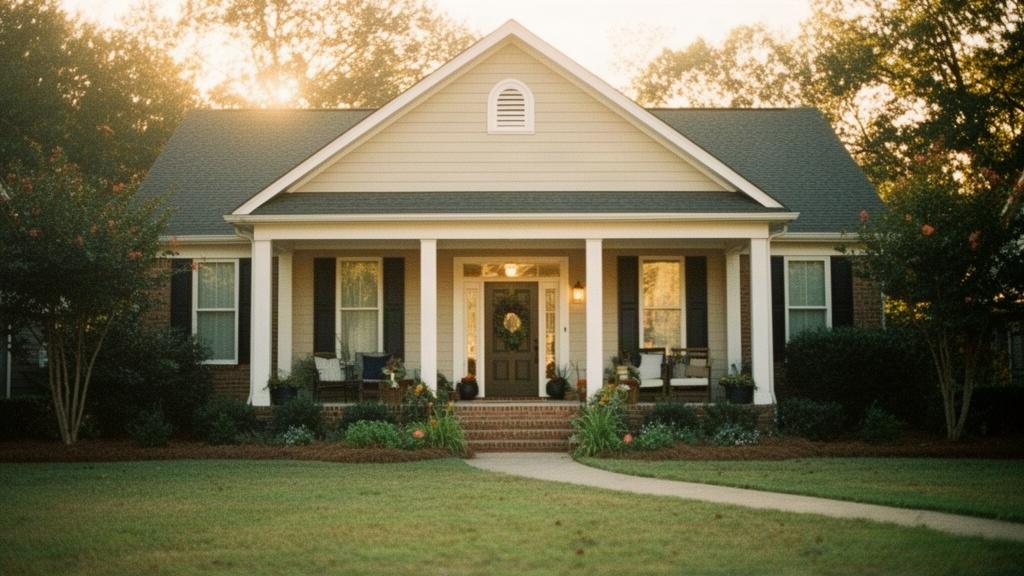
1. How Boston's housing stock is distributed
Boston offers a mix of building types across its neighborhoods, from brick rowhouses and triple-deckers to midrise condominiums and newer luxury towers.
Building types and architecture
Common building types. Rowhouses and brownstones are frequent in Back Bay, South End, and parts of Beacon Hill; triple-deckers and wood-frame homes appear in Dorchester, Jamaica Plain, and parts of Allston; midrise condo buildings from the 1960s through recent infill are common in Fenway, South Boston, and Charlestown. New construction towers are concentrated near the Seaport, Financial District, and parts of the Fenway corridor.
Typical lot and unit sizes
Unit sizes vary notably by neighborhood. Studio and one bedroom condos commonly range from 400 to 700 square feet in downtown and Fenway, while three bedroom rowhouses and triple-deckers often range from 1,200 to 2,200 square feet in Jamaica Plain and Dorchester. Lot sizes in South Boston and East Boston are often smaller than in West Roxbury or Brighton, where some single family lots exceed 6,000 square feet.
2. Where buyers look first in Boston
Most buyers start by narrowing neighborhoods based on transit and daily needs, then by price band, and then by building type.
Common search areas
Where to look. For buyers prioritizing subway access, the Red Line corridors through Cambridge and the Orange Line near Back Bay and Forest Hills are frequent targets. Commuter rail access draws searches toward Jamaica Plain, Roslindale, and West Roxbury. Waterfront views drive searches in Seaport, Charlestown, and East Boston.
Transit and commute tradeoffs
Commute times vary by route. A 20 to 30 minute commute to downtown via subway is common from the Fenway, Back Bay, and South End. Driving commutes to I-93 or Storrow Drive can be quicker from the Seaport and Charlestown, while routes from West Roxbury and Roslindale often include longer drives but fewer subway transfers. Use MBTA schedules to estimate door to door times for any listing you consider.
Parks, amenities, and landmarks
Nearby amenities matter. The Boston Common and Public Garden are central for downtown listings, Arnold Arboretum anchors parts of Jamaica Plain, Castle Island and Carson Beach serve South Boston, and the Esplanade runs along the Charles River for Back Bay. Check walking distances and hours for parks and neighborhood farmers markets when you compare listings.
3. Steps to evaluate a specific listing
Before making an offer, pull comparable sales, verify condition, and estimate recurring costs.
What to pull in comps
- Location match: Pull comps within the same census tract or nearest MBTA stop.
- Unit type: Compare condos to condos, townhouses to townhouses, single families to single families.
- Recent sales window: Use sales within the past 3 to 6 months when possible for current pricing context.
- Adjustments: Note differences in finished square footage, parking, and outdoor space.
Inspection and condition checklist
- Structure: Look for signs of settling, sagging floors, and exterior masonry issues.
- Systems: Age and condition of the roof, boiler or furnace, and electrical panel.
- Moisture: Basement and crawl space checks for water intrusion, and interior signs of past leaks.
- Permits: Confirm permits for major renovations or additions through city records.
Monthly cost estimates
Estimate recurring costs. Include mortgage principal and interest, property taxes based on the assessed value for Boston, condo or association fees where applicable, utilities, and an allowance for maintenance. For rowhouses and single family homes add yard care and trash fees. Ask your lender for a detailed Payment Estimate based on the listing address.
4. Tips for sellers listing homes in Boston
Sellers should focus on small, visible fixes, accurate pricing, and targeted marketing to reach buyers searching for homes for sale in Boston MA.
Small investments with the biggest returns
Curb and entry updates. Power wash brick or siding, replace worn exterior lighting, and ensure door hardware and paint are fresh. Inside, a neutral paint, decluttering, and staging high use rooms such as the kitchen and living room help online photos and in person tours.
Pricing and marketing checklist
- Accurate pricing: Use comps from the same neighborhood and unit type, and account for condition and upgrades.
- High quality photos: Include exterior, all main rooms, and any unique features like roof decks or water views.
- Neighborhood notes: List transit stops, park distances, and recent nearby developments that affect living patterns.
5. Local resources and next steps
Where to check market reporting and how I can help.
How I can help. I provide neighborhood-specific comps, coordinate inspections with experienced Boston inspectors, and run commute checks using MBTA and driving times so you can compare listings objectively. If you have a target price or an area in mind I can pull active listings and recent sales to show realistic options.
Tools and transparency. I will share comparable sales, a suggested inspection checklist for each property type, and an itemized estimate of closing costs and ongoing expenses so you can see total cost of ownership for any home you are considering.
FAQ
How do I start searching for homes for sale in Boston MA if I do not live here yet?
Start by listing your priorities: transit access, unit type, and a target price band. Use the MBTA maps and commute time calculators to narrow neighborhoods, then ask an agent for a tailored set of listings and virtual tours. Request recent comparable sales and a neighborhood amenities list so you can compare properties remotely before visiting in person.
What are typical closing costs when buying in Boston?
Closing costs include lender fees, title insurance, recording and transfer fees, and prorated property taxes. Expect closing costs to range depending on loan type and the purchase price; ask your lender for a Loan Estimate for the listing you are under contract on so you see exact figures. Sellers should also budget for agent commissions and any required municipal repairs or certificate fees.
Should I worry about permits for renovations on an older Boston property?
Yes, confirm permits through Boston Building Department records for major renovations, especially historical façade work, additions, or structural changes. Unpermitted work can affect insurability and resale, so include permit verification in your inspection contingency. Your agent can request a permit history as part of the offer documentation.