← Back to Blog
Local Living
What Is It Actually Like to Live in Khalifa City A Day to Day, and How Far Is the Commute to Abu Dhabi City Centre
By Aya Arman
September 19, 2026 · 10 min read
If you are weighing up a move to Abu Dhabi and wondering what it is like to live in Khalifa City A day to day, and how far the commute to Abu Dhabi city centre really is, this guide covers exactly that. Khalifa City A sits roughly 25 to 30 kilometres south of the Corniche, and the daily rhythm there is noticeably different from living on Reem Island or in Al Reem's high-rise clusters. This article walks through the housing stock, the commute in real terms, the supermarkets and clinics you will actually use, and what the running costs look like right now in September 2026.
1. The Layout of Khalifa City A and What the Housing Stock Looks Like
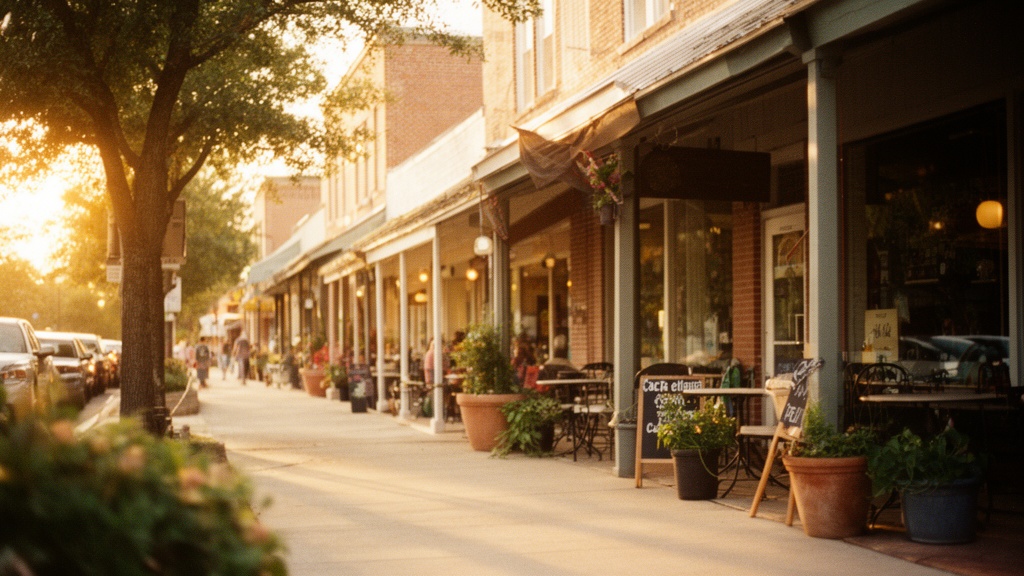
Khalifa City A is a low-rise residential district. Unlike the towers of Al Reem Island or the hotel-heavy streetscape of Yas Island, this area is built around wide internal roads, detached villas, and compound clusters. The grid layout makes it straightforward to navigate, and most blocks are named with letter-and-number codes that residents quickly memorise.
Villas and Townhouses
The dominant housing type is the standalone villa, typically sitting on a plot between 400 and 900 square metres. Most were built between the late 1990s and the early 2010s, so the architecture is functional rather than ornate: rendered masonry, flat or shallow-pitched roofs, private gardens, and covered parking for two or more cars. Three-bedroom and four-bedroom configurations are the most common. Townhouse rows also appear throughout the district, generally offering three bedrooms across two floors with a small rear courtyard.
Apartment Buildings
Apartment supply in Khalifa City A is more limited than in central Abu Dhabi, but it does exist. Low-rise residential blocks of four to eight storeys are scattered along the main arterial roads. Studios, one-bedroom, and two-bedroom units make up the bulk of this stock. Buildings tend to include covered parking, a small gym, and sometimes a shared pool, though the finish level varies considerably between older blocks and newer ones completed after 2018.
Plot Sizes and Street Layout
The streets are noticeably wider than those in older parts of Abu Dhabi island, with planted medians on many of the main roads. Internal residential streets are quieter and typically lined with boundary walls rather than open-plan front gardens. This gives the area a sense of privacy that residents often mention as one of its defining characteristics.
2. The Commute from Khalifa City A to Abu Dhabi City Centre
The drive from Khalifa City A to Abu Dhabi city centre is approximately 25 to 30 kilometres and takes between 25 and 45 minutes depending on traffic. This is one of the most important practical questions anyone asking what it is like to live in Khalifa City A day to day will want answered precisely, so the numbers below are worth reading carefully before you sign a lease or purchase contract.
Driving Times by Time of Day
The primary route into the city uses Sheikh Zayed Bin Sultan Street, also known as the Airport Road corridor, merging onto routes toward the Corniche, Al Maryah Island, or the Abu Dhabi Global Market district. In off-peak hours, the drive runs about 25 to 30 minutes. During the morning peak, roughly 7:15 to 8:45 AM on weekdays, the same journey can stretch to 40 or 45 minutes. The evening peak heading back out of the city, between 5:00 and 7:00 PM, is typically similar.
Residents who work in the Abu Dhabi Central Business District or near the Abu Dhabi National Exhibition Centre often find the commute manageable when they adjust their schedule slightly, leaving before 7:00 AM or after 9:00 AM. Friday and Saturday mornings, which form the weekend in the UAE, are consistently light.
Public Transport Options
Abu Dhabi's public bus network does serve Khalifa City A, with routes connecting to the city's main bus stations. That said, journey times by bus are considerably longer than by car, often 60 to 90 minutes each way depending on connections, and the network does not run with the frequency of a metro system. The overwhelming majority of residents in Khalifa City A commute by private car. Ride-hailing apps operate throughout the area and are a practical option for occasional trips, though the cost adds up quickly if used daily.
Commuting to Other Destinations
Khalifa City A's position south of the city island makes it well placed for several other major employment and leisure destinations. Yas Island is approximately 15 to 20 minutes by car, making it one of the shorter drives in Abu Dhabi for residents in this district. Abu Dhabi International Airport is roughly 15 kilometres away, a drive of around 15 to 20 minutes without traffic. Dubai is accessible via the E11 highway; the drive to Dubai Marina runs approximately 90 to 100 minutes in normal conditions, though this varies significantly with traffic on the emirate border stretches.
For a broader look at buying property across Abu Dhabi's different districts, the 2026 Buyer's Guide for Abu Dhabi homes covers the key considerations across the emirate's main residential zones.
3. Day-to-Day Life: Supermarkets, Clinics, Schools and Leisure
Day-to-day life in Khalifa City A is largely self-contained. Most residents can handle the majority of their weekly errands without driving into the city. The district has accumulated a solid base of retail, healthcare, and food options over the past decade, and the pace of new openings has continued through 2025 and into 2026.
Groceries and Daily Shopping
Carrefour has a large hypermarket format accessible from Khalifa City A, and Lulu Hypermarket operates nearby. Spinneys and smaller Waitrose-format stores serving more specialised grocery needs are within a 10 to 15 minute drive. For everyday top-up shopping, several smaller supermarkets and convenience stores operate within the district itself, meaning a short drive or even a walk from some villa clusters is enough for basics.
The Khalifa City A strip along the main commercial road also hosts pharmacies, laundry services, bakeries, and a growing number of cafes. Delivery apps including Talabat and Noon Minutes operate with coverage across the area, so residents who prefer to order groceries or meals to the door will find that straightforward.
Healthcare and Clinics
Primary care clinics and polyclinics are present within Khalifa City A itself, covering general practice, dentistry, and paediatrics. For specialist care or hospital-level services, residents typically travel to Burjeel Hospital, Sheikh Khalifa Medical City, or Cleveland Clinic Abu Dhabi, all of which are reachable within 20 to 35 minutes by car depending on traffic. Pharmacies are plentiful and most are open until late evening.
Schools and Education Research
Several international and private schools operate in and around Khalifa City A, offering British, American, Indian, and IB curricula. Before making any decisions based on schools, it is worth consulting the Abu Dhabi Department of Education and Knowledge (ADEK), which publishes its own inspection ratings and school data at adek.gov.ae. This gives you a direct, official source rather than relying on word-of-mouth or third-party rankings. School selection is a personal decision that depends on curriculum preference, language of instruction, and fee levels, all of which vary considerably between institutions in this area.
Parks, Leisure and Eating Out
Khalifa City A has several public parks with walking paths, play areas, and shaded seating. The parks are generally well maintained and used heavily in the cooler months between October and April. Khalifa Park, one of Abu Dhabi's larger public green spaces, is a short drive from the district and covers around 200 hectares with a maritime museum, train rides, and extensive walking areas.
The restaurant scene within Khalifa City A leans toward casual dining: shawarma spots, Indian and Pakistani restaurants, Filipino eateries, and a growing number of specialty coffee shops. For a broader dining experience, Yas Mall and the restaurants along Yas Marina are around 15 to 20 minutes away. Al Maryah Island's Galleria mall, with its wider range of international restaurants, is roughly 30 minutes by car.
For more detail on what daily life looks like across different parts of Abu Dhabi, Property Finder's guide to living in Khalifa City offers a useful overview of community features and resident experiences.
4. What It Costs to Rent or Buy in Khalifa City A Right Now
Khalifa City A offers some of the most accessible villa pricing in greater Abu Dhabi for the space you receive. As of September 2026, the market here sits in a different bracket from Saadiyat Island or Al Reem, which makes it worth understanding before you compare options across the city.
Rental Prices in September 2026
Annual rents for a three-bedroom villa in Khalifa City A currently range from around AED 90,000 to AED 130,000 per year, depending on the condition of the property, the plot size, and whether it sits in a compound or stands alone. Four-bedroom villas run from approximately AED 120,000 to AED 175,000 annually. Two-bedroom apartments in the area are typically priced between AED 55,000 and AED 80,000 per year. Most landlords in this district accept two to four cheques, though some older landlords still prefer one cheque for the full year.
Sale Prices in September 2026
On the purchase side, three-bedroom villas in Khalifa City A are currently listed in the range of AED 2.2 million to AED 3.5 million, with condition and plot size being the primary price drivers. Four-bedroom villas sit roughly between AED 3.0 million and AED 5.5 million for well-maintained stock. Two-bedroom apartments sell from around AED 700,000 to AED 1.1 million. These figures represent a meaningful price difference compared to equivalent floor areas on Saadiyat Island or in Al Reem's newer towers, which is one reason Khalifa City A attracts buyers who prioritise outdoor space and lower density.
Service Charges and Running Costs
Standalone villas in Khalifa City A generally do not carry the community service charges that apply to properties inside managed developments on Yas Island or Saadiyat. Owners are responsible for their own maintenance, garden upkeep, and pool servicing if applicable. DEWA-equivalent utility bills in Abu Dhabi are handled through ADDC (Abu Dhabi Distribution Company), and monthly utility costs for a four-bedroom villa with regular air conditioning use typically run between AED 800 and AED 1,800 depending on the season and the efficiency of the building's insulation.
5. Practical Things to Know Before You Move
Understanding what it is like to live in Khalifa City A day to day means being honest about the trade-offs alongside the benefits. This section covers the practical realities that residents mention most often after moving in.
Car Dependency
Khalifa City A is built for car ownership. Walking to a supermarket or a restaurant is possible from some parts of the district, but the distances between destinations and the heat for most of the year make driving the default for almost everything. Households without a car will find the area difficult to navigate conveniently. If you are relocating from a city with strong public transport, this is the single most significant lifestyle adjustment to prepare for.
Parking is rarely a problem. Most villas have two to four covered spaces, and street parking is available throughout the district without fees. This is a notable contrast to parking conditions in central Abu Dhabi or on Al Reem Island.
Noise Levels and Community Feel
The residential streets in Khalifa City A are generally quiet, particularly in the interior blocks away from the main arterial roads. Construction activity has been ongoing in parts of the district as new villa plots are developed, so it is worth checking the immediate surroundings of any property you view. The community has a settled, established character in its older sections, with mature trees lining some streets and a lower turnover of residents compared to more transient apartment districts.
The mix of residents reflects Abu Dhabi's broader expatriate population, with a significant proportion of long-term residents who have lived in the area for five or more years. The district does not have a single dominant nationality, and the commercial strip reflects this with a wide range of cuisine and retail options.
Who to Talk to Before Committing
Before signing a lease or making an offer on a property in Khalifa City A, it is worth doing a test commute at peak hour on a weekday to get a real sense of the drive. Visit the district on both a weekday morning and a weekend afternoon: the feel of the streets changes considerably. Check the specific block you are considering for proximity to the main roads, as noise and traffic vary significantly between the outer and inner sections of the district.
For anyone considering purchasing rather than renting, understanding the ownership rules that apply in this part of Abu Dhabi is important. Khalifa City A has specific regulations around who can purchase freehold versus leasehold, and these are worth clarifying with a knowledgeable agent before you begin your search in earnest.
FAQ
How long does the commute from Khalifa City A to Abu Dhabi city centre take?
In normal traffic conditions, the drive from Khalifa City A to the Abu Dhabi Corniche or the central business district takes around 25 to 30 minutes. During the weekday morning peak, roughly 7:15 to 8:45 AM, the same journey can take 40 to 45 minutes. The route primarily uses Sheikh Zayed Bin Sultan Street and connects to the main city roads from the south. Public bus routes do connect the area to the city, but journey times by bus are typically 60 to 90 minutes each way. Most residents commute by private car.
Is Khalifa City A a good area to live in if I do not have a car?
Khalifa City A is designed around private car use, and living there without a car requires careful planning. Public buses serve the area, but frequency and journey times make them impractical for daily commuting for most people. Ride-hailing apps such as Careem and Uber operate throughout the district and are a reliable alternative for occasional trips. Some parts of the district are walkable to small shops and cafes, but the distances to major supermarkets, hospitals, and the city centre make a car the practical default. If you are relocating without a vehicle, it is worth budgeting for either car ownership or regular ride-hailing costs.
What types of properties are available in Khalifa City A, and what do they cost in 2026?
Khalifa City A is predominantly a villa district, with three-bedroom and four-bedroom detached villas making up the majority of the housing stock. As of September 2026, three-bedroom villas are listed for sale from around AED 2.2 million to AED 3.5 million, and four-bedroom villas range from approximately AED 3.0 million to AED 5.5 million depending on condition and plot size. Annual rents for three-bedroom villas sit between AED 90,000 and AED 130,000. A smaller supply of low-rise apartments is also available, with two-bedroom units selling from around AED 700,000 to AED 1.1 million and renting from approximately AED 55,000 to AED 80,000 per year. Prices vary based on the property's condition, age, and exact location within the district.