
← Back to Blog
Market Trends
Chandler, Arizona Real Estate Market Guide: Prices, Neighborhoods and Timing
By Azucena Reyes Sandoval
September 21, 2026 · 10 min read
Chandler, Arizona has become one of the most active real estate markets in the entire Phoenix metro, with median home prices, inventory levels, and commute patterns that look noticeably different from neighboring cities like Gilbert or Tempe. This Chandler, Arizona real estate market guide covers current prices, distinct neighborhoods, what buyers and sellers are actually experiencing right now in September 2026, and how to time your move strategically. Whether you are relocating from out of state or moving within the Valley, the details here will help you make a sharper decision.
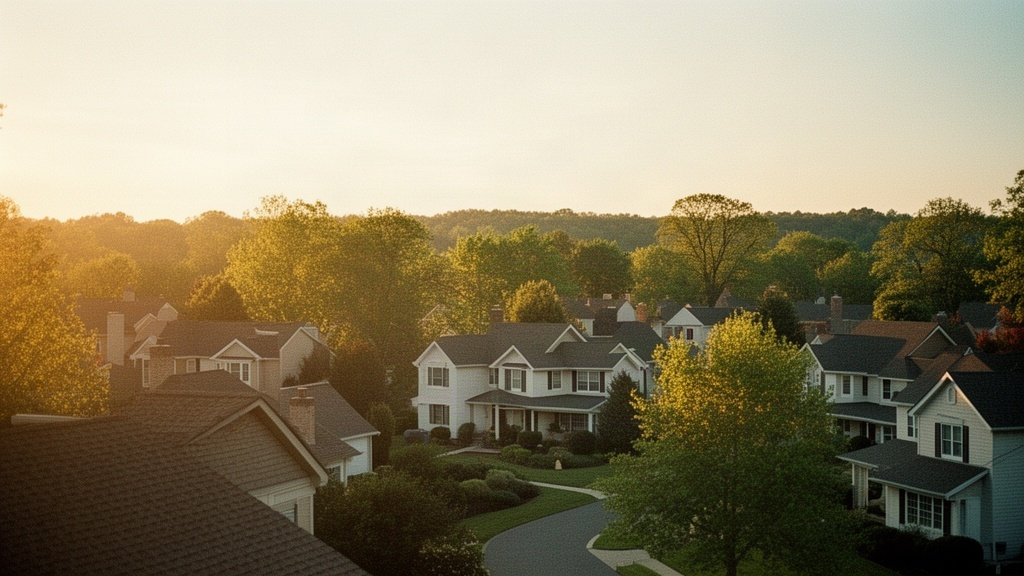
1. Chandler Home Prices Right Now: What the Numbers Say
The Chandler, Arizona real estate market is sitting at a median home price of roughly $530,000 to $545,000 in September 2026, depending on the week and the specific zip code.
Median Price and Price Per Square Foot
Price per square foot in Chandler currently runs between $235 and $270, with newer construction in master-planned communities pushing toward the higher end of that range. Single-family detached homes make up the overwhelming majority of Chandler's housing stock, and the typical home sold in September 2026 is a three or four-bedroom property built between 1995 and 2015, with a two-car garage and a covered patio. Townhomes and attached villas are available but represent a smaller slice of the market, concentrated mostly near the downtown core and along the Ocotillo corridor.
Entry-level buyers in Chandler are looking at the $390,000 to $440,000 range for older homes in the 85224 and 85225 zip codes, which cover much of the northwest quadrant of the city near Alma School Road. Move-up buyers targeting newer builds with open floor plans, three-car garages, and community amenities are typically spending $550,000 to $700,000. Luxury properties in gated communities near Ocotillo or along the Chandler-Gilbert border regularly list above $900,000.
How Chandler Compares Within the Phoenix Metro
Chandler prices are running slightly above Gilbert and Mesa at the median, but below Scottsdale. For a broader picture of where Chandler fits within the region, the Phoenix metro real estate market guide covers metro-wide pricing trends in detail. Chandler's price premium over Mesa reflects its concentration of technology and semiconductor employers, its newer housing stock in the southern and eastern portions of the city, and the draw of amenities like the Chandler Fashion Center area and the Ocotillo lakeside community.
According to Norada Real Estate's Chandler market overview, Chandler has demonstrated consistent year-over-year appreciation and low foreclosure rates, which reflects the stability of the local employment base anchored by Intel, Microchip Technology, Wells Fargo, and a cluster of aerospace and defense contractors along the Price Road Corridor.
2. Chandler Neighborhoods: What Each Area Actually Looks Like
Chandler covers about 65 square miles and its neighborhoods vary significantly in age, lot size, architectural style, and price point. Here is what each major area offers on the ground.
Downtown Chandler and the Old Town Core
The area around Arizona Avenue and Buffalo Street is Chandler's historic center, with bungalows and ranch-style homes built in the 1950s through 1980s on lots of 6,000 to 9,000 square feet. Prices here range from the low $400,000s to the mid-$500,000s, with renovated properties commanding more. The neighborhood sits within walking distance of the Dr. A.J. Chandler Park, the weekly farmers market, and a concentration of locally owned restaurants and coffee shops along the San Marcos Place corridor. Older homes in this area often lack the three-car garages and open-concept layouts common in newer builds, but the lot sizes and established landscaping are trade-offs many buyers find worthwhile.
Fulton Ranch and Ocotillo
Fulton Ranch is a master-planned community in the southeastern corner of Chandler, built primarily between 2000 and 2010, with homes ranging from about $550,000 to $850,000. The community is built around a network of lakes, walking paths, and parks, and most homes sit on lots between 6,000 and 10,000 square feet. HOA fees in Fulton Ranch typically run $100 to $180 per month depending on the sub-community. Homes here are predominantly two-story, four-bedroom plans with tile roofs and stucco exteriors.
Ocotillo sits just north of Fulton Ranch and is known for its lakeside setting, with many homes backing directly to water. Properties with lake frontage in Ocotillo regularly list between $700,000 and $1.3 million. The community includes the Ocotillo Golf Club, multiple pocket parks, and paved paths around the lakes. Homes were built across several decades, so architectural styles range from 1990s Mediterranean to early-2000s Tuscan to more contemporary designs added in the 2010s.
Pecos Ranch and Sun Lakes Adjacent Areas
Pecos Ranch occupies a stretch of south-central Chandler near Pecos Road and Dobson, with homes built mostly in the late 1980s and 1990s on lots of 7,000 to 11,000 square feet. Prices in Pecos Ranch generally fall between $420,000 and $560,000, making it one of the more accessible established neighborhoods in the city. The area is close to the Chandler Municipal Airport, which is a general aviation facility rather than a commercial airport, and to several large retail corridors along Chandler Boulevard. Sun Lakes, just south of the Chandler city limit along Riggs Road, is an age-restricted community that sits adjacent to southern Chandler and can influence pricing comparisons in that corridor.
The Price Road Corridor and East Chandler
The Price Road Corridor runs along Price Road from Chandler Boulevard south to Germann Road and is home to a dense concentration of technology campuses. Residential neighborhoods immediately east and west of this corridor, including communities like Carino Estates and Andersen Springs, feature homes built in the mid-2000s, typically priced between $480,000 and $650,000. East Chandler, approaching the Gilbert border near Higley Road, has newer construction from the 2010s on slightly smaller lots, with prices ranging from $500,000 to $720,000 for standard production builds.
3. Commute Times and Getting Around Chandler
Chandler's location at the southeast corner of the Phoenix metro shapes commute times significantly depending on where you work. Knowing the drive times before you choose a neighborhood can save you hours each week.
Driving to Major Employment Hubs
From central Chandler near Arizona Avenue, the drive to downtown Phoenix via the I-10 or US-60 typically takes 30 to 40 minutes in morning traffic and can stretch to 50 minutes during peak congestion. The drive to Tempe's Mill Avenue district is shorter, roughly 20 to 25 minutes via the Loop 101 or Price Road. Reaching Scottsdale's Airpark employment district from north Chandler takes about 25 to 35 minutes via the Loop 101 north. If you are comparing Chandler to Scottsdale as a base, the Scottsdale real estate market guide outlines how pricing and commute patterns differ between the two cities.
Loop 202 and the San Tan Freeway
The Loop 202 South Mountain Freeway and the San Tan Freeway (also Loop 202) bracket Chandler on the west and south, giving residents direct freeway access without navigating surface streets for long. The completion of the South Mountain Freeway extension in recent years has made the west side of Chandler considerably more connected to the I-10 corridor and the west Valley. Buyers in Fulton Ranch or south Chandler can reach the Queen Creek Marketplace in about 15 minutes and the Phoenix-Mesa Gateway Airport in roughly 20 minutes via the San Tan Freeway.
4. Market Conditions: Inventory, Days on Market, and Seller vs. Buyer Dynamics
In September 2026, Chandler's market is sitting in a moderate balance between sellers and buyers, with inventory higher than the tight conditions of 2021 through 2023 but not yet a full buyer's market. Understanding the current dynamics helps both sides negotiate more effectively.
Current Inventory Levels
Active listings in Chandler currently represent roughly 2.5 to 3 months of supply at the current sales pace, which places the market closer to balanced than the sub-one-month inventory levels seen during the pandemic era. The inventory expansion has been most pronounced in the $600,000 to $900,000 range, where new construction from 2023 and 2024 has added competing supply. Below $500,000, resale inventory remains tighter, and well-priced homes in that bracket are still moving within two to three weeks of listing.
For context on how Chandler's inventory picture fits into the broader Phoenix metro story, the average home price guide for Phoenix in September 2026 tracks metro-wide supply and demand figures alongside median price movements.
Days on Market and Offer Patterns
The median days on market for a Chandler home is currently around 28 to 35 days, compared to under 10 days during the peak seller's market of 2022. Sellers are still receiving offers at or near list price on homes priced correctly from day one. Overpriced listings are sitting longer and seeing price reductions, which is a shift from two years ago when almost anything sold quickly regardless of pricing. Buyers are negotiating more on repairs and concessions than they were in 2023, though multiple-offer situations still occur on turnkey homes in the $450,000 to $550,000 range.
5. Timing Your Purchase or Sale in Chandler
Seasonal patterns in Chandler follow the broader Phoenix metro cycle, but the city's strong employment base means demand does not drop off as sharply in summer as it does in some other Arizona markets.
When Buyers Have More Leverage
July through September tends to bring the most negotiating room for buyers in Chandler. The Arizona summer heat reduces foot traffic at open houses, sellers who listed in spring and have not yet sold are often motivated to negotiate, and new construction builders frequently offer incentives on standing inventory during this window. September 2026 is still within that window, which means buyers who are ready to move now are finding slightly more flexibility on price, closing cost contributions, and repair requests than they would in a spring market.
When Sellers See the Strongest Offers
February through May is historically the strongest window for Chandler sellers, with the highest volume of active buyers and the most competitive offer environments. Families relocating for the school year tend to begin their search in January and February, and corporate relocation activity tied to the technology sector picks up in the first quarter. Sellers who list in late January or early February with a well-prepared home tend to see the most showings and the strongest initial offers. Listing in October or November can also be productive, as snowbird-season buyers from colder states begin arriving and looking at properties.
The National Association of Realtors has noted that metro Phoenix is forecast to remain among the top housing markets in the country, driven by population growth, job creation in the semiconductor and technology sectors, and continued in-migration from higher-cost states. Chandler sits at the center of that employment story, which underpins demand across all seasons.
6. Costs Beyond the Purchase Price
The sticker price on a Chandler home is only part of what you will pay. HOA fees, property taxes, and closing costs all add to the real cost of ownership, and they vary meaningfully depending on which community you choose.
HOA Fees in Chandler Communities
Most master-planned communities in Chandler carry HOA fees, and the range is wide. Smaller, older HOAs in communities like Pecos Ranch or Andersen Springs typically charge $60 to $120 per month and cover common area maintenance and landscaping. Larger communities with clubhouses, pools, fitness centers, and lakes, such as Fulton Ranch or Ocotillo, run $150 to $250 per month, and some sub-communities within those master plans layer in a second HOA on top of the master fee. For a detailed breakdown of what HOA fees cover and how they are structured across the Phoenix metro, the HOA fees guide for Phoenix master-planned communities is worth reading before you commit to a specific community.
Property Taxes and Closing Costs
Chandler falls within Maricopa County, where residential property is assessed at 10% of full cash value for tax purposes. On a $530,000 home, you can expect annual property taxes in the range of $2,400 to $3,200 depending on the specific tax district, whether the home qualifies for any exemptions, and the applicable primary and secondary tax rates. The property tax guide for Phoenix and Maricopa County explains exactly how Maricopa County calculates assessed value and what exemptions are available to owner-occupants.
Closing costs for buyers in Chandler typically run 2% to 3% of the purchase price, which on a $530,000 home means $10,600 to $15,900 in total closing costs before any seller concessions. This includes lender origination fees, title insurance, escrow fees, prepaid homeowners insurance, and the initial property tax deposit. The closing costs guide for Phoenix-area buyers breaks down each line item so you know what to expect before you open escrow.
FAQ
Is Chandler, Arizona a buyer's market or a seller's market right now?
As of September 2026, Chandler is in a moderately balanced market leaning slightly toward sellers in the sub-$500,000 price range and more toward buyers in the $600,000 to $900,000 range where new construction has added supply. Active inventory represents about 2.5 to 3 months of supply overall, which is a meaningful shift from the extreme seller's market of 2021 and 2022. Buyers currently have more room to negotiate on repairs and concessions than they did two years ago, particularly on homes that have been sitting on the market for more than 30 days. Well-priced, turnkey homes in the mid-$400,000s are still generating strong interest and moving quickly.
What is the typical home price in Chandler, Arizona in 2026?
The median home price in Chandler in September 2026 is approximately $530,000 to $545,000 for a single-family detached home. Entry-level buyers can find older resale homes in the northwest part of the city starting around $390,000 to $440,000, while newer construction in master-planned communities like Fulton Ranch or east Chandler typically starts around $550,000 and can exceed $1 million for premium lake-view or estate properties. Price per square foot ranges from about $235 on older homes to $270 or more on newer builds with upgraded finishes and community amenities.
How long does it take to close on a home in Chandler, Arizona?
A standard purchase with conventional financing in Chandler currently closes in 30 to 45 days from the time an offer is accepted. Cash transactions can close in as few as 10 to 14 days if the title process moves quickly. New construction closings depend on the builder's timeline and can range from immediate delivery on standing inventory to 6 to 9 months for a build-to-order home. FHA and VA loans sometimes take 35 to 45 days due to additional appraisal requirements. Your lender's processing speed and the title company's workload both affect the final timeline.