

← Back to Blog
Neighborhoods
Perrysburg Ohio Neighborhood Guide: How to Choose the Right Area Before You Buy
By Benny & Angela Maxwell
Danberry Realtors
September 18, 2026 · 11 min read
If you are searching for a Perrysburg Ohio neighborhood guide that goes beyond a surface-level list, this is it. Perrysburg spans roughly 20 square miles along the Maumee River in Wood County, and the differences between its established subdivisions, newer developments, and walkable historic blocks are significant enough to affect your daily life and your long-term equity. This article walks through the key factors to evaluate so you can match a specific part of Perrysburg to your priorities before you ever schedule a showing.
1. Why Perrysburg Has More Neighborhood Variety Than Most People Expect
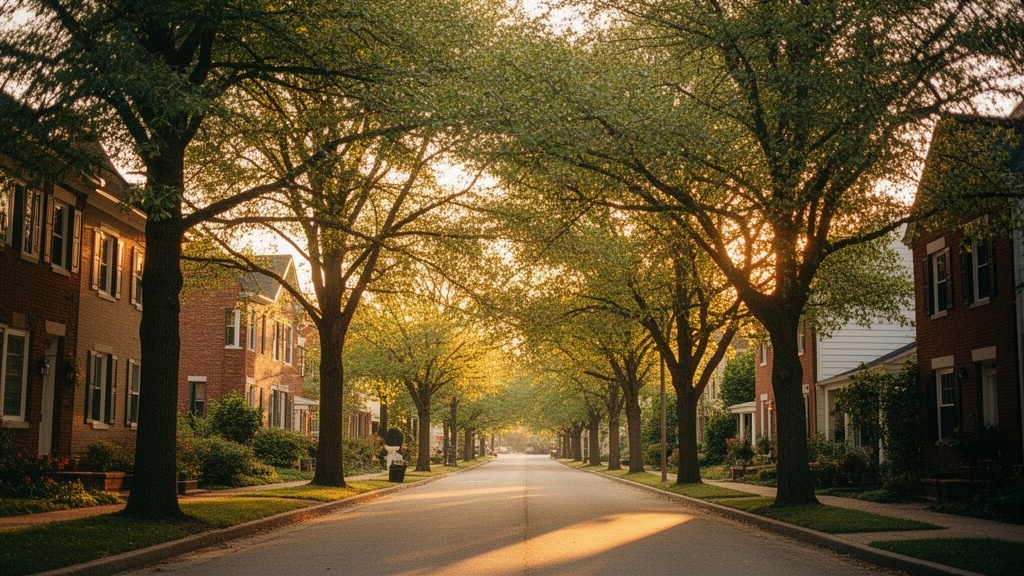
Perrysburg is not a single-character city. It contains a walkable historic core along the Maumee River bluff, large-lot subdivisions from the 1980s and 1990s, dense newer construction near the US-20 and I-475 corridors, and pockets of smaller ranch homes on city lots that date to the 1950s and 1960s. Understanding those distinctions is the whole point of a useful Perrysburg Ohio neighborhood guide, because buyers who lump the city together often end up in a neighborhood that does not match what they pictured.
The city sits at the intersection of I-475 and US-20, which gives nearly every neighborhood reasonable highway access. But the feel of daily life changes noticeably depending on whether you are north of the bypass near the river, in the established west-side subdivisions, or in the newer growth areas south and east of downtown. Those differences show up in lot sizes, architectural styles, price-per-square-foot, and how much you will spend on property taxes.
Historic Downtown and River Corridor
The blocks immediately surrounding downtown Perrysburg, particularly along Louisiana Avenue, Front Street, and the streets running south from the river bluff, contain some of the oldest housing stock in Wood County. You will find two-story Victorians, craftsman bungalows, and Colonial Revivals on lots that are typically narrower and deeper than suburban parcels, often in the 50-by-150-foot range. Sidewalks are continuous here, and the distance from a front door to the restaurants, coffee shops, and boutiques along Louisiana Avenue is measured in blocks rather than miles.
Fort Meigs, the reconstructed War of 1812 fortification on the west bank of the Maumee River, sits just outside the downtown core and is a significant landmark that shapes the western edge of this corridor. Buyers drawn to this part of Perrysburg should expect older mechanicals, original woodwork and character details that newer construction cannot replicate, and prices that reflect the scarcity of these homes. For a deeper look at buying near this landmark, the article on buying a home in the Fort Meigs area covers the process, costs, and timeline in detail.
Established Subdivisions on the West Side
West of downtown and south of the river, neighborhoods like Perrysburg Meadows, Waterford, and the areas around Roachton Road represent the bulk of Perrysburg's 1980s and 1990s residential growth. Lots here typically run between a quarter-acre and half-acre. The housing style is predominantly two-story Colonial and traditional ranch, with attached two-car garages, mature trees, and established landscaping that newer subdivisions take decades to develop.
These neighborhoods tend to have lower HOA costs or no HOA at all compared to newer master-planned communities, which is a meaningful budget difference over a 10-year ownership period. The trade-off is that kitchens and bathrooms in homes built 30 to 40 years ago often need updating, and buyers should budget for that accordingly.
Newer Growth Along the South and East Edges
The southern and eastern portions of Perrysburg, particularly along Fremont Pike (US-20) and in the area around Fallen Timbers, have seen the most active new construction over the past decade. Subdivisions in this zone include a mix of production builds from regional and national builders and custom homes on larger lots. Open floor plans, energy-efficient construction, and modern finishes are standard here, and many communities include amenity packages like pools, walking trails, and pocket parks built into the HOA structure.
The Fallen Timbers area specifically anchors this part of the city. The outdoor lifestyle center there includes national retailers, restaurants, and a movie theater, all within a short drive or, in some cases, a walkable distance from nearby subdivisions. If you want to understand what is currently being built in this corridor, the article on new housing developments and subdivisions in Perrysburg in 2026 breaks down the active projects.
2. Housing Stock and Price Ranges by Area
Price ranges in Perrysburg vary by roughly $200,000 or more depending on which part of the city you are shopping in. That spread is wide enough that two buyers with very different budgets can both find a home here, but it also means that comparing list prices without understanding the neighborhood context will lead you to the wrong conclusions about value.
Entry-Level and Mid-Range Options
The most accessible price points in Perrysburg, generally in the $250,000 to $350,000 range as of September 2026, are concentrated in the older ranch neighborhoods on the city's north and northwest sides, and in some of the smaller colonial-style homes in the established west-side subdivisions. These homes typically run 1,200 to 1,800 square feet, sit on city-sized lots, and were built between the 1950s and 1980s. Buyers in this range should expect to do some updating but will benefit from low or no HOA fees and established neighborhood infrastructure.
The mid-range, roughly $350,000 to $500,000, covers a broad swath of Perrysburg's inventory. This includes updated colonials in the west-side subdivisions, newer townhomes and patio homes near the Fallen Timbers corridor, and some of the smaller custom homes in the outer neighborhoods. At this price point, buyers have real options across multiple neighborhoods, which makes comparing them carefully even more important.
Move-Up and Executive Price Points
Above $500,000, Perrysburg's inventory shifts toward larger custom homes, properties with Maumee River frontage or views, and high-end new construction in planned communities. Homes in the $600,000 to $900,000 range often feature four or more bedrooms, three-car garages, finished basements, and lots that approach or exceed half an acre. The luxury segment above $1 million is smaller but active, concentrated in riverfront locations and a handful of custom-build communities.
For buyers considering this price tier, the article on the luxury home market in Perrysburg covers what to expect in terms of inventory, negotiation, and due diligence at the top of the market.
3. Commute Times and Access Points Worth Knowing
Perrysburg's commute profile is one of its most practical advantages over other Toledo-area suburbs. The city sits at the junction of I-475 and US-20, giving residents direct freeway access to downtown Toledo, the Toledo Express Airport, and points east and west without navigating congested surface roads for long stretches.
Interstate and Surface Road Access
From most Perrysburg neighborhoods, the on-ramp to I-475 is within five to ten minutes. That freeway connects north to downtown Toledo in approximately 20 to 25 minutes under normal traffic conditions, and south toward Bowling Green and I-75 in about 15 minutes. US-20, which runs east-west through the heart of Perrysburg, provides a surface-road alternative and connects the city to Maumee to the east in under ten minutes.
Buyers in the newer south-side subdivisions near Fremont Pike are typically the farthest from I-475 on-ramps, adding roughly five minutes to freeway access compared to neighborhoods closer to the bypass. That is a minor difference for most commuters, but it is worth knowing if you are weighing two neighborhoods that are otherwise similar.
Toledo and Regional Destinations
ProMedica Toledo Hospital is roughly 20 minutes north via I-475. The University of Toledo main campus is about 25 minutes. Toledo Express Airport, used by both commercial travelers and cargo operations, is approximately 20 minutes west via US-20 and Airport Highway. For buyers who travel frequently for work, that airport proximity is a genuine quality-of-life factor that rarely shows up in neighborhood guides.
Perrysburg also sits about 50 miles south of the Michigan state line, making Ann Arbor and Detroit reachable in roughly 60 to 90 minutes depending on traffic. That regional connectivity matters for buyers who work remotely but travel to Michigan offices periodically, a profile that has become common in the post-2020 labor market.
4. Parks, Amenities, and Daily Conveniences
Perrysburg's park system and commercial amenities are distributed unevenly across the city, and knowing where things are relative to a neighborhood you are considering makes a real difference in daily convenience. This section covers what is physically available and where.
Parks and Green Space
Riverside Park sits along the Maumee River bluff in downtown Perrysburg and is the city's most prominent green space. It includes a gazebo, open lawn, and river views that make it a gathering point for community events. The Maumee River itself is accessible for kayaking and fishing at several points within or near the city, including the area near Fort Meigs.
Bouchard Park on the west side of the city offers athletic fields, a playground, and open space. The Wood County Park District also maintains several natural areas within a short drive of Perrysburg, including the Maumee State Forest and Oak Openings Preserve Metropark, which covers more than 5,000 acres of rare oak savanna habitat about 20 minutes northwest of downtown Perrysburg.
Shopping, Dining, and Services
The Fallen Timbers lifestyle center on the east side of the city along US-20 is the largest commercial hub, anchored by national retailers and a range of dining options. A Costco, multiple grocery chains, and a dense concentration of medical offices and urgent care facilities are clustered in this corridor, making it the most convenient part of the city for everyday errands.
Downtown Perrysburg along Louisiana Avenue offers a different commercial character: independent restaurants, specialty shops, a wine bar, and a handful of professional services within a walkable half-mile stretch. Buyers who want to walk to dinner from home are looking at the historic downtown neighborhoods almost exclusively. Buyers in the west-side subdivisions or the newer south-side communities will drive to both corridors, with Fallen Timbers generally being closer.
5. What to Research Before You Commit to a Neighborhood
A Perrysburg Ohio neighborhood guide is only useful if it helps you ask the right questions before you make an offer. There are three categories of research that consistently separate buyers who feel confident in their decision from those who have second thoughts after closing.
Property Taxes and HOA Costs
Property taxes in Perrysburg vary by the specific tax district a parcel falls within, and those differences are meaningful. The effective rate across most of the city runs between roughly 1.6% and 2.1% of assessed value, but the exact figure depends on levies that apply to your specific address. On a $400,000 home, the difference between a 1.7% and a 2.0% effective rate is $1,200 per year, which adds up over a mortgage term.
The Wood County Auditor's website allows you to look up the exact tax history and current assessed value for any parcel before you make an offer. HOA fees in the newer planned communities typically run $400 to $900 per year for basic maintenance and common areas, with some communities charging significantly more for amenity packages. The article on property taxes in Perrysburg walks through how to read the auditor's data and what to budget.
Schools and District Information
Most of Perrysburg falls within the Perrysburg Exempted Village School District, though some parcels on the city's edges may fall within adjacent districts. The Ohio Department of Education's public report cards, available at reportcard.education.ohio.gov, publish objective performance data for every district and building in the state. That is the appropriate starting point for any school-related research, and the conclusions you draw from that data are a personal decision.
Before you assume a property falls within a specific school attendance zone, verify the exact address with the district directly. Attendance boundaries can shift, and some streets that appear to be well inside the city limits feed into a different attendance area than a neighbor one block over. This is especially relevant for buyers near the city's southern and eastern edges.
Market Pace in Each Area
How quickly homes sell in a given neighborhood tells you a lot about demand, and demand affects your negotiating position. In September 2026, well-priced homes in Perrysburg's most active price bands, roughly $300,000 to $500,000, are moving in under three weeks in many neighborhoods. Homes in the historic downtown core move more slowly because the buyer pool for older homes with deferred maintenance is narrower.
Understanding market pace by neighborhood is something a local agent tracks in real time through MLS data. Benny Maxwell of Danberry Realtors works specifically in the Perrysburg market and can pull days-on-market figures, list-to-sale price ratios, and absorption rates for any neighborhood you are considering. That data will tell you whether you need to move fast or whether you have room to negotiate. You can also explore what the broader Perrysburg market looks like right now through resources like NeighborhoodScout's Perrysburg real estate market data, which tracks long-term appreciation trends for the city.
If you are relocating from outside the area and want a broader orientation before narrowing your search, the article on relocating to Perrysburg covers the full picture of neighborhoods, costs, and timelines from an out-of-area buyer's perspective.
FAQ
What is the most walkable neighborhood in Perrysburg, Ohio?
The historic downtown core, centered on Louisiana Avenue and the blocks immediately south of the Maumee River bluff, is the most walkable part of Perrysburg. Residents here can reach restaurants, coffee shops, the public library, and Riverside Park on foot without crossing a major arterial road. The trade-off is that housing stock in this area consists largely of older homes built before 1970, which means buyers should budget for updates to mechanicals, kitchens, and bathrooms. Most other Perrysburg neighborhoods are car-dependent for daily errands, with the Fallen Timbers corridor being the closest commercial hub for west-side and south-side residents.
How do property taxes differ between Perrysburg neighborhoods?
Property taxes in Perrysburg are set at the parcel level based on the specific tax levies that apply to each address, so two homes a few streets apart can carry meaningfully different effective rates. Across the city, effective rates generally fall between about 1.6% and 2.1% of assessed value as of 2026, but you need to look up the specific parcel on the Wood County Auditor's website to get the accurate figure for any home you are considering. Newer subdivisions with higher assessed values and additional levy support can land at the higher end of that range. Factoring in HOA fees where they apply gives you a more complete picture of annual carrying costs.
Is Perrysburg still growing, and does that affect which neighborhood I should buy in?
Perrysburg has been one of the more consistently growing cities in the Toledo metro area over the past two decades, with most of that growth happening along the southern and eastern edges near US-20 and Fremont Pike. That growth pattern means newer subdivisions in those corridors benefit from recent infrastructure investment, modern construction standards, and proximity to expanding commercial services. Established neighborhoods closer to the river and downtown benefit from mature landscaping, larger lots relative to price in some cases, and a more stable, built-out character. Neither direction is universally better; the right choice depends on what you prioritize in daily life and long-term ownership. A local agent with current MLS data can show you appreciation trends for specific streets and subdivisions, which is more useful than city-wide averages.