
← Back to Blog
Market Trends
Elk Grove, California Real Estate Market Guide: Prices, Neighborhoods and Timing
By Beth Correa
September 22, 2026 · 10 min read
Whether you are buying your first home, selling a property you have owned for years, or relocating to the Sacramento region, this Elk Grove, California real estate market guide covers what you need to know: current prices, what different parts of the city actually look like, and how timing affects your outcome. Elk Grove has grown from a quiet farming community into one of Sacramento County's largest cities, and the market here has its own rhythms that are worth understanding before you make a move.
1. What the Elk Grove Housing Market Looks Like Right Now
The Elk Grove market is a mid-range suburban market with meaningful variation depending on neighborhood, lot size, and home age. As of September 2026, the city sits in a more balanced position than the frenzied years of 2021 and 2022, with buyers having more time to make decisions and sellers still seeing solid demand from Sacramento-area workers and relocating families.
Current Price Benchmarks
Median home prices in Elk Grove have held in the mid-to-upper $500,000s through much of 2026, though individual transactions vary widely. Entry-level single-family homes in older sections of the city, particularly west of Highway 99, tend to list in the $450,000 to $530,000 range. Newer construction in planned communities east of Highway 99 regularly pushes past $650,000, and larger homes on estate-sized lots along Sheldon Road or in rural Elk Grove can exceed $900,000.
For a continuously updated look at price trends, Redfin's Elk Grove housing market data tracks median sale prices, days on market, and sale-to-list ratios month by month, which is useful context to review alongside any offer you plan to make.
Inventory and Competition
Inventory in Elk Grove has expanded compared to the historic lows of 2021 and 2022. Buyers currently have more active listings to choose from, and homes are spending longer on the market before going under contract. That said, well-priced homes in move-in condition, particularly those in the $480,000 to $600,000 range, still attract multiple offers within the first two weeks of listing.
The days-on-market figure is one of the most telling signals in this market. When that number climbs above 30 days city-wide, sellers are generally more open to negotiation on price and concessions. When it drops below 15 days, buyers need to be prepared to move quickly with strong pre-approval letters in hand.
2. A Practical Look at Elk Grove's Neighborhoods
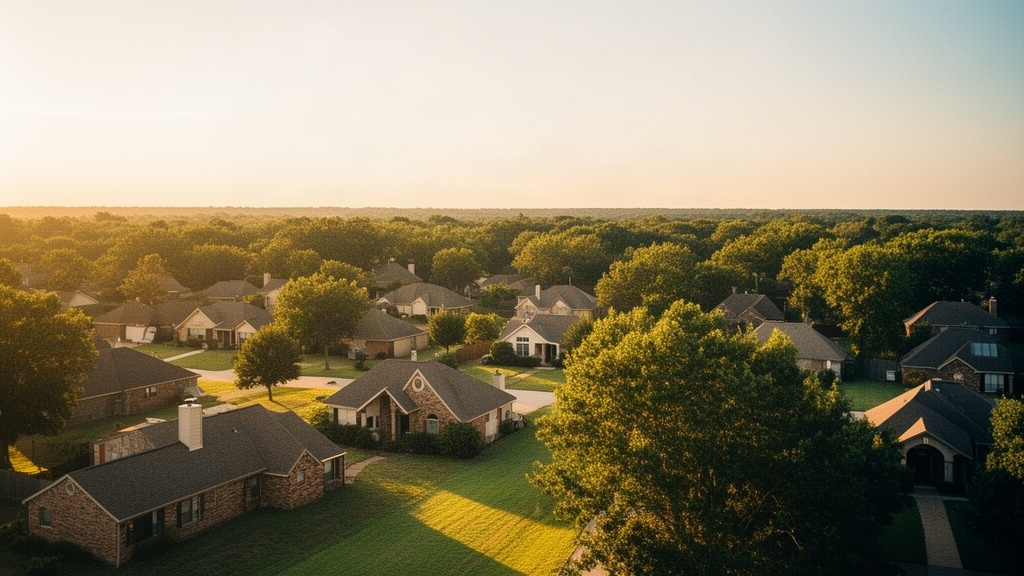
Elk Grove spans roughly 44 square miles, and the character of the housing stock changes noticeably as you move from west to east and from older sections near the historic Old Town area to newer master-planned communities. Understanding these physical differences helps you shop more efficiently and set realistic price expectations.
West Elk Grove and Laguna Area
The western portion of Elk Grove, including neighborhoods near Laguna Boulevard and the Laguna Creek corridor, contains some of the city's older housing stock. Homes here were largely built between the mid-1980s and late 1990s. Lot sizes tend to run 5,000 to 7,500 square feet, and you will find a mix of single-story and two-story floor plans ranging from about 1,200 to 2,400 square feet.
The Laguna area has direct access to Laguna Creek Regional Park and the trail network that runs along the creek. Cosumnes River College sits in this part of the city, and the proximity to Highway 99 puts downtown Sacramento roughly 20 to 25 minutes north by car under normal traffic conditions. Homes in this corridor typically list between $440,000 and $580,000 depending on size and condition.
Stonelake and Southeast Elk Grove
Stonelake is one of Elk Grove's more recognizable planned communities, centered on a private lake with a walking path, a community clubhouse, and a park. Homes here were built primarily in the early 2000s and tend to be larger, with many floor plans running 2,200 to 3,500 square feet on lots of 6,000 to 10,000 square feet. The lake-view lots command a premium, often pushing prices $50,000 to $100,000 above comparable non-lakefront homes in the same community.
Further southeast, toward Elk Grove Boulevard and Grant Line Road, newer subdivisions built from the mid-2000s onward offer wider streets, larger garages, and homes with more modern floor plans. This part of the city is also closer to the Elk Grove Unified School District's administrative center and several of the district's newer campuses. Prices in southeast Elk Grove generally range from the low $600,000s to the upper $700,000s for standard production homes.
Sheldon Road Corridor and Rural Pockets
The eastern edge of Elk Grove, along and beyond Sheldon Road, includes properties that blur the line between suburban and rural. You will find custom homes on half-acre to five-acre parcels, equestrian properties with barn structures, and older ranch-style homes that have been updated over decades. These properties attract buyers who want space and privacy without leaving city limits entirely.
Prices here are less predictable because each property is more unique. A 2,800-square-foot home on two acres might list anywhere from $750,000 to over $1.1 million depending on improvements, well and septic condition, and proximity to paved roads. If you are considering this type of property, a thorough inspection and a clear understanding of rural utility costs are essential before making an offer.
For a deeper look at how these neighborhoods compare on housing stock and layout, the Homes for Sale in Elk Grove: Complete Buyer's Guide on this site covers what to expect when shopping different parts of the city.
3. What Drives Elk Grove Home Prices
Price per square foot in Elk Grove is not uniform across the city. Several specific factors push individual properties above or below the median, and knowing them helps both buyers evaluate whether a listing is priced fairly and sellers understand what improvements or positioning will move the needle.
Lot Size, Age, and Housing Type
Lot size has an outsized effect on value in Elk Grove compared to denser Sacramento neighborhoods. A home on a 9,000-square-foot lot in the same subdivision as an identical home on a 5,500-square-foot lot will almost always sell for more, often by $20,000 to $40,000, assuming the extra lot space includes usable yard. Corner lots with side-yard access, RV parking potential, or pool space are especially valued.
Homes built after 2005 tend to carry a price premium over comparable square footage from the 1980s or early 1990s. Newer construction typically means updated electrical panels, energy-efficient HVAC systems, and open floor plans that buyers in 2026 prefer. Older homes can compete on price, but they often require buyers to budget for deferred maintenance items that inspections tend to surface.
Commute Access and Infrastructure
Elk Grove's position along Highway 99 is central to its appeal for Sacramento-area workers. The drive from central Elk Grove to downtown Sacramento runs about 20 to 30 minutes under normal conditions. The California Northstate University campus and several major employers in the South Sacramento and Elk Grove corridor reduce the need to commute north at all for a growing segment of residents.
Homes near the Elk Grove-Laguna interchange and the Bruceville Road corridor tend to sell slightly faster because of their direct freeway access. Properties deep in the eastern rural sections, where surface streets are the only option, attract a narrower pool of buyers, which is one reason pricing in those areas can be less predictable.
New Construction vs. Resale
New construction in Elk Grove is concentrated in the southeastern quadrant of the city, where builders including Taylor Morrison and Lennar have active communities in 2026. Base prices for new homes typically start around $580,000 and climb quickly once buyers add lot premiums, upgrades, and solar packages. The advantage of new construction is the builder warranty and modern systems; the trade-off is smaller lots, longer timelines to close, and neighborhoods where landscaping and community amenities are still maturing.
Resale homes in established neighborhoods often offer larger lots, mature trees, and faster move-in timelines. They also come with a clearer picture of the neighborhood's character since the surrounding development is already complete. Buyers who are comparing new versus resale should factor in HOA fees, Mello-Roos tax assessments common in newer Elk Grove communities, and the total monthly cost rather than just the purchase price.
Background on how Elk Grove's market has evolved through different cycles is covered in detail at Norada Real Estate's Elk Grove market analysis, which tracks historical price appreciation and inventory shifts across the Sacramento region.
4. Timing the Elk Grove Market as a Buyer or Seller
Timing in real estate is real, but it is rarely about finding a perfect month. In Elk Grove, the seasonal patterns are consistent enough that understanding them gives both buyers and sellers a concrete advantage when deciding when to act.
Seasonal Patterns in Elk Grove
Spring, from late February through May, is consistently the most active period for listings and buyer activity in Elk Grove. Sellers who list in March and April typically see the most showings and the strongest offers. Buyers shopping during this window face the most competition but also the widest selection of homes.
Summer brings continued activity, though the Central Valley heat, with Elk Grove regularly reaching 100 degrees Fahrenheit in July and August, can slow open house traffic. Motivated sellers who did not sell in spring sometimes reduce prices in late July and August, which creates selective opportunities for buyers who are willing to tour homes during the heat.
Fall, from September through November, is a secondary active season. Right now, in September 2026, the market is transitioning into this fall window. Buyers who were priced out or outcompeted in spring sometimes find better negotiating conditions in September and October, when seller motivation tends to be higher and competition slightly lower than peak spring.
December and January are historically the quietest months. Inventory shrinks, but so does buyer competition. Sellers who list in December are often highly motivated, and buyers willing to transact during the holidays sometimes negotiate prices and concessions that would not be available in spring.
How to Read the Current Window
In September 2026, Elk Grove is in a window that generally favors buyers more than the 2021 to 2023 period did. Interest rates remain a factor in monthly payment calculations, but sellers have adjusted expectations from the peak years. Buyers who are financially ready and have done their homework on neighborhoods and price ranges are finding that they can negotiate inspection repairs, closing cost contributions, and occasionally price reductions that simply were not available two or three years ago.
For sellers, the current market still rewards preparation. Homes that are professionally staged, priced within 2 to 3 percent of comparable sales, and listed with strong photography tend to sell within 20 to 30 days. Overpriced listings are sitting longer and often end up selling for less than they would have if priced correctly at the start.
5. Key Numbers to Know Before You Buy or Sell in Elk Grove
Having specific numbers in mind before you enter the Elk Grove market helps you evaluate listings and offers with confidence rather than guessing. The figures below reflect conditions as of September 2026 and should be verified with current MLS data when you are actively shopping or listing.
- Median sale price: Approximately $560,000 to $590,000 city-wide as of September 2026, with significant variation by neighborhood and home size.
- Price per square foot: Typically $260 to $320 per square foot for standard production homes; higher for newer construction and lakefront or view lots.
- Average days on market: Ranging from 18 to 35 days for well-priced homes; overpriced listings frequently exceed 60 days before a price reduction.
- Mello-Roos and HOA costs: Many newer Elk Grove communities carry Mello-Roos assessments ranging from $1,500 to $4,000 annually on top of base property taxes. Always request the full tax rate area breakdown before making an offer.
- Commute benchmark: Central Elk Grove to downtown Sacramento is 18 to 28 miles depending on origin point, with drive times of 20 to 40 minutes depending on traffic direction and time of day.
- New construction base prices: Starting around $580,000 in active southeast Elk Grove communities as of September 2026, before lot premiums and upgrades.
- Rural property range: Homes on half-acre or larger lots along the Sheldon Road corridor typically list between $750,000 and $1.2 million depending on acreage, improvements, and utility type.
These numbers give you a working framework, but individual properties can deviate significantly based on condition, upgrades, and how motivated a seller is. Running a current comparative market analysis on any specific home you are considering is the most reliable way to know whether a listing is priced at, above, or below market.
FAQ
Is Elk Grove, California a good place to buy a home right now?
As of September 2026, Elk Grove offers buyers more options and more negotiating room than the peak years of 2021 and 2022. Inventory has increased, days on market have lengthened, and sellers are more open to concessions on closing costs and inspection repairs. The city's location along Highway 99, its mix of housing types from entry-level resale to newer construction, and its proximity to Sacramento employment centers continue to support demand. Whether the timing works for you depends on your financial readiness, your target price range, and how long you plan to hold the property. A current pre-approval and a clear sense of your priorities will put you in a strong position to move when the right home appears.
What is the difference between buying in west Elk Grove versus east Elk Grove?
West Elk Grove, including the Laguna area, contains older housing stock built primarily in the 1980s and 1990s on smaller lots, with lower price points and direct access to Laguna Creek trails and Highway 99. East and southeast Elk Grove feature newer planned communities built in the 2000s and 2010s, with larger floor plans, modern finishes, and community amenities like parks and walking paths, but often with Mello-Roos tax assessments that add to the monthly cost. The far eastern edge along Sheldon Road transitions into rural and semi-rural properties on larger parcels. The right choice depends on your budget, preferred home age, lot size priorities, and how you weigh monthly tax costs against newer construction features.
How do Mello-Roos taxes affect the cost of buying in Elk Grove?
Mello-Roos assessments are special taxes levied in many of Elk Grove's newer planned communities to fund infrastructure like roads, parks, and utilities that were built as part of the development. These assessments are separate from your standard property tax and can range from roughly $1,500 to over $4,000 per year depending on the specific community and the original bond amount. They are listed on the property tax bill and are tied to the parcel, not the owner, so they transfer to every buyer. When comparing a newer Elk Grove home with a Mello-Roos to an older resale without one, factor the annual assessment into your total monthly cost calculation. Always request the full tax rate area document for any property you are seriously considering before making an offer.