← Back to Blog
Local Living
Cost of Living in Saratoga Springs NY Guide
By Bonnie Austin, Licensed Real Estate Salesperson
Kelleher Realty LLC
August 26, 2026 · 11 min read
Understanding the cost of living in Saratoga Springs, NY, is one of the most important steps you can take before committing to a move or a home purchase here. This city in Upstate New York offers a distinct mix of historic charm, vibrant downtown activity, and a real estate market that reflects strong local demand.
Whether you are looking for current housing trends, property tax expectations, or daily expenses, having accurate local data makes all the difference. Read the full breakdown below!
1. Housing Costs: The Biggest Line Item
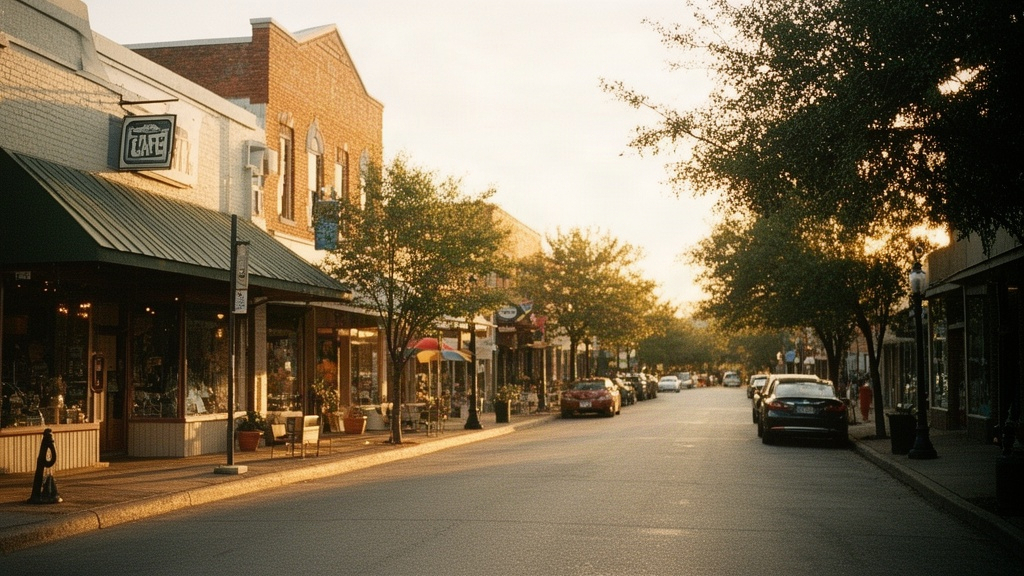
Housing is the primary driver of the cost of living in Saratoga Springs, NY. The city draws buyers from across the Capital Region and beyond, and that sustained demand has kept median home prices well above the regional average for Upstate communities. Whether you are considering a historic home near North Broadway, a newer build in a suburban community off Route 50, or a condo steps from Congress Park, property values vary considerably by location, size, and architectural style.
What Buyers Are Paying Right Now
As of August 2026, home values in Saratoga Springs continue to reflect strong local demand. Overall median sale prices across the city hover in the $600,000 to $700,000+ range, with well-maintained single-family homes in walkable downtown areas often pushing from $700,000 into the $1M+ territory. Buyers can review current and historical market data on Redfin's Saratoga Springs housing market page, which tracks median sale prices, days on market, and sale-to-list ratios updated regularly. Condos and townhomes across Saratoga County often provide a lower entry point, with options starting in the $300,000 to $450,000 range depending on location, age, and amenities.
Inventory remains highly competitive. Homes that are priced strategically and in move-in condition still attract quick attention, often going under contract within two to three weeks of listing. Buyers who are not fully pre-approved and ready to act quickly risk missing out on prime properties—particularly in the $450,000 to $600,000 range, where competition for single-family homes and entry-level options is most concentrated.
Renting vs. Buying in Saratoga Springs
For those not yet ready to purchase, the rental market in Saratoga Springs is active but carries a premium. Average rents for a two-bedroom apartment in the city currently sit in the $2,000 to $2,500+ per month range, depending on property age, amenities, and proximity to downtown. You can explore current market figures on RentCafe's Saratoga Springs rent trends page, which provides a breakdown by unit size and location. For many prospective buyers, comparing long-term rental costs against local equity building makes homeownership a compelling conversation within a few years of moving to Saratoga County.
2. Everyday Expenses Beyond the Mortgage
*he cost of living in Saratoga Springs, NY, extends well beyond your home purchase price or monthly rent. Day-to-day spending on groceries, dining, and utilities adds up, and understanding those numbers helps you build a realistic monthly budget before you relocate. Utilities: Monthly basic utility bills (electricity, heating, cooling, water, and trash) for a typical home average around $200 to $250 per month, though seasonal heating during Upstate NY winters can push heating costs higher. Groceries & Dining: Food expenses in Saratoga Springs hover right near the national average. Local options range from regional grocery hubs like Price Chopper/Market 32 and Hannaford to premium local markets and a thriving downtown dining scene. Lifestyle & Entertainment: From seasonal track visits to local performing arts and boutique shopping along Broadway, daily lifestyle spending reflects Saratoga’s destination appeal. Having a complete breakdown of local living expenses ensures there are no surprises when making Saratoga County your home.
Groceries and Dining
Grocery costs in Saratoga Springs run slightly above the national average, which is consistent with most of Upstate New York. The city offers a strong mix of everyday shopping and specialized markets: Everyday Essentials: Price Chopper/Market 32 and Hannaford serve everyday grocery needs across multiple convenient city locations. Specialty & Natural Grocers: Local favorites like Healthy Living Market & Café (in Wilton Mall) and Four Seasons Natural Foods (on Henry Street) offer organic, natural, and locally produced goods. Farm Fresh: The Saratoga Farmers Market at High Rock Park provides fresh regional produce, meats, and artisan products on Wednesdays and Saturdays from spring through fall (moving indoors for winter). Regional Chains: Trader Joe's and Whole Foods options are located a short drive south along the I-87 corridor in Clifton Park and Albany.
Dining out in Saratoga Springs covers a wide price range. Broadway and the surrounding downtown blocks are lined with restaurants ranging from casual lunch spots and brewpubs to upscale, white-tablecloth dining rooms. Average Dining Costs: A three-course dinner for two at a mid-range downtown restaurant typically runs $75 to $110 before drinks, tax, and tip. Casual Eats: Casual spots, delis, and local pubs offer solid quick-service options with entrees generally under $15 to $20. Seasonal Shifts: During the summer racing season at Saratoga Race Course, restaurant demand surges. Prices, special event menus, and wait times all climb noticeably throughout July and August, leading many locals to plan reservations well in advance or frequent neighborhood spots just outside the downtown core.
Utilities and Internet
Utility costs in Saratoga Springs are shaped by the region's cold winters and warm, humid summers. Heating bills from November through March can be significant, particularly in older historic homes and Victorians that may not have updated insulation or modern thermal windows. Electricity & Heating (National Grid): A typical monthly utility bill for a single-family home covering electricity and natural gas averages from $220 to $350+ per month, with winter heating seasonal peaks depending on square footage and efficiency upgrades. High-Speed Internet: High-speed broadband and fiber service through local providers like Spectrum, EarthLink, or Verizon 5G runs roughly $50 to $90 per month for standard speed tiers. Planning for seasonal utility adjustments ensures your monthly budget remains predictable year-round.
3. Transportation and Commute Costs
Here are compliant options for this section of your Saratoga Springs cost-of-living guide, formatted to adhere to NYS DOS Rule 19 NYCRR §175.25, the REALTOR® Code of Ethics (Article 12 - True Picture in Advertising), and NYS Fair Housing Laws. Option 1: Standard Social Media Post / Blog Section Transportation is a meaningful part of the cost of living in Saratoga Springs, NY, especially for residents commuting south along the I-87 corridor to Albany or the broader Capital Region. While downtown Saratoga Springs is highly walkable, most households rely on personal vehicles for regional travel, making fuel, auto insurance, and routine maintenance standard budget considerations. For public transit and alternative options: Commuter Bus (CDTA Northway Xpress): The CDTA Northway Xpress (NX) provides direct commuter bus service from Saratoga County directly into downtown Albany. Local Transit & Rail: Local CDTA bus routes and FLEX on-demand service cover local connections, while the Saratoga Springs Amtrak station provides direct rail service to New York City and Montreal.
Driving in and Around the City
Saratoga Springs sits about 35 miles north of Downtown Albany via the Northway (Interstate 87), a commute that typically takes 35 to 45 minutes under standard driving conditions (though peak rush-hour traffic can add time). To the north, Glens Falls is roughly 19 miles up I-87, taking about 20 to 25 minutes. Gas prices across Saratoga County generally track close to New York State averages. Within city limits, most day-to-day errands, dining spots, and local parks are reachable in under 10 minutes without hitting the highway, keeping local fuel costs low for residents who live and work right in Saratoga Springs.
Public Transit and Walkability
Here are compliant options for this transit section of your Saratoga Springs guide, formatted to adhere to NYS DOS Rule 19 NYCRR §175.25, the REALTOR® Code of Ethics (Article 12 - True Picture in Advertising), and NYS Fair Housing Laws. Option 1: Standard Social Media Post / Blog Section CDTA (Capital District Transportation Authority) operates multiple local bus lines and regional commuter routes connecting Saratoga Springs to Schenectady, Albany, and surrounding communities. Amtrak also serves the Saratoga Springs station on Station Lane, offering direct rail travel along the Ethan Allen Express (connecting NYC to Burlington, VT) and The Adirondack line (connecting NYC to Montreal via Albany). For residents living near the downtown core, the compact grid of streets makes walking to local restaurants, Broadway boutique shops, and Congress Park genuinely practical without needing a car for every daily trip.
4. Healthcare, Taxes, and Other Fixed Costs
Fixed costs like property taxes and healthcare access play a major role in what it costs to live in Saratoga Springs long-term. These baseline obligations stay consistent year-round and significantly impact your total annual budget, so they deserve careful review before buying. Property & School Taxes: Saratoga County maintains the lowest county property tax rate in New York State ($1.77 per $1,000 assessed value). However, total property tax bills inside the City of Saratoga Springs also include City tax ($6.00–$6.07 per $1,000) and School District tax ($16.82 per $1,000). On a home assessed at $400,000, total annual property taxes average around $9,800 to $10,000 before exemptions like STAR. Healthcare Infrastructure: Saratoga Springs offers robust medical coverage locally. Saratoga Hospital (affiliated with Albany Med Health System) serves as the primary regional care center on Church Street, complemented by urgent care facilities, specialized outpatient centers, and primary care networks across Saratoga County.
Property Taxes in Saratoga County
Property taxes in Saratoga Springs are a frequent topic for buyers relocating from out of state. While New York State property taxes are generally higher than national averages, Saratoga County boasts the lowest county tax rate in NY State ($1.77 per $1,000 assessed value). However, total tax obligations in the City of Saratoga Springs combine three separate tax bills: County, City, and the Saratoga Springs City School District. Effective Rates: Total effective tax rates inside city limits generally range between 1.4% and 2.2% of assessed value. Sample Calculation: A property assessed at $450,000 typically carries a combined annual tax bill of $8,500 to $11,000+ before STAR or other municipal exemptions. Buyer Due Diligence: Tax rates vary based on municipal district boundaries and assessment ratios. Buyers should always review the current property tax tax cards and municipal billing statements as part of their offer preparation.
Healthcare Access and Costs
Saratoga Springs features robust local healthcare infrastructure for a city of its size. Local Care: Saratoga Hospital, located on Church Street and part of the Albany Med Health System, provides comprehensive inpatient, emergency, and specialty outpatient care right in town. Regional Medical Hubs: Albany Medical Center, the region's major academic medical center and Level 1 trauma facility, is located about 32 miles south down I-87 and reachable in roughly 40 minutes. Coverage & Out-of-Pocket Costs: Health insurance premiums in New York State reflect regional benchmark trends, with individual and family out-of-pocket costs varying based on employer group plans or New York State of Health marketplace coverage options.
5. How Saratoga Springs Compares to Nearby Markets
Context matters when evaluating the cost of living in Saratoga Springs, NY. Comparing it to nearby Capital Region communities helps relocating buyers and sellers understand what they are gaining or trading off when choosing this market over regional alternatives. Saratoga County Suburbs (Ballston Spa, Wilton, Malta): Adjacent municipalities often offer a lower entry point for housing, with median single-family home prices running $100,000 to $200,000 lower than Saratoga Springs proper, while keeping downtown amenities and school districts just a 10-to-15-minute drive away. Capital Region Hubs (Albany, Troy, Schenectady): Larger regional employment centers offer significantly lower housing purchase prices and rental benchmarks overall, but trade off Saratoga’s unique walkable downtown core, historic character, and local resort-style amenities. Understanding how Saratoga Springs compares to surrounding towns allows buyers to align their home search with both their lifestyle goals and long-term financial plans.
Albany and the Capital Region
Albany and its surrounding suburban communities—including Clifton Park, Colonie, and Guilderland—generally offer lower median home prices than Saratoga Springs.A buyer with a $400,000 to $500,000 budget will often find more overall square footage, larger lot sizes, and a wider selection of available inventory in those markets. However, Saratoga Springs commands a unique market premium due to its distinct lifestyle assets:Walkable Downtown Core: Historic architecture, locally owned boutiques, and world-class dining along Broadway and surrounding side streets.Park & Recreation Access: Saratoga Spa State Park’s nearly 2,400 acres featuring miles of walking trails, historic mineral springs, and two golf courses. Cultural Landmarks: A year-round event calendar anchored by the Saratoga Performing Arts Center (SPAC) and the summer racing season at Saratoga Race Course.For many buyers, balancing space against location comes down to personal lifestyle priorities—and many choose Saratoga for its distinctive community character.
Glens Falls and the Adirondack Foothills
Glens Falls, located roughly 20 miles north of Saratoga Springs, features lower median home prices and a lower overall cost of living. Median single-family home prices in Glens Falls hover around $260,000 to $285,000, providing a significant price distinction for buyers looking to maximize purchasing power while staying within commuting distance of Saratoga County. The primary tradeoff is distance from downtown Saratoga amenities, as well as a different scale of walkable historic housing inventory. Many buyers choose to split the difference by exploring municipalities immediately surrounding Saratoga Springs—such as Wilton, Malta, or Ballston Spa—where home prices can run 10% to 25% lower than in the city proper while keeping downtown just 10 to 15 minutes away.
Bonnie Austin | Licensed Real Estate Salesperson Kelleher Realty LLC Office: 518-368-0471 Direct: 518-653-3937 https://kelleherrealty.com/