← Back to Blog
Neighborhoods
Saratoga Springs Neighborhoods Overview: Where Things Are and What Is Nearby
By Bonnie Austin, Licensed Real Estate Salesperson
Kelleher Realty LLC
October 26, 2026 · 6 min read
This Saratoga Springs neighborhoods overview maps local areas by housing types, lot sizes, commutes, parks and landmarks so buyers, sellers and relocators can compare facts quickly.
1. Quick Snapshot by Area
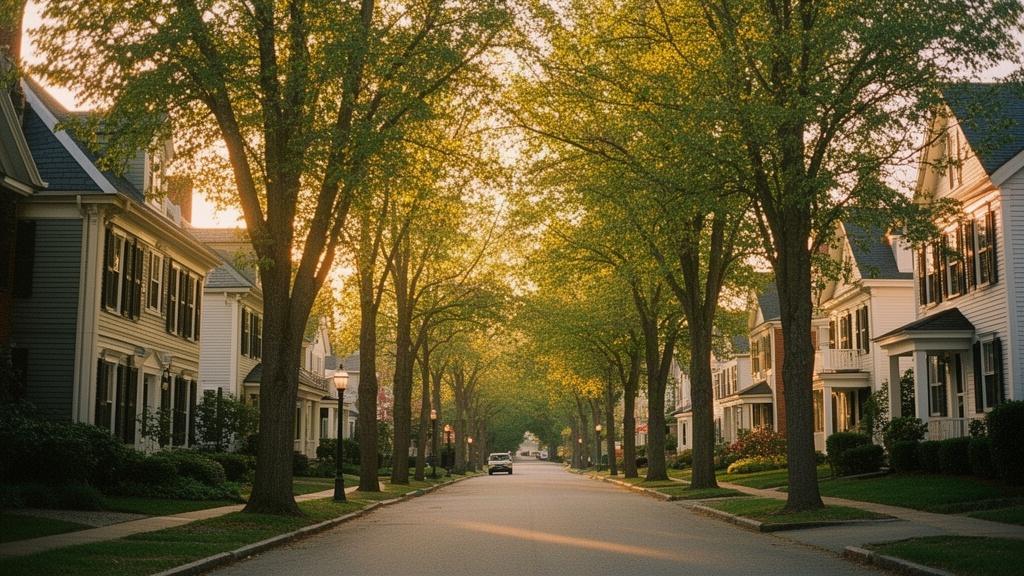
Neighborhoods in Saratoga Springs can be described by proximity to downtown, the Race Course, and the surrounding suburban corridors. This section gives a short, factual orientation so you can picture where each area sits on a map and what physical features are nearby.
Downtown and East Side
Downtown is centered on Broadway, circular Park Place and Congress Park. Expect row houses, Victorian homes and mixed-use buildings with retail below and apartments or condos above, short blocks, on-street parking and walking access to restaurants, the Saratoga Spa State Park and mineral springs.
North Broadway and High Rock
North of downtown along North Broadway and the High Rock area contains a mixture of older single family homes and midcentury houses. Lots tend to be moderate in size, and several streets slope toward creeks and small ravines that connect into the downtown drainage network.
South Broadway and West Side
South Broadway and the West Side show a wider mix of bungalow style houses, split levels and some newer infill. This area stretches toward the Saratoga Race Course and includes blocks with larger front yards and driveways, as well as pockets of multifamily buildings closer to commercial strips.
Geyser Crest, Congress Park corridor and surrounding suburbs
Geyser Crest and neighborhoods toward the town boundaries tend to include larger lot sizes, townhouse developments and newer subdivisions. These areas provide direct access to Route 50 and local shopping plazas, with short drives to Ballston Spa, Malta and Wilton.
2. Housing Stock, Lot Sizes and Typical Price Bands
This section lists the kinds of homes you will find, common lot sizes and an explanation of price bands to use when comparing listings. Use these details when pulling comparables or planning renovations.
Common housing types
Row houses and Victorian homes are concentrated in the core downtown blocks, while detached single family homes of various eras appear in the adjacent streets. Townhouses and condominium complexes are more common near Geyser Crest and along Route 50 corridors, and there are pockets of small apartment buildings near Skidmore College and commercial strips.
Lot size and yard expectations
Lot sizes vary from urban parcels under a quarter acre downtown to half acre or larger lots in outlying neighborhoods. If a yard, garage or driveway are priorities, focus on blocks off South and West Broadway or properties listed near the northern and western edges of the city.
Typical price bands and what they mean
Price bands in Saratoga Springs depend on size, lot, and proximity to downtown or the Race Course. When evaluating a listing, list the property features that most affect value locally, pull 3 to 5 recent comparable sales within one mile and the same school zone, and check permit history at the city building department.
- Small downtown units: apartments, condos or row homes
- Mid range single family homes: 1,200 to 2,400 square feet, moderate yards
- Larger properties and newer subdivisions: 2,500+ square feet, larger lots
3. Commute Times and Transportation
This section gives concrete commute distances, public transit notes and walkability facts to help you judge travel time from each neighborhood. Use the distances as starting points and time-check routes during your visits at the hour you would commute.
Driving distances to Albany and Clifton Park
Saratoga Springs is about 30 miles north of downtown Albany by Route 9, and 12 to 15 miles from Clifton Park depending on the route. Typical drive times vary with traffic; check drive times at your intended commute hour rather than relying on off-peak estimates.
Public transit and train options
Amtrak's Ethan Allen or Maple Leaf do not stop in downtown Saratoga; the closest passenger rail station is in Schenectady and Albany with bus options and regional carriers providing connections. Local CDTA and Saratoga county buses have routes that link major shopping centers and transfer points; check current schedules for exact stops.
Walkability and bike routes
Downtown blocks are highly walkable with short blocks and sidewalks, while neighborhoods near Route 50 and Geyser Crest are more car dependent. Saratoga has an expanding set of bike lanes and multiuse trails; bring measuring apps or drive the bike routes to evaluate grade and winter maintenance if cycling matters to you.
4. Parks, Recreation and Landmarks
Saratoga Springs neighborhoods are often defined by what is nearby: parks, the Race Course and the mineral springs. This section lists the physical amenities you will encounter and where to find them.
Congress Park and the mineral springs
Congress Park occupies a central block adjacent to Broadway and contains the historic mineral springs, fountains and walking paths. Properties facing or near the park have direct pedestrian access to downtown events and seasonal programming.
Saratoga Race Course and recreation spaces
The Race Course sits on the southern edge of the city and creates seasonal traffic and event parking in adjacent neighborhoods. Nearby municipal parks, playgrounds and the Saratoga Spa State Park offer golf, trails and cultural venues within a short drive or bike ride.
Trails, state parks and nearby lakes
The city is within a short drive of county trails, Moreau Lake State Park and sections of the Hudson River corridor; these are common weekend destinations for outdoor recreation. Look at trailheads, parking and seasonal closures when planning visits so you know how a home will connect to those amenities.
5. How to Use This Overview When Buying or Selling
This section gives actionable steps for buyers and sellers who want to use neighborhood facts the right way. Follow these checks to make local comparisons that will stand up in negotiations or when preparing a listing.
Which comparables to pull
Pull closed sales within one mile, the same school zone and within six months when possible. Match lot size, number of bedrooms and any updates such as finished basements or new roofs; if a property has a finished garage conversion, list that as an adjustment rather than assuming it is equal to original square footage.
Questions to ask your agent
Ask for a neighborhood tour that includes recent sales, a list of active listings and time-of-day drive tests to the places you will visit daily. Also request any available permit records and a short summary of utility providers and average winter snow removal routes for the streets you are considering.
Checklist for neighborhood visits
- Parking and driveway: Check overnight and event parking availability
- Noise and event traffic: Drive the block at a weekday morning and an evening
- Sun and shade: Note backyard sun exposure and mature trees for garden planning
- Cell service and internet: Test your provider at the property
Local data sources matter when you want to confirm physical facts about a neighborhood. For background reading on how neighborhoods are described in relocation guides, this Saratoga-area overview is helpful as an additional perspective: Saratoga Springs neighborhoods.
If you want a local agent to walk these neighborhoods with you, I am Bonnie Austin with Kelleher Realty LLC and I specialize in Saratoga Springs properties and neighborhood facts. I can prepare tailored comparables, schedule drive tests at the times you care about and point out permit and utility details specific to any listing.
Bonnie Austin I Licensed Real Estate Salesperson Kelleher Realty LLC 865 Route 29 Saratoga Springs NY 12866 Direct: 518-653-3937 Office: 518-368-0471 https://kelleherrealty.com/ https://dos.ny.gov/system/files/documents/2025/03/nys-housing-and-anti-discrimination-notice_02.2025.pdf