← Back to Blog
Local Living
Saratoga Springs NY Cost of Living: A Practical Relocator's Guide
By Bonnie Austin, Licensed Real Estate Salesperson
Kelleher Realty LLC
October 26, 2026 · 5 min read
Thinking about the Saratoga Springs NY cost of living? This guide breaks down housing, taxes, utilities, groceries, transportation, and neighborhood details to help buyers, sellers, and relocators budget accurately.
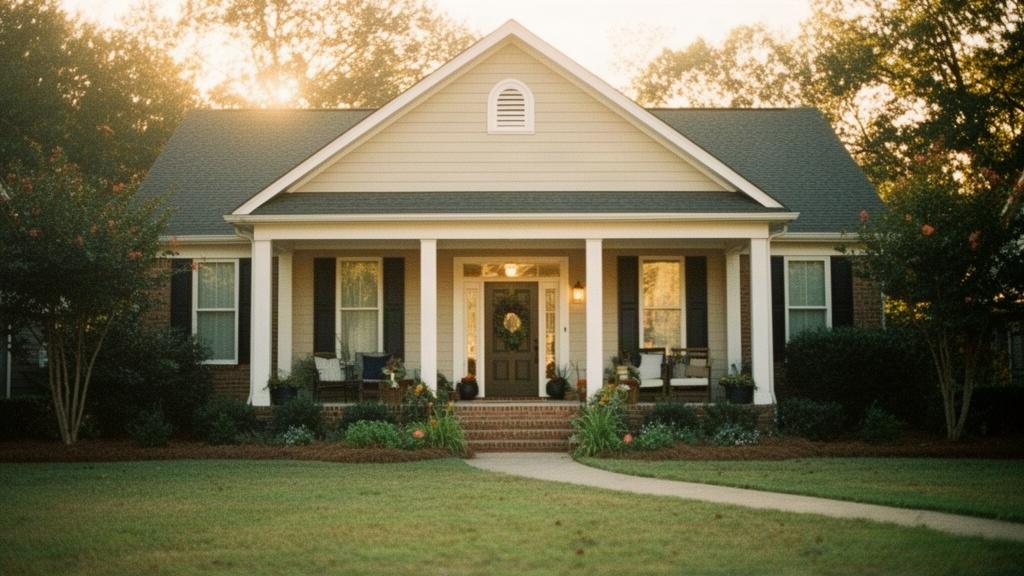
1. Housing Costs and What They Mean for Your Budget
Quick answer. Housing is the largest line item in the Saratoga Springs NY cost of living. To build an accurate budget, look at current sale prices for houses, condo association fees for units downtown, and typical mortgage and insurance payments for your loan size.
Median and range in Saratoga Springs
Median price: Check the latest local MLS for an up-to-date median sale price for Saratoga Springs; median gives a quick sense of the middle of the market and helps set expectations for financing and down payment requirements.
Housing types: Saratoga Springs has a mix of Victorian row homes near Broadway, midcentury and ranch houses in neighborhoods like Geyser Crest, and newer single family builds in the city outskirts. Lot sizes inside the grid are typically smaller than those in the city limits toward Route 50 and Geyser Road.
Condo fees and parking: Downtown condos often include condo association fees that cover water, exterior maintenance, and common areas; parking in the historic district is a separate cost to check, either via assigned spaces or city parking passes.
2. Taxes, Utilities, and Ongoing Monthly Expenses
Quick answer. Property taxes, utilities, and municipal charges make a meaningful difference in total monthly cost. Before you commit, verify the property tax bill for the specific parcel and ask for recent utility bills from the seller when possible.
Property tax elements to check
Utilities: Expect monthly hot water and heating costs to vary by home age and fuel type. Older Victorians with inefficient boilers can show higher winter bills than newer construction near Malta or North Broadway.
Internet and services: High-speed internet is widely available in the city core, but upload speeds and provider choices can change as you move toward rural edges of the school district. Confirm service addresses when budgeting remote work needs.
3. Daily Living Expenses: Groceries, Health Care, and Childcare
Quick answer. Groceries, healthcare, and childcare are influenced by where you shop and which providers you use. Saratoga has several local grocery options and regional health centers, so compare typical prices and fees for services you will use regularly.
Grocery stores and sample price checks
Local options: Saratoga has regional chains and specialty markets near Congress Park. For a quick price reality check, compare a weekly basket at the supermarket on Broadway with one from the larger stores off Route 50; differences can add up monthly.
Health care access: There are clinics and specialists in Saratoga Springs and larger hospitals in nearby Albany; routine copays and prescription costs will depend on your plan and pharmacy. Check in-network providers before you relocate.
Childcare and schools: Daycare centers and preschool programs in the city show a range of monthly fees depending on hours and age. For accurate budgeting, call local providers for current rates and vacancy lists.
4. Transportation, Commutes, and Parking Costs
Quick answer. Commuting choices change the transportation portion of your cost of living. Decide whether you will drive to Albany, use regional transit, or bike locally, and add parking, tolls, and fuel to your monthly estimate.
Drive times and distances
Commute examples: Typical drive time from central Saratoga Springs to downtown Albany ranges by route and traffic; commuters from Malta and Round Lake will see different travel times. Use live mapping for precise commute estimates at your usual times.
Public transit and rail: Regional bus services and Amtrak stops near Saratoga support some commutes; schedules and fares should be compared to driving costs when deciding what to factor into your budget.
Parking in the city: Downtown parking includes metered spaces and municipal lots. If you plan to live inside the core near Broadway or Union Avenue, add potential monthly garage or permit fees if you need guaranteed parking.
5. Putting It Together: Creating a Local Monthly Budget
Quick answer. Build a monthly budget that starts with housing, then layers taxes, utilities, groceries, transportation, and incidentals. Use local data where possible and include a 5 to 10 percent buffer for variable costs tied to seasons or school schedules.
Sample budget line items
- Mortgage or rent: Use your target monthly payment for the specific property or area in Saratoga Springs
- Property tax and insurance: Check the parcel tax bill and get a local homeowners insurance quote
- Utilities and internet: Ask sellers or landlords for recent bills for heat, electric, and water
- Transportation: Include fuel, public transit passes, and any parking fees
- Groceries and healthcare: Price-check local stores and providers
Next steps when you are ready: Gather three comparable sales for the block where you plan to live, request recent utility and tax bills from sellers, and get preapproved so you know your true housing budget. If you are selling, calculate your net proceeds using local tax and closing cost estimates.
Local expert help: If you want help assembling local comparables, interpreting a property tax bill, or building a Saratoga Springs budget that fits your household, contact Bonnie Austin of Kelleher Realty LLC. Bonnie works in the city and surrounding towns and can provide parcel-specific numbers and neighborhood details.
Bonnie Austin I Licensed Real Estate Salesperson Kelleher Realty LLC 865 Route 29 Saratoga Springs NY 12866 Direct: 518-653-3937 Office: 518-368-0471 https://kelleherrealty.com/ https://dos.ny.gov/system/files/documents/2025/03/nys-housing-and-anti-discrimination-notice_02.2025.pdf