← Back to Blog
Market Trends
The Spa City Area of Saratoga Springs Real Estate Market Guide: Prices, Neighborhoods and Timing
By Bonnie Austin, Licensed Real Estate Salesperson
Kelleher Realty LLC
September 4, 2026 · 15 min read
Saratoga Springs, New York, known locally as the Spa City, carries a real estate market unlike anything else in the Capital Region. This guide covers what buyers, sellers, and people relocating to the Spa City area of Saratoga Springs need to know right now: current price ranges, what the housing stock actually looks like district by district, and how the calendar shapes your timing as a buyer or seller.
1. What Makes the Spa City Real Estate Market Distinct
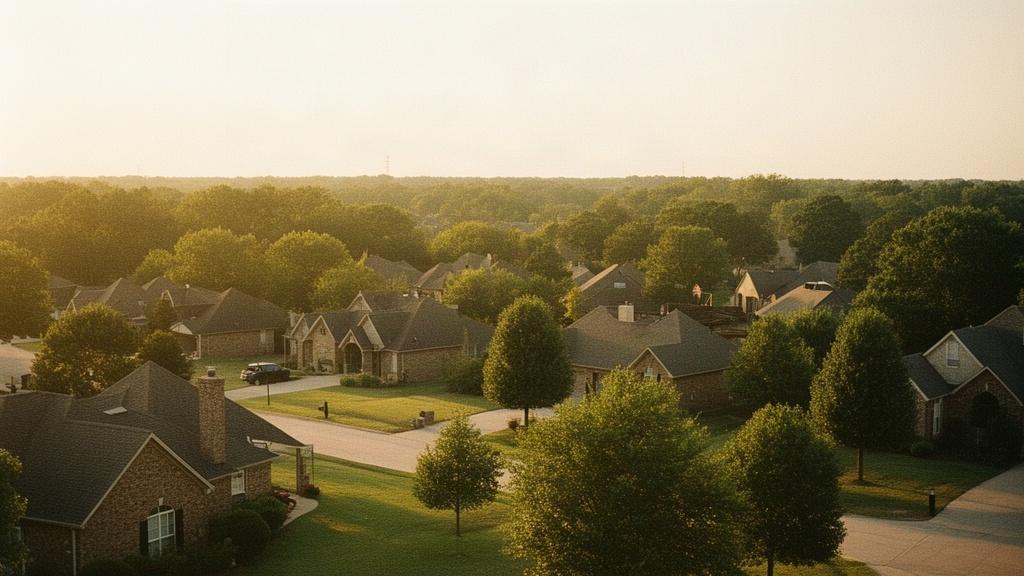
**Saratoga Springs stands apart from every other market in the Capital Region. The city's identity as a historic mineral spa destination, a world-class thoroughbred racing hub, and a performing arts center all compress into roughly 28 square miles and about 28,000 to 30,000 permanent residents. That combination creates demand that does not behave the way demand behaves in Albany, Schenectady, or Troy.
A City Built Around a Singular Identity
Saratoga Spa State Park sits at the geographic and cultural center of the city. The park's 2,379 acres contain mineral springs, the Saratoga Performing Arts Center (home to the Philadelphia Orchestra's summer residency and a full concert season), two golf courses, pools, and miles of walking trails. Properties within a short walk or bike ride of the park carry a consistent price premium that buyers notice immediately when they compare listings.
Broadway, the city's main commercial corridor, runs through the heart of downtown toward Congress Park and the historic mineral springs. The blocks surrounding Broadway contain some of the most recognizable Victorian architecture in Upstate New York, and that streetscape directly influences how buyers perceive and price the surrounding residential blocks.
How the Racing Season Reshapes the Market Each Year
The Saratoga Race Course, which hosted its inaugural thoroughbred meet in 1863, runs its summer racing season from mid-July through Labor Day weekend each year. During those eight weeks, the city's population swells significantly, short-term rental demand peaks, and the visibility of Saratoga Springs reaches a national audience. That annual cycle has a measurable effect on when sellers choose to list and when buyers feel the most urgency.
Buyers relocating to the Spa City area often first visit during the racing season and then begin their home search in September and October, which is one reason fall inventory in Saratoga Springs tends to move faster than in comparable Upstate cities. Understanding that cycle is part of understanding this market.
2. Current Prices in the Spa City Area of Saratoga Springs
**As of late 2026, the Saratoga Springs market remains competitive in most price bands, with limited inventory relative to buyer demand. Median single-family closed sale prices in the city proper typically run in the $680,000 to $800,000 range, though that figure moves considerably depending on the specific street, the age of the home, and proximity to downtown or Saratoga Spa State Park. Entry-level single-family homes—such as smaller colonials and ranches on the city's outer residential streets—are generally available in the $425,000 to $500,000 range. Historic Victorians within walking distance of Broadway regularly list above $750,000 and frequently command competitive offers near or above asking price.
For additional context on how these numbers compare to the broader Capital Region, NeighborhoodScout's Saratoga Springs appreciation data tracks long-term home value trends and can help buyers understand how the city has performed over time relative to national benchmarks.
What Buyers Are Paying Right Now
Condominiums and townhomes in the Spa City area currently range from roughly $320,000 for a one- or two-bedroom unit in an older complex on the city's edges to $600,000 or more for newer attached construction closer to downtown. The condo market in Saratoga Springs is smaller than in some comparable cities, which means well-priced units in desirable complexes often receive multiple offers within days of listing
Luxury and estate properties, which in Saratoga Springs typically means homes above $1.2 million, include large Victorians on North Broadway, newer custom builds on the city's northern edge near Saratoga Lake, and restored historic properties with carriage houses or significant acreage. That segment has seen steady buyer interest from out-of-area purchasers, particularly from the New York City metro area, who treat Saratoga Springs as a primary residence or a seasonal base.
Price Trends Worth Watching in September 2026
Days on market for single-family homes in Saratoga Springs currently averages in the low-to-mid twenties, which is short by historical standards and reflects how quickly well-priced listings are being absorbed. Homes that sit longer than 45 days are almost always either overpriced relative to condition or carrying a specific issue that buyers are pricing in. The list-to-sale price ratio for homes that sell within the first two weeks of listing has been consistently above 100 percent in the most active price bands, meaning buyers are still competing.
If you are tracking the broader market picture alongside this guide, the article on Saratoga Springs housing market trends covers inventory shifts, mortgage rate context, and what the supply side of this market looks like heading into fall 2026.
3. The Neighborhoods That Make Up the Spa City Area
*Saratoga Springs does not have formally named neighborhoods in the way some larger cities do, but buyers and longtime residents recognize distinct pockets of the city by their character, housing stock, and relationship to the city's core. Each area has its own price dynamics, lot sizes, and architectural identity. Knowing these distinctions before you search will save you significant time.
The Historic Downtown Core
The streets immediately surrounding Broadway—including Circular Street, Union Avenue, and the residential blocks extending toward Congress Park and the Beekman Street corridor—contain the city's densest concentration of Victorian-era architecture. Homes here are typically two-and-a-half to three-story structures on narrow lots, often featuring original millwork, wraparound porches, and updated mechanical systems. Because many were converted into multi-unit rentals during the mid-20th century and later converted back to single-family residences, buyers should carefully review building permit histories and zoning compliance during due diligence.
Walkability in this part of the city is genuine. Phila Street, the Beekman Street Arts District, and the residential side streets off Broadway put local dining, the outdoor seasonal Saratoga Farmers' Market at High Rock Park, Congress Park, and historic mineral spring pavilions within a quick ten-minute walk of most front doors. That seamless pedestrian access is a primary driver of the sustained property value premium in this downtown corridor.
The East Side and Circular Street Corridor
Moving east from downtown toward Saratoga Lake—or north along the residential corridors surrounding the Skidmore College campus—the housing stock transitions from dense Victorian blocks to a mix of mid-century colonials, split-levels, and Cape Cods on larger lots. Lot sizes in these outer residential corridors often run from a quarter-acre to just under half an acre, offering notably more private green space than the downtown core. Prices generally range from the upper $400,000s to the $700,000s+ depending on interior updates, square footage, and lot position.
Union Avenue, which connects downtown to the Saratoga Race Course, is one of the most recognizable historic thoroughfares in the city. Lined with a canopy of mature maples and oaks and grand historic estates, many of these homes have remained within the same families for generations. When properties on or directly adjacent to Union Avenue do come to market, they consistently command strong interest and sell well above the surrounding citywide median.
The West Side and Geyser Road Area
West of Saratoga Spa State Park and along the Geyser Road corridor, the city opens into established suburban residential enclaves—such as Geyser Crest—featuring a mix of postwar ranches, raised ranches, split-levels, and newer colonial-style homes. Streets here carry a quiet, suburban character with larger lot sizes that accommodate attached garages, private backyards, and garden spaces. Buyers seeking practical floor plans, neighborhood elementary schools, and a straightforward commute to Interstate 87 (the Northway via Route 50/Exit 13) often focus their search on this southwest sector of the city.
The Geyser Crest area, which sits in this western corridor, has its own distinct character worth understanding in detail. The article on the Geyser Crest neighborhood in Saratoga Springs provides a street-level breakdown of what buyers find there. Prices in the broader west side corridor generally run from the low $400,000s to the mid-$600,000s.
The Northside and Surrounding Village Edge
The northern edge of the city—approaching the municipal boundary with the Town of Wilton—contains a mix of modern subdivisions built between the 1990s and 2010s, as well as classic farmhouse-style properties on larger parcels. Buyers seeking newer construction featuring attached multi-car garages, open-concept floor plans, and primary suites often focus their search in this northern sector of Saratoga Springs. Here, homes in the $550,000 to $750,000+ range typically offer significantly more overall square footage and larger lot sizes per dollar than the dense downtown historic core.
Saratoga Lake—located just minutes southeast of downtown along the Route 9P corridor—adds another distinct, high-demand segment to the regional housing market. The shoreline spans four surrounding municipalities (the City of Saratoga Springs and the Towns of Malta, Stillwater, and Saratoga), meaning tax rates and municipal regulations vary depending on exact location. Lakefront and deeded lake-access properties carry significant value premiums, with direct waterfront homes routinely priced from $800,000 to well over $1.5 million+ depending on linear water frontage, dock permit status, and depth. Year-round lake living in this region remains a compelling draw for relocating buyers and seasonal residents alike.
4. Housing Stock: What You Will Actually Find for Sale
**The Spa City area of Saratoga Springs offers a wider range of housing types than most upstate New York cities of comparable size. That variety is one of the reasons the market attracts buyers at many different price points and life stages—from entry-level buyers exploring single-family homes on outer residential streets ($425,000–$500,000), to condo/townhome seekers ($320,000–$600,000+), to buyers targeting mid-tier single-family residences ($680,000–$800,000) and luxury historic estates ($1.5M+). Knowing what to expect in each category helps you search more efficiently.
Victorian and Craftsman Architecture
Saratoga Springs boasts one of the most intact Victorian residential streetscapes in New York State. Homes built between roughly 1870 and 1910 line the downtown historic core and primary avenues, with many meticulously maintained or restored. Buyers considering this architectural style should factor in ongoing maintenance of original exterior wood details, system modernization (plumbing, electrical, heating), and seasonal heating considerations.Important Advisory: Properties located within Saratoga Springs’ designated Historic Overlay Districts fall under the jurisdiction of the City’s Design Review Commission (DRC). Exterior alterations, window replacements, siding changes, and roof modifications require formal DRC approval prior to work commencing. Additionally, owner-occupied historic properties in eligible census tracts may qualify for the New York State Historic Homeowner Tax Credit, which can cover up to 20% of qualified rehabilitation costs. The trade-off for stewardship is incomparable ceiling height, original craftsmanship, and irreplaceable lot positioning.
New Construction and Infill Development
New construction within the city limits of Saratoga Springs is naturally constrained by available land, but infill development on former commercial or underutilized parcels—alongside master-planned communities on the city's northern and western edges—has added key inventory. Single-family new builds in these suburban corridors feature modern energy efficiency, open-concept layouts, attached two- or three-car garages, and high-performance insulation. Single-family new construction in the Saratoga Springs market generally begins in the mid-to-upper $600,000s and moves quickly into the $800,000–$1M+ range with lot premiums, finished basements, and structural upgrades. Attached twin homes and maintenance-free townhome communities offer entry points starting in the low $500,000s.
Buyers who want new construction but are open to surrounding municipalities should also look at Wilton and Malta, which border Saratoga Springs directly to the north and south respectively. Both towns offer additional single-family and townhome new-build inventory—often at slightly lower price points per square foot and with distinct municipal tax structures. The guide on houses for sale in Wilton, NY covers what that neighboring market looks like for buyers who want close proximity to the Spa City alongside expanded suburban lot options.
Condos and Attached Housing
The condo and townhome inventory in Saratoga Springs is concentrated across key urban and suburban nodes, including luxury downtown developments along Broadway, Railroad Place, and Union Avenue, as well as established complexes along the Route 9, Excelsior Avenue, and Weibel Avenue corridors. Monthly HOA and common charges in these communities vary based on age, scale, and service levels—ranging from $250–$400/month for basic exterior maintenance and landscaping to $600–$1,000+/month in luxury downtown buildings offering underground heated garage parking, elevators, fitness facilities, and full-time concierge services.
5. Timing the Spa City Market as a Buyer or Seller
**Timing in the Spa City area of Saratoga Springs is more nuanced than in most upstate markets because the racing season creates a demand spike that does not exist anywhere else in the region. Understanding how the calendar maps onto buyer and seller behavior here can meaningfully affect your outcome. Spring Launch Window (April – Mid-June): Primary-home buyers and investors target early spring listings to close and secure possession prior to the summer racing calendar. Mid-Summer Racing Hold (July – Labor Day): Active buyer traffic shifts heavily toward tourism and short-term track rentals. Sellers often hold off on new launches unless targeting high-net-worth track clientele or turnkey luxury properties. The Fall Surge (Post-Labor Day – November): A distinct second peak occurs as track activity winds down. Local buyers re-enter a less distracted market, and seasonal homeowners evaluate whether to list before winter.
The Spring Window
March through early June is the most active listing season in Saratoga Springs, consistent with broader Upstate New York spring market patterns. Sellers who launch listings during this window gain access to the year's largest pool of active buyers—many of whom aim to contract and close prior to summer.While spring buyers benefit from the highest volume of fresh inventory, they also face intense competition. Multiple-offer scenarios and sales at or above asking price are frequent across well-priced properties in the downtown core, East Side, and track-adjacent neighborhoods. With median days on market hovering around two weeks during the spring surge, buyers must arrive with pre-approvals and purchase strategies fully prepared.
For a detailed look at how to position a home for sale in this market, the article on selling a home in Saratoga Springs walks through pricing strategy, preparation timelines, and what sellers should expect from offer to closing in this specific market.
Summer and the Racing Season Premium
June through Labor Day is the period when Saratoga Springs is most visible to outside buyers. Visitors arriving for the Saratoga Race Course summer meet, SPAC concert season, and downtown cultural events frequently transition from seasonal tourists to prospective second-home or investment buyers. Sellers who list in late June or early July capture this high-net-worth audience while the city's lifestyle amenities are on full display. However, listing during track season requires tactical showing mechanics. Local primary-home buyers often step back temporarily during July and August to avoid heavy seasonal traffic along major thoroughfares (Union Avenue, Nelson Avenue, and Route 9). To navigate these seasonal logistics, sellers should schedule showings during morning windows (before 10 a.m.), leverage midweek "dark days," and avoid scheduling open houses during high-traffic racing events like Whitney Day or Travers Saturday.
Buyers searching during the peak summer racing season must be prepared to act decisively. Properties entering the market in July and August frequently attract out-of-area buyers who are highly motivated and occasionally willing to submit un-contingent offers to secure a home before their visit ends. That accelerated pace can present challenges for local buyers who require standard contract timelines. While moving quickly is essential, buyers should always consult with their real estate attorney before waiving standard mortgage, appraisal, or home inspection contingencies. Partnering with a dedicated local representative who tracks new Global MLS listings in real time ensures you can tour properties promptly while keeping your contractual interests protected.
Fall and Winter Opportunities
September through November brings a secondary wave of buyer activity in Saratoga Springs, driven largely by individuals and families who visited during the summer and are now prepared to act. While overall active inventory thins compared to the spring rush, buyer competition also softens across several price bands. Sellers who launch or adjust listings in September and October are typically highly motivated to finalize contracts before winter sets in. Buyers searching in this autumn window frequently find enhanced negotiating leverage on contract terms and inspection remedies compared to the competitive spring market.
December through February is the slowest period in the Spa City market, but it is far from inactive. Homes listed during the winter months are often priced competitively by sellers who are motivated to close before spring. Buyers searching in this window encounter significantly less competition, providing a distinct window of opportunity. Winter Buyer Strategy & Due Diligence:Contractual Contingency Holds: Because winter conditions prevent the testing of exterior mechanicals—such as central air conditioning, inground pools, and outdoor irrigation—buyers should work with their real estate attorney to draft appropriate seasonal inspection escrow or post-closing holdback clauses.System & Roof Evaluation: Winter showings offer a clear look at insulation efficiency, ice damming risks, heating system performance, and snow load management on historic or flat rooflines.Pre-Spring Positioning: Securing mortgage pre-approval and finalizing target neighborhood criteria prior to the winter months ensures you can act immediately when high-value inventory launches.
If you are weighing whether to buy now or wait, the article on whether right now is a good time to buy in Saratoga Springs lays out the current rate environment, inventory picture, and the factors that most influence that decision for buyers at different price points.
For a broader overview of buyer strategy in this market, the Saratoga Springs real estate guide for serious buyers offers additional context on what to expect from the search and offer process in this competitive city.
Bonnie Austin | Licensed Real Estate Salesperson Kelleher Realty LLC 📞 Brokerage Office: 518-368-0471 📱 Cell: 518-653-3937 📍 Saratoga County, NY 🏠 Equal Housing Opportunity (Data source: Global MLS & Saratoga market trends. Real estate market strategies, offer dynamics, and search protocols are for informational purposes, deemed reliable, and subject to client representation terms.)