← Back to Blog
Neighborhoods
What Is It Actually Like to Live in the Eagle Rock Neighborhood of Los Angeles Day to Day
By Breezy Zappia
September 29, 2026 · 10 min read
Eagle Rock sits in the northeastern corner of Los Angeles, tucked between Glendale, Pasadena, and Glassell Park, and it has a rhythm that feels noticeably different from most of the city. If you are trying to figure out what it is like to live in the Eagle Rock neighborhood of Los Angeles day to day, this guide covers the street-level details: housing stock and prices, morning commutes, where people eat and shop, what the parks look like, and how the real estate market sits right now in September 2026.
1. The Physical Character of Eagle Rock
Eagle Rock is a geographically distinct neighborhood. Its name comes from a large boulder on the hillside near the intersection of Figueroa Street and Eagle Rock Boulevard, where shadows cast by the sun create the silhouette of an eagle in flight. That rock is a real local landmark, not a marketing invention, and it anchors the neighborhood's identity in a way that feels grounded rather than manufactured.
The neighborhood covers roughly 3.5 square miles and sits at an elevation that gives many streets a slightly hilly character, particularly north of Colorado Boulevard toward the Occidental College campus. The street grid is a mix of flat commercial corridors and winding residential lanes that climb into the hillsides, which means the driving experience can vary a lot depending on which block you are on.
The Rock Itself and the Street Grid
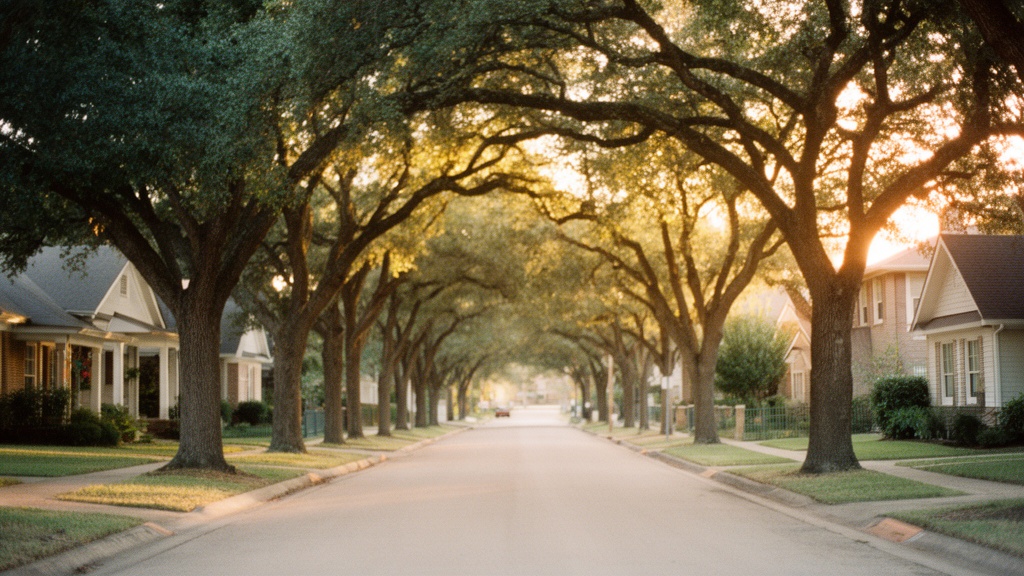
Eagle Rock Boulevard and Colorado Boulevard are the two main commercial spines. They intersect near the geographic center of the neighborhood and form the core of daily foot traffic. Side streets branch off into quiet blocks lined with mature trees, and the overall density is lower than Silver Lake or Los Feliz, which gives the neighborhood a more open feel even though it is fully urban.
The Arroyo Seco Parkway runs along the western edge of the neighborhood, which is one of the main reasons Eagle Rock has stayed relatively insulated from the traffic congestion that defines many other parts of Los Angeles. The parkway connects directly to the 110 Freeway, giving residents a fast on-ramp to downtown without having to navigate surface streets for long.
Housing Stock and Architecture
The residential blocks of Eagle Rock are dominated by Craftsman bungalows built between the 1910s and 1940s, Spanish Colonial Revival homes, and mid-century ranch houses. Many of these homes sit on lots between 5,000 and 7,500 square feet, with detached garages, front porches, and mature landscaping. It is not unusual to find original hardwood floors, built-in bookshelves, and period tile work still intact in homes that have been carefully maintained over the decades.
There is also a smaller stock of newer construction, including some duplexes and small multi-unit buildings near the commercial corridors, but the overwhelming character of the residential streets is single-family homes. Condos exist but are not the dominant housing type here the way they are in neighborhoods closer to the Westside.
2. What Homes Cost and What the Market Looks Like Right Now
Eagle Rock sits in a price range that is more accessible than Silver Lake or Los Feliz but still reflects the demand for northeastern Los Angeles. As of September 2026, the median sale price for a single-family home in Eagle Rock is running in the range of $1.05 million to $1.2 million, depending on size, condition, and whether the home is on a flat lot or in the hills. That figure has held relatively steady through the first three quarters of 2026 after a period of modest appreciation in late 2025.
Median Prices in September 2026
Entry-level homes in Eagle Rock, meaning smaller Craftsman bungalows under 1,200 square feet that need updating, are coming to market in the high $800,000s to low $900,000s. Move-in-ready homes with renovated kitchens and bathrooms in the 1,400 to 1,800 square foot range are typically priced between $1.1 million and $1.45 million. Larger homes on premium lots, or homes with ADUs already built, are pushing past $1.5 million.
For context on how this compares to nearby neighborhoods, the average home price in Silver Lake right now in September 2026 is running higher than Eagle Rock, which is part of why buyers who want a similar walkable, tree-lined residential feel are increasingly looking east toward Eagle Rock and Glassell Park.
What Your Budget Gets You
At around $1.1 million, a buyer in Eagle Rock can typically land a two-bedroom, one-bath Craftsman bungalow with around 1,100 to 1,300 square feet, a detached garage, and a backyard. At $1.3 million to $1.5 million, three-bedroom homes with updated interiors and sometimes a guest unit or studio above the garage become realistic. The ADU market here is active, and many sellers have already converted garages into permitted rental units, which adds income potential that some buyers factor into their offers.
Inventory in Eagle Rock tends to be tighter than in some larger Los Angeles submarkets. Homes that are priced correctly and presented well are still receiving multiple offers within the first two weeks, particularly below $1.2 million. If you are navigating this process for the first time, understanding the steps from offer to closing in Los Angeles will help you move quickly when the right home comes up.
3. Daily Commutes Out of Eagle Rock
One of the more practical questions about living in Eagle Rock day to day is how long it takes to get somewhere. The honest answer is that Eagle Rock is well-positioned for northeastern Los Angeles destinations and manageable for downtown, but the Westside is a real commitment. Commute times vary significantly by time of day and direction.
Driving to Downtown, Pasadena, and the Westside
Downtown Los Angeles is about 8 miles from Eagle Rock via the 110 Freeway. In off-peak hours, that drive takes 15 to 20 minutes. During morning rush hour heading south, expect 30 to 45 minutes on a typical weekday. Pasadena is even closer: roughly 5 miles east via the 134 Freeway or surface streets, and the drive is often 15 minutes or less outside of peak times.
The Westside is where commutes get harder. Santa Monica is about 22 miles from Eagle Rock, and the 10 Freeway through downtown can stretch that drive to 60 to 90 minutes during peak hours. Century City and Culver City are similarly distant in time if not in miles. Residents who work on the Westside regularly tend to build their schedules around early departures or remote work days.
Public Transit Options
Eagle Rock has reasonable Metro bus access along Colorado Boulevard and Eagle Rock Boulevard, with connections to the Gold Line (now the A Line) at the Highland Park and Southwest Museum stations, both within a few miles. From Highland Park station, the A Line runs directly into downtown Pasadena to the east and connects to the broader Metro rail network to the west, including Union Station.
For residents who work downtown or in Pasadena, the combination of bus and rail is genuinely usable, though it adds time compared to driving. For Westside destinations, public transit is a much longer journey and most residents drive. Occidental College, located in the northern part of the neighborhood, also runs its own shuttle service that connects to nearby transit hubs.
4. Where People Eat, Shop, and Spend Time
The day-to-day commercial life of Eagle Rock is concentrated along Colorado Boulevard, which runs east-west through the heart of the neighborhood. This stretch has evolved considerably over the past decade and now includes a mix of independent restaurants, coffee shops, bookstores, wine bars, and specialty grocery options alongside older neighborhood staples that have been there for generations.
Colorado Boulevard as the Main Artery
Highlights along Colorado include Colombo's Restaurant, a neighborhood institution that has been serving Italian food since 1953. There are also several well-regarded coffee shops, including a location of Tierra Mia Coffee, which is a Los Angeles-based chain with roots in the Latino community. The Capri Club and other small bars and music venues have added to the evening scene in recent years.
For groceries, residents use a mix of options. There is a Vons on Colorado Boulevard for everyday shopping, and the Eagle Rock Plaza, a full indoor mall at the eastern end of the neighborhood near the 134 Freeway, includes a Target and several chain stores. For specialty or organic groceries, many residents drive to the Whole Foods in Pasadena or the co-op markets in nearby Highland Park.
According to the Eagle Rock neighborhood guide on Movoto, the neighborhood scores well for walkability along its commercial corridors, though the hillside residential streets are more car-dependent. That tracks with what residents experience: errands near Colorado Boulevard can be done on foot, but getting anywhere from the quieter residential blocks typically requires a car.
Parks and Outdoor Space
Eagle Rock has several parks woven through the neighborhood. Yosemite Recreation Center on Yosemite Drive is the largest, with athletic fields, a gym, and a pool. Delevan Drive Recreation Center is a smaller facility with a playground and courts. The Arroyo Seco, which forms the western boundary of the neighborhood, offers a multi-use path that connects to the broader Arroyo Seco trail system running south toward Pasadena and north toward Altadena.
The Occidental College campus at the northern edge of the neighborhood is also a de facto green space for many residents. The campus grounds are open and include walking paths, a pond, and significant tree canopy. It is not a public park, but the college has historically maintained an open relationship with the surrounding community.
5. What Living in Eagle Rock Day to Day Actually Feels Like
Understanding what it is like to live in the Eagle Rock neighborhood of Los Angeles day to day means looking past the real estate listings and thinking about the texture of ordinary weekdays and weekends. The neighborhood has a slower pace than Hollywood or Silver Lake, with less foot traffic and a quieter street presence on most residential blocks. Morning activity picks up along Colorado Boulevard at the coffee shops and the handful of breakfast spots, and evenings tend to concentrate at the restaurants and bars on the same corridor.
The Pace and the Community Texture
Eagle Rock has a long history as a working-class and middle-class neighborhood, and that history is still visible in the mix of long-term homeowners, renters, and newer arrivals. The neighborhood has a well-established arts presence, partly anchored by Occidental College and partly by independent studios and galleries that have operated along the commercial corridors for years. The Eagle Rock Music Festival, held annually, draws residents from across the neighborhood and beyond.
The neighborhood is also home to a significant number of small businesses that have operated for decades, which gives Colorado Boulevard a different character than newer commercial strips in other parts of Los Angeles. You will find a Vietnamese restaurant next to a vintage clothing shop next to a decades-old auto repair place, and that mix is part of what makes the street feel lived-in rather than curated.
Things Worth Knowing Before You Move
Parking on the residential streets is generally easier than in denser Los Angeles neighborhoods, though blocks close to Colorado Boulevard and the commercial strips can fill up on weekends. Most single-family homes come with a garage or driveway, which removes the street-parking anxiety that plagues many buyers in Hollywood or Silver Lake.
Noise levels on the residential streets are low by Los Angeles standards. The main sources of noise are Colorado Boulevard and Eagle Rock Boulevard themselves, and homes set back from those corridors on side streets tend to be noticeably quieter. The 134 Freeway generates some ambient noise in the eastern part of the neighborhood near the Eagle Rock Plaza, and buyers sensitive to freeway sound should factor that into their search.
For buyers researching the broader Los Angeles market, the homes for sale in Los Angeles buyer's guide covers how to approach the search across different neighborhoods and price points, which can help you put Eagle Rock in context against other areas you are considering.
For a broader overview of how the neighborhood compares across multiple data points, the LA Metro Home Finder guide to living in Eagle Rock pulls together transit scores, housing data, and local business information in one place and is worth reviewing as part of your research.
FAQ
How far is Eagle Rock from downtown Los Angeles?
Eagle Rock is approximately 8 miles from downtown Los Angeles via the 110 Freeway. In off-peak traffic, that drive takes 15 to 20 minutes. During morning rush hour heading south on a typical weekday, expect the drive to take 30 to 45 minutes. The neighborhood's access to the Arroyo Seco Parkway makes the connection to downtown more direct than it is from many other northeastern Los Angeles neighborhoods, and the A Line light rail is accessible within a short drive or bus ride for those who prefer not to drive.
What types of homes are most common in Eagle Rock?
The dominant housing type in Eagle Rock is the single-family Craftsman bungalow, most of which were built between the 1910s and 1940s. Spanish Colonial Revival homes and mid-century ranch houses are also common. Lot sizes typically run between 5,000 and 7,500 square feet, and many homes retain original architectural details including hardwood floors, built-in cabinetry, and period tile work. Condos and multi-unit buildings exist near the commercial corridors but are a smaller share of the overall housing stock. ADUs have become increasingly common as homeowners convert garages and add accessory units to their properties.
What should I research on my own before buying in Eagle Rock?
Buyers should research schools through the Los Angeles Unified School District's official website and the California Department of Education's school finder, which provide enrollment data, test scores, and program information for all public schools serving the area. For information on crime statistics, the Los Angeles Police Department publishes neighborhood-level data through its CompStat tool, which is publicly available online. For demographic and census information, the U.S. Census Bureau's data explorer allows you to look up detailed population and income data by census tract. These are personal decisions that each buyer should evaluate based on their own priorities, and reviewing primary sources directly is the most reliable approach.