← Back to Blog
Market Trends
Highland Park Dallas Real Estate Market Guide: Prices, Neighborhoods and Timing
By Brian McNulty
United Real Estate Dallas
September 7, 2026 · 11 min read
Highland Park is one of the most closely watched real estate markets in all of North Texas, and for good reason: it sits entirely within Dallas County yet operates as its own municipality, with a distinct housing stock, its own city services, and price points that routinely outpace the broader Dallas metro. This Highland Park Dallas real estate market guide covers current prices, what the different pockets of the town look like on the ground, and how to think about timing whether you are buying, selling, or relocating from out of state.
1. What Makes Highland Park Its Own Market
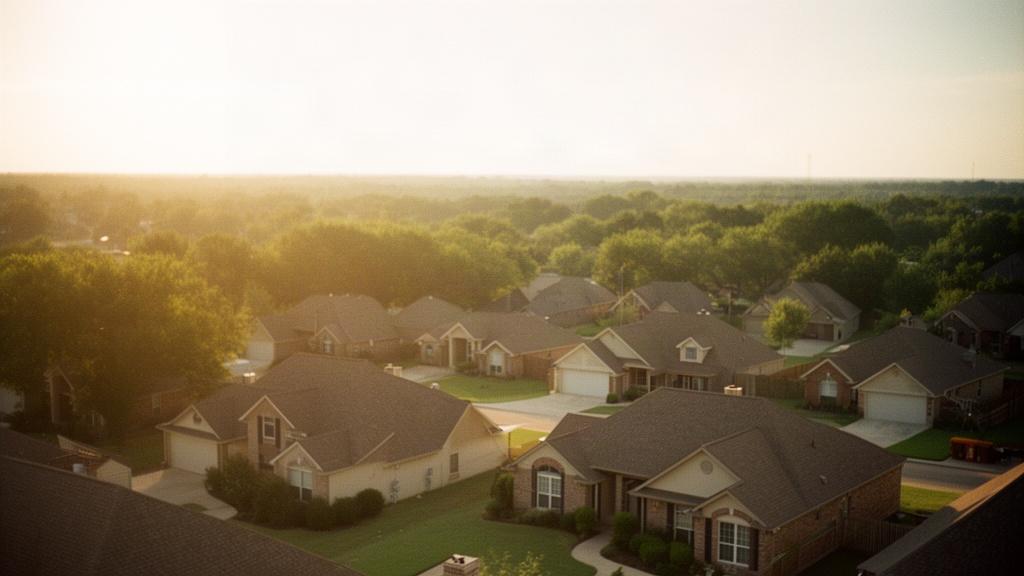
Highland Park is a separate municipality entirely enclosed within the city of Dallas. It covers roughly 2.2 square miles and is bordered by University Park to the north, the Dallas neighborhoods of Oak Lawn and Turtle Creek to the south and west, and Greenway Parks to the east. Because it has its own city government, its own public works, and its own zoning authority, real estate decisions here play by rules that differ from the broader City of Dallas code. That distinction matters when you are evaluating renovation potential, lot coverage limits, or setback requirements on a specific parcel.
A Town Inside a City
Highland Park was incorporated in 1913 and developed largely between 1915 and 1940, which explains the architectural consistency you see walking the streets today. The town was master-planned by Wilbur David Cook, the same landscape architect behind Beverly Hills, California. The curvilinear street grid, the wide parkways along Armstrong Parkway and Mockingbird Lane, and the integration of Turtle Creek Boulevard into the residential fabric were all intentional design choices, not organic growth. That planning legacy is baked into the property values.
Housing Stock and Architecture
The dominant architectural styles are Tudor Revival, Colonial Revival, French Eclectic, and Mediterranean, most built between 1920 and 1955. You will also find a meaningful number of mid-century modern homes, particularly on the interior streets south of Mockingbird. New construction exists but it is constrained: the town has very little undeveloped land, so new homes almost always replace teardowns, and the replacement structures must comply with Highland Park's design review process. Homes here tend to run between 3,000 and 9,000 square feet, with the largest estates concentrated along Beverly Drive, Lexington Avenue, and the streets closest to Turtle Creek.
Lot Sizes and Street Layout
Lot sizes in Highland Park typically range from about 8,500 square feet on the smaller interior blocks to well over half an acre on the estate streets near the creek. The town's zoning code is restrictive about impervious cover, meaning that buyers who want to add a pool, expand a driveway, or build a detached garage need to review the existing coverage before assuming those additions are possible. This is one of the most common surprises buyers encounter when they move from concept to contract.
2. Highland Park Dallas Home Prices Right Now
As of September 2026, Highland Park remains one of the highest-priced residential markets in Texas. The median sold price for a single-family home in the 75205 zip code, which covers most of Highland Park, is hovering near $3.2 million, with the average sold price tracking closer to $4.1 million when estate-sized properties are included. Those figures represent a modest softening from the peak years of 2022 and early 2023, when multiple-offer situations on properties priced above $5 million were common. The market has since recalibrated toward a more measured pace without giving back the fundamental price floor that the town's scarcity of inventory supports.
Median and Average Price Points
Entry-level in Highland Park, meaning the least expensive homes that come to market, typically starts around $1.4 million to $1.8 million for smaller cottages or mid-century ranches on interior lots. The bulk of transactions, roughly 60 percent of closed sales, occur in the $2 million to $5 million range. Properties above $7 million represent the estate tier and move slowly, often sitting 90 to 180 days before closing. According to a 2026 analysis of Highland Park home prices and commission data, the price-per-square-foot figure for the town has held relatively firm even as broader Dallas luxury inventory has expanded, which speaks to the structural supply constraint that defines this submarket.
Price Per Square Foot
Price per square foot in Highland Park currently ranges from roughly $650 on the low end for older homes needing significant updating to over $1,200 per square foot for recently completed new construction or gut-renovated estates with high-end finishes. The spread is wide because the condition gap between a 1940s original and a fully modernized home of the same size is enormous. Buyers who are comfortable with a renovation project can find relative value at the lower end of that range, but they need to budget realistically: full renovations in Highland Park routinely run $300 to $500 per square foot given the caliber of finishes the market expects.
How Prices Have Shifted
The broader luxury market nationally has been feeling affordability pressure in 2026, and Highland Park has not been entirely immune. A recent report noted that the affordability crunch has reached the luxury segment, with financing costs keeping some move-up buyers on the sidelines even at the top of the market. In Highland Park, this has translated to slightly longer average days on market compared to 2024, currently sitting around 45 to 60 days for well-priced homes, up from the 25 to 35 day averages seen during the most competitive stretch of the post-pandemic run. Sellers who price accurately from day one are still closing at or near list price; those who test the ceiling are seeing price reductions before closing.
3. Neighborhood Pockets Inside Highland Park
Highland Park is small enough that some buyers treat it as a single homogeneous market, but there are real distinctions between its different pockets that affect both price and what daily life looks like once you move in. Understanding those distinctions is one of the most useful things a buyer can do before writing an offer, and it is something a local agent who works this town regularly will walk you through in detail.
Armstrong and Hackberry
The streets around Armstrong Parkway and Hackberry Creek form the geographic and social center of Highland Park. Armstrong Parkway itself is a wide, tree-lined boulevard with a landscaped median that runs east-west through the heart of the town. Homes along and near Armstrong tend to be larger, on more generous lots, and command some of the highest prices per square foot in the municipality. The Highland Park Village shopping center, which opened in 1931 and is widely regarded as the first planned shopping center in the United States, anchors the southwest corner of this area and gives residents walkable access to retail and restaurants without leaving the town limits.
Versailles and Miramar
The interior grid streets south of Mockingbird Lane and east of Preston Road include Versailles Avenue, Miramar Avenue, and a cluster of shorter cross streets that offer somewhat smaller lots and a higher proportion of mid-century ranch and cottage-style homes. These blocks represent the more accessible price tier within Highland Park, and they attract buyers who want the Highland Park address and municipal services but are working with a budget closer to the $1.5 million to $2.5 million range. The homes here are often on 50-foot-wide lots, which limits expansion options but keeps the properties more manageable in terms of maintenance costs.
The Streets Along Turtle Creek
The western edge of Highland Park runs along Turtle Creek Boulevard and the Katy Trail, a 3.5-mile urban rail-trail converted from a former Missouri-Kansas-Texas Railroad corridor. Homes on this western fringe, particularly those on Beverly Drive and the streets that back up to the creek parkway, are among the most sought-after in the entire Dallas metro. Lot sizes here can exceed an acre, and the combination of mature live oaks, creek views, and proximity to the trail system makes these properties genuinely irreplaceable. When one comes to market, it rarely stays available for long regardless of broader market conditions.
4. Timing the Highland Park Market: When to Buy and When to Sell
Timing in Highland Park follows some of the same seasonal rhythms as the broader Dallas market, but the luxury tier introduces its own wrinkles that buyers and sellers both need to understand before making a move. The short version: spring is the most active listing season, summer brings a pause, and fall often produces motivated sellers who did not close during the peak window.
Seasonal Patterns in Luxury Inventory
New listings in Highland Park tend to cluster in late February through May, when sellers want to capture the largest pool of active buyers before summer travel disrupts schedules. September and October historically see a secondary wave of listings, often from sellers who pulled their homes in summer and are relisting with adjusted prices, or from estate sales and corporate relocations that do not follow the traditional calendar. Right now, in September 2026, that secondary inventory wave is beginning to show up in the MLS, which creates real opportunities for buyers who have been waiting on the sidelines.
Days on Market and List-to-Sale Ratios
Well-priced Highland Park homes in the $2 million to $4 million range are currently going under contract in 30 to 50 days. The list-to-sale price ratio for that tier is running at approximately 96 to 98 percent, meaning buyers are generally negotiating a modest discount rather than paying over asking. Properties above $6 million are seeing wider discounts and longer timelines; some have required two or three price reductions before finding a buyer. Sellers in that upper tier should build a longer runway into their planning, ideally listing at least six months before they need to close.
What Rising Inventory Means for Buyers
Inventory across the Dallas luxury segment has been expanding through 2026, and Highland Park has seen its active listing count rise compared to the same period in 2025. More choices mean buyers have more negotiating room than they did two years ago, but it also means sellers of overpriced homes are sitting longer and eventually reducing. For buyers, the practical takeaway is that patience is rewarded right now in a way it was not during 2021 and 2022. You can take time to do proper due diligence, negotiate inspection repairs, and in some cases negotiate closing cost contributions that were simply off the table during the peak.
If you are also considering other parts of the Dallas metro as you plan your move, it is worth reading about what new residential developments and master-planned communities are being built in the Dallas area in 2026 to understand how the new-construction pipeline compares to the resale luxury market in established neighborhoods like Highland Park.
5. What Buyers and Sellers Need to Know Before Transacting in Highland Park
Transacting in Highland Park requires a different level of preparation than buying or selling in most Dallas neighborhoods. The price points are higher, the due diligence is more complex, and the buyer pool is smaller and more deliberate. Getting the details right from the start saves time and money on both sides of the transaction.
Due Diligence Specifics
Buyers should budget for a comprehensive inspection that includes the foundation, roof, all mechanical systems, and a separate structural engineering review on any home built before 1960. North Texas expansive clay soils mean foundation movement is common, and a home that looks cosmetically perfect may have underlying structural issues that only an engineer will catch. Additionally, if you are considering any expansion or renovation, pull the Highland Park building department's records on the property before you close: unpermitted additions are more common than buyers expect, and they can complicate both insurance and future resale. The Highland Park town offices at 4700 Drexel Drive are the right starting point for those records.
Working With a Local Agent
Highland Park is a market where local knowledge translates directly into dollars. An agent who works this town regularly will know which streets flood after heavy rain, which lots have deed restrictions that limit what you can build, which sellers are genuinely motivated versus testing the market, and which recently closed comps are truly comparable versus outliers. That context is not available on any public website; it comes from years of working the neighborhood. If you are relocating from out of state and trying to get oriented, reading about how to find a realtor who knows the Dallas area well is a useful starting point before you begin touring homes.
Closing Timelines
Closings in Highland Park typically run 30 to 45 days for cash transactions and 45 to 60 days when financing is involved. Cash offers are common at this price point, and sellers often favor them even at a slight discount because they eliminate the appraisal contingency risk. If you are financing, getting a fully underwritten pre-approval, not just a pre-qualification letter, before you make an offer is essential. Sellers and their agents in this market will scrutinize your financial documentation carefully. For a detailed breakdown of what the closing process looks like in Dallas, the article on how long it takes to close on a house in Dallas, Texas walks through each stage of the timeline.
Sellers in Highland Park should also be thoughtful about presentation. At these price points, buyers expect professional staging, architectural photography, and in many cases a pre-listing inspection so that any issues are disclosed and addressed before the home hits the MLS. Homes that come to market polished and priced correctly are closing at or near full list price; homes that arrive with deferred maintenance visible in the listing photos are getting offers 5 to 8 percent below asking and taking twice as long to close.
If you are also evaluating agents to represent you in this process, the guide on what to look for when choosing a real estate agent to sell your home in Dallas covers the specific questions worth asking before you sign a listing agreement.
FAQ
What is the current median home price in Highland Park, Texas?
As of September 2026, the median sold price for a single-family home in Highland Park is approximately $3.2 million, with the average sold price closer to $4.1 million when larger estate properties are included. Entry-level homes, typically smaller cottages or mid-century ranches on interior lots, start around $1.4 million to $1.8 million. The bulk of transactions occur in the $2 million to $5 million range. Price per square foot runs from roughly $650 for homes needing significant updating to over $1,200 for recently completed new construction or fully renovated estates.
How long do homes stay on the market in Highland Park, Dallas?
In September 2026, well-priced homes in the $2 million to $4 million range in Highland Park are going under contract in approximately 30 to 50 days. That is longer than the 25 to 35 day averages seen during the peak of the post-pandemic market in 2022 and early 2023, reflecting both higher inventory levels and more deliberate buyers at these price points. Properties priced above $6 million are taking considerably longer, sometimes 90 to 180 days, and often require one or more price reductions before closing. Accurate pricing from the first day on market is the single biggest factor in how quickly a Highland Park home sells.
Is Highland Park a separate city from Dallas?
Yes. Highland Park is an independent municipality incorporated in 1913, completely surrounded by the city of Dallas. It has its own city government, its own zoning and building codes, its own public works department, and its own city services. This matters practically for real estate buyers because Highland Park's design review process, impervious cover limits, and setback requirements differ from Dallas city code. Any buyer planning renovations or additions should review Highland Park's specific regulations before closing, and the Highland Park town offices at 4700 Drexel Drive are the starting point for those records.