← Back to Blog
Buying
Buying a Home in Rome, GA: Process, Costs and Timeline
By Brianna Hightower
EXP Realty · DRE# 428363
September 15, 2026 · 12 min read
Buying a home in Rome, GA involves more moving parts than most people expect the first time around. From getting pre-approved to picking up your keys, the process typically runs 60 to 90 days, and the costs go well beyond the down payment. This guide walks through every stage, with real numbers tied to the current Rome and Floyd County market, so you know exactly what to plan for.
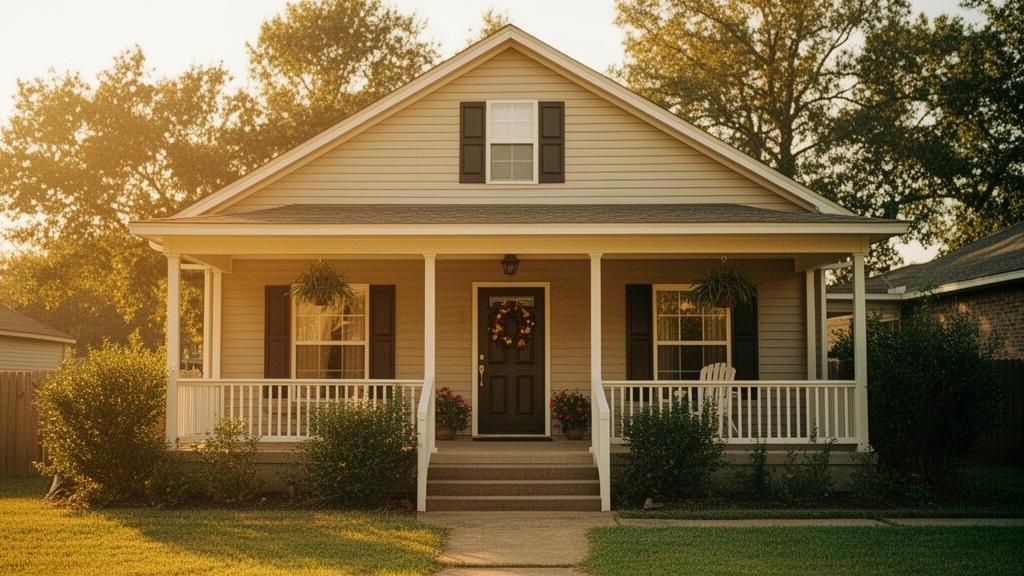
1. What the Home Buying Process Looks Like in Rome, GA
The home buying process in Rome, GA follows a clear sequence of stages. Pre-approval comes first, then the home search, then an offer, then the under-contract period, and finally closing. Each stage has its own costs, deadlines, and decisions, and understanding them before you start saves a significant amount of stress.
Step One: Pre-Approval
Pre-approval is the foundation of the entire process. A lender reviews your income, credit, employment history, and debts, then issues a letter stating how much they are willing to lend you. In Rome's current market, sellers take pre-approval letters seriously, and listing agents will often ask to see one before scheduling a showing on a well-priced property.
The pre-approval process typically takes two to five business days once you submit your documents. You will need recent pay stubs, two years of W-2s or tax returns, two to three months of bank statements, and a government-issued ID. If you are self-employed or have variable income, expect the lender to request additional documentation. The NAR's Consumer Guide on Preparing for Homeownership is a solid starting point for understanding exactly what lenders look for and how to get your finances in order before you apply.
Step Two: Finding the Right Home
Rome's housing inventory spans a wide range of styles and price points. You will find craftsman bungalows from the early 1900s near downtown on Broad Street and East Second Avenue, ranch-style homes from the 1960s and 1970s throughout the Coosa and West Rome corridors, and newer construction subdivisions on the north and east sides of the city. Knowing which areas align with your commute, price range, and lot size preferences before you start touring will keep the search focused.
If you are relocating from outside the area, it helps to understand the general geography. Rome sits at the confluence of the Etowah and Oostanaula rivers, which form the Coosa River, and the city is built around a series of ridges and valleys that give different neighborhoods distinct characters in terms of lot topography, flood zone considerations, and proximity to amenities like Ridge Ferry Park, the Rome Tennis Center, and the Rome-Floyd County Library. For a closer look at specific pockets of the city, the article on neighborhoods closest to downtown Rome, GA covers the housing stock and walkability of several areas in detail.
Step Three: Making an Offer
An offer in Georgia is made using a state-specific Purchase and Sale Agreement. The offer includes your purchase price, earnest money amount, financing terms, requested closing date, and any contingencies such as a home sale contingency or a due diligence period. In Floyd County, earnest money typically runs one percent of the purchase price, though on competitive offers buyers sometimes go higher to signal commitment.
Georgia's Purchase and Sale Agreement includes a Due Diligence Period, which is a negotiated window of time, usually seven to fourteen days, during which the buyer can inspect the property and walk away for any reason with their earnest money returned. This period is one of the most important protections a buyer has, and how you structure it can affect whether a seller accepts your offer in a competitive situation.
Step Four: Under Contract
Once the seller accepts your offer, you are officially under contract. From that point, you will schedule a home inspection, order an appraisal through your lender, complete your mortgage application, and work toward a clear-to-close from your lender. Each of these steps has a deadline tied to the contract, and missing one can put your earnest money at risk. For a detailed breakdown of what happens between signing and closing, the NAR Consumer Guide on Steps Between Signing and Closing is a useful reference.
2. How Much Does It Cost to Buy a Home in Rome, GA
The total cost of buying a home in Rome, GA goes beyond the down payment. You need to account for closing costs, prepaid items, inspection fees, and the reserves your lender may require. Buyers who budget only for the down payment often find themselves short at the closing table.
Down Payment Options
Your down payment depends on the loan type you use. Conventional loans typically require three to twenty percent down depending on your credit profile and whether you want to avoid private mortgage insurance. FHA loans require 3.5 percent down with a credit score of 580 or higher. VA loans and USDA loans offer zero-down options for qualifying buyers. Rome and parts of Floyd County fall within USDA-eligible zones, so buyers purchasing in rural or semi-rural areas of the county should ask their lender about USDA Rural Development financing.
On a $270,000 home, which sits near the current median price range for Rome, a 3.5 percent FHA down payment is $9,450. A five percent conventional down payment is $13,500. A twenty percent conventional down payment is $54,000. The loan type you choose shapes not just your upfront cash requirement but also your monthly payment and whether you carry mortgage insurance.
Closing Costs in Floyd County
Closing costs in Georgia typically run two to four percent of the loan amount. On a $260,000 loan, that is $5,200 to $10,400. These costs cover lender origination fees, title search and title insurance, the appraisal, attorney fees (Georgia is an attorney-closing state, so a real estate attorney must be present at closing), recording fees with Floyd County, and prepaid items like homeowners insurance and property tax escrow.
Prepaid items are separate from closing costs but paid at the same time. They include your first year of homeowners insurance paid upfront, prepaid mortgage interest from your closing date to the end of the month, and the initial deposit into your escrow account for property taxes and insurance. For a detailed look at Floyd County property tax calculations on a specific home value, the article on property taxes on a $300,000 home in Floyd County breaks down exactly how the millage rate applies.
Ongoing Ownership Costs to Budget For
Monthly ownership costs extend well past your mortgage payment. For a home in Rome priced around $260,000 to $300,000, expect to budget for property taxes (Floyd County's effective rate runs approximately 0.72 to 0.85 percent of assessed value depending on your specific parcel and city versus county jurisdiction), homeowners insurance averaging $1,200 to $1,800 per year in this part of northwest Georgia, and routine maintenance. A widely used rule of thumb is to set aside one percent of the home's purchase price annually for maintenance and repairs.
If the home has a homeowners association, factor in those dues as well. Many of Rome's newer subdivisions on the northeast side of the city carry HOA fees ranging from $30 to $100 per month, while most of the older in-town neighborhoods do not have HOAs at all.
3. How Long Does the Timeline Actually Take in Rome
From starting your pre-approval to sitting at the closing table, most buyers in Rome complete the process in 60 to 90 days. Cash buyers can close faster, sometimes in two to three weeks. Buyers using financing who are well-prepared with documents and responsive to lender requests typically close in 30 to 45 days from the date their offer is accepted.
Pre-Approval to Offer: Week 1 to Week 4
Most buyers spend one to four weeks searching before writing an offer. How long this takes depends on how clear you are about your priorities, how much inventory is available in your price range, and how quickly you can tour homes. In Rome's September 2026 market, inventory has been tighter in the $200,000 to $280,000 range, which means buyers at that price point may need to move quickly when a suitable home appears. Buyers searching above $350,000 have had more time to evaluate options.
For current pricing context across the city, the article on home prices in Rome, GA right now covers median prices by area and how values have shifted over the past year.
Under Contract to Closing: Week 4 to Week 10
Once you are under contract, the clock runs on specific deadlines. A standard Georgia contract in Rome currently targets a 30 to 45 day closing from the binding agreement date. During that window: the due diligence period runs days one through seven to fourteen, the appraisal is ordered by the lender within the first two weeks, the lender issues a Loan Estimate within three business days of your application, and the Closing Disclosure arrives at least three business days before closing.
Delays most commonly come from appraisal scheduling, lender underwriting queues, and title issues discovered during the title search. In Floyd County, title searches occasionally surface old liens or boundary discrepancies on properties with long ownership histories, particularly in the older in-town neighborhoods. Building a few days of buffer into your expected closing date is wise. For a more detailed breakdown of the closing timeline specifically, the article on how long it takes to close on a house in Rome, GA covers the stage-by-stage timeline in depth.
4. What Makes the Rome, GA Market Distinct Right Now
Rome, GA has a housing market shaped by its size, geography, and its relationship to Atlanta. The city is roughly 70 miles northwest of Atlanta, and Interstate 75 connects Rome to the metro via Highway 411 and US-27. That commute, which runs approximately 75 to 90 minutes each way in normal traffic, has made Rome a destination for buyers who want lower home prices and a smaller-city environment while keeping Atlanta employment within reach.
Price Range and Housing Stock
Rome's housing stock is genuinely diverse in age, style, and price. Entry-level homes in the $160,000 to $210,000 range tend to be smaller ranch-style properties or older craftsman homes that may need updating. The $220,000 to $320,000 range covers the largest share of active listings and includes updated mid-century ranches, newer townhomes, and move-in-ready subdivisions on the north side near US-411. Above $350,000, the inventory shifts toward larger newer construction homes, properties with acreage in the county, and renovated historic homes near the downtown core on East Second Avenue and the Garden Lakes area.
Competition and Inventory Conditions
As of September 2026, Rome's market is more balanced than it was during the peak competition years of 2021 and 2022. Days on market have extended, and sellers are more willing to negotiate on price, closing costs, and repairs than they were two to three years ago. That said, well-priced homes in the $230,000 to $280,000 range still attract multiple offers when they are move-in ready and properly marketed, so buyers in that range should be prepared to act within a day or two of a new listing appearing.
New Construction vs. Existing Homes
New construction is an active part of Rome's market in 2026. Several subdivisions are under active development on the northeast side of the city and in portions of Floyd County outside city limits. New builds typically start in the low $300,000s for standard configurations and can reach $450,000 and above for larger lots or premium finishes. Buying new construction involves a different process than buying an existing home: you will negotiate with a builder's sales representative, the timeline extends to six to twelve months if you are building from the ground up, and the contract terms differ meaningfully from a standard Georgia Purchase and Sale Agreement.
For a current overview of what is being built and where, the article on new housing developments in Rome, GA in 2026 covers active projects and what to expect from builder contracts.
5. Common Mistakes Buyers Make in Rome and How to Avoid Them
Most of the problems buyers run into are predictable and avoidable. Understanding where things go wrong before you start puts you in a much stronger position throughout the process.
Skipping the Pre-Approval Step
Starting a home search without a pre-approval letter is one of the most common and costly mistakes. In Rome's current market, listing agents regularly require proof of financing before confirming a showing appointment. Beyond that, buyers who fall in love with a home before knowing their actual budget sometimes discover they cannot qualify for the price range they were searching in, which wastes weeks of time and creates real disappointment.
Underestimating Total Costs
Buyers frequently focus on the down payment and forget about closing costs, prepaid items, and the inspection fee. In Rome, a standard home inspection runs $350 to $500 depending on the size and age of the property. If the inspector recommends a separate HVAC inspection, roof inspection, or pest inspection, each of those adds $75 to $200. These are out-of-pocket costs paid before closing and are not rolled into the loan.
A useful way to approach total-cost planning is to work backward from the purchase price. Add together your down payment, estimated closing costs (two to four percent of the loan), prepaid items (typically another one to two months of taxes and insurance), and inspection fees. That total is the cash you need to have available at closing, separate from any reserves your lender requires you to keep in the bank after closing.
Overlooking Due Diligence Period Rights
Georgia's due diligence period is one of the strongest buyer protections in the country, and some buyers do not use it fully. During this window, you can inspect the property, review HOA documents if applicable, check the flood zone designation with FEMA's current maps (several properties near the Coosa, Etowah, and Oostanaula rivers in Rome sit in or near flood zones and may require flood insurance), and request repairs or a price reduction. If you are not satisfied for any reason, you can terminate the contract and receive your earnest money back in full, as long as you do so before the due diligence period expires.
Flood zone status matters particularly in Rome because of the river geography. Ask your agent to pull the FEMA flood map designation for any property you are seriously considering, especially those in lower-lying areas near the riverbanks or in older neighborhoods that predate modern stormwater infrastructure. Flood insurance through the National Flood Insurance Program can add $800 to $2,500 or more per year to your ownership costs depending on the property's elevation and flood zone classification.
FAQ
What credit score do I need to buy a home in Rome, GA?
Most conventional lenders require a minimum credit score of 620, though scores of 740 and above typically qualify for the best interest rates. FHA loans through lenders serving the Rome area allow scores as low as 580 with a 3.5 percent down payment, or as low as 500 with a ten percent down payment. VA loans and USDA loans, both of which are relevant options for eligible buyers in Floyd County, do not set a universal minimum score but most lenders impose their own overlay minimums, usually 580 to 620. Pulling your credit report through AnnualCreditReport.com before you apply gives you time to address any errors or outstanding accounts that might be dragging your score down.
Can I negotiate closing costs with the seller in Rome, GA?
Yes, and it is a common strategy in the current Rome market. Seller concessions, where the seller agrees to contribute a set dollar amount or percentage toward your closing costs, are negotiated as part of the purchase offer. Conventional loans allow seller concessions of up to three percent of the purchase price when the buyer puts down less than ten percent, and up to six percent with a larger down payment. FHA loans allow up to six percent. In Rome's September 2026 market, sellers are more open to concessions than they were during the peak years of 2021 and 2022, particularly on homes that have been sitting on the market for more than three weeks. Structuring your offer to include a concession request while keeping the purchase price competitive is a balance your agent can help you strike.
Do I need a real estate attorney to buy a home in Rome, GA?
Georgia is an attorney-closing state, which means a licensed real estate attorney must conduct the closing and disburse funds. The attorney represents the lender in a purchase transaction, not the buyer, but their role is to ensure the title is clear, the documents are properly executed, and the funds are correctly distributed. You do not hire the closing attorney directly as a buyer; the lender typically selects the closing attorney, though you can sometimes request a specific firm. Attorney fees are included in your closing costs and typically run $500 to $900 in the Rome area. Having your own buyer's agent throughout the transaction, separate from the closing attorney, is the way you ensure someone is specifically advocating for your interests from offer through closing.