

← Back to Blog
Market Trends
Downtown Rome, GA Real Estate Market Guide: Prices, Neighborhoods and Timing
By Brianna Hightower
EXP Realty · DRE# 428363
September 15, 2026 · 12 min read
If you are researching the downtown Rome, GA real estate market, whether you are buying, selling, or relocating, the picture in September 2026 is more nuanced than a single headline number can capture. This guide covers current prices around the downtown core, the distinct housing pockets that surround it, and the seasonal timing patterns that shape when deals get done in Floyd County.
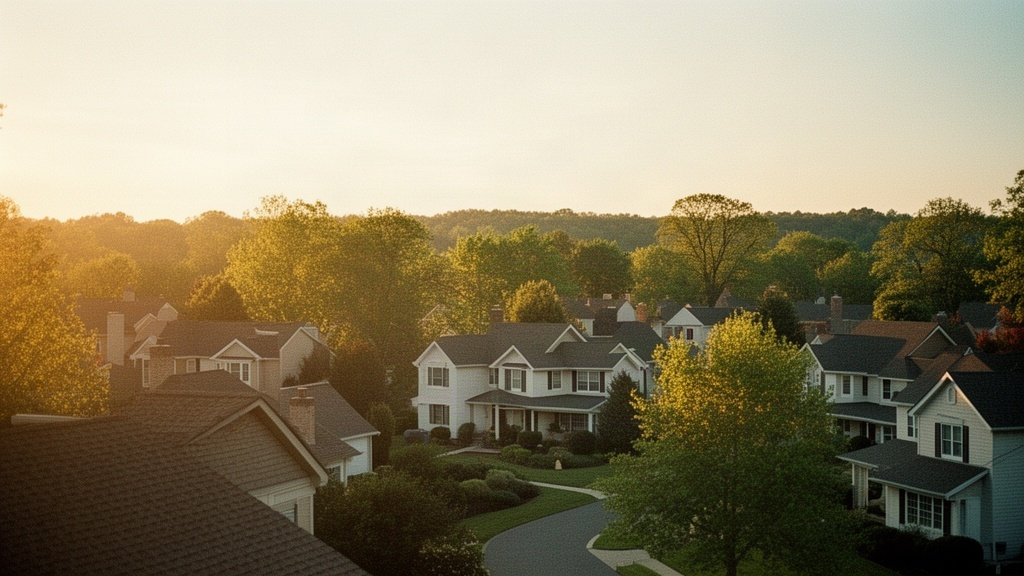
1. What Downtown Rome, GA Actually Looks Like as a Real Estate Market
Downtown Rome is a walkable, river-framed urban core at the confluence of the Etowah and Oostanaula rivers, where they join to form the Coosa River. That geography is not just scenic; it directly shapes property values, lot availability, and what kind of housing you will find within a mile of Broad Street. The downtown core sits inside a bend of water on three sides, which limits how far outward it can sprawl and keeps the supply of true in-town properties relatively constrained.
The Geographic Footprint
The area most people mean when they say "downtown Rome" runs roughly from the Clock Tower at the top of Broad Street south toward the Riverwalk, and east to west between the two river banks. Residential properties within that footprint include renovated Victorian and Craftsman homes on streets like East Third Avenue and East First Avenue, a small number of loft-style condominiums above commercial buildings on Broad Street itself, and a handful of newer infill townhomes that have appeared over the past several years. The total inventory of for-sale homes within a half-mile of the Broad Street Clock Tower at any given time is typically in the single digits, which is why buyers who want to live in the true core need to move quickly when something comes available.
What the Housing Stock Looks Like
Homes closest to downtown Rome skew older, with much of the residential fabric dating from the late 1800s through the mid-1900s. You will find two-story folk Victorian cottages on narrow lots, bungalows with deep front porches, and the occasional four-square with original hardwood floors and plaster walls. Renovation quality varies widely: some blocks have been fully restored with updated mechanicals, while others still carry deferred maintenance from decades of absentee ownership. That variation is one reason a price-per-square-foot comparison within the downtown ring can look surprisingly wide.
2. Current Prices in and Around Downtown Rome, GA
Prices in the downtown Rome, GA real estate market in September 2026 reflect a market that has cooled from the sharp run-up of 2021 and 2022 but has not retreated to pre-pandemic levels. Inventory has loosened somewhat compared to the extreme tightness of two years ago, giving buyers more leverage than they had in 2024, while sellers who price correctly are still finding reasonable demand.
Median Price Benchmarks Right Now
Across Rome and Floyd County broadly, the median sale price for single-family homes sits in the low-to-mid $200,000s as of September 2026, consistent with data tracked by sources such as Calvert Group's Rome housing market analysis. Properties within the downtown core itself, particularly renovated historic homes with original character intact, frequently list and close above that citywide median, often in the $280,000 to $420,000 range depending on square footage, lot size, and the extent of updates. Loft condominiums and smaller attached units on or near Broad Street can list below $200,000, though those come up infrequently.
For context on where Rome fits in the broader national picture, HousingWire's 2026 real estate statistics note that smaller metros and secondary markets have generally held price gains better than major metros during the 2025 and 2026 correction period, which is consistent with what buyers are experiencing in Rome right now. Entry-level inventory below $180,000 remains scarce, while the $220,000 to $350,000 range sees the most transaction volume.
Price Per Square Foot and What Moves It
In the neighborhoods immediately surrounding the downtown core, price per square foot typically runs between $110 and $175 for move-in-ready homes, with fully renovated historic properties on desirable streets pushing toward or past that upper bound. The factors that move price per square foot most in this submarket are: the presence of original architectural detail (heart pine floors, transom windows, decorative millwork), off-street parking (a genuine scarcity on many downtown blocks), and proximity to the Riverwalk trail system and the restaurants and shops along Broad Street. Homes that lack parking or carry significant deferred maintenance on older systems, like knob-and-tube wiring or cast iron plumbing, tend to price lower and sit longer.
How Downtown Compares to Broader Rome
The citywide median price for Rome tracks lower than downtown because much of the broader inventory sits in suburban-style subdivisions on the city's outskirts, where newer construction offers more square footage at lower per-foot costs. Buyers weighing downtown against those outlying areas are essentially trading square footage and newness for walkability and historic character. If you are weighing that tradeoff, it helps to read about what is being built on the edges of the market in the 2026 new housing developments guide for Rome, which covers the newer subdivision and townhome projects coming online this year.
3. Neighborhoods Within Reach of Downtown Rome
The neighborhoods that feed into the downtown Rome real estate market each have their own character, price range, and housing type. Understanding those distinctions helps buyers target their search and helps sellers position their listing accurately. For a broader look at how these areas connect geographically, the neighborhoods closest to downtown Rome guide covers the physical layout and street-level feel of each pocket.
Between the Rivers and the Historic Core
The blocks between the Etowah and Oostanaula rivers, north and south of Broad Street, represent the most concentrated historic residential stock in the city. Streets like East Second Avenue, West Third Avenue, and the blocks immediately flanking Myrtle Hill Cemetery contain some of Rome's most photographed architecture: two-story Italianate homes, Queen Anne cottages, and early twentieth-century foursquares on lots that average 50 to 75 feet wide. Turnover here is low. When a property does come available, it often draws multiple inquiries within the first week, particularly if it has been updated while preserving original detail.
East Rome and the Broad Street Corridor
East Rome extends from the east bank of the Oostanaula River outward along the East Rome Avenue and Shorter Avenue corridors, offering a mix of smaller bungalows, mid-century ranch homes, and the occasional duplex or triplex. Prices here generally run below the downtown historic core, with many single-family homes listing in the $150,000 to $240,000 range depending on condition and lot size. The area is within a short drive of downtown and sits close to Shorter University's campus, which adds a consistent baseline of activity to the local property market. If you want to understand how school zoning works in this part of the city, the East Rome school zoning explainer breaks down exactly how the Floyd County assignment process functions.
North Rome and the Ridge Road Area
North Rome sits on higher ground above the river plain, with Ridge Road and North Broad Street serving as the main arteries. The housing stock here is more varied than in the historic core: you will find post-war brick ranches alongside 1970s split-levels, newer infill construction, and some larger estate-style homes on wooded lots with ridge views. Properties in this area range widely, from the mid-$100,000s for smaller ranches needing work to well over $500,000 for larger updated homes with acreage. The elevation also means many of these properties sit outside the flood zone designations that affect some lower-lying downtown parcels, which is a practical consideration for both insurance costs and lender requirements.
The Coosa neighborhood, which borders the western edge of the downtown area near the Coosa River confluence, has its own distinct character worth understanding separately. The Coosa neighborhood living guide covers the housing types, lot sizes, and day-to-day details specific to that pocket.
4. Timing the Downtown Rome, GA Market: When to Buy and When to Sell
Timing is one of the most common questions in the downtown Rome, GA real estate market guide conversation, and the honest answer is that local seasonal patterns matter more here than national headlines. Rome is a mid-size Georgia city with its own rhythm, shaped by the academic calendars of Berry College and Shorter University, the local employment base at Harbin Clinic and the manufacturing corridor along the US-411 corridor, and the seasonal patterns of a river-valley climate.
Seasonal Patterns in Floyd County
Spring, specifically March through May, is historically the most active listing season in Rome. Sellers who list in that window tend to see the most competing buyers, which supports stronger prices and shorter days on market. Summer activity stays solid through July, then typically softens in August as families settle before the school year. September, right now, sits at the beginning of the fall window, which in Rome tends to bring a secondary wave of motivated buyers: people who missed the spring market, relocating employees starting new positions in the fourth quarter, and buyers who have been watching rates and feel ready to act.
November and December are the slowest months for new listings in Floyd County, which means less competition for buyers willing to shop then, but also thinner selection. Sellers who list in winter often do so out of necessity, which can create negotiating room for buyers. The tradeoff is that inspectors, appraisers, and attorneys are also slower to schedule in the holiday period, which can stretch timelines. The closing timeline guide for Rome, GA walks through how long each phase of a transaction typically takes in this market.
Days on Market and What It Signals
In September 2026, well-priced homes in the downtown Rome area are averaging roughly 30 to 50 days on market before going under contract, up from the 10 to 20 day averages seen at the peak of the 2021 to 2022 frenzy. That longer window is actually useful information: it means buyers have time to schedule thorough inspections and negotiate on price or repairs without losing the property overnight. Homes that sit past 60 days in this market are almost always overpriced relative to their condition, and sellers in that position typically need to adjust before serious offers come in.
Interest Rate Context in September 2026
Mortgage rates remain the dominant force shaping buyer purchasing power in September 2026. Rates have moderated from the highs of late 2023 but remain elevated compared to the 2020 to 2021 era, which means monthly payments on a $280,000 home are meaningfully higher than they were four years ago even if the purchase price is similar. Buyers who are waiting for rates to fall significantly before acting are taking a calculated risk: if rates drop sharply, demand in a supply-constrained market like downtown Rome tends to spike quickly, which compresses negotiating leverage and can push prices up faster than a rate improvement saves money.
5. What Buyers and Sellers Should Know Before Acting
The downtown Rome, GA real estate market has specific characteristics that do not show up in citywide averages, and both buyers and sellers benefit from understanding them before making decisions. What follows covers the practical considerations most relevant to the in-town submarket specifically.
Buyer Considerations Specific to Downtown Rome
Historic homes require a different inspection checklist than newer construction. Buyers should budget for a thorough inspection that specifically addresses older electrical systems, foundation conditions common to homes built on river-plain soils, and the state of original roofing materials. Some properties in the downtown historic district are subject to local historic preservation guidelines, which can affect what exterior changes are permissible after purchase. Confirming whether a property sits within the Rome Historic District boundary before making an offer is a step worth taking early.
Flood zone status is another due diligence item that matters more in downtown Rome than in most suburban subdivisions. Parcels close to the Etowah and Oostanaula rivers may fall within FEMA-designated flood zones, which triggers mandatory flood insurance requirements for federally backed loans. The cost of that insurance can add hundreds of dollars per year to carrying costs and should be factored into any offer calculation. Your lender will require a flood determination, but checking the FEMA flood map yourself before falling in love with a property saves time. Property tax costs are another line item worth understanding early; the Floyd County property tax breakdown for a $300,000 home gives a clear picture of what to expect.
Seller Considerations in the Current Market
Sellers in the downtown Rome core are working with a supply advantage: there simply are not many homes like theirs available at any given time. That scarcity supports pricing, but it does not override condition. Buyers in September 2026 are more willing to walk away from overpriced or poorly maintained properties than they were in 2021, when competition drove people to overlook problems. Sellers who invest in pre-listing repairs, particularly on visible items like exterior paint, roof condition, and updated kitchens or bathrooms, consistently see faster sales and stronger final prices than those who list as-is at the same price point.
Pricing strategy matters more in a slower market than it did two years ago. A home that enters the market at the right price generates early momentum and often closes near or at list. A home that starts too high and sits for 60-plus days accumulates a "stale listing" perception that makes subsequent price reductions less effective than if the property had been priced correctly from day one. Comparable sales in the downtown historic core are sparse enough that accurate pricing requires genuine local knowledge, not just an automated valuation tool.
Due Diligence Steps That Matter Here
Whether you are buying or selling in the downtown Rome area, a few due diligence steps are worth prioritizing. For buyers: get pre-approved before touring, confirm flood zone status on any riverfront-adjacent parcel, and hire an inspector with specific experience in older Georgia construction. For sellers: pull recent comparable sales within the downtown historic submarket rather than relying on broader Floyd County averages, and consult with the Rome Historic Preservation Commission if you plan to make exterior changes before listing. For anyone relocating from outside the region, understanding the Atlanta commute is often a key question; the Rome to Atlanta commute guide covers drive times, route options, and what to realistically expect on a daily basis.
FAQ
What is the typical price range for homes near downtown Rome, GA right now?
In September 2026, renovated historic single-family homes within a half-mile of Broad Street typically list and close in the $280,000 to $420,000 range, depending on square footage, lot size, and the extent of updates. Smaller attached units and loft-style condominiums can come in below $200,000, though those are rare. The citywide Rome median sits in the low-to-mid $200,000s, so the true downtown core commands a premium relative to the broader market. Homes needing significant work can list below those ranges, but buyers should budget for renovation costs on top of the purchase price when evaluating those opportunities.
Is September a good time to buy or sell in the downtown Rome, GA real estate market?
September sits at the opening of Rome's fall buyer window, which historically brings a second wave of motivated buyers after the summer slowdown. For sellers, it is a reasonable time to list as long as the home is priced accurately and in good condition, since the spring peak has passed and competition from other listings is lighter. For buyers, September 2026 offers more negotiating room than the market provided in 2021 or 2022, with days on market now averaging 30 to 50 days for well-priced properties. Waiting until spring to buy means competing with more buyers; waiting to sell means entering the slower winter period. Neither timing is universally right, which is why understanding your specific situation with a local agent matters more than following a general seasonal rule.
Do historic preservation rules affect what I can do with a downtown Rome property?
Some properties within the downtown Rome area fall inside the boundaries of the Rome Historic District, which is administered locally and may require review and approval for certain exterior changes, including alterations to facades, windows, rooflines, and materials visible from the street. Interior changes are generally not subject to those restrictions. Before purchasing a historic district property, buyers should confirm its exact designation status and understand what the review process entails for any planned improvements. This is especially relevant for buyers who intend to renovate extensively, since the approval timeline can affect project planning. A local agent familiar with the downtown submarket can help identify which parcels carry these designations before you make an offer.