← Back to Blog
Buying
Where to Find Homes for sale in Pine, Arizona: A Local Guide
By Brie Teyechea
Pine Real Estate
November 24, 2026 · 4 min read
Searching for homes for sale in Pine, Arizona means choosing among log cabins, ranch properties, and Forest Service-adjacent lots in a small mountain community. This guide covers the housing stock, typical price bands, commute distances, local amenities, and practical steps to evaluate a Pine property.
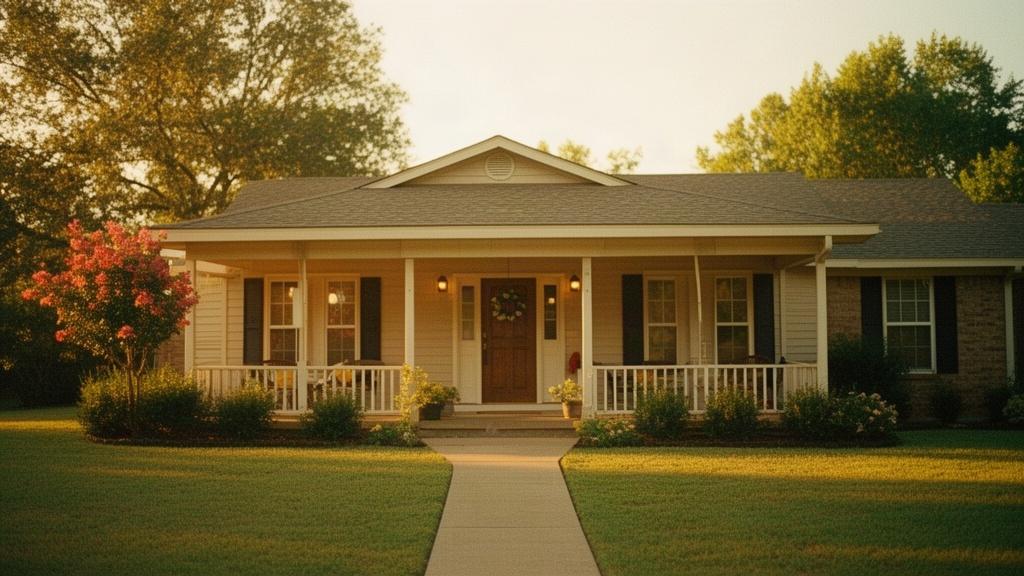
1. Housing stock and property types in Pine
What you'll find in Pine, in one short answer, is a mix of log cabins, single family homes, small ranch properties, and vacant forested lots, often on larger parcels than nearby valley subdivisions.
Cabins and wood-frame homes
Common characteristics. Many Pine properties are wood-frame or log cabins built in the 1970s through present, with vaulted ceilings, wood siding, stone fireplaces, and metal roofs. Look for tongue-and-groove ceilings and post-and-beam details on older cabins.
Lot sizes and land
Typical lot patterns. Parcels in Pine range from quarter-acre town lots near High Country and Echo Canyon, to multiple acre parcels outside the core, especially along roads that back onto Coconino National Forest land.
2. Typical price ranges and what affects value
Quick answer on prices. Homes for sale in Pine commonly appear across a range from modest cabins on small lots to larger ranch-style homes on multiple acres; price depends on lot size, condition, elevation, and utilities.
Price drivers to check
Lot size and privacy. Acreage adds value in Pine because larger lots back onto forest or provide equestrian space; compare per-acre pricing when evaluating options.
Elevation and views. Properties on higher ridgelines or with long views of the Mogollon Rim will show price differences versus lower-elevation parcels closer to the creek corridor.
Utilities and access. Homes on public water and sewer in town will list differently than homes on private wells and septic; seasonal road maintenance and snow plowing responsibility also affect value and operating cost.
3. Commutes, services, and local amenities
Overview of local access. Pine sits along Highway 87 between Payson and the Mogollon Rim, with drive times that vary by exact address and season; Pine is roughly 15 to 25 miles from Payson depending on route and starting point in Pine.
Parks, trails, and night skies
Outdoor features. Pine is adjacent to large stretches of Coconino National Forest, with access to hiking, fishing along Pine Creek, and multiple trailheads. The town's low-light conditions make it an area where groups study and promote dark sky considerations for residents and visitors.
Reference on light pollution. For more about the effects of light pollution and measures communities use to address it, see this overview on dark sky impacts and mitigation.
Local services to note
Everyday amenities. Pine has a post office, a handful of local shops and restaurants along Rover Road and State Route 87, and access to Payson for larger grocery stores, medical clinics, and county services.
4. How to evaluate a Pine property before you buy
Buyers should prioritize practical inspections. Because utilities, access, and the canyoned terrain affect costs and livability, run a set of local checks specific to Pine before making an offer.
Must-do checks
- Water source: Confirm well logs or public water connection, pump condition, and water rights or easements where applicable.
- Septic and waste: Obtain septic inspection records and reserve area maps to ensure capacity for current use.
- Access and winter service: Check who maintains the road, plowing schedules, and whether a 4WD vehicle is needed in heavy snow.
- Utilities and broadband: Confirm electric service provider, propane arrangements, and broadband availability for remote work needs.
Title, survey, and Forest Service rules
Legal checks. Obtain a current survey, check setback requirements, and verify any covenants; if a parcel borders federal land, confirm access and any special restrictions with the Coconino National Forest office.
5. Steps to list or sell a home in Pine
Selling in Pine requires local marketing. Highlight outdoor access, utility setups, and winter preparedness to reach buyers looking for mountain properties or second homes.
Preparation checklist
- Repairs: Address roof flashing, chimney work, and weatherproofing to reduce buyer concerns about maintenance.
- Staging for photos: Show outdoor living spaces, wood stoves, and views in listing photos; include close-up shots of utilities and storage areas.
- Disclosure: Provide well records, septic history, and any road maintenance agreements up front to streamline offers.
Pricing with local comps
Use nearby comparables. Compare sales on similar lot sizes, similar access to Forest Service land, and similar utility setups rather than using distant valley sales as benchmarks.
Local agent advantage. An agent familiar with Pine can identify which nearby sold listings are true apples-to-apples matches and which are different because of road access or septic arrangements.
FAQ
How many homes for sale in Pine are typically on well water?
Many Pine properties outside the small town core rely on private wells. Check the listing details and seller disclosures for 'well' or 'public water' language, and request the well log, pump records, and water test results during due diligence.
What should I know about winter access to a Pine home?
Road maintenance varies by road; some roads are county maintained while others are private. Ask the seller who is responsible for snow removal, whether plowing is contracted, and whether driveways require 4WD in heavy snow. Confirming this before purchase avoids surprises.
Are properties in Pine close to trails and public land?
Yes, many Pine parcels border or are within short drive distances of Coconino National Forest trailheads and Pine Creek. Verify exact access on a map, and check with the Coconino National Forest office for trailhead locations and any seasonal restrictions.