← Back to Blog
Buying
Buying a Home in the Clearfield Area: Process, Costs and Timeline
By Brooke Jerman
September 12, 2026 · 10 min read
Buying a home in the Clearfield area of Dover, Delaware is one of the most straightforward paths into Kent County homeownership, but the process still has moving parts that catch first-time and relocating buyers off guard. This guide walks through every stage, from your first mortgage conversation to the day you pick up the keys, with real numbers and local context so you know exactly what to expect.
1. What Makes the Clearfield Area Distinct for Buyers
The Clearfield area sits in the northern corridor of Dover, Delaware, positioned between the city's commercial spine along US Route 13 and the quieter residential streets that push toward Camden to the south and Smyrna to the north. For buyers, that location translates into practical advantages: quick access to Dover Air Force Base, a short drive to the Dover Mall and the Route 13 retail corridor, and reasonable commute distances to Wilmington (roughly 50 miles north via US 13 or DE 1) and the Delaware beaches (about 60 miles east on Route 1).
Location and Housing Stock
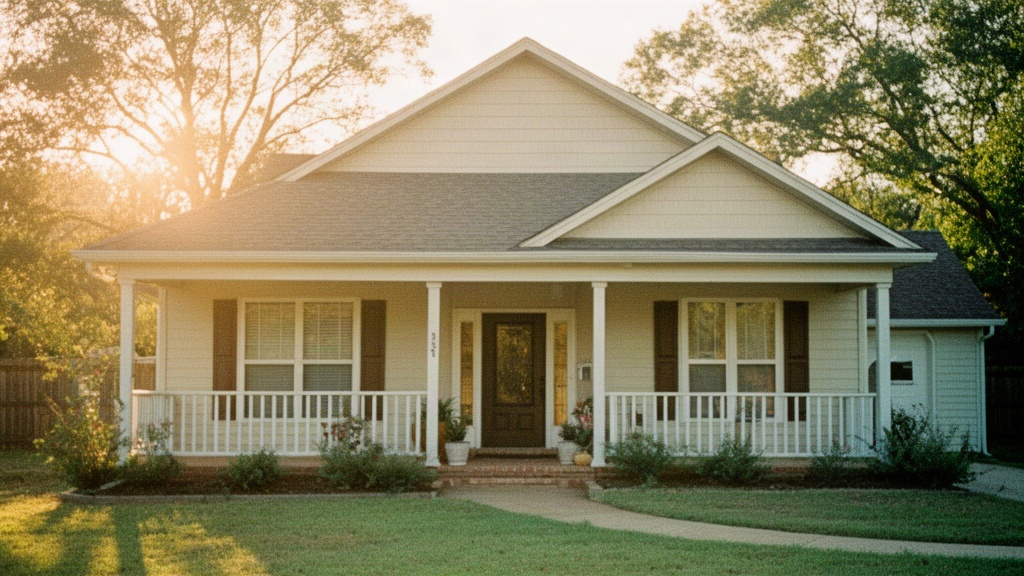
The housing stock in and around Clearfield skews toward single-family ranches and split-levels built primarily between the 1960s and the 1990s, with lot sizes that typically run from a quarter acre to just over half an acre. You will find brick-front colonials alongside vinyl-sided Cape Cods, and several streets include newer infill construction from the 2010s that updated the neighborhood's overall inventory. Townhomes and duplexes appear closer to the Route 13 corridor, giving buyers at different price points a foothold in the same general area.
Current Market Conditions
As of September 2026, Dover's broader market continues to show modest but steady appreciation. Median sale prices in the Dover area are hovering in the low-to-mid $300,000s for single-family homes, with Clearfield-area properties generally landing between $260,000 and $340,000 depending on square footage, condition, and lot size. Inventory has loosened slightly compared to the tight conditions of 2023 and 2024, meaning buyers have a bit more room to negotiate, though well-priced move-in-ready homes still attract multiple offers within the first week.
For a deeper look at what prices are doing across Dover right now, the Dover Delaware Home Prices Right Now September 2026 article breaks down current figures by property type and price tier.
2. The Full Buying Process, Step by Step
Buying a home in the Clearfield area follows the same legal framework as any Delaware real estate transaction, but knowing the specific sequence helps you avoid delays and missed deadlines. The process moves through four broad phases: pre-approval, search and offer, contract period, and closing.
Getting Pre-Approved
Pre-approval is the non-negotiable first step. A lender reviews your income documentation, tax returns, credit score, and existing debts to issue a conditional commitment letter stating how much they will lend you. In the Clearfield area, sellers and their agents treat pre-approval letters as table stakes; submitting an offer without one puts you at an immediate disadvantage against buyers who have their financing documented.
Delaware buyers should also ask lenders about the Delaware State Housing Authority (DSHA) programs, which offer down payment assistance and below-market interest rates for qualifying first-time and repeat buyers purchasing in Kent County. The income and purchase price limits are updated periodically, so confirm current eligibility directly with a DSHA-approved lender.
Finding the Right Home
Once pre-approved, the search phase begins. In the Clearfield area, active listings turn over quickly on the MLS, so setting up automated alerts with your agent is more effective than checking portals manually. Brooke Jerman monitors new Clearfield-area listings as they hit the market and can schedule showings within hours of a property going live, which matters when well-priced homes receive offers in the first few days.
When touring homes in this area, pay attention to the age of the roof, HVAC system, and water heater, since many Clearfield-area homes are 30 to 50 years old and those systems may be approaching the end of their service life. A home priced at $285,000 with a 20-year-old roof and original HVAC carries a different true cost than one at $300,000 with recent replacements.
Making an Offer and Going Under Contract
Delaware uses a standard Association of Realtors purchase agreement that covers price, earnest money, contingencies, and the proposed closing date. Earnest money deposits in the Clearfield area typically run between 1% and 2% of the purchase price, so on a $300,000 home expect to write a check for $3,000 to $6,000 at the time of contract. That money is held in escrow and credited toward your closing costs or down payment at settlement.
Common contingencies in Delaware contracts include a home inspection contingency, a financing contingency, and an appraisal contingency. In the current September 2026 market, most Clearfield-area buyers are retaining all three rather than waiving them, since the slight loosening of inventory gives buyers a bit more negotiating leverage than they had two years ago.
Inspections, Appraisal and the Path to Closing
After going under contract, the inspection period typically runs 10 to 15 days in Delaware. A general home inspection in the Dover area costs roughly $350 to $500 for a standard single-family home, and many buyers add a separate radon test (around $150) and a sewer scope inspection (around $200 to $300) given the age of some Clearfield-area properties. If the inspection uncovers significant issues, buyers can request repairs, a price reduction, or a seller credit, or they can walk away and recover their earnest money within the contingency window.
The lender-ordered appraisal follows shortly after inspection. If the home appraises below the agreed purchase price, the appraisal contingency gives the buyer options: renegotiate the price, make up the difference in cash, or exit the contract. The NAR's consumer guide on steps between signing and closing is a useful reference for understanding exactly what happens during this phase and what each party is responsible for.
3. What Buying a Home in the Clearfield Area Actually Costs
The purchase price is only part of what you spend. Buyers in the Clearfield area need to budget for the down payment, closing costs, pre-paid items, and the first round of move-in expenses. Understanding each category before you make an offer prevents surprises at the settlement table.
Down Payment Options
Down payment requirements vary by loan type. Conventional loans typically require 5% to 20% down, though 3% down options exist for qualifying first-time buyers. FHA loans require 3.5% down with a credit score of 580 or higher. VA loans, which are particularly relevant in the Clearfield area given the proximity of Dover Air Force Base, require no down payment for eligible active-duty military, veterans, and surviving spouses. USDA loans are not available for most Clearfield-area properties since the area falls within Dover's city limits, but some surrounding Kent County locations may qualify.
On a $300,000 purchase, a 3.5% FHA down payment equals $10,500, while a 10% conventional down payment equals $30,000. The larger your down payment, the lower your monthly principal and interest payment and the less you pay in mortgage insurance over the life of the loan.
Closing Costs in Delaware
Delaware has a specific closing cost structure that buyers relocating from other states sometimes find surprising. The state imposes a realty transfer tax of 4% of the purchase price, split equally between buyer and seller, meaning each party pays 2%. On a $300,000 home, your share of the transfer tax is $6,000. Delaware counties and municipalities do not layer on additional transfer taxes, so the 2% buyer share is the full state-level obligation.
Beyond the transfer tax, buyers typically pay lender origination fees (0.5% to 1% of the loan amount), title insurance (roughly $1,000 to $1,500 on a $300,000 purchase), recording fees, prepaid homeowners insurance, and prepaid property taxes. Total closing costs in the Clearfield area generally run between 3% and 5% of the purchase price, which on a $300,000 home means budgeting $9,000 to $15,000 on top of your down payment.
Ongoing Costs to Budget For
Property taxes in the City of Dover are assessed at the city, county, and school district levels. Kent County's effective property tax rate is among the lowest in Delaware, and Delaware as a state consistently ranks low nationally for property tax burden. On a $300,000 home in the Clearfield area, the combined annual property tax obligation typically falls in the range of $1,200 to $1,800 per year, though your specific assessment will depend on the property's assessed value rather than the purchase price.
Homeowners insurance in Kent County averages roughly $900 to $1,400 per year for a standard single-family home, depending on the age of the structure, its systems, and the coverage limits you choose. If you purchase with less than 20% down on a conventional loan, add private mortgage insurance (PMI), which typically runs 0.5% to 1.5% of the loan amount annually until you reach 20% equity.
4. Realistic Timeline for Clearfield Area Home Buyers
The full timeline from starting your home search to sitting at the settlement table typically runs 60 to 120 days in the Dover area, though individual transactions can move faster or slower depending on financing type, inspection findings, and seller circumstances.
Pre-Approval to Under Contract
Getting pre-approved takes 3 to 7 business days once you submit your documentation to the lender. The home search phase varies widely: some buyers find their Clearfield-area home within two weeks, while others take two to three months to identify the right property. The active inventory in the Dover area in September 2026 is running at roughly 60 to 90 days of supply for mid-range homes, which means a motivated buyer with clear criteria can typically go from pre-approval to accepted offer within 30 to 45 days.
Under Contract to Closing Day
Once you are under contract, the remaining timeline is largely set by your lender's processing speed and the inspection and appraisal schedule. Conventional loans in the Dover area are currently closing in 30 to 45 days from contract. FHA loans sometimes run 45 to 60 days due to additional underwriting requirements. VA loans vary depending on the lender's experience with VA transactions; choosing a lender with a strong VA track record can keep the timeline closer to 30 to 45 days.
Delays most often come from appraisal scheduling backlogs, title issues (particularly with older Clearfield-area homes that may have had multiple owners), and slow lender underwriting queues. Building a 10-day buffer into your planned move date is a practical precaution.
5. Common Mistakes Clearfield Area Buyers Make and How to Avoid Them
Most of the costly mistakes buyers make in this market are predictable and preventable. Knowing them in advance puts you in a much stronger position when you are ready to move.
Skipping Pre-Approval
Buyers who begin touring homes without a pre-approval letter lose time and sometimes lose properties. In the Clearfield area, a home priced at $295,000 that hits the market on a Thursday can have multiple offers by Saturday. If you are not pre-approved, you cannot submit a credible offer in that window. Get the pre-approval done before you fall in love with a specific house.
Underestimating Total Costs
The gap between what buyers think they need in cash and what they actually need at closing is one of the most common sources of stress in a transaction. On a $300,000 purchase with a 5% conventional down payment, you need $15,000 for the down payment plus roughly $9,000 to $15,000 in closing costs, plus prepaid items like the first year of homeowners insurance and two months of property taxes into escrow. That is a total cash requirement of $25,000 to $35,000 before you spend a dollar on moving or immediate repairs.
The NAR's resource on how affordable a home really is walks through the full picture of true ownership costs beyond the purchase price, which is worth reading before you set your budget ceiling.
Waiving Inspections in a Competitive Market
During the peak competition of 2022 and 2023, some Dover-area buyers waived inspection contingencies to win offers. In September 2026, with inventory slightly more balanced, there is rarely a need to waive inspections entirely. A pre-offer inspection (where you pay for an inspection before submitting your offer so you can waive the contingency with knowledge rather than blind faith) is a more measured alternative when you are competing for a specific property.
For a broader look at how the Dover market is behaving right now and what that means for your offer strategy, the Dover Delaware Real Estate Market Guide covers current inventory levels, days on market, and pricing trends in detail.
FAQ
How much money do I need to buy a home in the Clearfield area of Dover, Delaware?
The total cash you need depends on your loan type and the purchase price. On a $300,000 home with a 5% conventional down payment, plan on $15,000 for the down payment plus $9,000 to $15,000 in closing costs, which includes Delaware's 2% buyer share of the realty transfer tax. Prepaid items like the first year of homeowners insurance and initial escrow deposits add another $2,000 to $4,000. VA-eligible buyers can reduce the down payment to zero, but closing costs still apply. A good rule of thumb is to have 7% to 10% of the purchase price in liquid savings before you start making offers.
How long does it take to buy a home in the Clearfield area from start to finish?
The full process from beginning your home search to closing typically takes 60 to 120 days in the Dover area. Pre-approval takes 3 to 7 business days once you submit your documents. The search phase varies but averages 30 to 45 days for buyers with clear criteria in the current September 2026 market. Once you are under contract, conventional loans are closing in 30 to 45 days, while FHA and VA loans may run 45 to 60 days depending on the lender. Building a buffer into your planned move date is wise, since appraisal or title issues can add a week or two to any transaction.
Is it a good time to buy a home in the Clearfield area right now?
As of September 2026, the Clearfield area market is more balanced than it was during the peak competition years of 2022 and 2023, which gives buyers more negotiating room and more time to conduct due diligence. Prices in the $260,000 to $340,000 range have appreciated modestly but have not spiked dramatically in the past year. Interest rates remain a factor in monthly affordability, so the right time to buy is largely a personal financial decision tied to your income stability, credit profile, and how long you plan to stay in the home. Consulting directly with a lender and a local agent like Brooke Jerman will give you the clearest picture of what you can realistically afford and what the market is doing at the specific price point you are targeting.