← Back to Blog
Buying
Investment Property Guide for Dover, Delaware: What Investors Need to Know Before They Buy
By Brooke Jerman
September 14, 2026 · 10 min read
This investment property guide for Dover, Delaware covers everything a serious buyer needs before committing capital: local rental demand, the types of properties that generate income here, carrying costs, Delaware's tax structure, and the specific market conditions shaping Dover in September 2026. Dover is not a generic mid-Atlantic market, and the decisions that work here are different from those that work in Wilmington or Rehoboth Beach, so the details matter.
1. Why Dover Attracts Real Estate Investors
Dover draws consistent investor interest for reasons that hold up across market cycles. The city is Delaware's capital, home to Dover Air Force Base, Delaware State University, Bayhealth Medical Center, and a cluster of state government employers. That combination of institutional anchors creates a rental population that turns over on predictable cycles rather than disappearing when one employer downsizes.
Steady Institutional Demand Anchors the Rental Market
Dover Air Force Base alone employs roughly 4,000 active-duty personnel plus thousands of civilians and contractors. Military families on permanent-change-of-station orders typically need rentals on short timelines, and they tend to be reliable tenants. Delaware State University, located on North DuPont Highway in the northern part of the city, adds graduate students and faculty who need housing near campus. Bayhealth's Kent Campus on South Governors Avenue draws traveling nurses and medical residents throughout the year.
Dover also sits at a practical commuting distance from Wilmington (roughly 50 miles north on US-13 and I-95), Philadelphia (about 85 miles), and the Delaware beaches. That positioning means some renters choose Dover for its lower housing costs while working elsewhere, which broadens the tenant pool beyond just local employers.
Delaware's Tax Structure Works in an Investor's Favor
Delaware has no state sales tax, which reduces the cost of materials and appliances when you renovate or furnish a rental. The state also has no real estate transfer tax at the city level in Dover, though the standard Delaware transfer tax of 4 percent (split between buyer and seller, typically 2 percent each) does apply at closing. Property tax rates in Dover and Kent County are among the lower ones in the mid-Atlantic region; you can find the specific figures for a given purchase price in the detailed breakdown on this property tax guide for Dover. Lower carrying costs directly improve cash flow on a rental property.
Delaware also does not impose a local income tax, so rental income is subject only to state income tax (capped at 6.6 percent for higher brackets) and federal tax. Investors coming from New Jersey, Maryland, or Pennsylvania often find Delaware's overall tax load meaningfully lighter, which affects net returns over a holding period.
2. Types of Investment Properties Available in Dover
Dover's housing inventory spans several property types, each with a different risk profile and return potential. Choosing the right type depends on your capital, your tolerance for management complexity, and how close you want to be to the property.
Single-Family Rentals
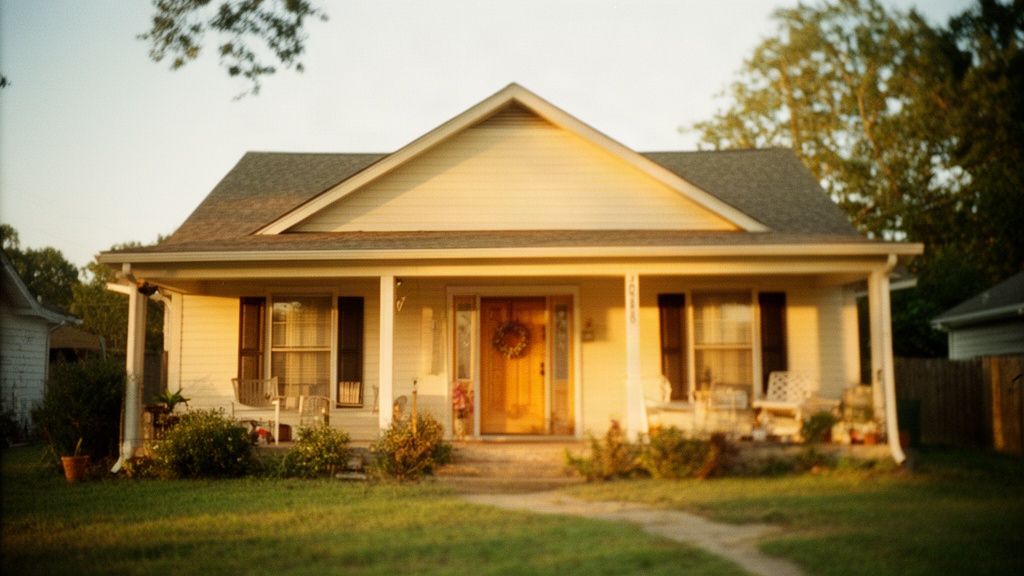
Single-family homes are the most common investment vehicle in Dover. The median home price in Dover currently sits in the low-to-mid $300,000 range as of September 2026, though prices vary considerably by neighborhood and condition. Older ranches and Cape Cods in areas like Woodbrook and Rodney Village, many built in the 1960s through 1980s, can be acquired at lower price points and often need cosmetic updating. Newer construction in communities along the Route 8 corridor or near the Scarborough Road area commands higher prices but requires less immediate capital expenditure.
A three-bedroom, two-bathroom single-family home in good condition in Dover is currently renting for approximately $1,600 to $2,000 per month depending on location, updates, and amenities. Homes with a garage, updated kitchen, or proximity to the base tend to land at the higher end of that range. For current context on what homes are selling for right now, see the September 2026 Dover home price update.
Small Multifamily Properties
Duplexes and small apartment buildings exist in Dover but are less common on the open market than single-family homes. When they do appear, they tend to be concentrated in older sections of the city closer to downtown, particularly near the Legislative Mall and along Loockerman Street. These properties can generate stronger gross income than a single-family home at a similar price point, but they also carry more management complexity, higher insurance costs, and sometimes deferred maintenance from previous owner-landlords who underinvested in upkeep.
If you are evaluating a duplex or triplex in Dover, budget for a thorough inspection that includes the roof, electrical panels (older properties in this area may still have outdated wiring), plumbing, and HVAC for each unit. Deferred maintenance on a multifamily property can erase months of rental income quickly.
New Construction as an Investment Vehicle
Dover has seen active new construction activity in 2026, with several residential communities adding inventory to the market. New builds typically carry a price premium over comparable resale homes, but they come with builder warranties, modern mechanicals, and lower near-term maintenance costs. For investors who want to hold for five or more years without major capital expenditure, a new construction rental can make sense even at a higher entry price. The full picture of what is being built right now is covered in the 2026 Dover new construction guide.
3. Understanding Dover's Rental Market in September 2026
Dover's rental market is active and relatively tight compared to smaller Delaware towns. Demand from military families, university-affiliated renters, healthcare workers, and state government employees creates a baseline occupancy level that holds even when the broader economy slows. Understanding the nuances of that demand helps investors price rents correctly and minimize vacancy.
Vacancy Rates and Absorption
Well-priced, well-maintained rentals in Dover are typically leased within two to four weeks of being listed. Properties that sit longer are usually overpriced for their condition or location, or both. The military rental cycle follows PCS season, which peaks in the late spring and early summer, so landlords who list in May or June often see the strongest applicant pools. Listing in the fall is still workable, particularly for properties near Delaware State University, where the academic calendar drives a separate wave of demand in August.
Typical Rent Ranges by Property Type
Current rent ranges in Dover as of September 2026 reflect a market that has appreciated meaningfully over the past several years. Two-bedroom apartments and condos are renting in the $1,200 to $1,500 range. Three-bedroom single-family homes in good condition are commanding $1,600 to $2,000. Four-bedroom homes with two full bathrooms and a garage are reaching $2,100 to $2,400 in some pockets. These figures assume properties are updated and well-maintained; a rental with an outdated kitchen or aging HVAC will price lower and attract a narrower applicant pool.
For a broader look at how investment markets across Delaware compare, this analysis from HouseCashin on investing in Dover, DE provides useful context on rental yields and market characteristics specific to the city.
4. Carrying Costs Every Dover Investor Must Budget
Gross rent is not your return. Every investor needs to model the full cost stack before making an offer, because the gap between gross rent and net cash flow is where deals that looked good on paper fall apart in practice.
Property Taxes
Property taxes in Dover are assessed at the county level through Kent County, with a separate City of Dover levy on top. On a $300,000 property, the combined annual tax bill typically runs in the range of $1,800 to $2,400, which is low by mid-Atlantic standards. Delaware also allows investors to deduct property taxes as a business expense on rental properties, which reduces the effective cost further. Confirm the exact assessed value and current millage rate on any specific property before you close; assessed values in Delaware do not always track sale prices in real time.
Insurance, Maintenance, and Management
Landlord insurance on a single-family rental in Dover currently runs roughly $1,200 to $1,800 per year for a standard policy, though properties with older roofs or in flood-prone areas will cost more. Maintenance and repairs should be budgeted at one percent of the property's value annually as a baseline; older homes may need more. If you hire a property manager, expect to pay eight to ten percent of collected rent as a management fee, plus a leasing fee of half to one month's rent when a new tenant is placed.
Dover has several local property management companies that specialize in military and long-term residential rentals. If you are an out-of-state investor or simply do not want to manage tenants directly, professional management is worth the cost for the systems and legal compliance it provides.
Financing Costs in the Current Rate Environment
Investment property loans carry higher rates than owner-occupied mortgages, typically 0.5 to 0.75 percentage points above the primary residence rate for the same borrower. As of September 2026, conventional investment property rates are in a range that makes cash flow analysis critical before you commit. Most lenders require 20 to 25 percent down on a non-owner-occupied property, and they will require documented rental income or a market rent analysis as part of underwriting. Run your numbers at both current rates and a stress-tested rate one point higher to confirm the deal still works if refinancing conditions change.
5. How to Evaluate a Deal in Dover's Market
A sound investment property in Dover meets three tests: it cash flows at current rents, it survives a vacancy period without requiring you to subsidize the mortgage, and it has a realistic path to appreciation or equity growth over your intended holding period. Properties that fail one of those tests are not automatically bad deals, but you need to understand which test they fail and why before you proceed.
Running the Numbers: Cap Rate and Cash Flow
The capitalization rate (cap rate) is the most common first filter for investment properties. It is calculated as net operating income divided by purchase price. In Dover's current market, cap rates on single-family rentals tend to fall between 5 and 7 percent for properties in good condition, with lower cap rates on newer homes and higher ones on older properties that need work. A cap rate below 5 percent in Dover's price range is a signal to look carefully at whether the rent can be grown or whether the property is simply priced too high for its income.
Cash-on-cash return is the second number that matters, especially if you are financing the purchase. This measures annual pre-tax cash flow against the cash you actually invested (down payment plus closing costs plus any immediate repairs). A cash-on-cash return of 6 to 8 percent is a reasonable target in Dover right now; anything above that is strong, and anything below 4 percent warrants a hard look at whether the deal makes sense at current financing costs.
What Due Diligence Looks Like Here
Dover has a mix of housing stock that ranges from post-World War II ranches to 1990s colonials to brand-new builds, and each era carries its own inspection priorities. Homes built before 1978 require lead paint disclosure and should be tested if you plan to rent to any household with children. Properties in low-lying areas near the St. Jones River or Silver Lake should be checked for flood zone designation through FEMA maps, as flood insurance adds meaningfully to carrying costs. Sewer and septic systems on older lots should be scoped and inspected, not assumed to be functional.
Delaware law requires landlords to maintain rental units in a habitable condition under the Delaware Residential Landlord-Tenant Code. Before closing on a rental property, verify that the property meets code requirements for smoke detectors, carbon monoxide detectors, and working utilities. If the property has existing tenants, review the existing lease carefully; Delaware law requires buyers to honor active leases in most circumstances.
Common Pitfalls in Dover Investment Purchases
Overestimating rent is the most common mistake new investors make in any market, including Dover. Before you close, get a current comparative rental analysis from a local agent who knows what properties are actually leasing for, not just what landlords are asking. The difference between asking rent and actual lease rent can be $100 to $200 per month on a Dover property, which changes the math significantly.
Underestimating renovation costs on older properties is the second most common pitfall. Dover has a substantial inventory of homes built in the 1960s through 1980s that show well on the surface but have aging HVAC systems, original plumbing, or electrical panels that need upgrading. A general contractor walkthrough before you make an offer, not just a standard home inspection, is worth the cost on any property that needs significant work.
For a broader framework on getting started with real estate investing in Delaware, Rentastic's beginner's guide to real estate investing in Delaware covers the foundational concepts in plain language, including how Delaware's landlord-tenant law and tax structure affect investor returns.
FAQ
Is Dover, Delaware a good market for rental property investment?
Dover has several characteristics that make it a consistent market for rental property: a large military population from Dover Air Force Base, a university, a major regional hospital, and state government employment that together create steady rental demand across economic cycles. The city's relatively low property taxes and Delaware's absence of a local income tax improve net returns compared to neighboring states. As with any market, results depend on the specific property, the purchase price relative to achievable rent, and how well the property is managed. An investor who buys at the right price, maintains the property, and prices rent competitively can find Dover a reliable income market.
What type of investment property works best in Dover, Delaware?
Single-family homes are the most accessible entry point for most investors in Dover, and they represent the largest share of available inventory. Three-bedroom, two-bathroom homes in good condition have the broadest tenant appeal, drawing military families, healthcare workers, and long-term renters. Small multifamily properties (duplexes and triplexes) can generate stronger gross income but are less frequently available and often require more capital for updates. New construction is an option for investors who want lower near-term maintenance costs and are comfortable with a higher purchase price. The right property type depends on your available capital, your target tenant profile, and how actively you want to manage the asset.
How long does it take to find a tenant for a rental property in Dover?
Well-priced, well-maintained rentals in Dover are typically leased within two to four weeks of being listed, based on current market conditions in September 2026. Timing matters: the late spring and early summer months align with military PCS season and produce the strongest applicant pools for properties near Dover Air Force Base. August is strong near Delaware State University as the academic year begins. Properties listed in the winter may take slightly longer to lease but still find tenants, particularly if they are priced accurately for their condition and location. Overpricing is the single biggest driver of extended vacancy in Dover's rental market.