← Back to Blog
Buying
Luxury Home Market in Ocala, Florida: What Buyers Should Know
By Cameron Cowart
Dalton Wade
September 8, 2026 · 10 min read
The luxury home market in Ocala, Florida offers something genuinely rare: acreage estates, custom-built pool homes, and gated equestrian communities at price points that would buy a fraction of the space in Miami or Tampa. If you are considering purchasing a luxury property in or around Ocala, this guide covers what the local market looks like right now, what to inspect, how to negotiate, and what makes the Ocala luxury segment different from what you may have encountered elsewhere.
1. How Ocala Defines Luxury Real Estate
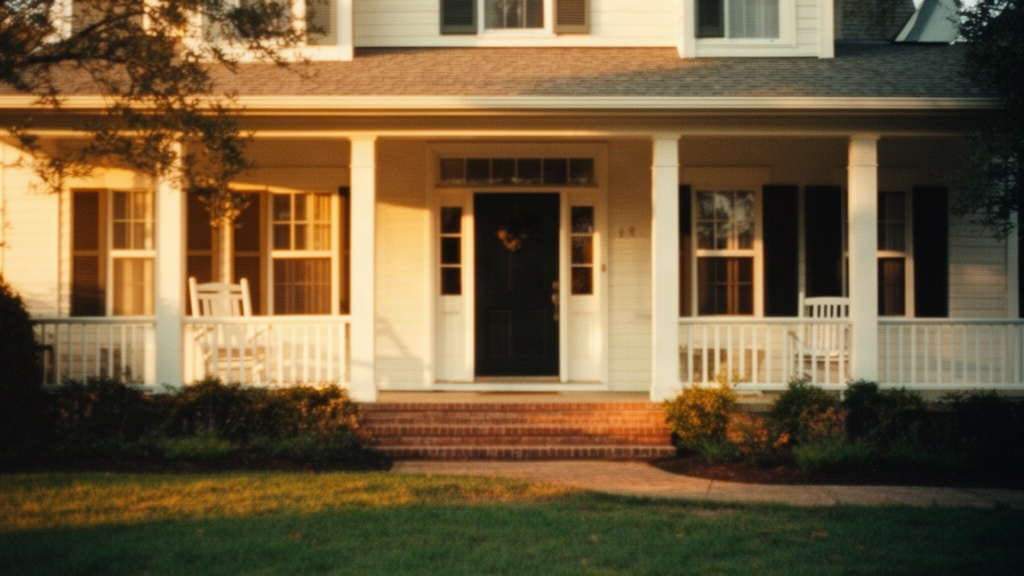
In Ocala, the luxury home market generally starts around $700,000 and extends well past $5 million for premier equestrian estates. That entry point is considerably lower than in coastal Florida markets, which means buyers relocating from South Florida, the Northeast, or California often find they can afford substantially more square footage, land, and custom finishes here than they could in their previous market.
Where the Price Floor Sits
Most local agents and appraisers in Marion County treat $700,000 as the practical threshold for the luxury tier. Homes in the $700,000 to $1.2 million range typically feature 3,500 to 5,000 square feet of finished living space, resort-style pools, three-car garages, and premium lots ranging from half an acre to several acres. Above $1.5 million, buyers increasingly find working farms, horse facilities with covered arenas, and properties that include multiple outbuildings, guest quarters, or private ponds.
Ocala sits at the center of Florida's Horse Country, a designation that carries real meaning in the luxury market. Marion County is home to more thoroughbred farms than any other county in the United States, and that heritage shapes what luxury buyers find here. Properties with equestrian infrastructure, whether that means a four-stall barn and a paddock or a full training facility with a regulation dressage ring, command a premium and attract a buyer pool that extends internationally.
The Types of Luxury Properties Available
The Ocala luxury market is not a single product. Buyers will encounter gated golf communities with custom homes on quarter-acre lots, sprawling equestrian estates on 10 to 200 acres, lakefront custom builds on private lakes, and architect-designed homes in newer subdivisions with deed-restricted lot sizes. Understanding which category matches your priorities before you start touring saves significant time.
For buyers new to the Ocala area, the broader Ocala real estate market guide covering prices, neighborhoods, and timing is a useful starting point before narrowing into the luxury segment specifically.
2. What the Ocala Luxury Market Looks Like Right Now
As of September 2026, the luxury home market in Ocala remains active but has shifted toward a more balanced dynamic compared to the frenzy of 2021 and 2022. Serious buyers have real negotiating room on many listings, particularly those that have been on the market longer than 60 days, while well-priced, move-in-ready properties in established gated communities still attract multiple offers.
Inventory and Days on Market
Luxury inventory in Marion County currently sits at a higher level than in 2023 and 2024, giving buyers more options to compare. Homes priced above $1 million are averaging roughly 90 to 120 days on market in September 2026, which is longer than the broader Ocala market average. That extended timeline is normal for luxury properties nationally, since the buyer pool is smaller and decisions involve more due diligence. It also means sellers of luxury homes are generally more willing to negotiate on price, closing costs, or inclusions than they were two years ago.
Price Trends in September 2026
Median sold prices for single-family homes above $700,000 in Marion County have held relatively steady through mid-2026, with modest appreciation in the $700,000 to $1 million tier and softer conditions above $2 million. Equestrian estates with full horse facilities, particularly those within 15 to 20 minutes of the World Equestrian Center on Northwest 80th Avenue, continue to attract buyers from Europe, South America, and the northeastern United States, which creates pockets of strong demand even when the broader luxury segment is quiet.
National data supports the picture in Ocala. Reporting from HousingWire noted that the luxury housing market entered 2025 with strong momentum, driven by high-net-worth buyers who were less sensitive to mortgage rate changes than the broader market. That dynamic has continued into 2026, and Ocala's relative affordability within the luxury tier makes it a consistent draw for buyers priced out of coastal Florida.
3. The Communities and Areas Where Luxury Properties Concentrate
Luxury properties in and around Ocala are not evenly distributed across the city. They concentrate in specific corridors and communities, each with a distinct character, price range, and set of amenities. Knowing where these clusters are helps buyers focus their search efficiently.
Gated Golf and Equestrian Communities
Golden Ocala Golf and Equestrian Club on Northwest 55th Avenue is one of the most recognized addresses in the local luxury market. The community features replica holes from some of the world's most storied golf courses, an equestrian center with stabling, and custom homes that range from approximately $800,000 to well over $3 million. The HOA infrastructure is extensive, and buyers should budget for dues that reflect the level of amenities maintained.
Paddock Park, located on the northwest side of Ocala near the I-75 corridor, offers custom-built homes on lots that accommodate small horse operations, with prices generally in the $700,000 to $1.5 million range. Nearby communities such as Turning Hawk and Halpata Tastanaki Preserve attract buyers who want gated privacy, larger lot sizes, and proximity to the Ocala National Forest without being far from SR-200 retail and dining.
Rural Estate Corridors
The northwest quadrant of Marion County, roughly along the NW 80th Avenue and NW 100th Avenue corridors, is where the county's most substantial equestrian estates sit. Properties here range from 10 to over 200 acres and often include multiple barns, covered arenas, staff quarters, and miles of private trail. The World Equestrian Center, which hosts international competitions throughout the year and draws competitors and spectators from around the world, anchors this corridor and has elevated surrounding land values meaningfully since it opened.
Buyers interested in these rural estate properties should understand that many are zoned A-1 or A-3 under Marion County's agricultural classifications, which affects what structures can be built, how the land can be used, and how property taxes are assessed. Agricultural exemptions can significantly reduce the annual tax bill on working farms, but qualifying requires active agricultural use. A local real estate attorney and a tax advisor familiar with Florida's Greenbelt Law are worth consulting before closing.
Lakefront and Custom Subdivisions
Marion County contains dozens of natural lakes, and lakefront luxury homes represent a distinct niche within the local market. Lake Weir in the southern part of the county is one of the largest, covering roughly 5,685 acres, and the surrounding area includes custom waterfront homes with private docks and boat lifts. Prices on Lake Weir waterfront range from approximately $800,000 to over $2 million depending on lot size, water frontage, and home specifications.
Newer custom subdivisions on the east and southeast sides of Ocala, such as areas near SE 58th Avenue and the Belleview corridor, offer deed-restricted lots with architectural review, paved private roads, and custom builds in the $700,000 to $1.3 million range. These communities appeal to buyers who want the aesthetic control and neighbor consistency of a planned luxury community without the density of a golf course development.
4. What to Inspect and Verify Before You Buy
Due diligence on a luxury property in Ocala goes well beyond a standard home inspection. The complexity of the structures, the acreage involved, and the specialized systems common in high-end properties all require additional expert review. Skipping any of these steps can expose a buyer to costs that dwarf the inspection fee many times over.
Beyond the Standard Home Inspection
A general home inspection is the starting point, not the finish line, for a luxury purchase. For homes above $1 million, buyers should strongly consider commissioning separate inspections for the roof, the pool and spa systems, the HVAC (especially if the home has multiple zones or a geothermal system), the electrical panel and wiring, and any backup generators. Homes with smart-home automation systems, whole-house audio, or integrated security infrastructure also benefit from a technology audit by a specialist who can identify outdated or proprietary systems that may be expensive to service.
For buyers who want to understand how ultra-high-net-worth purchasers approach property due diligence, this Forbes piece on what you can learn from ultra-wealthy buyers offers a useful perspective on the systematic, team-based approach that protects large purchases.
Well, Septic, and Land Considerations
Most luxury properties outside Ocala's city limits rely on private wells and septic systems rather than municipal water and sewer. A well inspection should include a flow rate test, a water quality test covering bacteria, nitrates, and any agricultural contaminants relevant to the surrounding land use, and an assessment of the pump and pressure tank age. Septic inspections should include a full pump-out and a load test. On acreage properties, buyers should also verify the location and condition of any drain field and confirm there is adequate space for a replacement drain field if needed.
For equestrian properties, the due diligence list expands further. Barn structures should be inspected for wood rot, roof integrity, and electrical safety. Arenas and round pens should be evaluated for footing quality and drainage. Fencing across large acreage can represent a significant replacement cost if it is aging, and buyers should walk the perimeter or review a survey to confirm fence lines match the legal property boundaries.
The general home buying process in Ocala, including timelines and cost structures, is covered in detail in the guide to buying a home in Ocala, Florida, which provides useful context even if your purchase is in the luxury tier.
5. How to Negotiate in the Ocala Luxury Market
Negotiating a luxury property purchase in Ocala requires a different approach than buying in the sub-$400,000 market. The pool of comparable sales is smaller, properties are more unique, and sellers at this price point are often less financially pressured to accept a quick deal. Knowing where your leverage actually exists is the key to a successful negotiation.
Leverage Unique to High-End Buyers
Longer days on market give buyers factual grounds to negotiate on price, particularly when a property has been listed for 90 days or more without a price reduction. In those situations, a well-supported offer that is 5 to 10 percent below list price is not unreasonable, especially when paired with a clean contract structure. Sellers who have already reduced their price once are often more open to a second negotiation than their initial list price suggests.
Inclusions are another area where luxury buyers often have negotiating room. High-end sellers sometimes prefer to negotiate on furnishings, equipment, or personal property rather than on price, because those concessions do not affect the recorded sale price of the home. For buyers who want specific items such as a tractor, farm equipment, a golf cart, or high-end audio-visual systems, asking for those inclusions explicitly in the contract can represent real value without requiring the seller to formally discount the home.
Financing and Cash Offer Dynamics
A significant portion of luxury transactions in Ocala close with cash, particularly in the equestrian estate segment where international buyers are common. If you are financing, a jumbo loan pre-approval letter from a lender who specializes in high-balance mortgages is essential before you make an offer. Sellers of luxury properties will not take a financed offer seriously without documentation that your lender has reviewed your full financial picture, not just a soft credit pull.
Jumbo loan guidelines in 2026 typically require a down payment of 20 to 30 percent, six to twelve months of reserves, and more detailed documentation of income sources than a conventional loan. Self-employed buyers, investors, or buyers with income from multiple sources should expect a longer underwriting process and should begin working with their lender at least 60 to 90 days before they plan to make an offer.
Working with an agent who understands the specific dynamics of the luxury market, including how to structure offers, how to interpret comparable sales on unique properties, and how to coordinate the extended due diligence process, is one of the most important decisions a luxury buyer can make. Cameron Cowart of Dalton Wade has worked with buyers across Ocala's luxury and equestrian segments and understands what separates a smooth closing from a costly mistake at this price point.
If you are relocating to Ocala from another metro area and want to understand how the broader market context affects your luxury search, the guide on new housing developments being built in Ocala in 2026 gives useful context on what is actively being built versus what exists in the resale market.
FAQ
What price range is considered luxury real estate in Ocala, Florida?
In Ocala and Marion County, the luxury home market is generally understood to begin around $700,000 for single-family homes. Properties in this tier typically offer 3,500 or more square feet, premium finishes, resort-style pools, and lots of at least half an acre. The upper end of the market extends past $5 million for large equestrian estates with full horse facilities near the World Equestrian Center. Buyers relocating from coastal Florida markets often find that their budget goes significantly further in Ocala than in the markets they are leaving.
Are equestrian properties in Ocala a good investment for luxury buyers?
Ocala's equestrian properties occupy a unique position in the luxury market because they attract both domestic and international buyers, particularly from Europe and South America, who are drawn to the area's horse culture and the World Equestrian Center. Demand for well-located equestrian estates near the NW 80th Avenue corridor has remained relatively resilient even during broader market softening. Buyers should understand that equestrian properties require specialized due diligence, including barn inspections, footing evaluations, and a review of agricultural zoning and tax exemption status. Working with an agent who has direct experience in this segment is important for both the purchase process and for understanding true market value on properties that have few direct comparables.
How long does it typically take to close on a luxury home in Ocala?
Luxury transactions in Ocala typically take 45 to 75 days from accepted offer to closing, though complex equestrian estates or properties with extensive acreage can take longer. The extended timeline reflects the additional due diligence involved: multiple specialized inspections, title review on larger parcels, jumbo loan underwriting (if financing is involved), and sometimes survey work or zoning verification. Cash buyers can sometimes close faster, but it is generally not advisable to rush the due diligence phase on a high-value purchase. Buyers should build adequate contingency periods into their contracts to allow time for all inspections and any resulting negotiations.