← Back to Blog
Buying
Buying a Home in Beavercreek, Ohio: Process, Costs and Timeline
By Carie Chesser
October 10, 2026 · 12 min read
Buying a home in Beavercreek, Ohio involves more steps, more costs, and more moving parts than most first-time buyers expect. This guide walks through the full process, what you will actually spend, and a realistic timeline so you can plan with confidence rather than guess.
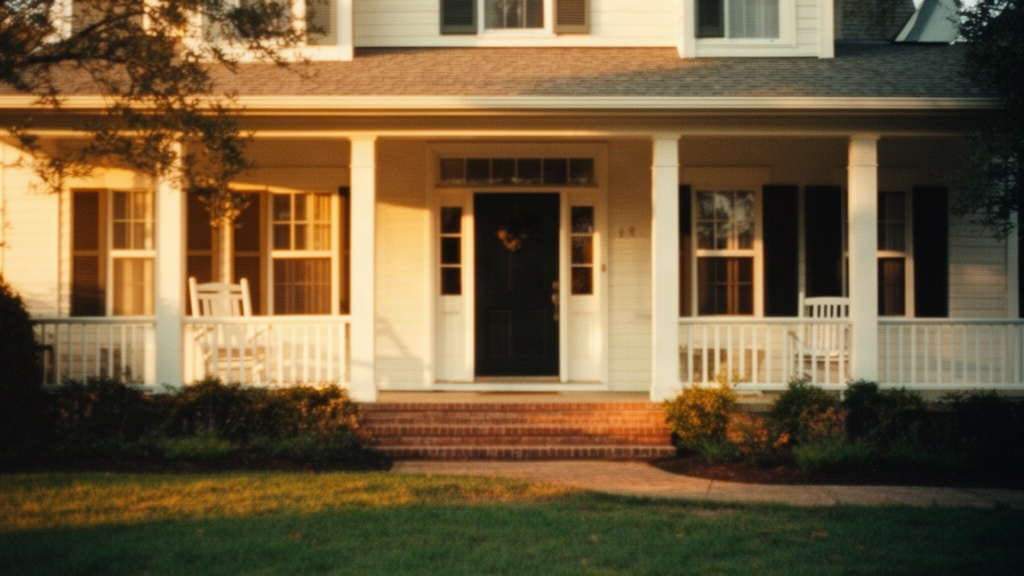
1. Why Beavercreek Buyers Need a Clear Roadmap
Beavercreek is one of the most in-demand communities in the greater Dayton metro. Situated in Greene County about 10 miles east of downtown Dayton, it borders Wright-Patterson Air Force Base and sits within easy reach of the National Museum of the U.S. Air Force, John Bryan State Park, and the retail and dining corridors along North Fairfield Road and Dayton-Yellow Springs Road. Homes here move faster than in many other Dayton-area suburbs, which means buyers who show up without a plan often lose out to buyers who do.
What Makes Beavercreek Different From Other Dayton Suburbs
Beavercreek's housing stock skews toward mid-century ranch homes, split-levels built in the 1970s and 1980s, and newer construction subdivisions developed through the 2000s and 2010s. Lot sizes tend to be generous compared to older Dayton neighborhoods, with many properties sitting on a quarter acre or more. The city has no municipal income tax, which is a meaningful financial distinction from neighboring Kettering or Dayton proper and factors into many buyers' total cost calculations.
The proximity to Wright-Patterson Air Force Base creates a consistent wave of relocating buyers who arrive with firm move-in deadlines. That steady demand keeps inventory lean even when the broader Dayton market softens slightly. If you are relocating to the area yourself, or simply competing against buyers who are, understanding the pace of this market before you start shopping is the single most useful thing you can do.
How Competitive Is the Beavercreek Market Right Now
As of September 2026, Beavercreek median home prices are running in the low-to-mid $300,000s for established resale homes, with newer construction in desirable subdivisions like Wynstone or Sugarcreek Township border areas often clearing $400,000 or more. Well-priced homes in the $250,000 to $350,000 range routinely receive multiple offers within the first weekend. Days on market for that price band has been hovering around 7 to 14 days. Above $400,000, competition is still present but buyers typically have a bit more time to decide.
For a broader look at how Beavercreek fits into the wider Dayton metro picture, the Dayton Ohio Real Estate Market Trends guide covers current pricing, inventory levels, and what is driving movement across the region right now.
2. The Full Home Buying Process in Beavercreek, Step by Step
Buying a home in Beavercreek, Ohio follows the same general sequence as any Ohio purchase, but the local pace and competition mean certain steps carry more weight here than they might elsewhere. Skipping or rushing the early steps is the most common reason buyers lose homes they wanted.
Getting Pre-Approved and Setting a Budget
Pre-approval is not the same as pre-qualification. Pre-qualification is a rough estimate based on self-reported numbers. Pre-approval involves a lender pulling your credit, verifying income documents, and issuing a conditional commitment letter. Sellers in Beavercreek will not take your offer seriously without a pre-approval letter attached, and in a multiple-offer situation, a letter from a well-known local or regional lender often carries more weight than one from an online-only lender the listing agent has never heard of.
Ohio mortgage rates as of September 2026 are worth checking directly before you lock in a lender. Forbes Advisor maintains a current Ohio mortgage and refinance rate tracker that is updated regularly and lets you compare rates across multiple lender types. Even a quarter-point difference on a $310,000 loan changes your monthly payment by roughly $50 and your total interest paid by tens of thousands over the life of the loan.
When setting your budget, work backward from your maximum comfortable monthly payment, not forward from the maximum loan amount a lender will approve. Lenders approve you for the most they will lend; they do not tell you what is comfortable for your actual life. Factor in property taxes, homeowner's insurance, and any HOA dues before you land on a target price range.
Searching and Making an Offer
Once you are pre-approved, the active search phase begins. In Beavercreek, homes in the most sought-after price ranges appear on the MLS and go under contract before many buyers have scheduled a showing. Your agent needs to set up automated alerts so you hear about new listings the moment they hit, not the next day. Plan to tour homes quickly, often within 24 to 48 hours of listing.
When you find the right home, your offer needs to be clean and competitive. In Beavercreek's current market, that often means offering at or above list price on well-priced homes, limiting contingencies where you can do so safely, and providing a meaningful earnest money deposit, typically 1 to 2 percent of the purchase price. An earnest money deposit of $3,000 to $6,000 on a $300,000 home signals that you are serious and financially capable.
Under Contract: Inspections, Appraisal and Clear to Close
Once your offer is accepted, the clock starts on a series of deadlines written into your purchase contract. Ohio contracts typically give buyers 10 to 15 days to complete a home inspection. You hire and pay for the inspector directly. A standard whole-home inspection in the Dayton area runs $350 to $500 depending on the home's size. Radon testing, which is worth adding given Ohio's elevated radon levels, adds another $100 to $150.
After inspection, your lender will order an appraisal to confirm the home's value supports the loan amount. Appraisals in the Dayton metro currently run $500 to $700 and take one to two weeks to complete. If the appraisal comes in below your purchase price, you will need to negotiate with the seller, make up the difference in cash, or exercise your appraisal contingency to exit the contract. Your lender will also run final underwriting during this window, verifying all your financial documents one more time before issuing the clear to close.
3. What Does It Actually Cost to Buy a Home in Beavercreek, Ohio
The purchase price is only one part of what you will spend. Buyers in Beavercreek routinely underestimate the cash needed at and before closing. Here is a breakdown of what to expect, using a $310,000 purchase as a reference point.
Upfront and Out-of-Pocket Costs
- Down payment: 3 to 20 percent of the purchase price. On a $310,000 home, that is $9,300 (FHA minimum with qualifying credit) to $62,000 (conventional 20 percent). Most Beavercreek buyers using conventional loans put down 5 to 10 percent.
- Earnest money deposit: $3,000 to $6,200 on a $310,000 purchase. This is paid upfront when your offer is accepted and credited back to you at closing, so it is not an added cost, but it is cash you need available immediately.
- Home inspection: $350 to $500 for a standard inspection, plus $100 to $150 for radon testing. Paid directly to the inspector before or at the time of inspection.
- Appraisal: $500 to $700, typically collected by your lender as part of your loan application fees.
- Closing costs: 2 to 5 percent of the loan amount. On a $300,700 loan (after a 3 percent down payment), that is roughly $6,000 to $15,000. Closing costs include lender origination fees, title insurance, title search, recording fees, prepaid homeowner's insurance, and prepaid property taxes.
- Moving costs: Local moves within the Dayton metro typically run $800 to $2,500 depending on volume and whether you use full-service movers or a truck rental.
Bankrate publishes a detailed breakdown of the complete costs of buying a home in today's market, including which fees are negotiable and which are fixed. It is worth reading before you sit down with a lender so you can ask informed questions.
Ongoing Costs After Closing
- Property taxes: Greene County property taxes on a $310,000 home run approximately $3,800 to $5,200 per year depending on the specific parcel and any applicable exemptions. Ohio's homestead exemption can reduce your taxable value if you qualify.
- Homeowner's insurance: Expect $1,200 to $1,800 annually for a standard policy on a mid-range Beavercreek home. Older homes with outdated electrical panels or roofs over 15 years old may cost more to insure.
- HOA dues: Not all Beavercreek neighborhoods have an HOA, but many newer subdivisions do. Dues range from $100 to $400 per year for basic common area maintenance up to $200 or more per month in communities with amenities like pools or maintained green space.
- Private mortgage insurance (PMI): If your down payment is less than 20 percent on a conventional loan, you will pay PMI, typically 0.5 to 1.5 percent of the loan amount per year. On a $300,000 loan, that is $1,500 to $4,500 annually until you reach 20 percent equity.
- Maintenance reserve: A reasonable rule of thumb is budgeting 1 percent of the home's value per year for maintenance and repairs. On a $310,000 home, that is $3,100 annually set aside for HVAC servicing, water heater replacement, roof repairs, and the dozens of other things homeownership requires.
4. Realistic Timeline for Buying a Home in Beavercreek
Most buyers in Beavercreek should plan for a total timeline of 60 to 120 days from the moment they decide to start seriously looking to the day they receive keys. That range is wide because the search phase is the most unpredictable part. Some buyers find the right home in two weeks; others search for three months before writing an offer that sticks.
From Pre-Approval to Closing: Week by Week
- Weeks 1 to 2: Gather financial documents (two years of tax returns, recent pay stubs, two months of bank statements), submit your pre-approval application, and meet with your buyer's agent to define your search criteria and price range.
- Weeks 2 to 8 (varies widely): Active home search. Tour properties, refine your criteria based on what you see in person, and write offers as the right homes appear. This phase can be as short as two weeks or as long as three months depending on inventory and how quickly you are comfortable making decisions.
- Days 1 to 3 after accepted offer: Deliver earnest money to the title company or escrow holder. Submit your full mortgage application to your lender with the signed purchase contract.
- Days 5 to 15 after accepted offer: Schedule and complete home inspection. Review the inspection report with your agent and decide whether to request repairs, a price reduction, or to proceed as-is.
- Days 10 to 25 after accepted offer: Lender orders and completes appraisal. Underwriting reviews your full file and issues conditional approval, then final clear to close.
- Days 28 to 45 after accepted offer: Closing day. You will sign a significant stack of documents, wire your closing funds, and receive the keys. Most Ohio closings take two to three hours at the title company's office.
What Can Slow Your Timeline Down
Lender delays are the most common reason closings push back. If your lender is slow to order the appraisal, or if underwriting asks for additional documentation and you are slow to respond, a 30-day closing can easily stretch to 45 or 50 days. Responding to lender requests within 24 hours is one of the most effective things you can do to keep your closing on schedule.
Inspection negotiations can also add time if the seller needs several days to consider repair requests. Title issues, such as an old lien that was never properly released, occasionally surface during the title search and require legal resolution before closing can proceed. These situations are not common, but they do happen, and having a knowledgeable local agent guiding you through them makes a significant difference in how quickly they get resolved.
5. Should You Use a Local Agent When Buying in Beavercreek
Yes, and the reason is specific to how this market works, not a generic argument for using any agent. In Beavercreek, some of the best homes sell before they ever appear on public search portals. Listing agents sometimes reach out to buyer's agents they know and trust before entering a property into the MLS. Buyers without a well-connected local agent simply never hear about those homes.
What a Buyer's Agent Actually Does
A buyer's agent handles far more than scheduling showings. They analyze comparable sales to tell you whether a list price is reasonable or inflated, write and negotiate your offer, coordinate the inspection and appraisal timeline, communicate with the listing agent and the title company, and flag problems before they become expensive surprises. According to the NAR 2025 Profile of Home Buyers and Sellers, the vast majority of buyers still work with a real estate agent, and those who do consistently report that help negotiating terms and understanding the purchase process were among the most valued services their agent provided.
In Ohio, buyer's agent compensation is negotiated as part of the transaction. Since the industry changes that took effect in 2024, buyers are required to sign a buyer representation agreement before touring homes with an agent. That agreement spells out how the agent is compensated and for how long they represent you. Read it carefully and ask questions before you sign.
Why Local Knowledge Matters in Greene County
Beavercreek sits entirely within Greene County, but the city limits touch several township lines and the pricing, deed restrictions, and utility infrastructure can vary meaningfully from one subdivision to the next. An agent who works this market regularly knows which streets have older sewer infrastructure that may need attention, which subdivisions carry active HOAs with strict architectural guidelines, and which pockets of the city tend to appraise conservatively. That kind of granular knowledge is not available in any online search tool.
For a deeper look at what to look for when choosing the right agent for your Beavercreek purchase, the guide on choosing a Realtor in Dayton, Ohio for the first time walks through the specific questions to ask and the credentials that actually matter in this market.
If you are weighing whether timing is right for your purchase, the article on whether right now is a good time to buy a house in Dayton, Ohio gives a current, honest look at the factors that should shape that decision.
FAQ
How much do I need saved before buying a home in Beavercreek, Ohio?
Plan to have at least 3 to 5 percent of the purchase price for a down payment, plus another 2 to 5 percent for closing costs, plus inspection and appraisal fees. On a $310,000 home, that means having $20,000 to $35,000 in accessible savings before you start making offers, depending on your loan type and how much of your closing costs you negotiate the seller to cover. FHA loans allow as little as 3.5 percent down with a 580 credit score, but you will also pay an upfront mortgage insurance premium and ongoing monthly MIP. Having a cash cushion beyond your closing funds is also wise, since most homes need some work or purchases after you move in.
How long does the home buying process take in Beavercreek?
From the day you start seriously preparing to the day you close, most buyers in Beavercreek should budget 60 to 120 days. The pre-approval process takes one to two weeks. The active search phase varies the most, anywhere from two weeks to three months depending on inventory and how quickly you are comfortable making decisions. Once your offer is accepted, closing typically takes 30 to 45 days. Buyers who are fully pre-approved, have their documents organized, and respond quickly to lender requests tend to close on the faster end of that range.
Do home buyers in Ohio pay their own agent's commission?
Since the National Association of Realtors settlement changes took effect in 2024, buyer's agent compensation is no longer automatically built into every transaction the same way it historically was. In practice, many sellers in the Dayton area still offer to cover buyer's agent compensation as part of their listing terms, but this is now negotiated rather than assumed. Before you start touring homes, your agent will have you sign a buyer representation agreement that clearly states the compensation amount or percentage and who is expected to pay it. Read that agreement carefully and discuss it with your agent so there are no surprises at closing.