
← Back to Blog
Buying
Buying a Home in Kettering, Ohio: Process, Costs and Timeline
By Carie Chesser
October 2, 2026 · 13 min read
Buying a home in Kettering, Ohio involves more moving parts than most first-time buyers expect, from securing financing and making a competitive offer to navigating inspections and closing costs in a market that moves quickly. This guide walks through every stage of the process with real numbers, local context, and the specific details that matter in Kettering's housing market right now.
1. What Makes Kettering's Housing Market Distinct
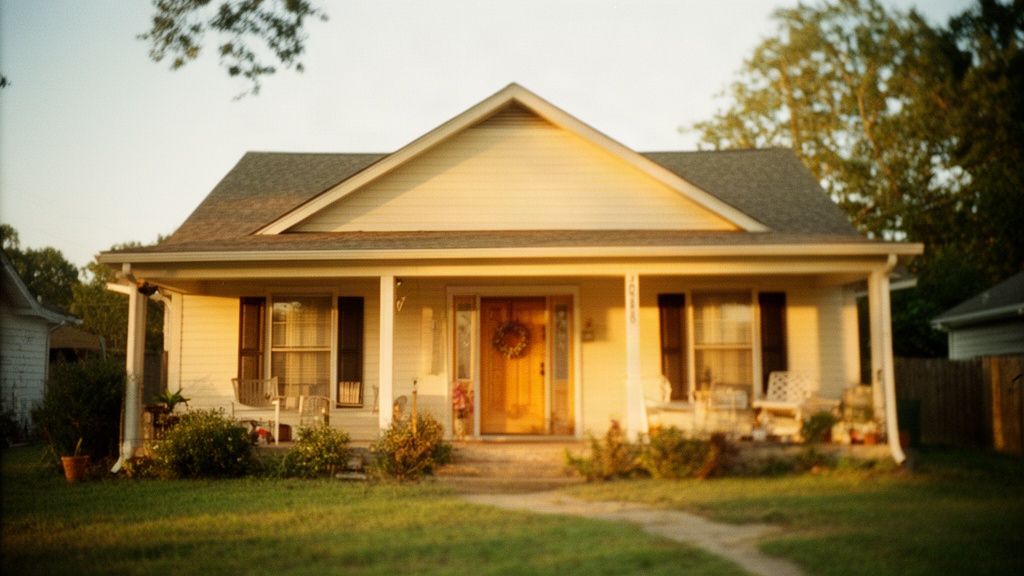
Kettering sits directly south of Dayton, separated from the city by a clear boundary along Stroop Road and Dorothy Lane. It is a fully built-out inner-ring suburb of roughly 55,000 residents, which means the housing stock is primarily mid-century construction: brick ranch homes, split-levels, and Cape Cods built between the 1940s and 1970s, with a smaller number of newer infill properties and remodeled colonials. Lot sizes typically run from 0.15 to 0.35 acres, and most streets are tree-lined with mature canopy that gives the city a settled, established feel.
Housing Stock and Price Ranges
Kettering's median home price in September 2026 sits in the low-to-mid $200,000s. Entry-level ranches and smaller split-levels in the northern and central parts of the city generally list between $160,000 and $210,000. Larger homes with updated kitchens, finished basements, or proximity to Kettering's parks and recreation facilities, particularly near Delco Park or the Kettering Recreation Complex on Shroyer Road, tend to list in the $220,000 to $290,000 range. Fully renovated or larger colonials in the southern end near Moraine or Washington Township can push past $300,000.
The city's inventory has remained tight throughout 2026. Well-priced homes, particularly those between $175,000 and $230,000, regularly receive multiple offers within the first week. Sellers in this price band have held strong negotiating positions, and buyers should be prepared to move decisively rather than taking a leisurely approach to touring and deciding.
How Kettering Compares to the Broader Dayton Market
Kettering generally prices slightly above Dayton proper but below newer suburban developments further south like Centerville or Springboro. The trade-off buyers get is location: Kettering is roughly five to ten minutes from downtown Dayton via I-675 or the surface streets along Far Hills Avenue, and the city's own amenities, including the Fraze Pavilion outdoor concert venue, the Kettering Medical Center on Washington Mill Road, and the network of bike paths connecting to the Great Miami River trail system, reduce the need to travel far for everyday needs. For buyers weighing Kettering against other Dayton-area communities, the Dayton, Ohio Real Estate Market Guide offers a useful side-by-side look at how different parts of the metro compare on price and inventory.
2. The Step-by-Step Process for Buying a Home in Kettering, Ohio
The process of buying a home in Kettering follows Ohio's standard real estate transaction framework, but the pace and competitive dynamics of the local market shape how each step actually plays out. Here is what to expect at each stage.
Step 1: Get Pre-Approved
Pre-approval is not optional in Kettering's current market; it is the entry ticket. Sellers and their agents routinely decline to schedule showings for buyers who cannot produce a pre-approval letter. A pre-approval means a lender has reviewed your income, assets, credit score, and debt-to-income ratio and issued a conditional commitment to lend up to a specific amount. This is different from a pre-qualification, which is a much softer estimate based on self-reported information. Use a lender who can close in 25 to 30 days, because sellers in Kettering often favor buyers who can move quickly.
Local lenders and mortgage brokers familiar with Montgomery County's recording and title processes can sometimes shave days off the closing timeline compared to national online lenders who are less familiar with Ohio-specific requirements. Ask your agent for referrals to lenders who have closed deals in Kettering recently.
Step 2: Define Your Search and Tour Homes
Kettering is roughly 19 square miles, and the character of the housing stock shifts noticeably from one section to another. Homes near the Dorothy Lane corridor tend to be smaller ranches with original mid-century details. Streets closer to Kettering's southern boundary near Wilmington Pike include more split-levels and larger lots. The area around Delco Park on Kettering Boulevard features a mix of brick ranches and two-story homes within walking distance of the park's ball fields, tennis courts, and fishing pond.
When touring, pay close attention to the age and condition of major systems: furnaces, water heaters, electrical panels, and roofs in homes built in the 1950s and 1960s are frequently at or near the end of their useful lives. A home priced at $195,000 with a 25-year-old roof and an aging HVAC system may need $15,000 to $20,000 in near-term capital expenditures, which changes the true cost picture significantly.
Step 3: Make an Offer
Offer strategy in Kettering depends heavily on the specific price band and how long the home has been listed. Homes priced under $230,000 that are in good condition and have been on the market fewer than five days frequently attract offers at or above list price. Homes that have sat for two to three weeks, particularly if they have had a price reduction, give buyers more room to negotiate. Your agent will pull recent comparable sales in Kettering, not just broad Montgomery County data, to anchor the offer price to what the local market has actually supported.
Ohio purchase contracts include contingencies for inspection, financing, and appraisal as standard provisions. In a competitive multiple-offer situation, buyers sometimes waive or shorten contingency periods, but this carries real risk. Discuss the trade-offs with your agent before removing any contingency, particularly the inspection contingency on older Kettering homes where deferred maintenance is common.
Step 4: Inspections and Due Diligence
Once a seller accepts your offer, the inspection period in Ohio typically runs ten to fifteen days. A general home inspection costs between $350 and $500 for a typical Kettering home and takes two to three hours. For older homes, buyers often add a sewer scope ($150 to $200) to check the lateral sewer line running from the house to the street, since clay tile sewer lines from the 1950s and 1960s are prone to root intrusion and cracking. A radon test ($125 to $175) is also worth adding, as radon levels in the Dayton area can be elevated due to the region's geology.
After the inspection, buyers can request repairs, a price reduction, or a seller credit toward closing costs. Sellers in Kettering's current market are not obligated to agree, and in competitive situations many will simply decline and wait for a buyer willing to take the property as-is. Knowing which issues are deal-breakers versus which are negotiating points is where an experienced local agent earns their fee. For a detailed look at how the broader Dayton market is behaving right now, see the article on Dayton, Ohio real estate market trends.
Step 5: Appraisal and Final Loan Approval
Your lender will order an appraisal after the inspection period closes. The appraiser visits the property and compares it to recent sales of similar homes in Kettering and immediately adjacent areas to determine its market value. If the appraisal comes in at or above the purchase price, the loan moves forward. If it comes in below, you have options: the seller can reduce the price to the appraised value, you can pay the difference in cash, you can negotiate a split, or you can walk away using your appraisal contingency.
The National Association of Realtors outlines the full sequence of events between a signed contract and closing day in their consumer guide to steps between signing and closing, which is a useful reference for buyers who want to understand what their lender and title company are doing behind the scenes during this phase.
Step 6: Closing Day
Closings in Ohio are typically conducted at a title company's office, and in the Dayton area most closings happen in Montgomery County. You will sign a stack of loan documents, pay your closing costs and down payment via wire transfer or certified check, and receive the keys. The deed is then recorded with the Montgomery County Recorder's Office, officially transferring ownership. The entire closing appointment usually takes 60 to 90 minutes.
3. What It Costs to Buy a Home in Kettering, Ohio
The purchase price is only part of what buying a home in Kettering, Ohio actually costs. Buyers need to budget for upfront costs before closing, closing costs paid at the table, and ongoing costs that begin the day they take ownership. Understanding all three categories prevents the unpleasant surprise of running short on cash at the closing table.
Upfront Costs Before Closing
- Earnest money deposit: Typically 1% of the purchase price in Kettering, paid within a day or two of offer acceptance. On a $210,000 home, expect to put down roughly $2,100. This money is held in escrow and credited toward your down payment at closing.
- Home inspection: $350 to $500 for a general inspection; add $150 to $200 for a sewer scope and $125 to $175 for radon testing. These are paid directly to the inspector at the time of service and are not refundable even if the deal falls through.
- Appraisal fee: $500 to $700 in the Dayton metro area, typically collected by the lender before the appraisal is ordered. Some lenders roll this into closing costs; confirm with your loan officer.
- Down payment: Varies by loan type. Conventional loans can go as low as 3% down, FHA loans require 3.5%, VA and USDA loans can be zero down for qualifying buyers. On a $210,000 purchase, a 3.5% FHA down payment is $7,350; a 10% conventional down payment is $21,000.
Closing Costs Breakdown
Closing costs in Ohio typically run between 2% and 4% of the loan amount for buyers. On a $200,000 loan, that is $4,000 to $8,000 due at the closing table, in addition to your down payment. The largest line items are lender origination fees, title insurance (both lender's and owner's policies), prepaid homeowner's insurance, prepaid property taxes, and attorney or settlement fees.
- Lender origination and underwriting fees: $800 to $1,500, depending on the lender.
- Title insurance (lender's policy): Roughly $400 to $700 on a Kettering-priced home. The owner's title policy, which protects you rather than the lender, adds another $300 to $600 and is strongly recommended on older properties where title history can be complex.
- Prepaid homeowner's insurance: Lenders require the first year's premium paid at closing. Annual premiums for a Kettering home typically run $900 to $1,400.
- Prepaid property taxes: Montgomery County collects property taxes in arrears, so you will prepay several months into an escrow account. Kettering's effective property tax rate is approximately 1.8% to 2.1% of assessed value, which on a $210,000 home translates to roughly $3,780 to $4,410 per year.
- Recording fees: Montgomery County charges fees to record the deed and mortgage, typically $100 to $200 total.
Ohio First-Time Buyer Programs That Can Help
Ohio has several programs that can reduce out-of-pocket costs for qualifying buyers. The Ohio Housing Finance Agency (OHFA) offers the Your Choice! Down Payment Assistance program, which provides either 2.5% or 5% of the home's purchase price as a forgivable grant or deferred loan to cover down payment and closing costs. Income and purchase price limits apply, and Kettering's price range puts most homes well within the program's thresholds. OHFA also offers a Grants for Grads program for recent college graduates and a mortgage tax credit through the Ohio Mortgage Tax Credit program.
Forbes Advisor maintains a regularly updated summary of Ohio first-time homebuyer programs that covers eligibility requirements, income limits, and how to apply for OHFA assistance. It is worth reviewing before you finalize your financing strategy, because these programs can meaningfully reduce the cash you need at closing.
4. How Long Does the Process Take in Kettering?
From the day you start seriously searching to the day you close, buying a home in Kettering, Ohio typically takes 60 to 120 days. That range reflects the variability in how long it takes to find the right home in a market with limited inventory, not the closing process itself, which is more predictable.
Timeline From Pre-Approval to Closing
- Pre-approval: 3 to 7 business days if you have your financial documents organized. Gather two years of tax returns, recent pay stubs, two months of bank statements, and a list of all debts before you contact a lender.
- Home search: Highly variable. In Kettering's current market, buyers who are decisive and well-prepared often find a home within 2 to 6 weeks. Buyers who are still refining their priorities or who have a very narrow set of requirements may search for 2 to 4 months.
- Offer to accepted contract: 1 to 5 days, including any counter-offer negotiation.
- Inspection period: 10 to 15 days from contract acceptance, including scheduling the inspector and completing any repair negotiations.
- Appraisal: Ordered after inspection period; typically takes 7 to 14 days for the appraiser to visit and deliver the report in the Dayton metro area.
- Final loan approval (clear to close): 5 to 10 business days after the appraisal is received, assuming no outstanding conditions on your loan file.
- Closing: Typically scheduled 25 to 35 days after the contract is signed, though sellers sometimes negotiate a longer or shorter period based on their own move-out timeline.
What Can Slow Things Down
Several factors specific to Kettering's older housing stock can add time to the process. Inspection findings that require follow-up from a specialist, such as a structural engineer reviewing a foundation crack or an HVAC technician evaluating an aging furnace, can add three to five business days to the inspection period. Title issues on homes that have changed hands multiple times since the 1950s occasionally surface and require additional research by the title company to resolve.
Loan file issues are the most common source of delay. If your lender's underwriter requests additional documentation, such as a letter explaining a gap in employment or documentation of a large deposit in your bank account, responding quickly is critical. Every day of delay in responding to an underwriter condition is a day added to the closing timeline. Buyers who gather all their documents before applying and respond to lender requests within 24 hours close on time far more often than those who treat it casually.
If you are still deciding whether this is the right time to buy in the Dayton area, the article on whether now is a good time to buy a house in Dayton, Ohio walks through current interest rate conditions, inventory trends, and what buyers are actually experiencing in the market right now.
5. Choosing the Right Agent for Buying a Home in Kettering, Ohio
Kettering's market rewards buyers who have a knowledgeable local agent guiding their decisions. An agent who knows Kettering well will recognize when a list price is aggressive versus realistic, flag red flags in a seller's disclosure that a less experienced agent might overlook, and know which title companies and lenders close transactions smoothly in Montgomery County. These details are not visible from a national real estate portal.
Under Ohio's current buyer agency rules, buyers must sign a written buyer agency agreement before touring homes with an agent. This agreement outlines how the agent is compensated and what services they will provide. Make sure you understand the terms before signing, and ask the agent to walk you through their process for representing buyers specifically in Kettering and the surrounding Dayton suburbs.
For guidance on evaluating agents before you commit, the article on how to tell if a Dayton, Ohio real estate agent is experienced covers the specific questions to ask and the signals that separate agents with genuine local knowledge from those with generic experience.
FAQ
How much do I need saved before buying a home in Kettering, Ohio?
For a home priced around $210,000, a buyer using a 3.5% FHA loan needs roughly $7,350 for the down payment plus $5,000 to $8,000 for closing costs, plus $600 to $700 for inspections and the appraisal. That puts the total cash needed in the $13,000 to $16,000 range before accounting for any down payment assistance. Ohio Housing Finance Agency programs can reduce this significantly for qualifying buyers, potentially covering the down payment and a portion of closing costs. Buyers using conventional financing with 10% down on the same home would need closer to $21,000 plus closing costs. Having three to six months of mortgage payments in reserve after closing is also advisable, particularly in Kettering's older housing stock where unexpected repairs are common.
Is Kettering, Ohio a buyer's market or a seller's market right now?
As of September 2026, Kettering's market continues to favor sellers in the most active price range, roughly $160,000 to $240,000, where inventory is limited and well-priced homes often attract multiple offers within the first week. Above $260,000, the market is more balanced, with homes sitting longer and sellers showing more willingness to negotiate on price or concessions. Buyers in the competitive lower price band should be prepared with a strong pre-approval, a clear sense of their priorities, and the ability to make a decision quickly after touring. Working with an agent who monitors Kettering's active listings daily gives buyers the best chance of acting before a desirable home receives competing offers.
What are the property taxes like in Kettering, Ohio?
Kettering sits in Montgomery County, which collects property taxes in arrears. The effective tax rate in Kettering generally runs between 1.8% and 2.1% of a home's assessed value, depending on the specific parcel and any applicable tax levies. On a home assessed at $210,000, that translates to approximately $3,780 to $4,410 per year, or roughly $315 to $368 per month added to your mortgage payment through an escrow account. Ohio assesses property at 35% of its appraised value, so the assessed value on a $210,000 home would be approximately $73,500, and the millage rates applied to that assessed value determine the final tax bill. Your lender will calculate the exact escrow amount based on the current tax records for the specific property you are purchasing.