← Back to Blog
Buying
Homes for Sale in Dayton, Ohio: Buyer's Guide
By Carie Chesser
August 23, 2026 · 6 min read
If you are searching for homes for sale in Dayton, Ohio, you are stepping into one of the Midwest's most active and genuinely affordable housing markets. This guide covers what the local market looks like right now, what to expect across Dayton's distinct neighborhoods, and how to position yourself to compete when the right home comes along.
1. What the Dayton Housing Market Looks Like in August 2026
Dayton's market has momentum. Homes for sale in Dayton are moving steadily, and while inventory has loosened slightly compared to the tight conditions of recent years, well-priced homes in sought-after zip codes are still drawing multiple offers within the first week of listing.
Price Trends and Inventory
As of August 2026, median home prices in the Dayton metro area are sitting in the low-to-mid $200,000s, though this varies considerably by area. Ohio home prices are up roughly 5% year over year, according to recent reporting from HousingWire, and Dayton reflects that trend. Inventory has risen from the historic lows of 2023 and 2024, giving buyers more options, but price cuts are also becoming more common on homes that are overpriced at list.
Buyers who have been sitting on the sidelines waiting for a crash are unlikely to find one here. Dayton's affordability relative to Columbus, Cincinnati, and most coastal markets continues to draw steady buyer demand, including from investors and relocating professionals.
How Dayton Compares to the Broader Ohio Market
Dayton has drawn national attention as one of the Midwest's stronger markets for value. The city's combination of lower price points, a diversified local economy anchored by Wright-Patterson Air Force Base, healthcare systems like Kettering Health and Premier Health, and the University of Dayton creates a stable demand base that keeps the market from the boom-bust swings seen in other cities.
Nationally, existing-home sales data tracked by the National Association of Realtors shows that Midwest markets continue to outperform on affordability and sales volume. Dayton fits squarely within that pattern.
2. A Look at Dayton's Neighborhoods and Housing Stock
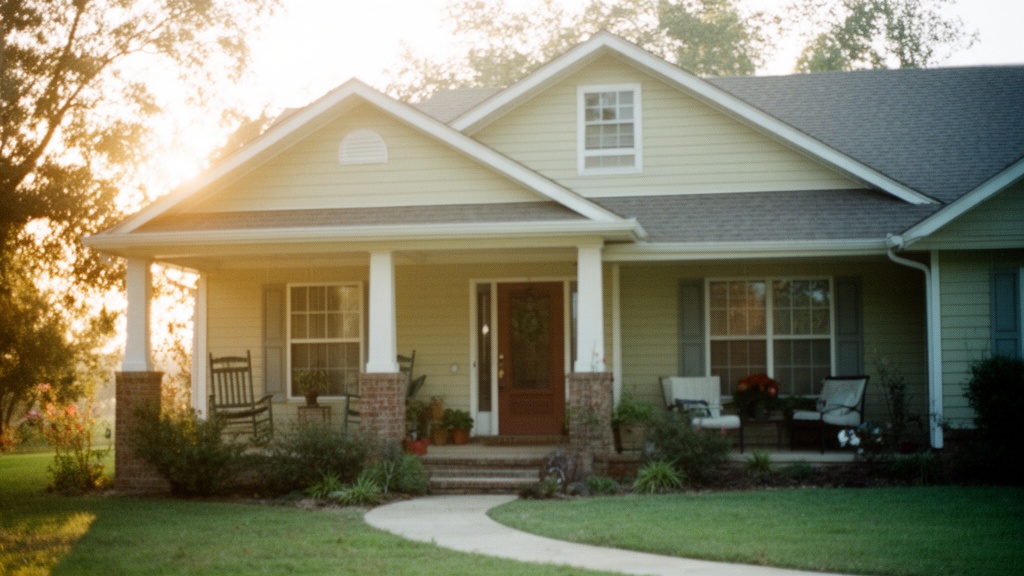
One of the things that makes searching for homes for sale in Dayton genuinely interesting is the variety of housing stock across the city and its surrounding communities. From century-old Craftsman bungalows to newer builds on quiet cul-de-sacs, the options span a wide range of styles, lot sizes, and price points.
Historic Districts and Older Homes
Areas like Oregon District, South Park, and McPherson Town are known for their architectural character. You will find two-story Victorians, foursquares, and brick bungalows with original woodwork and wide front porches, many of them priced well below what comparable historic homes would cost in larger Ohio cities. Oregon District in particular sits adjacent to a walkable stretch of Fifth Street with independent restaurants, live music venues, and local shops.
Buyers drawn to older homes should budget for updates and inspections accordingly. Many of these properties have been renovated over the decades, but knob-and-tube wiring, older plumbing, and aging roofs are worth checking carefully before making an offer.
Suburban Areas and Newer Construction
Communities like Centerville, Beavercreek, Springboro, and Miamisburg offer a different experience. These areas have a mix of 1980s and 1990s ranch and colonial-style homes alongside newer construction subdivisions built within the last decade. Lot sizes tend to be larger here, and many subdivisions include community amenities like pools and walking trails.
Kettering, immediately south of Dayton proper, offers a dense concentration of mid-century ranches and split-levels, many on established tree-lined streets within a short drive of Fraze Pavilion and Delco Park. Prices in Kettering tend to be slightly lower than in Beavercreek or Centerville, making it a common starting point for first-time buyers.
3. What to Expect When Buying a Home in Dayton
The process of buying a home in Dayton follows the same general steps as anywhere in Ohio, but local conditions shape what each step actually looks like in practice. Knowing what to expect before you start will save you time and reduce the stress of competing in a market that still moves quickly on desirable listings.
Financing and Mortgage Rates
Getting pre-approved before you tour homes is essential in this market. Ohio mortgage rates in August 2026 are reflecting the broader national environment, and locking in a rate early gives you a clear budget and signals to sellers that you are a serious buyer. Checking current Ohio mortgage rates through a resource like Forbes Advisor can give you a baseline before you speak with a local lender.
First-time buyers in Ohio may also qualify for programs through the Ohio Housing Finance Agency, including down payment assistance and reduced-rate loan products. A local lender familiar with these programs is worth seeking out before you assume a conventional loan is your only path.
The Offer and Negotiation Process
In August 2026, the Dayton market is not as frenzied as it was in 2021 and 2022, but it is not a buyer's market in the traditional sense either. Homes priced correctly and in good condition are still receiving offers quickly. Overpriced listings, on the other hand, are sitting longer and seeing price reductions, which creates opportunity for buyers who are patient and strategic.
Escalation clauses, inspection contingency waivers, and flexible closing timelines are still tools that buyers use to strengthen offers in competitive situations. Working with an agent who knows the local listing history and seller motivations can make the difference between winning and losing a home you want.
4. Tips for Relocating to Dayton
Dayton draws a steady stream of relocating buyers, particularly from military families connected to Wright-Patterson Air Force Base and professionals moving from higher-cost metros. If you are moving to Dayton from out of state or from another part of Ohio, a few things are worth understanding before you start browsing homes for sale in Dayton online.
Understanding the Layout of the City
Dayton sits at the intersection of I-70 and I-75, which makes it one of the more accessible cities in Ohio for commuters and travelers alike. Columbus is roughly 75 miles east on I-70, about an hour to 75 minutes depending on traffic. Cincinnati is about 55 miles south on I-75, typically a 45 to 60 minute drive. Indianapolis is under two hours west. This central location is one reason the Dayton metro continues to attract employers and residents.
Within the metro, commute times between suburban communities and downtown Dayton are generally short. Beavercreek to downtown is roughly 20 to 25 minutes. Springboro to downtown runs about 30 minutes. Miamisburg and Kettering are each within 15 minutes of the city center under normal traffic conditions.
Schools, Amenities, and Local Resources
School district information is something every relocating buyer asks about, and it is one of the most important decisions to research directly. The Ohio Department of Education publishes report cards and performance data for every district in the state, and that is the right place to start your research rather than relying on third-party rankings or word of mouth.
On the amenities side, Dayton offers more than most people expect for a mid-sized city. The National Museum of the United States Air Force at Wright-Patterson is the largest military aviation museum in the world and draws visitors from across the country. The Dayton Art Institute, the Five Rivers MetroParks system with over 16,000 acres of trails and green space, and the revitalized downtown riverfront along the Great Miami River all contribute to a quality of daily life that surprises many newcomers.
Yellow Springs, a small village about 20 miles east of Dayton, is worth knowing about for buyers who want proximity to a walkable arts and outdoor-oriented community. Glen Helen Nature Preserve and John Bryan State Park are both within minutes of the village, and the drive back to Dayton is straightforward on US-68.
FAQ
What is the average home price for homes for sale in Dayton, Ohio right now?
As of August 2026, median home prices in the Dayton metro area are generally in the low-to-mid $200,000s, though prices vary significantly depending on the specific community and property type. Homes in Beavercreek and Centerville tend to list higher than those in Kettering or areas closer to downtown Dayton. Newer construction in suburban subdivisions can push into the $300,000s and above, while older homes in historic neighborhoods can sometimes be found well below the metro median. Working with a local agent who tracks active listings daily gives you the most accurate picture of what your budget will get you in each area.
How long does it typically take to buy a home in Dayton?
From the time you go under contract to closing, most transactions in Dayton take between 30 and 45 days when financing is involved. The time it takes to find the right home varies widely depending on your criteria, your budget, and how competitive the specific price range is. Buyers who are pre-approved and working with an agent who alerts them to new listings quickly tend to move faster. In some price ranges, particularly under $200,000, homes move very quickly and being ready to tour and make an offer within a day or two of a listing going live is important.
Is Dayton, Ohio a good place to buy a home as an investment?
Dayton has drawn increasing attention from real estate investors due to its lower acquisition costs and relatively strong rental demand, driven in part by the large workforce connected to Wright-Patterson Air Force Base, area universities, and major healthcare employers. The Midwest broadly has been highlighted as a region of interest for investors looking for value relative to coastal markets. That said, investment decisions depend heavily on individual financial goals, local property taxes, rental rates in specific zip codes, and condition of the property. Consulting with a local real estate professional and a financial advisor before purchasing an investment property is always the right approach.