← Back to Blog
Market Trends
Champaign's Campustown Area Real Estate Market Guide: Prices, Neighborhoods and Timing
By Carter Salvani
October 10, 2026 · 12 min read
Champaign's Campustown area real estate market sits in a category of its own within the broader Champaign, Illinois housing landscape. Anchored by the University of Illinois Urbana-Champaign campus, this compact corridor of Green Street, Wright Street, and the surrounding blocks generates a level of transaction volume and pricing activity that surprises many first-time buyers and sellers. This guide covers current prices, the distinct housing pockets within and around Campustown, and the seasonal timing patterns that shape every deal in this corner of Champaign.
1. What Makes Campustown a Distinct Real Estate Market
Campustown is not a generic urban neighborhood. It is a densely built, high-turnover corridor that runs roughly from Wright Street on the west to Sixth Street on the east, and from Green Street on the north to Armory Avenue on the south, sitting immediately adjacent to the University of Illinois Urbana-Champaign campus in Champaign, Illinois. The density of commercial activity along Green Street, the proximity to Memorial Stadium and State Farm Center, and the sheer concentration of students, faculty, and staff create a real estate environment that behaves differently from Champaign's other residential areas.
Geography and Boundaries
The core of Campustown is walkable in every direction from the Main Quad. Most residential units sit within a ten-minute walk of the Illini Union on Wright Street. The area is served by the Champaign-Urbana Mass Transit District's Green and Silver bus routes, which run along Green Street and connect riders to downtown Champaign, Research Park, and the Amtrak station on University Avenue without needing a car. That transit access is a concrete, measurable feature that directly affects property values and rental demand in this corridor.
The blocks immediately north of Green Street toward University Avenue and south toward Armory Avenue are considered part of the broader Campustown market by most local agents. Properties on those transitional blocks often carry lower price tags than the core but share the same demand drivers, so buyers who understand the geography can find meaningful value by moving two or three blocks in any direction from the commercial strip.
Housing Stock You Will Actually Find Here
The housing stock in Campustown is almost entirely multi-unit. High-rise apartment towers built between the 1960s and 2010s line the streets closest to campus. Mid-century brick walk-ups and converted Victorian-era homes occupy the transitional blocks. True single-family detached homes are rare inside the core but become more common as you move south of Armory or west past First Street. Condominiums, most of them in buildings constructed after 2000, represent the primary owner-occupied product in the immediate Campustown area.
2. Campustown Area Real Estate Prices in September 2026
Prices in the Campustown corridor have risen meaningfully over the past eighteen months. The broader Champaign County market has seen upward pressure on prices throughout 2026, a trend covered in detail by The Daily Illini's June 2026 reporting on rising homebuyer costs. That county-wide trend is amplified in Campustown because supply is structurally constrained: the university occupies a large share of the surrounding land, limiting what can be built.
Condos and Multi-Unit Properties
Condominiums in the Campustown core currently list in a wide band depending on size, floor, and building age. Studio and one-bedroom condos in post-2000 buildings along the Green Street and Wright Street corridors are typically priced between $115,000 and $175,000 as of September 2026. Two-bedroom units in the same buildings run from roughly $180,000 to $260,000. Older walk-up condos in converted brick buildings on the side streets, particularly on Daniel Street and John Street, tend to price closer to $100,000 to $145,000 for comparable square footage because of building age and the absence of amenities like in-unit laundry or underground parking.
Small multi-unit investment properties, meaning two-to-four-unit buildings, are actively traded in the Campustown area. These properties typically list between $350,000 and $650,000 depending on condition, unit mix, and whether leases are in place. Gross rent multiples in this submarket are among the tightest in all of Champaign County precisely because of the consistent demand tied to the university's enrollment, which has remained above 56,000 students in recent academic years.
Single-Family Homes on the Edges
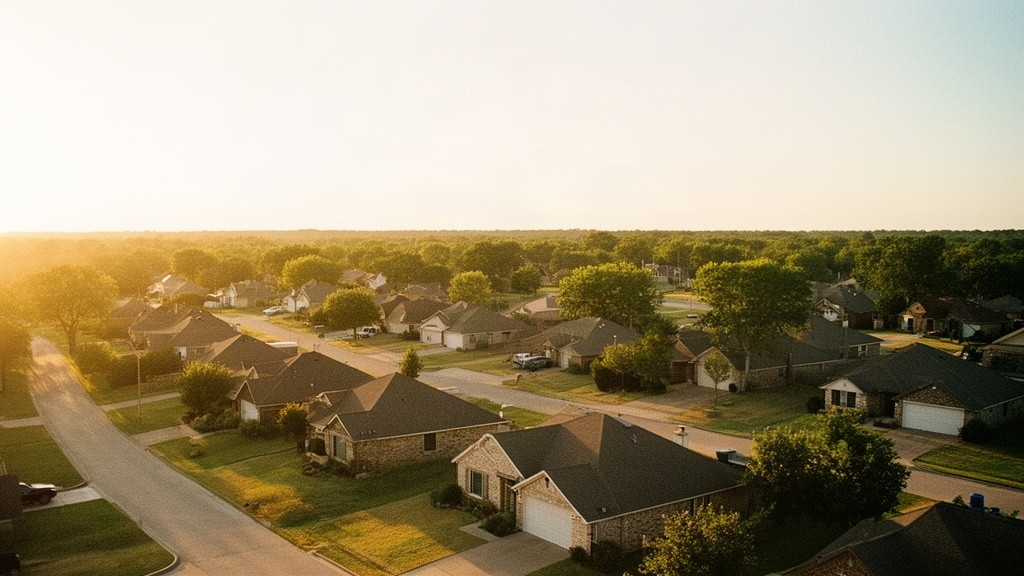
Single-family detached homes become more available as you move south of Armory Avenue toward Florida Avenue and beyond. In that transitional zone, which many local agents still consider part of the extended Campustown market, homes built in the 1940s through 1970s on lots of 5,000 to 7,000 square feet are currently trading between $175,000 and $310,000. Homes that have been updated with modern kitchens, new HVAC systems, or additional bathrooms push toward the top of that range and often receive multiple offers within the first week of listing.
How Campustown Compares to Broader Champaign County
Champaign County's median single-family home price crossed $230,000 in late 2025, according to market data analyzed last October. You can review that county-level breakdown at Champaign County Real Estate Market Stats and Analysis. Campustown's condo-heavy inventory means direct price comparisons require care, but on a per-square-foot basis, properties in the Campustown core consistently price at a premium to the county median because of their location advantage and the durability of rental demand in the area.
For buyers comparing Campustown to other Champaign neighborhoods like Savoy, Mattis Park, or the Devonshire area, the key distinction is not just price per square foot but also the carrying costs. HOA fees in Campustown condo buildings range from $200 to $500 per month, which affects the true cost of ownership and should factor into any comparison with a single-family home elsewhere in Champaign where HOA fees are absent or minimal. See the broader Champaign, Illinois real estate market guide for a city-wide price comparison across all major areas.
3. The Surrounding Neighborhoods: What Each Pocket Offers
The Campustown area is not a monolith. Buyers and sellers who understand the distinct character of each pocket within and around the corridor make better decisions because pricing, building age, lot size, and noise levels vary considerably from block to block. The three main sub-pockets worth understanding are the Green and Wright Street core, the Illini Grove and south side streets, and the west side blocks near First Street and the Orchard Downs area.
The Green Street and Wright Street Core
Green Street between Wright and Sixth is the commercial and social spine of Campustown. Residential units directly on or within one block of Green Street are almost exclusively high-rise apartments or newer condo towers. These properties have the highest walk scores in all of Champaign, with grocery options, pharmacies, coffee shops, and the campus library all reachable on foot. The tradeoff is noise: Green Street sees heavy foot and vehicle traffic during the academic year, and buyers considering these buildings should visit on a weekday evening during the school year to understand the ambient sound level before committing.
Wright Street properties, particularly those near the Illini Union and the engineering quad, carry a slight price premium within the core because of their direct campus-edge positioning. Parking is limited and expensive in this sub-pocket, which is a practical consideration for owner-occupants who commute by car to Research Park or to employers along the Neil Street corridor.
Illini Grove and the South Side Streets
The blocks south of Green Street, running down to Armory Avenue along streets like Daniel, John, and Chalmers, represent a quieter residential layer of Campustown. These streets contain a mix of older apartment buildings, converted single-family homes, and a smaller number of true owner-occupied houses. Building lots are narrow, typically 30 to 40 feet wide, and structures sit close together. Many of the brick buildings on these streets date to the 1920s and 1930s and have been maintained or updated over the decades. Buyers who want walkability to campus but prefer a residential street feel over a commercial strip often focus their search here.
The Illini Grove area, which sits just south of Armory Avenue near the intramural fields and the ARC recreation center, offers slightly larger lots and a handful of post-war single-family homes that rarely appear on the market. When they do list, they tend to move quickly because the combination of campus proximity and a genuine residential setting is uncommon this close to the university.
Orchard Downs Adjacent and West Side Blocks
West of First Street and south of Florida Avenue, the character of the housing stock shifts noticeably. Lots widen, setbacks increase, and the proportion of detached single-family homes rises. The Orchard Downs complex, which is university-owned housing for graduate students and faculty, anchors this corner of the market and keeps demand for nearby private housing consistently elevated. Properties within a half-mile of Orchard Downs on streets like Orchard Street and Orchard Place see steady interest from buyers who want a quieter setting while staying within cycling distance of the main campus.
4. Timing the Campustown Market: When to Buy and When to Sell
Campustown follows a seasonal rhythm unlike any other part of Champaign, and it is driven almost entirely by the university academic calendar. Buyers and sellers who ignore this rhythm often find themselves either competing in the most crowded window of the year or listing at a moment when demand is at its seasonal low. Understanding the pattern gives you a concrete timing advantage.
The Academic Calendar Effect
The University of Illinois academic year runs from late August through mid-May, and that calendar shapes every meaningful demand signal in the Campustown market. Lease renewals for the following academic year typically happen in October and November, which means owners of rental properties see their occupancy picture clarify in early fall. Buyers considering investment properties should be in the market by September or October if they want to see current lease terms and existing tenant situations before those leases roll over.
Faculty and staff relocations tied to university hiring cycles tend to concentrate in the January-through-March window, as offers are extended after fall semester hiring decisions. If you are relocating to Champaign for a university-affiliated position, connecting with a local buyer's agent in January rather than waiting until April gives you first access to properties before the spring rush compresses timelines and reduces negotiating room. The guide on relocating to Champaign, Illinois covers that process in more detail.
Spring Listings vs. Summer Closings
March through May is the highest-volume listing period in Campustown. Sellers who want to capture the broadest pool of buyers, including graduating students purchasing their first condo, incoming graduate students and faculty arriving for the fall term, and investors repositioning their portfolios, should plan to list in this window. Properly priced properties in the Campustown area that list in March or April routinely go under contract within two to three weeks. Overpriced listings in the same window sit and then face price reductions once the summer slowdown arrives.
Closings peak in June and July as buyers try to take possession before the August move-in rush that accompanies the start of the new academic year. If you are a seller who needs a specific closing date, communicate that clearly in your listing. Many buyers in this market are highly motivated to close on a timeline that gives them time to move and settle before fall semester begins, and that motivation can translate into favorable terms for sellers who are flexible on price but firm on timing.
Fall and Winter Opportunities
September through February is the quietest listing period in Campustown, and that creates real opportunities for buyers. Properties that sit on the market into the fall have often already had price reductions, and sellers who list during this window are frequently motivated by life circumstances rather than market timing, which means there is more room to negotiate on price, closing costs, or repairs. Buyers who are not constrained by the academic calendar and can close in October or November often find the best value per dollar in the Campustown area during these months.
5. What Buyers and Sellers Need to Know Before Transacting in Campustown
Campustown transactions have specific due diligence requirements that do not apply in the same way to other Champaign neighborhoods. Buyers and sellers who treat this market like a generic Champaign residential transaction often miss details that materially affect value or close-ability. Knowing what to look for before you are under contract saves time and money.
Due Diligence Points Unique to This Area
Condo association financials deserve close attention in Campustown buildings. Many of the older condo associations in this corridor have deferred maintenance on roofs, elevators, and mechanical systems, and reserve fund levels vary widely. Request the most recent reserve study and the last two years of HOA meeting minutes before making an offer. Underfunded reserves in a Campustown building are a concrete financial risk because special assessments in dense urban buildings can run into the tens of thousands of dollars per unit.
For investment property buyers, verify current lease terms, security deposit amounts held, and whether any tenants have month-to-month agreements rather than fixed leases. Illinois landlord-tenant law governs how and when leases can be modified or terminated, and a building with several month-to-month tenants heading into the spring leasing season carries different risk than one with leases running through July of the following year. Your agent should pull this information from the seller's disclosure and verify it against the actual lease documents during the inspection period.
Parking is a concrete amenity in Campustown, not an afterthought. Deeded parking spaces in condo buildings near campus add measurable resale value, often $10,000 to $20,000 over comparable units without parking. Buyers should confirm whether a parking space is deeded to the unit or merely assigned by the HOA, because deeded spaces transfer with the property while assigned spaces can be reallocated by the association.
Working With a Local Agent Who Knows This Market
The Campustown market rewards buyers and sellers who work with an agent who has closed transactions in this specific corridor, not just in Champaign broadly. An agent familiar with Campustown knows which buildings have strong reserve funds and which have deferred maintenance histories, which streets see the highest turnover and why, and how to price a condo in a building where comparable sales are infrequent because the pool of units is small. That granular knowledge is not available from a national database; it comes from having worked deals in the area over multiple academic cycles.
If you are also evaluating agents for this transaction, the article on what to look for when choosing a real estate agent in Champaign, Illinois outlines the specific questions worth asking before you sign a buyer's or listing agreement. Campustown is a market where agent selection has a direct impact on outcome, not just on the experience.
Carter Salvani works with buyers, sellers, and investors across Champaign, Illinois, with direct experience in the Campustown corridor and the surrounding campus-area neighborhoods. If you are trying to understand what a specific property in this area is worth, or whether the timing is right for your situation, reaching out for a direct conversation is the fastest way to get a clear picture.
FAQ
What is the average price of a condo in Champaign's Campustown area right now?
As of September 2026, studio and one-bedroom condos in newer Campustown buildings along the Green Street and Wright Street corridors are typically listed between $115,000 and $175,000, while two-bedroom units in the same buildings run from roughly $180,000 to $260,000. Older walk-up condos on the side streets, such as Daniel or John Street, tend to price lower, often between $100,000 and $145,000, because of building age and fewer amenities. HOA fees in these buildings range from $200 to $500 per month, which is an important carrying cost to factor into any price comparison with single-family homes elsewhere in Champaign. Per-square-foot pricing in the Campustown core consistently runs above the Champaign County median because of the area's location advantage and durable rental demand tied to the university.
When is the best time to list a property for sale in Campustown, Champaign?
March through May is the highest-demand listing window in the Campustown area, driven by the university academic calendar. Buyers active during this period include graduating students purchasing their first home, incoming faculty and graduate students arriving for the fall term, and investors repositioning rental portfolios ahead of the August move-in rush. Properties priced correctly in this window routinely go under contract within two to three weeks. Sellers who need a specific closing date often find motivated buyers willing to accept their timeline in exchange for a well-priced property, since many buyers want to close and settle before the fall semester begins in late August.
Are there single-family homes available near Campustown in Champaign, Illinois?
True single-family detached homes are uncommon within the immediate Campustown core, where the housing stock is dominated by high-rise apartments and condo buildings. However, as you move south of Armory Avenue toward Florida Avenue, or west of First Street toward the Orchard Downs area, single-family homes from the 1940s through 1970s become more available, typically priced between $175,000 and $310,000 as of September 2026. Homes on these transitional blocks share the same campus proximity and transit access as the core Campustown properties but sit on wider lots with more outdoor space and generally lower HOA costs. These properties move quickly when they come to market, so buyers targeting this sub-area should be pre-approved and ready to act as soon as a listing appears.