← Back to Blog
Buying
Homes for Sale in Champaign, Illinois | Buyer's Guide
By Carter Salvani
August 28, 2026 · 7 min read
If you are searching for homes for sale in Champaign, Illinois, you are looking at one of the most active and genuinely interesting housing markets in the Midwest. From tree-lined streets near the University of Illinois to newer construction on the city's north side, Champaign offers a wide range of options across price points and property styles. This guide walks you through what the market looks like right now, what to expect as a buyer, and how to position yourself to move quickly when the right home comes along.
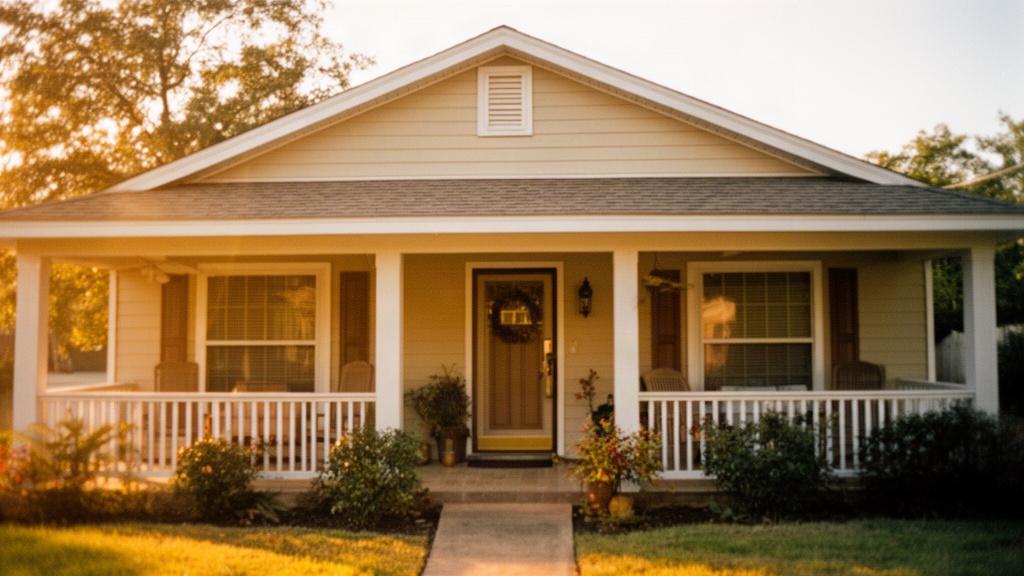
1. What the Champaign Housing Market Looks Like in August 2026
The Champaign market has remained competitive through the summer of 2026. Inventory has ticked upward compared to the historically tight conditions of 2023 and 2024, but well-priced homes in desirable pockets of the city are still moving quickly, often within days of listing. Buyers who come prepared with financing in place and a clear sense of their priorities are the ones closing deals.
Inventory and Price Trends
Median sale prices in Champaign have held steady in the mid-to-upper $200,000s for single-family homes, with entry-level properties, think smaller bungalows and older ranch-style homes, still available in the $150,000 to $200,000 range in certain parts of the city. Larger homes with four bedrooms and updated kitchens in areas like Savanna Green or Stone Creek routinely list above $350,000. You can track current price movement on Redfin's Champaign housing market page, which is updated regularly with median prices, days on market, and sale-to-list ratios.
Condominiums and townhomes add another layer to the market, particularly around the Campustown corridor and along Neil Street. These units typically range from $120,000 to $220,000 and attract buyers who want lower maintenance costs without leaving the city. Multifamily properties, duplexes and small apartment buildings, also appear in the Champaign listings regularly and are worth considering if you are open to offsetting your mortgage with rental income.
How Champaign Compares on Cost of Living
One of the most practical things a relocating buyer can do is run the numbers before committing to a search. The Forbes Advisor cost of living calculator for Champaign-Urbana lets you compare your current city's expenses against what you would pay here, covering housing, groceries, transportation, and utilities. For many people relocating from Chicago, the suburbs, or out of state, the gap is significant, and it directly affects how much home you can realistically afford in Champaign.
2. Types of Homes for Sale in Champaign and Where to Find Them
Champaign's housing stock is genuinely varied, which is one of the things that makes searching here interesting rather than repetitive. You will find century-old craftsman bungalows with original woodwork sitting a few blocks from mid-century ranches, and both of those a short drive from subdivisions built within the last decade. Understanding the city's geography helps you narrow your search quickly.
Established Neighborhoods Near Campus and Downtown
The areas surrounding the University of Illinois campus and the downtown Champaign core, including streets like Park, Washington, and State, contain some of the city's oldest and most architecturally interesting housing. Homes here are often two-story Victorians, foursquares, and craftsman-style properties on smaller lots, typically between 5,000 and 8,000 square feet. Walkability is a genuine feature of this part of the city: the Virginia Theatre, the Champaign Farmers Market at Lincoln Square, and a dense collection of restaurants and coffee shops are all within easy walking distance.
Prices in these established areas vary widely based on condition and updates. A home that has been fully renovated with modern systems can list at $280,000 to $350,000, while an unrenovated property on the same block might be priced closer to $160,000. That spread creates real opportunity for buyers who are comfortable with a project, or who want to negotiate on a home that needs cosmetic work.
Newer Construction on the North and West Sides
Champaign's north side, stretching toward Savanna Green and the areas near Route 45, has seen the bulk of new residential construction over the past ten years. These homes tend to sit on larger lots, from a quarter acre to nearly half an acre, and feature open floor plans, attached two-car garages, and updated energy systems. Prices for newer builds generally start around $300,000 and move up from there depending on square footage and finishes. The commute to downtown Champaign from these areas runs roughly ten to fifteen minutes by car.
The west side of Champaign, near Interstate 74 and the Champaign County Fairgrounds area, offers a mix of mid-century homes and infill construction at somewhat lower price points. Buyers who need easy highway access to Bloomington-Normal, about 45 miles to the northwest, or Danville, about 30 miles to the east, often focus their search in this part of the city.
3. What to Expect During the Buying Process in Champaign
Buying a home in Champaign follows the same general process as anywhere in Illinois, but local market conditions shape how each step actually plays out. Knowing what to expect at each stage keeps you from being caught off guard when things move fast.
Getting Pre-Approved Before You Search
Pre-approval is not optional in this market; it is the entry ticket. Sellers reviewing multiple offers in August 2026 are not going to take a buyer seriously without documented financing. A pre-approval letter from a lender tells the seller you have already had your income, assets, and credit reviewed, and that a bank is prepared to lend you a specific amount. This also gives you a realistic budget before you fall in love with a home that is out of reach.
Local lenders with experience in Champaign County can sometimes move faster than large national banks, which matters when you are trying to close within 30 days. Ask your agent for referrals to lenders who know the Champaign market and can communicate quickly when a deal is time-sensitive.
Making a Competitive Offer in a Tight Market
When a well-maintained home hits the Champaign market at a fair price, it often receives multiple offers within the first weekend. That does not mean you need to waive every protection, but it does mean your offer needs to be clean and well-structured. Escalation clauses, flexible closing timelines, and a meaningful earnest money deposit all signal to the seller that you are a serious, capable buyer. Your agent should help you understand which terms matter most to the specific seller based on their situation.
Inspection contingencies remain standard in Champaign transactions and are worth keeping in place, especially on older homes where deferred maintenance on roofs, HVAC systems, and foundations can represent significant costs. A home inspection in Champaign typically runs $350 to $500 and is one of the most valuable investments you can make in the process.
4. Resources and Research Every Champaign Buyer Should Use
Being an informed buyer means using the right sources, not just scrolling listing apps. A few specific resources can meaningfully improve your understanding of the Champaign market and the broader Illinois landscape before you make one of the largest financial decisions of your life.
Understanding Illinois Housing Policy
Illinois has been working at the state level to address housing supply constraints that affect markets like Champaign. Illinois REALTORS has been pushing for policy changes through the Housing Supply Accelerator initiative, which targets local zoning and permitting barriers that slow new construction. Understanding this context helps explain why inventory in Champaign, while improving, has not expanded as quickly as buyer demand would suggest. More housing starts in the pipeline could gradually ease competition over the next few years.
First-Time Buyer Programs in Illinois
If this is your first home purchase, Illinois offers several programs worth knowing about. The Illinois Housing Development Authority administers down payment assistance and mortgage programs specifically designed for first-time buyers, and Champaign County properties are eligible. Champaign's price points, which remain below the state's most expensive markets, mean these programs can stretch further here than they would in the Chicago metro area. Checking current income limits and loan caps before you start your search will help you understand exactly what assistance you qualify for.
For research on schools, you can review data directly through the Illinois State Board of Education's public reporting tools. For information on municipal services and infrastructure, the City of Champaign's official website publishes planning documents and capital improvement data. These are decisions worth researching firsthand rather than relying on secondhand summaries.
FAQ
What is the average home price for homes for sale in Champaign, Illinois right now?
As of August 2026, median sale prices for single-family homes in Champaign are generally in the mid-to-upper $200,000s, though the range is broad. Entry-level homes, particularly smaller ranches and older bungalows that need updating, can be found closer to $150,000 to $185,000 in some parts of the city. Newer construction in north Champaign subdivisions typically starts around $300,000 and goes up from there. Condominiums and townhomes offer a lower entry point, often between $120,000 and $220,000. Checking a current market data source like Redfin's Champaign page will give you the most up-to-date figures.
How long does it typically take to buy a home in Champaign, Illinois?
From the time you make an accepted offer to closing, most Champaign transactions take 30 to 45 days, though cash purchases can close faster. The search phase before that offer varies widely: buyers who are pre-approved, know their priorities, and work with an agent familiar with the local inventory often find a home within four to eight weeks. Buyers who are still sorting out financing or have not clearly defined their criteria can spend several months searching. Getting your pre-approval done before you start touring homes is the single most effective way to compress your timeline.
Is it a good time to buy a home in Champaign in 2026?
Market timing is personal and depends heavily on your financial situation, how long you plan to stay, and what you are looking for in a home. What is true in August 2026 is that Champaign's inventory is somewhat better than it was two years ago, giving buyers more options than they had during the most competitive stretch of the post-pandemic market. Interest rates have moderated compared to their 2023 peaks, though they remain meaningfully higher than the historic lows of 2020 and 2021. Champaign's cost of living relative to larger Illinois cities gives buyers here more purchasing power per dollar. Speaking with a local agent who tracks current listings and days-on-market data will give you a clearer picture of conditions in the specific price range and area you are targeting.