← Back to Blog
Neighborhoods
What Is the Kenwood Neighborhood in Champaign Illinois Like to Live in Day to Day
By Carter Salvani
September 11, 2026 · 10 min read
If you are researching what the Kenwood neighborhood in Champaign Illinois is like to live in day to day, you are asking the right question before making one of the biggest financial decisions of your life. Kenwood sits on the west side of Champaign, roughly between Springfield Avenue to the north and Bradley Avenue to the south, and it has a character that is distinctly different from the university-adjacent corridors closer to campus. This guide covers the housing stock, price ranges, commute patterns, nearby amenities, and everything else you would actually notice on a Tuesday morning.
1. Where Kenwood Sits and How It Is Laid Out
Kenwood occupies a defined slice of west-central Champaign. Its rough boundaries run from Springfield Avenue on the north edge down to Bradley Avenue on the south, and from Neil Street on the east toward Mattis Avenue on the west. That puts it well inside the city limits, close to services, and accessible from multiple arterial roads without sitting directly on any of them.
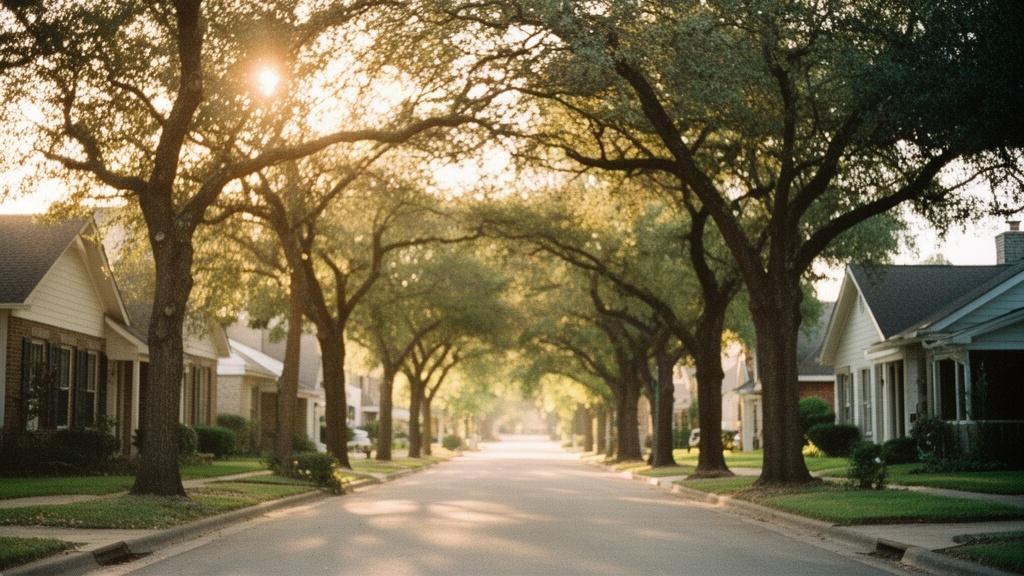
The neighborhood was largely platted and built out between the 1950s and the early 1980s, which explains why the streets feel wide, the lots are generous, and the homes sit back from the curb with mature trees overhead. It does not have the tight urban grid of Campustown or the newer subdivision feel of far-northwest Champaign. It reads as a classic postwar residential area that has aged into something settled and leafy.
Street Grid and Boundaries
The interior streets in Kenwood are mostly residential and low-traffic. Kirby Avenue cuts through the southern portion of the broader west Champaign area and gives residents quick east-west movement. Neil Street to the east is one of Champaign's main commercial corridors, which means grocery stores, pharmacies, and restaurants are within a short drive or bike ride. Mattis Avenue on the western edge connects north to I-74 in under two miles, which matters for anyone commuting outside the city.
How Long It Takes to Get Around
Getting to the University of Illinois main quad from Kenwood takes roughly 10 to 15 minutes by car depending on time of day, or about 20 to 25 minutes on a bicycle using the Champaign-Urbana Mass Transit District routes that run along Springfield and Kirby. Downtown Champaign on Neil Street is under 10 minutes by car. Carle Foundation Hospital, one of the area's largest employers, is approximately 10 to 12 minutes east. Research Park, which houses dozens of tech and corporate tenants, is about the same distance heading southeast.
For anyone who needs to travel regionally, the I-74 on-ramp at Mattis is a genuine convenience. Chicago is roughly 135 miles northeast, about a two-hour drive in normal conditions. Indianapolis is about 120 miles east. That kind of highway access is not something every Champaign neighborhood offers so directly.
2. Housing Stock and Home Prices in Kenwood
Kenwood is primarily a single-family neighborhood. The overwhelming majority of the homes are detached, owner-occupied houses on lots that typically run between 8,000 and 12,000 square feet. You will find very few apartment complexes inside the core of the neighborhood, which gives the streets a quieter, more residential feel compared to areas closer to campus.
What the Homes Actually Look Like
The dominant architectural styles are ranch homes and split-levels, with a smaller number of two-story colonials and Cape Cods mixed in. Most homes were built between 1955 and 1985, so you will see brick exteriors, attached garages, and floor plans that prioritize living space over formal rooms. Basements are common, which adds usable square footage even on modest-footprint homes.
Homes in Kenwood tend to run between 1,200 and 2,200 square feet of above-grade living space. You will occasionally find larger homes on corner lots or on the streets closer to the western edge of the neighborhood. The condition of individual homes varies considerably, since some have been renovated multiple times since original construction and others are original throughout.
Price Ranges as of September 2026
As of September 2026, single-family homes in the Kenwood area of Champaign are generally trading in a range from the upper $180,000s to the low $300,000s, with fully updated homes on larger lots occasionally pushing past that ceiling. Entry-level homes that need cosmetic work can still be found in the $170,000 to $195,000 range, which makes Kenwood one of the more accessible owner-occupant neighborhoods on the west side of the city.
For broader context on what homes cost across Champaign right now, the Champaign Illinois Real Estate Market Guide on this site breaks down price trends by area and property type, which is worth reading alongside this neighborhood overview.
Inventory in Kenwood tends to be modest. Homes that are priced correctly and in good condition typically go under contract within two to four weeks. Overpriced listings sit longer, which occasionally creates buying opportunities for patient purchasers willing to negotiate.
3. Day-to-Day Errands and Amenities
Daily life in Kenwood is genuinely convenient for most routine needs. The neighborhood is not walkable in the way that a downtown grid is, but it sits close enough to Neil Street and Mattis Avenue that most errands require a short drive rather than a long one. That distinction matters when you are thinking about what the Kenwood neighborhood in Champaign Illinois is like to live in day to day.
Groceries, Dining, and Retail
Meijer on Marketview Drive is one of the closest large-format grocery and general merchandise stores, sitting about 10 minutes north by car. Schnucks on Mattis Avenue is even closer for residents on the western edge of Kenwood, roughly a five-minute drive. Aldi on Neil Street is another quick option for budget-conscious shoppers.
The Neil Street corridor between Springfield and Kirby has a dense concentration of chain restaurants, local spots, coffee shops, and fast-casual dining. Residents of Kenwood can reach that strip in under 10 minutes without touching a highway. The Champaign Market Place mall on Marketview Drive adds a Target, Home Depot, and a range of national retail tenants for larger shopping trips.
For a broader look at what Champaign offers in terms of cost of living and everyday expenses, the Forbes Advisor cost of living calculator for Champaign-Urbana gives a useful side-by-side comparison if you are relocating from another metro area.
Parks and Outdoor Space
Kenwood Park itself sits near the heart of the neighborhood and includes open green space, a playground structure, and room for informal recreation. The Champaign Park District maintains the property, and it is the kind of neighborhood park you can walk to from most addresses in Kenwood without crossing a major arterial road.
Hessel Park, one of Champaign's larger neighborhood parks, is a short drive east and includes a pool, tennis courts, a community garden, and open athletic fields. Crystal Lake Park in Urbana is also reachable in about 12 minutes and sits on a small lake with walking paths and picnic areas. For residents who want outdoor access without a long drive, west Champaign has solid options.
4. Schools and How to Research Them
Kenwood falls within Champaign Unit 4 School District. The specific school assignments for any given address depend on the attendance boundaries the district maintains, and those boundaries can shift over time. The best source for current and accurate school assignment information is the Champaign Unit 4 School District website directly, where you can look up an address and confirm which elementary, middle, and high school it is zoned for.
For anyone evaluating schools as part of a home purchase decision, the Illinois State Board of Education publishes school-level report card data at isbe.net. That data covers enrollment, program offerings, and other factual metrics. Reviewing it directly gives you the most accurate picture, without relying on third-party ranking systems that use different methodologies and update on different schedules.
Private school options exist in the broader Champaign-Urbana area as well, including St. Matthew's and Judah Christian School, which some Kenwood-area families use. Those are personal decisions worth researching directly with each institution.
5. What Makes Kenwood Feel Different From Other Champaign Neighborhoods
Understanding what the Kenwood neighborhood in Champaign Illinois is like to live in day to day means comparing it honestly to other parts of the city. It is not a neighborhood in transition or one dominated by student rentals. It is not a brand-new subdivision with tight lots and HOA restrictions. It occupies a middle ground that is hard to find in a university town: established, owner-occupied, and close to everything without being adjacent to campus noise.
Lot Sizes and Streetscape
The lots in Kenwood are noticeably larger than what you find in newer Champaign developments. Typical lots run 70 to 90 feet wide and 110 to 140 feet deep, which translates into real backyard space. Mature oak and maple trees line many of the interior streets, and the canopy coverage in summer is substantial. That physical character, wide streets, large trees, and set-back homes, gives the neighborhood a quieter atmosphere than its proximity to busy corridors would suggest.
There is no homeowners association governing most of Kenwood, which means no HOA fees and no architectural review committees. Residents have more latitude to modify their properties, add fences, build decks, or park boats and trailers, subject only to city ordinances. That is a meaningful practical difference from newer planned communities in northwest Champaign.
Proximity to Major Employers
Kenwood's location on the west side of Champaign puts it within a reasonable commute of the area's largest employment centers. Carle Foundation Hospital and OSF Heart of Mary Medical Center are both reachable in under 15 minutes. The University of Illinois, with its main campus stretching across central Champaign and into Urbana, is roughly 10 to 15 minutes depending on the specific destination on campus.
The Champaign-Urbana area has a diversified employment base beyond the university, including State Farm's regional operations, a growing tech sector centered around Research Park, and healthcare. For someone working at any of these employers, Kenwood offers a commute that avoids the worst of campus-area traffic while still keeping the drive short.
You can find additional neighborhood-level data for the Kenwood area of Champaign, including demographic and housing density figures, through the NeighborhoodScout profile for Kenwood, Champaign IL 61821, which pulls from census data and updates periodically.
6. Practical Considerations Before Buying in Kenwood
Buying in an established neighborhood like Kenwood comes with specific due-diligence considerations. Because the housing stock is 40 to 70 years old, mechanical systems, roofs, and electrical panels are worth close inspection. Most homes in this age range have had at least one major system replaced, but a thorough home inspection is essential. Budget for the possibility that a furnace, water heater, or roof may be near the end of its service life even if the home looks well-maintained.
Some homes in Kenwood still have original knob-and-tube or aluminum wiring, which can affect insurance costs and lender requirements. Ask your inspector specifically about the electrical system. Similarly, homes built before 1978 may have lead paint present, which triggers federal disclosure requirements and can affect financing on certain loan types.
Property taxes in Champaign County are paid in arrears, and the effective tax rate in Champaign proper typically runs between 2.2% and 2.7% of assessed value, depending on the specific parcel and any applicable exemptions. On a $240,000 home, that translates to roughly $5,300 to $6,500 per year in property taxes before homestead or senior exemptions. Confirming the exact tax history on any specific address before making an offer is straightforward through the Champaign County Assessor's website.
If you are new to the home buying process in Champaign, the Buying a Home in Champaign: Process, Costs and Timeline guide on this site walks through what to expect from offer to closing, including cost estimates specific to this market.
7. Selling a Home in Kenwood: What Owners Should Know
If you already own in Kenwood and are thinking about selling, the market dynamics here favor sellers who price accurately from day one. Buyers shopping in west Champaign at the $200,000 to $280,000 price point are often pre-approved and moving quickly. Homes that enter the market at a realistic price tend to generate multiple showings in the first week. Homes that are priced too high sit, accumulate days on market, and often sell for less than a correctly-priced listing would have.
Updates that tend to matter most in this price range are kitchens, primary bathrooms, and mechanical systems. Cosmetic updates like fresh paint and refinished hardwood floors also move the needle. Large-ticket items that buyers cannot see, like a newer furnace or updated electrical panel, are worth documenting clearly in the listing because they reduce buyer hesitation.
For a full breakdown of what to expect when listing in Champaign, the guide to selling a home in Champaign covers pricing strategy, timeline, and what the process looks like from listing day through closing.
FAQ
Is Kenwood a good area to buy a house in Champaign Illinois?
Kenwood offers single-family homes on larger lots at price points that are accessible compared to newer developments in northwest Champaign, with most homes trading between the upper $180,000s and the low $300,000s as of September 2026. The neighborhood has no HOA, mature trees, and established infrastructure, which appeals to buyers who want space and character without paying a premium for new construction. Its location on the west side of Champaign puts major employers, grocery stores, and highway access all within a short drive. Whether it is the right fit depends on your specific priorities, budget, and what you are looking for in a home. Working with a local agent who knows the west Champaign market well is the most reliable way to evaluate specific listings.
What are property taxes like in the Kenwood neighborhood of Champaign?
Property taxes in Champaign proper, including the Kenwood area, typically run between 2.2% and 2.7% of assessed value annually before exemptions. On a home assessed at $240,000, that works out to roughly $5,300 to $6,500 per year. Illinois homeowners who occupy their property as a primary residence can apply for a homestead exemption through the Champaign County Assessor's office, which reduces the assessed value and lowers the tax bill. Senior freeze exemptions are also available for qualifying owners. Always confirm the exact tax history for any specific address before making an offer, since individual parcels can vary.
How does Kenwood compare to other west Champaign neighborhoods for day-to-day living?
Kenwood is primarily owner-occupied single-family housing, which distinguishes it from areas closer to campus that have a higher proportion of rental properties. The lots are larger and the trees more mature than what you find in newer subdivisions further west. It sits close enough to Neil Street and Mattis Avenue that grocery stores, pharmacies, and restaurants are all within a short drive, but the interior streets are quiet and low-traffic. The housing stock is older, mostly from the 1950s through the 1980s, so buyers should factor in the age of mechanical systems and conduct a thorough inspection. For anyone relocating to Champaign and trying to narrow down which part of the city to focus on, speaking with a local agent who can walk you through the tradeoffs is the most efficient starting point.