
← Back to Blog
Selling
Selling a Home in the University of Illinois Campus Area: Pricing, Timeline and What to Expect
By Carter Salvani
September 20, 2026 · 11 min read
Selling a home in the University of Illinois campus area of Champaign is a different experience than selling anywhere else in central Illinois. The buyer pool, the seasonal demand cycles, and the pricing dynamics are all shaped by the university's academic calendar and the steady flow of faculty, staff, graduate students, and investors who compete for properties close to campus. This guide walks you through what to expect: how homes are priced, how long the process typically takes, and the specific local factors that determine whether your sale goes smoothly or sits on the market longer than it should.
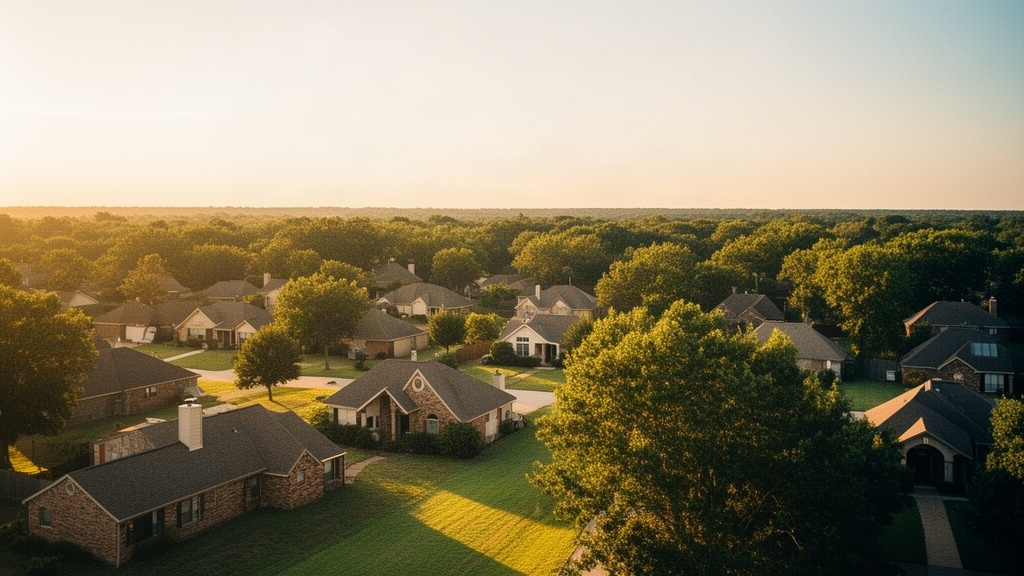
1. What Makes the Campus Area Market Different
The University of Illinois campus area operates on its own rhythm. The presence of a Big Ten research university with roughly 56,000 students and thousands of faculty and staff members creates a real estate market that behaves differently from Champaign's broader residential inventory. Demand is not purely tied to mortgage rates or national housing trends; it is also tied to hiring cycles, academic year starts, and the decisions of investors who buy near campus specifically to hold rental properties.
The Buyer Pool Is Unusually Diverse
When you list a home within a mile or two of the main quad on Green Street or near the Beckman Institute on South Mathews Avenue, you are marketing to at least four distinct buyer types simultaneously. Owner-occupant buyers include newly hired professors, researchers, and university administrators who want to walk or bike to work. Investors are actively looking for properties they can convert to rental units or that already carry tenant leases. Graduate students who have finished their degrees and are transitioning to permanent positions sometimes purchase condos or smaller single-family homes. And relocating families who have accepted positions at the university but have not yet visited Champaign are making decisions largely based on photos, virtual tours, and proximity to campus.
That diversity is genuinely useful to sellers. If owner-occupant demand softens in a given season, investor interest often fills the gap, particularly for properties within a short walk of the Engineering Quad or the main library on Gregory Drive. Understanding which buyer type is most active in the current month shapes how you position your home, which Carter Salvani can help you think through before you set a price.
Property Types and Price Ranges Near Campus
The housing stock directly adjacent to the University of Illinois campus is a patchwork of eras and styles. You will find late-Victorian and Craftsman bungalows built between 1900 and 1930 on streets like Washington Street and University Avenue, mid-century ranch homes on the edges of the campus corridor, and more recent infill construction closer to the Green Street commercial strip. Condos and townhomes, particularly in the blocks just south and east of campus, represent a growing share of what trades hands.
As of September 2026, single-family homes within roughly a half-mile to one mile of the central campus tend to list in the $220,000 to $420,000 range, depending heavily on square footage, condition, and whether the property has been updated or is being sold in original condition. Smaller bungalows under 1,200 square feet in need of cosmetic work cluster toward the lower end of that range. Updated four-bedroom homes with off-street parking and newer mechanicals push toward the upper end. Condos and attached units trade in the $130,000 to $250,000 range in most cases, with newer construction commanding a premium.
2. Pricing a Home in the University of Illinois Campus Area
Pricing correctly from day one is the single most important decision you will make when selling a home in the University of Illinois campus area. Homes that are priced accurately for the current market tend to attract multiple inquiries in the first two weeks and close near or at list price. Homes that are overpriced by even five to eight percent often sit past the 30-day mark, which in this market signals to buyers that something is wrong, even when nothing is.
The National Association of Realtors outlines the key factors that go into pricing a home, including recent comparable sales, property condition, location premiums, and current inventory levels. You can read their consumer guide on what goes into pricing your home for a solid foundation before you sit down with an agent.
How Comparable Sales Work Near Campus
Comparable sales, or comps, are the backbone of any pricing analysis. In the campus area, finding true comps requires careful filtering. A three-bedroom bungalow on West Illinois Street is not directly comparable to a three-bedroom bungalow on Vine Street even though both are close to campus, because one may be two blocks from a major transit corridor and the other may back to a quieter residential block. Lot size, parking availability, basement finish, and whether the home has been used as a rental in recent years all affect value in ways that a surface-level price-per-square-foot comparison misses.
A well-prepared comparative market analysis for a campus-area home typically draws on sales from the past three to six months within a half-mile to one-mile radius, then adjusts for differences in condition, updates, and lot characteristics. In September 2026, inventory near campus remains relatively tight compared to the broader Champaign market, which gives correctly priced homes a meaningful advantage.
What Drives Price Per Square Foot Here
Proximity to campus, walkability, and parking are the three factors that most consistently push price per square foot above the Champaign-wide average in the campus corridor. A home that is within a ten-minute walk of the main Engineering or Liberal Arts buildings, has a dedicated parking space or a garage, and sits on a quiet block away from high-density student housing will typically command a higher price per square foot than a home of identical size and condition located further west toward downtown Champaign or further south toward Windsor Road.
Updated kitchens and bathrooms matter in the campus area, but they matter somewhat differently than in suburban Champaign neighborhoods. Investors are often less concerned with granite countertops and more focused on whether the mechanical systems are sound, the electrical panel is updated, and the property has enough bedrooms to support rental income. Owner-occupant buyers, by contrast, do respond to cosmetic updates and tend to pay more for homes that are move-in ready.
3. Timing Your Sale: The Campus Area Seasonal Cycle
The best time to list a home in the University of Illinois campus area is generally late February through May. That window aligns with university hiring decisions, the period when faculty and staff who have accepted positions for the following academic year begin searching for housing, and the broader spring buying season that drives activity across all of Champaign. Homes that hit the market in March or April tend to attract the widest mix of owner-occupant and investor buyers.
Spring and Early Summer: The Peak Window
From March through early June, the campus area sees its highest concentration of motivated buyers. Newly hired university employees want to close before the August move-in rush. Investors who track the academic calendar know that properties listed in spring can be leased and occupied by fall semester. And the weather in Champaign finally cooperates for showings, with temperatures climbing out of the single-digit wind chills that define February on the prairie. Homes listed in this window that are priced accurately and presented well tend to go under contract within two to three weeks.
Fall Listings and What to Expect in September
September is a transitional month in the campus area market. The fall semester has just started, which means the pool of buyers who needed to be settled before classes began has largely closed their transactions. What remains in September 2026 is a smaller but still active group: buyers who missed the spring window, investors looking to acquire before year-end for tax purposes, and university employees who accepted late-cycle positions. Homes listed right now can still sell, but sellers should expect slightly longer days on market compared to a spring listing, and pricing precision matters even more.
If you are considering listing this fall but have flexibility, it is worth discussing with Carter Salvani whether a late-September or October launch makes sense, or whether waiting until the February-March window would position you better. For context on how sellers are approaching timing in the current shifting market, Inman's recent piece on strategic home selling in a shifting market outlines why early planning consistently outperforms reactive listing decisions.
For a broader look at how days on market are trending across Champaign right now, the article on how long homes are sitting on the market in Champaign in fall 2026 gives useful context for setting realistic expectations.
4. Preparing Your Home for the Campus Area Buyer
Preparation directly affects both your final sale price and how quickly you go under contract. In the campus area, preparation means something specific: addressing the wear patterns that come with older housing stock, making sure the home photographs well for out-of-town buyers who may not visit in person before making an offer, and being honest in your disclosures about any deferred maintenance.
Condition, Updates, and First Impressions
Many homes near the University of Illinois campus were built before 1960, which means buyers and their inspectors will be looking closely at the roof, the electrical system, the plumbing, and the foundation. A pre-listing inspection is worth considering. It costs between $350 and $500 in the Champaign market and gives you a clear picture of what a buyer's inspector will find, so you can either fix items in advance or price accordingly. Surprises during the inspection period are one of the most common reasons campus-area deals fall apart or get renegotiated at a lower price.
Fresh paint, cleaned gutters, a tidy yard, and functioning fixtures go a long way. The curb appeal of a bungalow on West Oregon Street or a brick two-story on South Busey Avenue is not just about aesthetics; it signals to buyers that the home has been cared for, which directly affects how they perceive risk and what they are willing to offer.
What Buyers Near Campus Prioritize
Owner-occupant buyers in the campus corridor consistently prioritize walkability, off-street parking, and updated kitchens and bathrooms, in roughly that order. Parking is genuinely scarce on many blocks between campus and downtown Champaign, so a home with a one-car garage or even a dedicated off-street space commands attention. If your home has a garage, that detail belongs in the headline of your listing description, not buried in the features list.
Investor buyers focus on bedroom count, bathroom count, and the condition of the mechanical systems. A four-bedroom home with two full bathrooms, updated HVAC, and a newer water heater is a more straightforward investment acquisition than a two-bedroom home with one bath, even if the two-bedroom is in better cosmetic shape. If your home has characteristics that appeal to investors, your agent should be marketing it in channels where investor buyers are looking, not only on the standard MLS residential search.
5. The Selling Process: Steps and Timeline
From the day you decide to sell to the day you hand over the keys, the process in the campus area typically runs 60 to 90 days for a well-prepared home listed at the right price. That timeline compresses in the spring peak window and can stretch in the fall and winter months. Here is what the process looks like in practical terms.
From List Date to Closing
Weeks one and two are about preparation and launch. This includes completing any agreed-upon repairs, having professional photos taken, finalizing your list price with your agent, and going live on the MLS. In the campus area, professional photography is not optional; a significant share of your buyers will be viewing your home for the first time on a screen from another city or state.
Weeks two through four typically bring the bulk of your showings and, if the home is priced correctly, your first offers. In the campus area, it is not unusual to receive offers from buyers who have not physically toured the home; they rely on photos, video walkthroughs, and their agent's in-person assessment. Be prepared to negotiate on closing date flexibility, as university employees often need to align their move with the academic calendar.
Once you accept an offer, the inspection period runs 7 to 14 days in most campus-area contracts. After inspection negotiations are resolved, the buyer's lender orders an appraisal, which typically takes another 10 to 14 days. If the appraisal comes in at or above the contract price, you move to the clear-to-close phase, which takes another 10 to 21 days depending on the lender. Total time from accepted offer to closing is most commonly 30 to 45 days.
Negotiations, Inspections, and Common Hurdles
The inspection period is where most campus-area transactions get complicated. Older homes near campus frequently have items that come up during inspection: aging knob-and-tube wiring in pre-1940 bungalows, older cast-iron sewer lines, galvanized plumbing, or roof wear. None of these are automatically deal-killers, but they become negotiating points. Sellers who have done a pre-listing inspection and addressed the most significant items, or who have priced those items into their list price, are in a much stronger position than sellers who are encountering these issues for the first time during the buyer's inspection.
Appraisals can also be a pressure point in the campus area. Because the housing stock is so varied, appraisers sometimes struggle to find clean comparables for a well-renovated Victorian bungalow on a block that also has unrenovated properties. Your agent should be prepared to provide the appraiser with a curated list of the most relevant comps and a written summary of the improvements made to the home. This is standard practice in this market and can make a meaningful difference in the appraised value.
For a broader view of the selling process across all of Champaign, the guide on selling a home in Champaign, Illinois covers the full market context beyond the campus corridor. And if you are also thinking about what comes next after the sale, the article on downsizing in Champaign, Illinois outlines the options, costs, and timing for sellers who are moving into a smaller home.
FAQ
How long does it typically take to sell a home in the University of Illinois campus area of Champaign?
For a well-priced, well-prepared home listed during the spring peak window (March through May), the typical timeline from list date to closing is 60 to 75 days in the campus area. That includes roughly two to three weeks to go under contract, followed by a 30 to 45-day closing period covering inspections, appraisal, and lender processing. Homes listed in the fall or winter, or homes that are overpriced at launch, can take 90 to 120 days or longer. The campus area's academic calendar is the most important seasonal variable: listings that hit the market when university hiring decisions are being finalized in spring consistently move faster than those that launch after the fall semester begins.
What should I expect to spend preparing my campus-area home for sale?
Preparation costs vary significantly based on the age and condition of your home, but sellers in the campus area should budget for a pre-listing inspection ($350 to $500), professional photography ($200 to $400), and any minor repairs or cosmetic updates identified during the pre-listing inspection. For older bungalows and two-stories built before 1960, it is common to spend $1,500 to $5,000 addressing items like deferred maintenance, exterior paint touch-ups, and basic landscaping before listing. Major renovations rarely return dollar-for-dollar in the campus area; targeted, condition-focused improvements and accurate pricing almost always outperform expensive cosmetic overhauls when it comes to net proceeds.
Do investor buyers and owner-occupant buyers make different kinds of offers on campus-area homes?
Yes, and the differences are worth understanding before you evaluate offers. Investor buyers in the campus area often offer all-cash or large down payments, which eliminates appraisal risk and speeds up closing, but they also tend to negotiate harder on price and may request fewer repairs because they plan to renovate anyway. Owner-occupant buyers using conventional or FHA financing typically offer closer to list price on well-presented homes, but their offers come with appraisal contingencies and inspection periods that introduce more variables. Neither type of offer is inherently better; the right choice depends on your timeline, your certainty of closing, and how the numbers compare net of any concessions. A local agent who knows both buyer pools well can help you evaluate the full picture of each offer rather than just the headline price.