← Back to Blog
Market Trends
Charlottetown, Canada 2026 Real Estate Market Guide: Prices, Neighborhoods and Timing
By Catherine Fournier
RE/MAX Charlottetown Realty
October 3, 2026 · 6 min read
If you are trying to make sense of where things stand before making a move, this Charlottetown, Canada real estate market guide for late 2026 breaks down prices, neighborhood types and the timing questions buyers and sellers ask most. We will walk through what homes cost as of October 2026, how different parts of the city compare in terms of housing stock, and when it tends to make sense to list or shop.
1. What Is the Charlottetown Real Estate Market Doing as of October 2026?
The Charlottetown market heading into late 2026 is steadier than the rapid price run-ups seen in 2021 and 2022, with inventory slightly higher and buyers taking more time to decide. Single-family homes inside the city are still selling, but fewer are going into multiple-offer situations compared to 2021 and 2022, giving buyers more room to negotiate on price and closing dates.
Listings have been sitting on the market a bit longer than they did a couple of years ago, which is a meaningful shift for anyone who remembers homes selling within days. According to the REMAX Charlottetown housing market outlook, the city continues to see steady demand driven by interprovincial migration and limited new construction, even as the pace of price growth has slowed from its earlier peak.
Condos and townhomes near the downtown core and University Avenue corridor are moving at a different pace than detached homes in Sherwood or West Royalty. Buyers looking for lower-maintenance options are keeping that segment competitive even while detached home sales have cooled slightly.
2. How Do Charlottetown's Neighborhoods Differ?
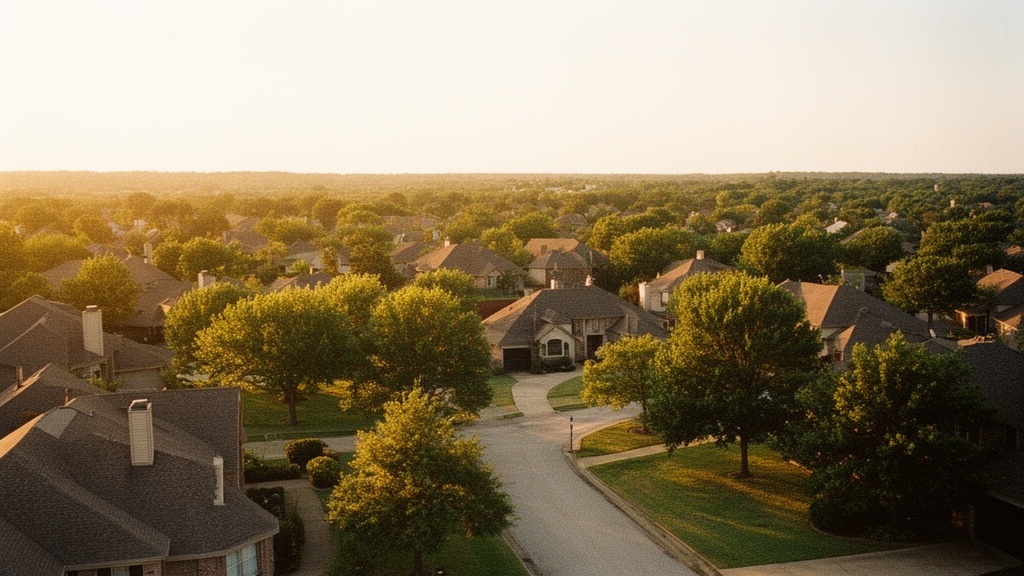
Charlottetown's neighborhoods differ mainly in housing age, lot size and proximity to the downtown core, rather than in any ranking of one area over another. Here is a breakdown of the physical characteristics of a few well-known areas so you can compare what fits your needs.
Downtown and the Waterfront Core
The streets around Victoria Row, Peake's Wharf and the Confederation Centre of the Arts hold a mix of century homes, converted row houses and newer condo buildings. Lot sizes here tend to be small, often under a quarter acre, and many properties date from the late 1800s through the early 1900s with heritage facades. Walking distance to Province House, the boardwalk along the Hillsborough River, and shops on Queen and Richmond Streets is a defining feature of this area.
West Royalty and Sherwood
West Royalty, along the Trans-Canada Highway corridor, has a larger share of homes built since the 1990s, including split-levels and bungalows on lots averaging half an acre. Sherwood sits closer to the Hillsborough River and includes a mix of mid-century bungalows and newer subdivisions near Sherwood Business Park and UPEI. If you want more detail on day-to-day life in one of these areas, our guide to homes for sale in Charlottetown covers housing types across the city in more detail.
Winsloe, Parkdale and the Outer Ring
Parkdale sits just north of downtown with a mix of post-war bungalows and two-storey homes on modest lots, many within a ten-minute drive of the Charlottetown Mall. Winsloe, just outside city limits along Route 2, has larger rural-residential lots, often one acre or more, with newer construction and septic systems rather than municipal sewer. Commute time from Winsloe to downtown Charlottetown is typically 12 to 15 minutes by car.
For school information, families should check the Public Schools Branch of Prince Edward Island directly, since boundaries and programs can change from year to year and are best confirmed through the official source rather than secondhand summaries.
3. When Is the Best Time to Buy or Sell in Charlottetown?
Spring, specifically April through June, remains the busiest season for listings and showings in Charlottetown, while late fall and winter tend to bring less competition and more motivated sellers. Each season has tradeoffs depending on whether you are buying or selling.
Spring Market Patterns
New listings typically climb through April as the snow clears and sellers want their yards and curb appeal looking their best. Buyers relocating for the start of the academic year at UPEI or Holland College also tend to search in spring, which adds competition for entry-level homes and condos near the downtown core.
Fall and Winter Considerations
Fewer buyers are actively shopping between November and February, partly due to winter weather and holiday schedules, which can mean less competition for serious buyers. Sellers listing in this window, including the stretch now approaching as 2026 draws to a close, are often relocating for work or need to close a sale by year end, which can make them more open to negotiating on price or closing terms.
4. What Should Buyers and Sellers Budget For in 2026?
Budgeting for a Charlottetown purchase or sale in late 2026 means accounting for more than the sale price alone, including land transfer costs, inspection fees and closing adjustments. Here is a breakdown of common costs to plan for on both sides of a transaction.
- Land transfer tax: PEI charges a provincial real property transfer tax, generally 1% of the greater of the purchase price or assessed value, with some first-time buyer exemptions.
- Home inspection: typically $400 to $600 for a standard single-family home inspection in the Charlottetown area.
- Legal fees: budget roughly $1,000 to $1,500 for a lawyer to handle closing, title search and registration.
- Heating system check: many older homes downtown still use oil heat, so a furnace or oil tank inspection is worth the cost before closing.
- Moving and storage: costs vary widely, but local moves within Charlottetown typically run $500 to $1,200 depending on home size.
Sellers should also plan for staging, minor repairs flagged by a pre-listing inspection, and real estate commission, which is negotiated between the seller and their agent. According to the Royal LePage housing price market report for Charlottetown, the aggregate home price in the region has continued a gradual upward trend through late 2025 and into 2026, which is worth factoring into how you price a listing or structure an offer.
5. How Does Charlottetown Compare to the Rest of PEI?
Charlottetown generally carries higher home prices than smaller PEI communities like Montague, Souris or Kensington, largely because of its concentration of jobs, services and the university. Commuter towns such as Stratford and Cornwall, both a short drive across the Hillsborough and North Rivers respectively, often offer larger lots and newer construction at a somewhat lower price point while still being within a 10 to 15 minute drive of downtown.
Provincial data shows demand across PEI has been shaped by continued interprovincial migration, though the pace has moderated compared to the surge seen in prior years. The Century 21 PEI market overview notes that while price growth has slowed province-wide, Charlottetown and its surrounding commuter communities remain the most active segment of the island's market heading into late 2026 due to proximity to employment and services.
Anyone comparing Charlottetown to outlying rural areas should also weigh commute distance against lot size and privacy. A property 20 minutes outside the city in an area like North River or Cornwall often comes with an acre or more of land, compared to a typical quarter-acre or smaller lot within city limits.
FAQ
Is now a good time to buy a home in Charlottetown?
That depends on your personal finances and timeline, but market conditions as of October 2026 favor buyers more than they did during the tighter inventory years of 2021 and 2022. Homes are sitting on the market slightly longer and fewer sales involve multiple competing offers, which gives buyers more room to negotiate on price and conditions. Interest rates and your own budget should factor heavily into your decision, so speaking with a mortgage lender alongside a local agent is a good first step.
What is the average time a home stays on the market in Charlottetown?
Days on market vary by property type and season, with detached homes in established neighborhoods often taking longer to sell than condos near the downtown core. Spring listings tend to move faster due to higher buyer activity, while fall and winter listings, including the current stretch heading into late 2026, can take longer simply because fewer people are shopping. Checking current listing data for comparable homes in your specific neighborhood gives a more accurate picture than a citywide average.
Should I buy in Charlottetown or a nearby town like Stratford or Cornwall?
This comes down to your priorities around lot size, commute time and housing age rather than one option being better than another. Charlottetown proper offers walkable access to downtown amenities and older housing stock, while Stratford and Cornwall tend to have newer construction and larger lots a short drive away. Looking at actual listings in each area side by side, including price per square foot and lot size, is the clearest way to compare your options.