
← Back to Blog
Market Trends
Scottsdale, Arizona Real Estate Market Guide (Early-to-Mid 2026 Data): Prices, Neighborhoods and Timing
By Catherine Gochoco
October 3, 2026 · 6 min read
If you're trying to make sense of the Scottsdale, Arizona real estate market heading into October 2026, this guide breaks down what homes cost across the city's different areas, how long listings are sitting, and when buyers and sellers tend to get the best results. Scottsdale covers a lot of ground, from older central neighborhoods near Old Town to newer desert communities north of Dynamite Boulevard, and pricing and pace vary quite a bit depending on where you look.
1. What's Driving the Scottsdale Market in 2026
Scottsdale's housing market in the first half of 2026 ran cooler than the frantic pace of 2021 and 2022, but it still favored sellers in many price points under $1 million. Inventory grew compared to the past couple of years, giving buyers more room to negotiate, while well-priced homes in walkable areas near Old Town or Scottsdale Fashion Square still drew multiple offers within the first two weeks.
Mortgage rates hovering in the mid 6 percent range earlier this year slowed down some move-up buyers, which added slightly more supply at higher price tiers above $1.5 million. Meanwhile, cash buyers remained a meaningful share of Scottsdale transactions, particularly in North Scottsdale communities near DC Ranch and Troon North, where relocation buyers and seasonal residents often skip financing altogether.
For a broader look at how to search listings and structure an offer in this environment, our Homes for Sale in Scottsdale: Buyer's Guide walks through the process step by step.
2. Price Ranges Across Scottsdale's Different Areas
Scottsdale prices vary widely depending on which part of the city you're looking at, with a gap of several hundred thousand dollars between the south and north ends. Understanding the physical differences between these areas, lot sizes, home ages, and architectural styles, helps explain the price spread more than any single market statistic.
South Scottsdale and Old Town
South Scottsdale, including the blocks around Old Town and the Arts District, features a mix of mid-century ranch homes on quarter-acre lots and newer townhomes and condos built within the last fifteen years. Single-family homes here generally listed between $550,000 and $950,000 earlier in 2026, while condos and townhomes near Main Street or the Scottsdale Waterfront often fell between $350,000 and $700,000 depending on square footage and HOA amenities.
Central Scottsdale Near Camelback Corridor
Central Scottsdale, stretching from around Indian Bend Road up through the Camelback Corridor, mixes established neighborhoods from the 1970s and 1980s with newer custom builds on larger lots. Homes in this stretch typically ranged from $700,000 to $1.4 million earlier this year, with larger parcels backing up to green belts or golf courses pushing toward the higher end of that range.
North Scottsdale and the Desert Foothills
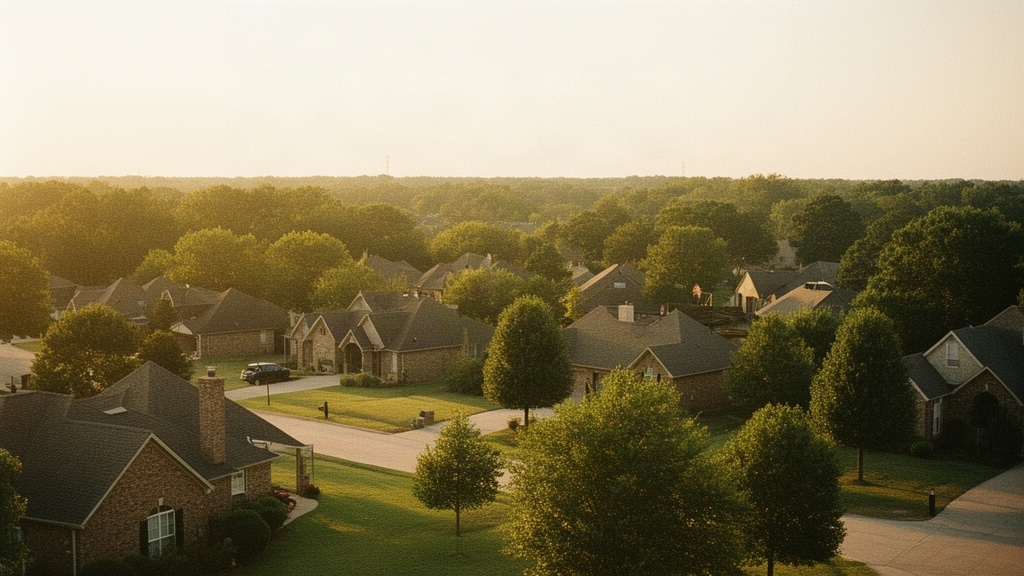
North Scottsdale, including areas around Pinnacle Peak, Troon North, and the Scottsdale Airpark, is dominated by newer construction on desert lots, many with mountain views of the McDowell range or Pinnacle Peak itself. Prices there commonly started around $900,000 and climbed past $3 million for custom homes in gated communities, with lot sizes often exceeding half an acre, based on data from earlier in 2026.
- South Scottsdale condos and townhomes: roughly $350,000 to $700,000 (earlier 2026 data).
- South Scottsdale single-family homes: roughly $550,000 to $950,000 (earlier 2026 data).
- Central Scottsdale single-family homes: roughly $700,000 to $1.4 million (earlier 2026 data).
- North Scottsdale single-family homes: roughly $900,000 to $3 million and up (earlier 2026 data).
3. How Long Homes Are Sitting on the Market
Well-priced Scottsdale homes under $800,000 averaged around 25 to 35 days on market earlier in 2026, while homes priced above $1.5 million often took 60 days or longer to find a buyer. This gap reflected a smaller pool of buyers at higher price points combined with more available inventory in luxury segments across North Scottsdale.
Homes near Old Town and the Scottsdale Waterfront that were priced accurately from the start tended to move faster, since walkability to restaurants, galleries, and the Scottsdale Civic Center Library draws steady buyer interest. Properties that sit longer than 45 days often see price reductions, and buyers watching listings closely can find negotiating room once a home passes that mark.
According to ARMLS market data distributed through Arizona Regional MLS, Scottsdale's overall absorption rate eased earlier in 2026 compared to the tighter conditions seen in prior years, giving buyers more time to evaluate a property before competing.
4. When to Buy or Sell: Timing the Scottsdale Calendar
Scottsdale's selling season runs opposite to a lot of colder climate cities, with the busiest buyer activity happening from January through April when seasonal residents and snowbirds are in town. Listing a home in late winter or early spring typically brings more showings and faster offers than listing during the hottest summer months, and the same pattern is expected to repeat as Scottsdale moves into the January through April 2027 window.
Spring Season
January through April is Scottsdale's most active stretch, driven partly by part-time residents who return for the winter and spring training season at Scottsdale Stadium and Salt River Fields. Sellers who listed during this window earlier in 2026 saw the shortest days on market and the strongest offer activity of the year.
Summer Months
June through August saw fewer showings as daytime temperatures regularly topped 105 degrees and part-time residents headed elsewhere, but buyers who shopped during those months tended to be serious and motivated to close before fall. Sellers willing to list in summer sometimes faced less competition from other listings, even with a smaller buyer pool overall.
Fall and Winter
October through December, the period we're now entering, tends to bring renewed buyer interest as temperatures drop into the comfortable 70s and 80s and relocation activity picks up ahead of the new year. This period also lines up with when many companies relocate employees for January start dates, adding another wave of buyers touring neighborhoods like McCormick Ranch and Gainey Ranch.
5. Questions to Ask Before You Commit to an Area
Choosing where to buy in Scottsdale depends on physical factors like commute distance, lot size, HOA rules, and proximity to amenities such as the Loop 101, Scottsdale Road, or the Indian Bend Wash greenbelt. Rather than relying on general reputation, it helps to look at specific, checkable details for any street or community you're considering.
For information on schools, the Arizona Department of Education publishes school profiles and enrollment data directly, which is a better source for that research than secondhand summaries. For questions about area safety, the Scottsdale Police Department and local municipal data portals publish crime statistics by reporting district, and these are worth reviewing firsthand since they reflect official, updated figures rather than general impressions.
Commute times matter too. A home near the Scottsdale Airpark puts you roughly 20 to 25 minutes from Sky Harbor International Airport depending on traffic, while a home in far North Scottsdale near Pinnacle Peak Road can mean a 35 to 45 minute drive to downtown Phoenix during peak hours.
- Lot size and HOA structure: varies from zero-lot-line townhomes to half-acre-plus desert parcels with private HOAs.
- Commute distance: ranges from 10 minutes to downtown Scottsdale's core to 40-plus minutes from the far north edge of the city.
- Age of construction: south Scottsdale homes often date to the 1960s and 1970s, while north Scottsdale is largely built from the 1990s forward.
- Proximity to amenities: Scottsdale Fashion Square, the Scottsdale Waterfront, and Old Town cluster in the south and central parts of the city, while hiking access to the McDowell Sonoran Preserve is more concentrated in the north.
If you're still narrowing down where to start your search, our Homes for Sale in Scottsdale: Buyer's Guide covers how to compare listings and prepare an offer once you've identified a few target areas.
FAQ
Is it a buyer's market or seller's market in Scottsdale heading into October 2026?
Based on data from earlier in 2026, it was a mixed market depending on price point. Homes under $800,000, particularly in walkable areas near Old Town, saw competitive offers and sold in roughly a month. Above $1.5 million, inventory had grown and buyers had more negotiating leverage, with homes often sitting for two months or longer before going under contract.
What's the best month to list a home for sale in Scottsdale?
January through April tends to bring the most buyer activity, since seasonal residents are in town and spring training season draws additional visitors who sometimes become buyers. Listing in this window generally produces faster offers and shorter days on market compared to listing during the summer heat, based on patterns seen earlier in 2026 and expected to continue into the January through April 2027 season.
How much does location within Scottsdale affect home prices?
Significantly. Based on data from earlier in 2026, south Scottsdale homes near Old Town commonly ranged from $550,000 to $950,000, central Scottsdale ran roughly $700,000 to $1.4 million, and north Scottsdale communities near Troon North or DC Ranch often started near $900,000 and climbed past $3 million. The differences come down to lot size, home age, and proximity to desert preserve land versus walkable retail and dining districts.