← Back to Blog
Market Trends
Westmount, Montreal Real Estate Market Guide: Prices, Neighborhoods and Timing
By charles bilodeau
September 10, 2026 · 11 min read
Westmount sits on the southwest slope of Mont Royal, fully surrounded by Montreal yet governed as its own city, and its real estate market operates by its own rules. This Westmount, Montreal real estate market guide covers current prices as of September 2026, the distinct character of each part of the city, what drives value here, and how to time a purchase or sale for the best outcome.
1. What Makes Westmount Different from the Rest of Montreal
Westmount is one of the most distinctive real estate markets in Quebec. It is not a neighbourhood inside Montreal; it is a separate incorporated city of roughly 21,000 residents that happens to be completely encircled by the island of Montreal. That distinction matters for buyers and sellers because Westmount has its own city council, its own public works department, its own property tax structure, and its own zoning bylaws, all of which shape what gets built, what gets preserved, and what properties ultimately sell for.
Its Own Municipality, Its Own Rules
Westmount's municipal tax rate and its heritage protection bylaws both affect the cost of ownership and the scope of renovations a buyer can undertake. The city maintains strict controls on exterior alterations to heritage-designated properties, which covers a large portion of the housing stock above Sherbrooke Street. Before purchasing a property with plans to renovate the facade, replace windows, or alter rooflines, buyers need to consult Westmount's permit office directly. This is not a step to skip.
Westmount also sits within the Commission scolaire Lester-B.-Pearson and the Commission scolaire Marguerite-Bourgeoys catchment areas depending on the language of instruction. For school-related decisions, the Quebec Ministry of Education website and each school board's own enrollment pages are the right places to verify current boundaries and availability, since these details change and vary by address.
Housing Stock You Won't Find Elsewhere
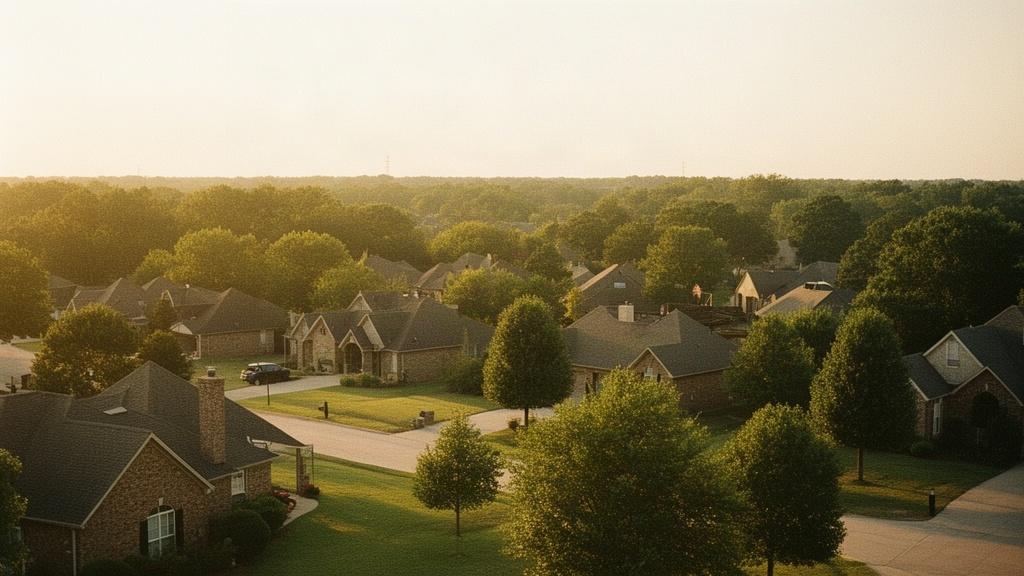
The built environment in Westmount is genuinely unlike anything else in the Montreal region. The city developed primarily between 1880 and 1940, which means the dominant architectural styles are Edwardian stone mansions, Tudor Revival detached homes, Second Empire greystone rowhouses, and Arts and Crafts cottages. Almost no post-war suburban construction exists within city limits. The result is a streetscape of mature trees, limestone retaining walls, and homes with original millwork, stained glass, and slate roofs that developers simply cannot replicate today.
Condominiums in Westmount are largely conversions of larger homes or purpose-built low-rise buildings from the mid-20th century, with a handful of newer boutique developments near Victoria Avenue. There are no glass towers here. The condo inventory is tight, which keeps prices elevated relative to comparable units in adjacent Montreal boroughs like NDG or Cote-des-Neiges.
2. Westmount Real Estate Prices in September 2026
Westmount consistently trades at a significant premium to the broader Montreal market. As of September 2026, the median sale price for a single-family detached home in Westmount sits in the range of $2.8 million to $3.4 million, with upper-street properties regularly exceeding $5 million and occasionally reaching well above $10 million for the largest estate lots. The market here is driven by scarcity: Westmount covers only about 4 square kilometres and virtually no new land is available for residential development.
For a broader view of how Montreal's luxury segment is performing this year, the RE/MAX Canada 2026 Montreal luxury market spotlight offers useful context on price trends across the island's premium corridors, including how Westmount compares to other high-value areas like Outremont and the Golden Square Mile.
Single-Family Homes
Entry-level detached homes in Lower Westmount, typically semi-detached greystones or smaller stone cottages south of Sherbrooke Street, are currently listed in the $1.4 million to $2.2 million range. Move up the hill into Central Westmount and the price band shifts to $2.5 million to $4 million for mid-sized detached properties on streets like Côte-Saint-Antoine Road, Forden Crescent, and Roslyn Avenue. Upper Westmount properties, those above The Boulevard and backing toward Summit Woods, start around $4 million and have no practical ceiling.
Overbidding still occurs on well-priced, move-in-ready properties, particularly those with original architectural details intact, updated mechanicals, and a double garage. Properties that need significant work are spending more time on the market than they did in 2024 and 2025, as buyers at this price point increasingly factor renovation costs and heritage permit timelines into their offers.
Condominiums and Ground-Floor Units
The Westmount condo market in September 2026 is active but selective. One-bedroom units in converted buildings near Victoria Avenue or Sherbrooke Street West are trading between $500,000 and $750,000. Two-bedroom units with original plaster details, hardwood floors, and updated kitchens are selling in the $800,000 to $1.3 million range. Penthouse-level units or those with private terraces and parking push above $1.5 million.
Condo fees in Westmount's older converted buildings tend to be higher than in newer Montreal construction because the buildings require ongoing maintenance of heritage elements like slate roofs and stone facades. Buyers should request the last three years of financial statements and the most recent reserve fund study before making an offer on any unit in a building older than 1970.
Income Properties and Plexes
Income properties in Westmount are rare and command a premium that reflects both the land value and the rental demand. A duplex or triplex in Lower Westmount, south of Sherbrooke, is currently priced between $1.6 million and $2.4 million depending on unit size, condition, and whether the owner's unit has been updated. Gross rental yields in Westmount are generally lower than in other Montreal boroughs because purchase prices are high, but long-term appreciation has historically been strong and vacancy rates remain low.
3. The Distinct Sections of Westmount and What They Offer
Westmount is best understood in three horizontal bands that follow the slope of Mont Royal. Each band has a different price range, a different architectural character, and a different relationship to the amenities that make Westmount appealing. Understanding these distinctions before you start searching will save you time and help you set a realistic budget.
Upper Westmount
Upper Westmount occupies the terrain above The Boulevard and extends to the edge of Summit Woods, a 24-hectare forested park that sits at the second-highest point on the island of Montreal. Streets like Sunnyside Avenue, Grosvenor Avenue, and Belvedere Road are lined with large stone mansions on lots that often exceed 10,000 square feet. Many properties here were built between 1900 and 1930 for Montreal's industrial and financial elite, and the scale of the homes reflects that era. Garages are frequently detached carriage houses. Gardens are walled.
The tradeoff for the elevation and the privacy is distance from transit. The nearest Metro stations, Vendome on the orange line and Atwater on the green line, are at the base of the hill, a 15 to 20 minute walk from upper streets. Most residents here drive or use the STM bus routes that run along The Boulevard and Côte-Saint-Antoine Road.
Central Westmount and the Summit Area
The central band, roughly between Sherbrooke Street and The Boulevard, contains the highest concentration of Westmount's most recognizable residential streets. Côte-Saint-Antoine Road, Forden Crescent, Roslyn Avenue, and Metcalfe Avenue all run through this zone. Westmount Park, a 13-hectare green space with a public library designed by Nobbs and Hyde in 1899, an outdoor pool, tennis courts, and a greenhouse, anchors the eastern edge of this section. The park is a genuine amenity and its proximity adds measurable value to surrounding properties.
Victoria Avenue and Greene Avenue run north to south through this central zone and serve as the commercial spine of the city. Greene Avenue in particular has a dense concentration of independent restaurants, specialty food shops, and professional offices within a few blocks, which means residents can walk to most daily errands. The Atwater Metro station at the bottom of Greene Avenue connects to downtown Montreal in under 10 minutes by green line train.
Lower Westmount
Lower Westmount sits south of Sherbrooke Street and north of de Maisonneuve Boulevard, bordering the Shaughnessy Village neighbourhood of Montreal. The housing stock here shifts from large detached mansions to semi-detached greystones, row houses, and converted multi-unit buildings. Lot sizes are smaller and setbacks are tighter. This is where buyers who want a Westmount address at a more accessible price point tend to focus their search, with detached homes starting around $1.4 million and condos available from the low $500,000s.
Lower Westmount is also the most walkable section of the city. The Vendome Metro station, which connects to both the orange line and the commuter rail network at Gare Vendome, is within a 5 to 10 minute walk of most Lower Westmount addresses. For buyers who commute to downtown or to the South Shore, this transit access is a practical advantage.
4. What Drives Value in the Westmount Market
In Westmount, value is shaped by a specific set of factors that differ from the rest of the Montreal real estate market. Understanding these factors before you make an offer, or before you list, is the difference between pricing a property correctly and leaving money on the table.
Lot Size and Setback
In Upper and Central Westmount, lot size is one of the primary value drivers. A property on a 12,000-square-foot lot with a deep rear garden and a double detached garage will command a meaningfully higher price per square foot of living space than a comparable home on a 6,000-square-foot lot, even if the interior finishes are identical. Buyers at the $4 million-plus level are often purchasing land as much as they are purchasing the house.
Architectural Integrity
Westmount buyers at the upper end of the market pay a premium for homes where the original character has been preserved rather than stripped out. Original wood panelling, plaster ceiling medallions, leaded glass windows, stone fireplaces, and period hardware all add value here in a way they do not in most other Montreal markets. Conversely, a Westmount home that was renovated in the 1980s with dropped ceilings, vinyl windows, and wall-to-wall carpet over original hardwood often sells at a discount to its architectural peers, even if the mechanicals are newer.
Proximity to Westmount Park and Greene Avenue
Properties within a 3 to 4 block radius of Westmount Park consistently sell faster and at stronger prices than comparable homes farther from the park. The park's size, its mature tree canopy, and its year-round programming make it a genuine neighbourhood anchor. Similarly, homes within easy walking distance of Greene Avenue's retail and restaurant strip carry a walkability premium that shows up in sale prices. Buyers should map the walking distance to both before comparing two otherwise similar properties.
If you want a deeper look at how Westmount's market has evolved through 2026, this detailed Westmount real estate overview covers historical price trajectories and current inventory conditions with useful specificity.
For context on how Westmount fits into the broader Montreal picture, the Montreal, Quebec real estate market guide on this site covers island-wide pricing trends and how different municipalities compare in terms of inventory and days on market.
5. Timing Your Purchase or Sale in Westmount
Westmount's market has seasonal patterns, but they are less pronounced than in the broader Montreal market because the buyer pool is smaller and more deliberate. A well-priced Westmount property can sell in any month of the year. That said, there are windows when activity concentrates and when the balance of leverage shifts between buyers and sellers.
The Spring Window
March through May is consistently the most active listing period in Westmount. Sellers list in spring because gardens and exteriors photograph well, and buyers who want to be settled before the school year begins are actively searching. Competition among buyers is highest during this window, which means sellers who price correctly in April or May face the best conditions for multiple offers. Buyers, on the other hand, face the least negotiating room during this period.
Fall and the Motivated Seller
September and October bring a secondary surge of listings as sellers who missed the spring window try again before winter. Right now, in September 2026, there is a meaningful cohort of Westmount properties that have been on the market since spring and have had price reductions. Buyers who are patient and have financing arranged can find genuine value in this segment. Properties listed in November and December tend to represent sellers with real motivation, whether a job relocation, an estate sale, or a purchase already committed to elsewhere.
How Long Westmount Properties Sit
The average days on market for Westmount single-family homes in 2026 has been running between 45 and 70 days, longer than the Montreal island average of roughly 30 to 40 days for all property types. This reflects the narrower buyer pool at higher price points rather than weakness in the market. Condos in Westmount are moving faster, often in 20 to 35 days, because the price range overlaps with a larger segment of buyers.
Sellers should plan for a longer marketing period and resist the urge to reduce the price in the first three weeks. The buyer for a $3.5 million Westmount home may be viewing properties in multiple cities or may be waiting for a specific life event before committing. Patience, combined with accurate initial pricing, produces better outcomes than reactive reductions.
If you are selling in a neighbouring area, the guide to selling a home in NDG, Montreal covers the pricing and timeline dynamics for the market directly adjacent to Westmount's southern and western borders, which can be useful context if you are deciding between listing in one area versus the other.
For sellers looking at the broader process, the complete guide to selling a home in Montreal, Quebec walks through pricing strategy, timeline expectations, and what to expect at each stage of a Montreal sale.
FAQ
What is the average price of a house in Westmount, Montreal in 2026?
As of September 2026, the median sale price for a detached single-family home in Westmount sits between $2.8 million and $3.4 million, though the range is wide. Entry-level detached properties in Lower Westmount start around $1.4 million, while Upper Westmount estates on large lots regularly exceed $5 million and occasionally trade above $10 million. Condominiums are more accessible, with one-bedroom units starting around $500,000 and two-bedroom units ranging from $800,000 to $1.3 million depending on the building, floor, and condition. Pricing in Westmount is heavily influenced by lot size, architectural integrity, and proximity to Westmount Park and Greene Avenue.
Is Westmount part of Montreal or a separate city?
Westmount is a separate incorporated city with its own municipal government, bylaws, and tax structure, even though it is completely surrounded by the island of Montreal. It was not merged into the City of Montreal during the 2002 municipal mergers; it voted to demerge in 2004 and has operated independently since 2006. This distinction has real consequences for property owners: Westmount has its own heritage protection rules, its own permit process for exterior renovations, and its own property tax rate, which differs from Montreal's rate. Buyers should factor these specifics into their due diligence before purchasing.
When is the best time to buy or sell in the Westmount real estate market?
For sellers, the spring window from March through May offers the most buyer activity and the strongest conditions for competitive offers, particularly on well-maintained properties that photograph well outdoors. For buyers, the fall period, specifically September through November, can present better negotiating opportunities because some properties have been on the market since spring and sellers may be more flexible on price. Properties listed in December often represent sellers with genuine motivation, which can translate into room to negotiate. In all cases, correct initial pricing matters more than timing alone in a market as specific as Westmount, where the buyer pool is smaller and more deliberate than on the broader Montreal island.