← Back to Blog
Neighborhoods
the Dickinson, Texas historic district real estate market guide: prices, neighborhoods and timing
By Chaz Coffer
October 10, 2026 · 4 min read
This Dickinson, Texas historic district real estate market guide: prices, neighborhoods and timing explains typical home types, street-level features, and what to check when buying or selling in Dickinson's historic core. Read on for local price examples, neighborhood details, and timing steps you can follow.
1. Overview of the Dickinson historic district
Quick answer. The Dickinson historic district is a compact area near downtown Dickinson featuring early 20th century houses, narrower lots than suburban subdivisions, and a mix of renovated and original structures.
What the district is like
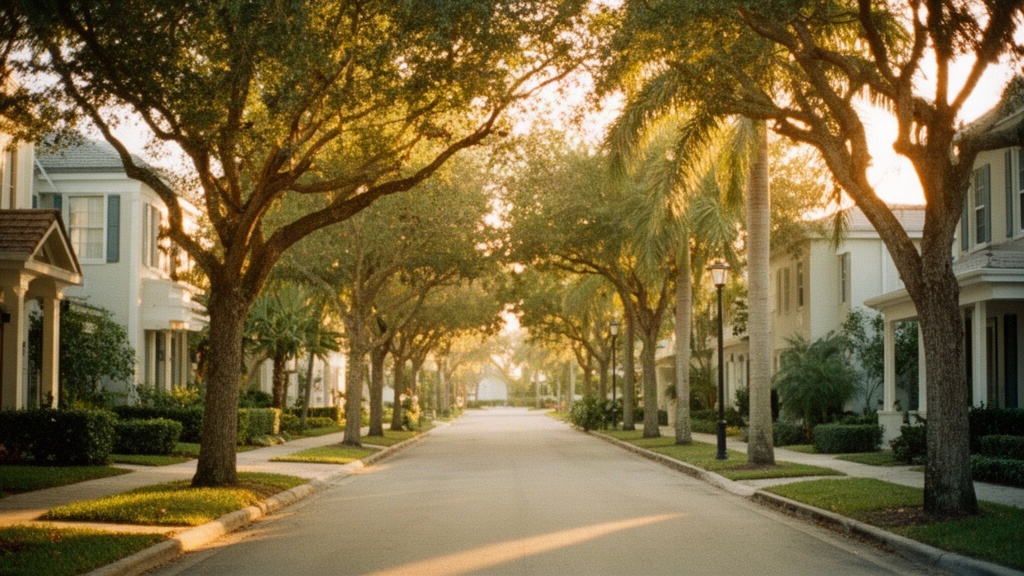
Street pattern and character. The historic core sits a few blocks east of SH 3 and south of FM 517. Streets such as 2nd Street, FM 517 frontage roads, and La Marque Avenue contain wood-frame cottages, bungalow styles, and several brick homes on lots commonly between 5,000 and 9,000 square feet.
Construction and ages. Many houses date from the 1910s through the 1940s, with periodic infill construction in later decades; you will find original hardwood floors and raised foundations in older homes, plus a handful of newer, rebuilt properties after major storm events.
2. Typical prices and how to read comparables
Quick answer. Expect price variation driven by lot size, renovation level, and elevation or flood mitigation details; use nearby sales on the same street and houses within 0.25 mile for the best comparables.
Price components to check. When evaluating price, separate land value, structural condition, and flood mitigation work. Ask for sale records that list lot square footage, finished square footage, elevation certificate if available, and any post-storm repairs paid by prior owners.
- Median price: Pull the most recent median for Dickinson from county records or MLS, then compare to street-level sales within 0.25 mile.
- Per square foot: Use finished living area only, and exclude non-conditioned additions unless the permit history is clear.
- Elevation and flood work: Document any elevation, pier and beam repairs, or FEMA work that affects insurability and resale.
Which comparables to pull. Choose closed sales from the past 6 to 12 months within the district boundary, and prioritize properties on the same block and similar lot size; for renovated homes, compare to other renovated sales, not raw fixer-uppers.
3. Neighborhood features, landmarks and amenities
Quick answer. The historic district is close to downtown Dickinson, downtown parks, and key corridors such as FM 517 and SH 3; local landmarks include the Dickinson Bayou corridor and the historic downtown commercial buildings.
Parks, waterways and public spaces
Public features. Dickinson Bayou runs within a short walk of the historic core; Erwin Park and Bay Area Park are within a 10 to 20 minute drive, while local pocket parks and the downtown streetscape provide short walking routes.
Schools and municipal services to check
Objective sources. For school information check Dickinson Independent School District pages and the Texas Education Agency; for police, public works, and floodplain maps consult Galveston County and the City of Dickinson official sites. These sources provide raw data you can use without interpretation.
Local landmarks and commute details. Downtown Dickinson commercial blocks, the Dickinson Farmers Market location, and proximity to SH 3 give short drives to League City and the Clear Lake employment nodes; typical drive time to the NASA Johnson Space Center area is about 20 to 30 minutes depending on traffic.
4. Timing your move, listing or purchase
Quick answer. Plan timing around inspection, insurance quotes, and permit histories rather than calendar months; for sellers, allow 30 to 60 days to prepare property-specific documents and repairs, and for buyers, build in extra time for elevation and insurance review.
Steps for sellers
Seller checklist. Gather permits and receipts for past repairs, obtain an elevation certificate if you have one, identify recent comparable sales on the same street, and schedule a pre-listing inspection to uncover items buyers will ask about.
Steps for buyers
Buyer checklist. Order a full inspection, request elevation and flood documentation, ask the seller for contractor receipts for structural or elevation work, and get insurance quotes early to confirm coverage and premiums.
5. Practical inspection and financing checklist
Quick answer. Focus inspections on foundation, termite evidence, electrical updates, HVAC age, and any flood remediation work; pair that with lender pre-approval that considers potential elevation-related policy conditions.
- Inspection items: foundation piers, sill plates, termite damage, roof age, electrical panel type, and evidence of previous flood repairs.
- Financing items: obtain lender pre-approval, confirm appraisal parameters for older homes, and verify insurance availability and estimated premiums with at least two providers.
- Title and permitting: check for unpermitted additions, recorded liens, and any municipal code violations prior to closing.
Resources to read. For contexts on resilience and mapping challenges relevant to coastal communities, consider broader reporting about mapping and recovery work, which helps explain why documentation matters when buying historic homes.
Further reading. A recent article on mapping complex problems explains how rigorous local documentation improves decision making, which is useful when reviewing flood and elevation records.
Context on recovery and repairs. Historical reporting on post-storm recoveries highlights why receipts, permits, and contractor records matter for homes that have undergone major repairs.
How I can help. I am Chaz Coffer, a local Dickinson agent. I can pull street-level comparables, order elevation histories, and coordinate inspectors and contractors who work in Dickinson so you have the paperwork buyers or lenders will request.
FAQ
How much do homes in the Dickinson historic district typically cost?
Typical costs vary widely because of renovation level and lot size. To find current market figures pull recent closed sales on the same street and within 0.25 mile. Ask your agent for per-square-foot calculations, documented elevation work, and a list of recent repairs to compare apples to apples.
Do historic district homes in Dickinson need special permits for renovations?
Any structural change or addition usually requires a city permit. Check the City of Dickinson building permits and the Galveston County records for historical permit history. If a property had post-storm repairs, request contractor receipts and permits to confirm work was permitted and inspected.
What should buyers prioritize when touring a historic district home?
Prioritize foundation condition, evidence of moisture or previous flooding, roof age, electrical panel updates, and visible termite activity. Request an inspector who has experience with raised foundations and older wood-frame homes; also obtain insurance quotes early to confirm coverage terms.