← Back to Blog
Neighborhoods
What Neighborhoods and Subdivisions Exist in Crawfordville Florida and What Does Each Area Feel Like
By Cheyenne Pigott
September 24, 2026 · 12 min read
Crawfordville, Florida has more geographic variety than most people expect from a small Panhandle county seat. If you are trying to figure out what neighborhoods and subdivisions exist in Crawfordville Florida and what each area feels like, this guide breaks down the housing stock, lot sizes, price ranges, and physical character of every major community in the area so you can compare them side by side before scheduling a single showing.
1. How Crawfordville Is Laid Out and Why It Matters for Buyers
Crawfordville is the county seat of Wakulla County, and it sits roughly 15 miles south of downtown Tallahassee along US-319. Unlike a gridded city, Crawfordville's neighborhoods and subdivisions fan out in all directions from that central corridor. Some communities sit within a mile of the Walmart on Crawfordville Highway; others stretch toward the coast on roads that transition from pavement to canopy-covered two-lane routes through longleaf pine flatwoods.
Understanding the layout matters because it shapes your commute, your lot size expectations, and your price range all at once. A subdivision one mile off US-319 can feel completely different from one six miles down a county road, even if the listed price is similar. For a broader picture of what day-to-day life looks like across the area, the Crawfordville day-to-day living guide on this site covers the practical details well.
The US-319 Corridor and Its Role in the Market
US-319 (also called Crawfordville Highway or Wakulla Arrowhead) is the spine of the market. Subdivisions that front this road or sit within a mile of it tend to have shorter commutes to Tallahassee and quicker access to groceries, pharmacies, and the Wakulla County Government Complex. Those conveniences generally push prices slightly higher for comparable square footage compared to communities farther out on county roads.
Wakulla County's Rural Character vs. Established Subdivisions
Wakulla County has no incorporated city limits for Crawfordville, which means the community is an unincorporated census-designated place. That distinction matters because zoning transitions quickly from platted quarter-acre lots to five-acre rural parcels within just a few miles. Buyers who want a neighborhood with sidewalks and HOA-maintained common areas will find that in certain subdivisions. Buyers who want room for a detached workshop, horses, or a large garden will find that too, often at prices that would be impossible in Leon County.
For a detailed look at what communities are actively being built right now, the new developments and subdivisions guide for 2026 covers active construction phases, builder incentives, and lot availability across the county.
2. Established Subdivisions Near the Crawfordville Core
The neighborhoods closest to central Crawfordville are the most densely platted and have the widest variety of price points. Most were built between the late 1980s and the mid-2000s, so the housing stock ranges from block-construction ranch homes to two-story vinyl-sided colonials on lots that typically run between one-quarter and one full acre.
Wakulla Station and Surrounding Neighborhoods
Wakulla Station is one of the more recognizable subdivision names in the Crawfordville area. It sits close to the US-319 and Crawfordville Highway intersection, placing it within a short drive of the Wakulla County Courthouse, the Wakulla County Public Library, and the cluster of restaurants and retail that lines the main corridor. Homes here tend to be on smaller lots, often between 0.25 and 0.5 acres, with concrete block or frame construction from the 1990s through the early 2000s. As of September 2026, homes in this pocket of Crawfordville have been trading in a range roughly between the high $200,000s and the mid $300,000s depending on square footage, updates, and lot position.
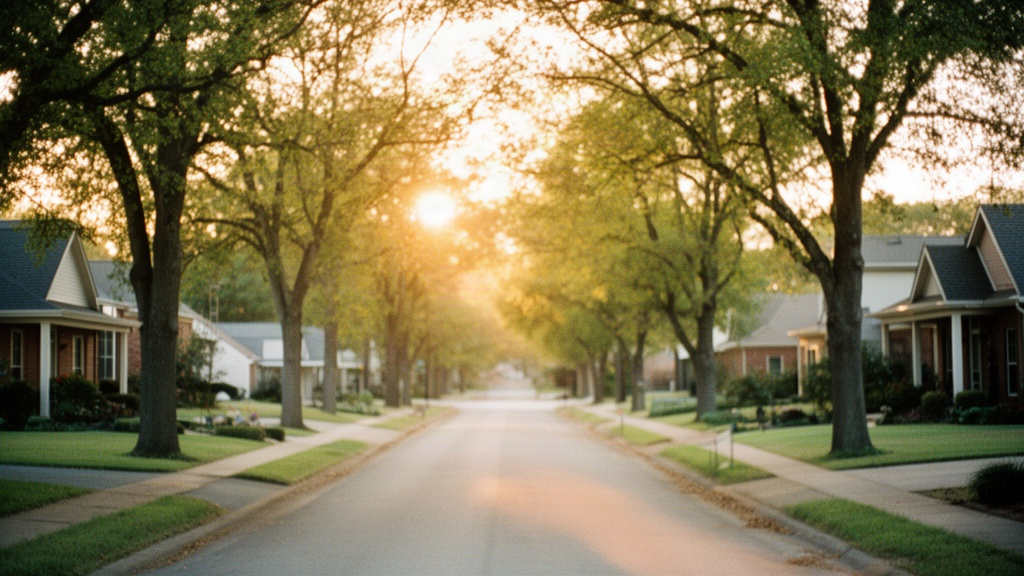
The physical feel of this area is quiet suburban. Streets are paved, lots are generally cleared with established landscaping, and the canopy of mature live oaks over many of the roads gives the neighborhood a settled, shaded character that newer developments lack. Commute time to the Capitol complex in Tallahassee runs approximately 20 to 25 minutes in normal morning traffic.
Woodville Highway Corridor Communities
The area along and near Woodville Highway (SR-263), which runs along the northern edge of Wakulla County before connecting into Leon County, contains a mix of older platted subdivisions and scattered rural lots. Subdivisions here often feature larger lots than the US-319 core, with half-acre to one-acre parcels more common. The housing stock skews toward single-story ranch homes and modular construction from the 1980s and 1990s, though infill new construction has appeared in recent years on previously vacant platted lots.
This corridor has a distinctly rural-suburban feel. You will see working farms and undeveloped pine flatwoods interspersed with residential streets. Buyers who want proximity to the St. Marks National Wildlife Refuge, which begins just a few miles to the south and east, often gravitate toward this area. Prices in this corridor have generally run from the low $200,000s for older homes needing work up to the mid $300,000s for updated or newer construction, as of September 2026.
Smaller Platted Subdivisions Off US-319
Scattered throughout the Crawfordville area are dozens of smaller platted subdivisions, many with 20 to 80 lots, that were recorded between the 1970s and the 1990s. Communities like Wakulla Gardens, Wakulla Shores, and similar smaller plats appear on county records and each has its own street layout, lot dimensions, and deed restrictions, though many of these older plats have minimal or no active HOA enforcement. Lot sizes in these communities vary widely, from about 0.3 acres up to nearly an acre, and the homes range from original 1970s block construction to renovated mid-century ranches.
The character of these smaller plats tends to be informal and low-key. Neighbors may keep chickens or have a boat parked in the side yard. Streets are often narrower and not always maintained to the same standard as newer developments. For buyers who want space and privacy without paying acreage prices, these smaller plats can offer strong value, particularly when the lot backs up to undeveloped timber land or a natural buffer.
3. Larger Planned Communities and Newer Developments
Crawfordville has seen consistent residential growth over the past decade, and several larger planned communities have taken shape that feel noticeably different from the older stock near the core. These communities typically have deed restrictions, newer infrastructure, and homes built to post-2010 energy and construction codes.
Timberlane and Comparable Wooded Subdivisions
Timberlane and communities with a similar wooded-lot character are among the most sought-after addresses in Crawfordville for buyers who want tree coverage and a sense of seclusion without giving up a paved road and a reasonable commute. Lots in these subdivisions typically run from 0.5 acres to over an acre, and many back up to natural wooded buffers of longleaf pine and hardwoods. Homes are predominantly brick or hardy-board construction from the 2000s and 2010s, ranging from 1,600 to 2,800 square feet.
The physical feel is quiet and canopied. Streets curve through the trees rather than running in straight grids, which slows traffic and gives the community a more private atmosphere. As of September 2026, homes in these wooded subdivisions have been trading in a range from the mid $300,000s to well over $450,000 depending on lot size, square footage, and condition. Commute to downtown Tallahassee from this pocket runs approximately 20 to 30 minutes.
Panacea Road and Coastal-Adjacent Communities
As you travel south on US-98 from Crawfordville toward Panacea and the Ochlockonee Bay area, the landscape shifts from pine flatwoods to coastal marsh and tidal creek systems. Communities and scattered residential lots in this corridor sit within the broader Crawfordville market area and attract buyers who want proximity to the water without the price premium of a Gulf-front address. Panacea itself is a small fishing village about 18 miles south of central Crawfordville, and the residential lots there range from modest waterfront cottages to newer elevated construction designed for flood zone compliance.
The feel of this area is distinctly coastal and unhurried. The Wakulla Environmental Institute sits in this corridor, and the Mashes Sands County Park provides public beach access on Ochlockonee Bay. Buyers should be aware that many parcels in this zone carry flood insurance requirements, and elevation certificates are a standard part of any purchase due diligence here. Price ranges vary enormously by water access: dry-lot homes in this corridor can start in the $200,000s, while waterfront or water-view properties push into the $400,000s and above.
Crawfordville's Newer Construction Pockets
Several subdivisions platted in the 2015 to 2025 window are still in active build-out phases as of September 2026. These communities tend to sit along county roads that branch off US-319 within a five-mile radius of central Crawfordville. Lot sizes in these newer plats commonly run from 0.25 to 0.75 acres, and the homes are typically 1,800 to 2,600 square feet with open floor plans, attached two-car garages, and LVP flooring as a standard finish.
New construction in Crawfordville has been priced from the low $300,000s for entry-level builds up to the mid $400,000s for larger homes on bigger lots with upgraded finishes, as of September 2026. Builder incentives have fluctuated throughout 2026 as interest rates have moved, so working with a local agent who tracks those programs in real time makes a meaningful difference in what you actually pay at closing. You can read more about navigating new construction purchases in the new construction home purchases guide published here.
4. Rural Acreage, Unplatted Land, and Waterfront Pockets
A significant portion of the Crawfordville market consists of rural acreage parcels and unplatted land, which do not fit neatly into the subdivision category but represent a major slice of what buyers are searching for in Wakulla County. These parcels range from two-acre residential lots with a single-wide mobile home to 40-acre tracts of undeveloped timber land with road frontage.
Acreage Parcels Along the St. Marks River Corridor
The St. Marks River runs through the eastern portion of Wakulla County, and the land along and near it carries a distinct character: low, flat, heavily wooded, and often wet. Acreage parcels in this corridor appeal to buyers who prioritize privacy, wildlife habitat, and access to the river for kayaking or fishing. The St. Marks National Wildlife Refuge borders much of this land to the south, which means the undeveloped buffer is effectively permanent.
Homes on acreage in this corridor vary from older manufactured homes on five-acre lots priced in the $150,000s to custom-built residences on 10 to 20 acres priced above $500,000. Buyers should check flood zone designations carefully here, as portions of the river corridor carry AE or AH flood zone designations that require flood insurance and can affect both financing and long-term insurance costs. Well and septic are standard in this area; municipal water and sewer do not extend to most rural parcels in Wakulla County.
Spring Creek and Ochlockonee Bay Waterfront Areas
Spring Creek is a small coastal community about 14 miles southwest of central Crawfordville, accessible via Spring Creek Highway. It sits on the edge of Apalachee Bay and has historically been a working fishing community. The residential stock here is a mix of older block homes, elevated stilt construction, and a small number of newer builds. The area has a remote, end-of-the-road feel: the road literally terminates at the water, and the nearest grocery store is back in Crawfordville.
Ochlockonee Bay sits along US-98 between Crawfordville and Carrabelle and has scattered waterfront residential lots and small communities. Buyers in this area are typically drawn by direct water access, the proximity to Bald Point State Park, and the relatively lower price point compared to Gulf-front communities farther west. Waterfront lots and homes along Ochlockonee Bay have traded from the high $200,000s to over $600,000 depending on dock access, lot size, and construction quality, as of September 2026.
For a comprehensive overview of all the neighborhoods and communities tracked across the Crawfordville and Wakulla County market, Forgotten Coast Real Estate's Crawfordville neighborhood directory provides an additional reference point for subdivision names and locations.
5. What to Know Before Choosing a Neighborhood in Crawfordville
Choosing between neighborhoods and subdivisions in Crawfordville Florida comes down to four practical variables: price, lot size, commute tolerance, and utility infrastructure. Getting clear on those four things before you start touring homes will narrow the field considerably.
Price Ranges by Area Type
As a general reference for September 2026 conditions across the Crawfordville market:
- Older platted subdivisions near US-319 core: roughly $230,000 to $360,000 for 3- to 4-bedroom homes on quarter- to half-acre lots.
- Wooded subdivisions with larger lots (0.5 to 1+ acres): roughly $330,000 to $475,000 depending on home size, age, and condition.
- New construction in active subdivisions: roughly $310,000 to $440,000 for standard builder packages; custom builds on larger lots can exceed $500,000.
- Rural acreage parcels with existing homes: wide range from $150,000 for older manufactured homes on 2 to 5 acres up to $550,000-plus for custom homes on 10 or more acres.
- Coastal and waterfront properties: dry lots in coastal communities from the high $200,000s; water-access or waterfront homes from the $350,000s to over $600,000.
Commute Distances from Each Pocket
Commute time to Tallahassee is one of the most common questions buyers ask when comparing Crawfordville neighborhoods. Central Crawfordville sits about 15 miles from the Capitol via US-319, which translates to roughly 20 to 25 minutes in normal conditions. Communities along the Woodville Highway corridor add 5 to 10 minutes depending on your exact starting point. Coastal communities like Spring Creek or the Ochlockonee Bay area add 15 to 25 minutes to the Tallahassee commute, putting total drive times at 40 to 55 minutes in morning traffic.
The full breakdown of routes, traffic patterns, and commute timing is covered in detail in the Crawfordville to downtown Tallahassee commute guide published on this site.
Questions to Ask Before You Commit
Before making an offer on any Crawfordville subdivision or rural parcel, there are several practical questions worth confirming:
- Water and sewer: Is the property on a public water system, a private well, or a community well? Is there a septic system or access to a municipal sewer line? The answer affects ongoing costs and what you can build.
- Flood zone status: Check the FEMA flood map for the specific parcel. Many Wakulla County properties near water features carry flood zone designations that require mandatory flood insurance, adding $800 to $3,000 or more annually to carrying costs.
- HOA status and deed restrictions: Older plats may have recorded deed restrictions with no active enforcement. Newer subdivisions often have active HOAs with monthly or annual dues ranging from $25 to $150 per month.
- Road maintenance: Some private roads in rural subdivisions are maintained by the residents, not the county. Confirm road maintenance responsibility before closing, especially on remote parcels.
- Internet and cell service: Service quality varies significantly by location in Wakulla County. Fiber availability, fixed wireless options, and cell signal strength are worth testing at the property before committing.
For a deeper look at the overall market conditions shaping prices and inventory across all of these neighborhoods right now, the Crawfordville real estate market guide for buyers and sellers covers current pricing trends, days on market, and what to expect in negotiations.
FAQ
What is the most affordable type of neighborhood in Crawfordville, Florida right now?
As of September 2026, the most affordable entry points in the Crawfordville market are older platted subdivisions along the Woodville Highway corridor and smaller unplatted rural lots with manufactured or older frame homes. These properties can start in the $150,000 to $230,000 range depending on condition and lot size. Buyers willing to take on cosmetic updates often find the best value in these pockets. Keep in mind that older homes in Wakulla County may have well and septic systems that need inspection, and some carry flood zone designations that add to annual insurance costs. Working with a local agent who knows which specific streets and plats hold the best value is essential in this type of market.
Do most Crawfordville subdivisions have HOAs?
It depends heavily on when the subdivision was platted and by whom. Newer communities built after roughly 2005 are more likely to have active homeowners associations with recorded covenants and monthly or annual dues, typically ranging from $25 to $150 per month. Older plats from the 1970s through the 1990s often have deed restrictions on record but no active HOA collecting dues or enforcing rules. Before closing on any Crawfordville property, a title search will surface recorded deed restrictions, and your agent can help you understand what is actually being enforced in practice versus what is simply on paper.
How do I research schools for a specific Crawfordville neighborhood before I buy?
School assignments in Wakulla County are determined by the Wakulla County School District based on your specific address, not by subdivision name. The best approach is to confirm the assigned school for the exact property address directly with the Wakulla County School District before making an offer. The Florida Department of Education's website also provides school-level data that you can review independently. Because school assignment is a personal decision tied to your household's specific priorities, Cheyenne Pigott recommends doing that research directly with the district rather than relying on third-party summaries. You can read more about the research process in the schools guide published on this site.