← Back to Blog
Neighborhoods
Cape May City Neighborhoods: Housing in Each Area
By Colleen O'Hara
Compass Real Estate
September 14, 2026 · 12 min read
Cape May city covers roughly two square miles at the southern tip of New Jersey, but within that compact footprint you will find several distinct neighborhoods, each with its own housing stock, price range, and physical character. Whether you are buying a Victorian cottage near the beach, a bayfront property, or a year-round home on a quiet residential street, understanding what the different neighborhoods in Cape May city look like is the first step to making the right decision. This guide breaks down each area with the specific details you need before you start shopping.
1. How Cape May City Is Organized Geographically
Cape May city sits on a peninsula where the Atlantic Ocean meets the Delaware Bay. The city is small, roughly 1.9 square miles of land, but its geography creates several meaningfully different housing zones. The ocean runs along the southern edge, the bay runs along the western and northern edges, and the interior streets connect them. Distance from the water, proximity to the Historic District, and whether a property faces the ocean or the bay all shape both the physical character of homes and their price tags.
The City's Layout in Plain Terms
Think of Cape May city as a rough rectangle with the ocean at the bottom and the bay at the top and left side. Beach Avenue runs along the ocean from east to west. Lafayette Street runs along the harbor and bay. The Washington Street Mall pedestrian corridor cuts through the middle of the city. Most of the Victorian Historic District sits between Beach Avenue and Washington Street, concentrated in the central and western portions of the city.
Why Neighborhood Location Drives Price
In a city this size, a difference of two or three blocks can mean a price swing of several hundred thousand dollars. A cottage three blocks from the beach on a quiet residential street might list in the high $600,000s, while a comparable structure directly on Beach Avenue or within the Historic District core can approach or exceed $1.5 million. Understanding which neighborhood a property sits in, and what that means for rental income potential, renovation requirements, and year-round livability, is essential for buyers and sellers alike. For a broader look at what the current market looks like across the city, NeighborhoodScout's Cape May real estate data provides a useful snapshot of appreciation trends and housing composition.
2. The Historic District and Beach Block Corridor
The Historic District is the most recognizable neighborhood in Cape May city and contains the densest concentration of Victorian architecture in the United States. The National Park Service designated the entire city a National Historic Landmark in 1976, but the core of the district, bounded roughly by Beach Avenue to the south, Lafayette Street to the north, and running from the eastern end of the city toward Cape May Point, is where the most photographed homes stand. Streets like Gurney, Hughes, Columbia, and Stockton are lined with Italianate, Queen Anne, and Second Empire structures dating from the 1860s through the 1890s.
Architecture and Housing Stock
Homes in the Historic District are typically two to three stories, with wraparound porches, decorative gingerbread trim, steep gabled rooflines, and original wood siding. Lot sizes tend to be modest, often 40 to 60 feet wide, because the neighborhood was platted in the 19th century when carriage access rather than automobile parking was the standard. Many properties have been converted into bed-and-breakfasts or multi-unit rentals over the decades, though single-family ownership remains common.
Buyers should know that Historic District properties come with oversight from the Cape May Historic Preservation Commission. Any exterior changes, from window replacements to paint colors to additions, require review and approval. This protects the character of the neighborhood but adds time and cost to renovation projects.
Price Range and Property Types
As of September 2026, single-family Victorian homes in the Historic District core typically list between $900,000 and $2.2 million depending on size, condition, and proximity to the beach. Smaller cottages in need of renovation can occasionally be found in the $700,000 to $900,000 range, though these require significant capital investment given the preservation requirements. Properties that have already been restored and are operating as licensed bed-and-breakfasts or legal vacation rentals command premiums at the upper end of the range. The beach block corridor, meaning the streets directly adjacent to Beach Avenue within the Historic District, consistently pushes toward and above $1.5 million for detached single-family homes.
What to Expect as a Buyer
Competition for well-maintained Historic District homes is consistent year-round, not just in summer. Many buyers are purchasing for vacation rental income, which keeps demand elevated even in the off-season. If you are thinking about buying in this area, reading about what it is like to live in Cape May year-round versus visiting as a tourist can help you think through how this neighborhood functions in January as well as July.
3. The Beachfront and Promenade Area
Beach Avenue runs the full length of Cape May's ocean-facing shoreline and is the address for the city's most valuable real estate. The Promenade, a paved concrete walkway that stretches along the beach, connects the eastern end of the city near Convention Hall all the way west toward Poverty Beach. Properties directly on Beach Avenue face the Atlantic and have direct or near-direct access to the sand.
Ocean-Facing Properties Along Beach Avenue
The housing stock along Beach Avenue is a mix of large Victorian-era structures, 20th-century motels that have been converted or remain as lodging, and newer construction that replaced older buildings after storm damage or redevelopment. Detached single-family homes directly on Beach Avenue are rare and, when they come to market, typically list above $2 million. Multi-unit buildings and condominium conversions are more common along this corridor.
Condominiums Versus Single-Family Homes
Condominiums along the beachfront and in buildings within a block of Beach Avenue offer a lower entry point into the oceanside market. Individual condo units in beachfront buildings have listed in the $400,000 to $900,000 range as of September 2026, depending on floor, views, square footage, and building amenities. Buyers should factor in condo association fees, which in oceanfront buildings can run $600 to $1,200 per month, reflecting the cost of maintaining structures in a salt-air environment. For buyers interested in the luxury waterfront segment specifically, the luxury waterfront real estate guide for Cape May covers that market in more detail.
4. The Washington Street Mall Area and Stockton Row
The Washington Street Mall is a pedestrian-only shopping and dining corridor that runs through the center of Cape May city, connecting the beach to the interior. The residential streets immediately surrounding the Mall, including portions of Ocean, Decatur, and Perry Streets, as well as the Stockton Row cluster of cottages, represent a distinct housing pocket within the larger Historic District. Stockton Row itself is a preserved row of 19th-century cottages along Gurney Street that are among the most sought-after small-scale historic properties in the city.
Housing Between the Mall and the Beach
Properties in this zone benefit from walkability to both the beach and the Mall's restaurants and shops, which makes them attractive for vacation rental use. Homes here tend to be slightly more compact than the larger Victorians on Gurney or Hughes Streets, with two-bedroom and three-bedroom cottages being common. Prices in this pocket generally range from $750,000 to $1.4 million for detached single-family homes as of September 2026.
Mixed-Use Character and Property Sizes
Because the Mall itself is commercial, the surrounding blocks have a mixed-use character that pure residential streets do not. Some properties include commercial ground floors with residential units above. Buyers looking strictly for residential use should verify zoning and current use carefully before making an offer, as the mix of uses in this zone is more varied than in the purely residential portions of the Historic District.
5. The Bayshore and Harbor Area
The bayshore side of Cape May city, along Lafayette Street and the streets that run toward the harbor and the Cape May-Lewes Ferry terminal, offers a completely different waterfront experience from the ocean side. The Delaware Bay here is calmer than the open Atlantic, and the views stretch across to Delaware on clear days. The harbor area near the Miss Chris Marina and the commercial fishing fleet gives this part of the city a working-waterfront character that contrasts with the resort atmosphere of Beach Avenue.
Properties Along the Delaware Bay Side
Housing along the bayshore ranges from modest mid-20th-century ranches and Cape Cods to larger homes with private docks. The architectural character here is less uniform than the Historic District. You will find vinyl-sided ranches from the 1960s sitting alongside restored Victorian-era homes and newer construction. Lot sizes on the bay side tend to be larger than in the Historic District core, and some properties include boat slips or access to the Cape May Harbor.
Boating Access and Waterfront Premiums
Properties with direct bay frontage or private dock access carry a meaningful premium over comparable interior homes. As of September 2026, bayfront single-family homes with dock access in Cape May city have listed in the $1.2 million to $2.5 million range depending on water frontage, dock configuration, and home size. The harbor area also draws buyers who want proximity to the Cape May-Lewes Ferry, which provides a route across the Delaware Bay to Lewes, Delaware, without driving through Philadelphia or Wilmington.
6. The Interior Residential Streets
Not every buyer needs or wants to be directly on the water or inside the Historic District core. The interior residential streets of Cape May city, running roughly between Franklin, Jefferson, and Madison Streets and extending toward the eastern end of the city, represent the most accessible price points in the market. These blocks include a mix of Victorian-era homes that sit outside the most regulated portions of the Historic District, mid-century bungalows, and some newer infill construction built on lots where older structures were demolished.
Housing Stock Away from the Water
The interior streets contain the widest variety of architectural styles in Cape May city. You will find two-story Victorians that have been fully updated alongside original-condition bungalows, raised ranch homes from the 1970s, and the occasional newer construction that replaced an older structure. Lot sizes on these streets are generally 50 by 100 feet or larger, giving more outdoor space than the tightly platted Historic District blocks.
Price Points and Lot Sizes
Interior residential homes in Cape May city currently list in the $550,000 to $950,000 range for detached single-family properties, with the lower end representing smaller or unrenovated homes and the upper end reflecting updated homes with larger lots or more square footage. These price points make the interior streets the most realistic entry point for buyers who want to own in Cape May city without the premium of a beachfront or Historic District address. Many of these homes also sit outside the strictest Historic Preservation Commission oversight zones, which simplifies renovation and improvement projects.
Year-Round Versus Seasonal Use
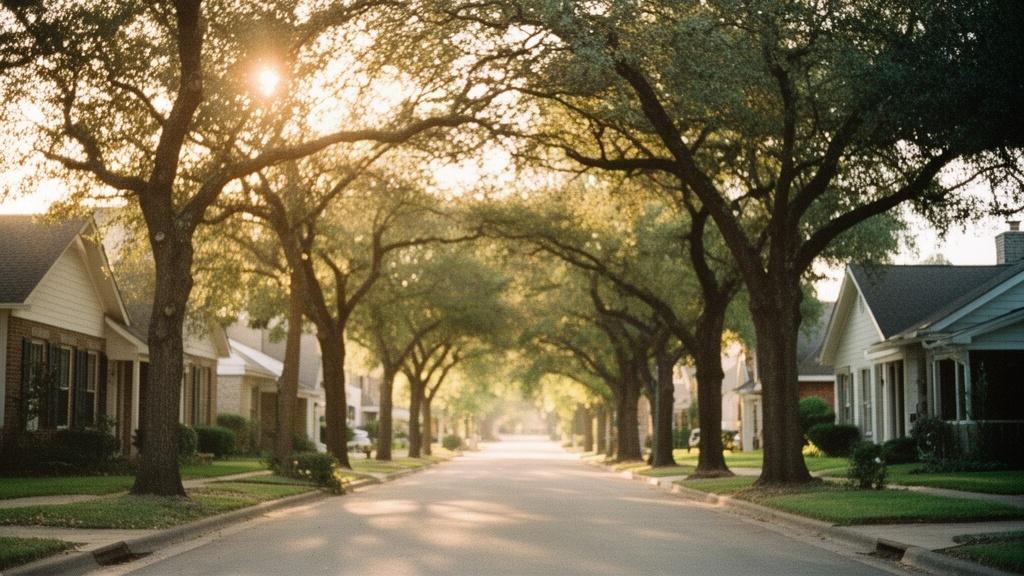
The interior streets have a higher concentration of year-round residents than the beachfront or Historic District core. Many of the homes here were built or updated for full-time occupancy rather than seasonal rental, with features like attached garages, laundry rooms, and utility spaces that vacation rental properties often lack. Buyers considering Cape May as a primary residence rather than a vacation home often find this zone more practical for daily living.
If you are trying to decide between buying in Cape May city and the adjacent municipalities, the buyer's guide to homes for sale in Cape May covers the broader market and what buyers should know before making an offer anywhere in the area.
7. Comparing the Neighborhoods Side by Side
Each neighborhood in Cape May city has a distinct combination of housing type, price range, and physical character. Here is a direct comparison of the key facts for each area as of September 2026.
- Historic District core (Gurney, Hughes, Columbia Streets): Victorian architecture from the 1860s to 1890s; lots typically 40 to 60 feet wide; single-family homes listing from $900,000 to $2.2 million; Historic Preservation Commission oversight on all exterior work.
- Beach Avenue and Promenade corridor: Mix of Victorian structures, converted motels, and condominiums; direct ocean access; detached single-family homes above $2 million when available; condos from $400,000 to $900,000 with monthly fees of $600 to $1,200.
- Washington Street Mall area and Stockton Row: Compact cottages and Victorian homes within walking distance of dining and shopping; some mixed-use properties; single-family homes from $750,000 to $1.4 million; zoning verification recommended.
- Bayshore and harbor area (Lafayette Street corridor): Mix of mid-century ranches, Victorians, and newer construction; larger lots than the Historic District; bayfront homes with dock access from $1.2 million to $2.5 million; proximity to Cape May-Lewes Ferry.
- Interior residential streets (Franklin, Jefferson, Madison Streets): Widest mix of architectural styles; lots typically 50 by 100 feet or larger; price range $550,000 to $950,000; higher concentration of year-round residents; less Historic Preservation Commission oversight.
For additional context on how these areas compare and what other buyers are researching, Jersey Cape Realty's neighborhood overview includes information on Cape May city alongside the neighboring municipalities of West Cape May and Cape May Point, which can be useful if you are still deciding which part of the peninsula fits your needs.
8. What These Neighborhood Differences Mean for Sellers
If you are selling a home in Cape May city, your neighborhood determines how your property should be positioned and priced, not just what comparable sales suggest. A Historic District Victorian that has been meticulously maintained competes in a different buyer pool than an interior-street ranch, even if the two properties have similar square footage. Marketing a Historic District home requires emphasizing its architectural credentials, preservation status, and rental income history. Marketing an interior-street home requires emphasizing practicality, lot size, and year-round livability.
Sellers in every neighborhood should also understand how quickly homes are moving right now. The article on how long it typically takes to sell a home in Cape May NJ breaks down current days-on-market data and what it means for pricing strategy in each part of the city.
Pricing a Cape May home correctly requires knowing which neighborhood comparables are actually comparable. A bayfront home with dock access should not be priced against an interior-street bungalow, and a Historic District Victorian should not be compared to a 1970s ranch three blocks away. Working with an agent who knows these distinctions at the street level makes a measurable difference in both list price accuracy and final sale price.
FAQ
What is the most expensive neighborhood in Cape May city?
As of September 2026, properties directly on Beach Avenue along the ocean and homes within the Historic District core on streets like Gurney and Hughes consistently represent the highest price points in Cape May city. Detached single-family homes in these locations regularly list above $1.5 million, with oceanfront and bayfront properties with dock access reaching $2 million to $2.5 million or more. The combination of architectural significance, water access, and vacation rental income potential drives prices at the top of the market. Condominiums in beachfront buildings offer a lower entry point into the oceanside market, typically starting around $400,000 depending on size and floor.
Are there any neighborhoods in Cape May city where homes are more accessible for buyers on a tighter budget?
The interior residential streets of Cape May city, including blocks along Franklin, Jefferson, and Madison Streets, offer the most accessible price points within the city limits. Single-family homes in this zone have listed in the $550,000 to $950,000 range as of September 2026, compared to $900,000 and above in the Historic District core. These properties include a mix of Victorian-era homes, mid-century bungalows, and some newer construction, and they tend to have larger lots than the tightly platted Historic District blocks. Buyers should note that even the more affordable end of the Cape May city market reflects the strong demand for coastal New Jersey real estate, so properties in this range still move competitively.
Do Historic District homes in Cape May city come with restrictions on what owners can do to them?
Yes. Because Cape May city is a National Historic Landmark, the Cape May Historic Preservation Commission reviews proposed exterior changes to properties within the designated district. This includes changes to windows, doors, siding, roofing materials, additions, and paint colors. The review process is designed to ensure that alterations are consistent with the architectural character of the district. Interior renovations are generally not subject to the same oversight, but buyers should confirm the specific requirements for any property they are considering before assuming they can make changes freely. Working with a local agent who has experience with Historic District transactions is the most efficient way to understand what a specific property's restrictions look like in practice.