
← Back to Blog
Market Trends
West Cape May, New Jersey Real Estate Market Guide: Prices, Neighborhoods and Timing
By Colleen O'Hara
Compass Real Estate
September 18, 2026 · 11 min read
West Cape May, New Jersey is one of the smallest and most distinctive municipalities on the Jersey Shore, covering roughly one square mile and sitting just north of Cape May City's historic district. This West Cape May, New Jersey real estate market guide covers current prices, what the housing stock actually looks like, how the borough's streets and parcels differ from its neighbors, and when buyers and sellers tend to see the most activity. Whether you are relocating, buying a second home, or considering a sale, the details below will help you make a well-informed decision.
1. What Makes West Cape May Its Own Real Estate Market
West Cape May is a self-governing borough, not a neighborhood inside Cape May City. That distinction matters for real estate because it means separate municipal services, its own zoning ordinances, and a distinct tax rate. The borough covers approximately one square mile and is bounded by Sunset Boulevard to the north, the Cape May Canal to the east, and Cape Island Creek to the west. Broadway, the main commercial spine, runs north to south and connects the borough to both the Garden State Parkway terminus and the Victorian streetscape of Cape May City a few blocks south.
Borough Boundaries and Physical Character
The borough's terrain is flat and low-lying, with much of the land sitting at or near sea level. Flood zone designations vary considerably from block to block, which directly affects insurance costs and lender requirements. Buyers should pull FEMA flood maps early in the process rather than waiting until the inspection period. The borough contains a mix of residential streets, a small commercial strip along Broadway, and several parcels that back up to Cape Island Creek, giving some properties water access or marsh views.
Housing Stock and Lot Sizes
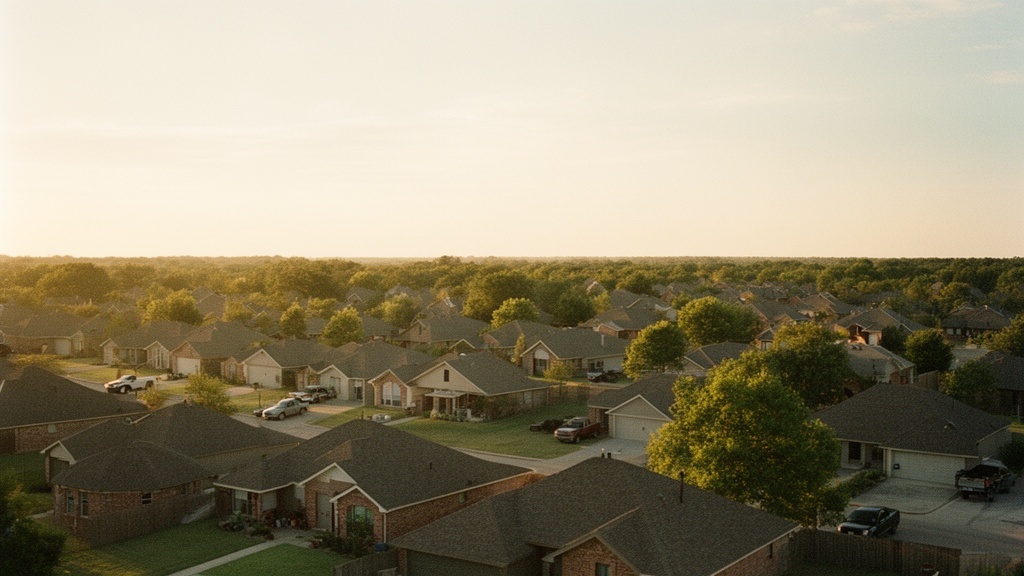
West Cape May's housing stock is more varied than most people expect. You will find late-Victorian cottages, mid-century ranches, Cape Cods built in the 1950s and 1960s, and a smaller number of newer construction homes on infill lots. Lot sizes typically run from about 4,000 square feet on the tighter residential streets to over 10,000 square feet on some of the larger parcels near the creek. Many homes in the borough have been renovated or expanded over the decades, so square footage can vary widely even within the same block.
How West Cape May Differs From Cape May City
Cape May City's historic district carries strict preservation oversight from the Historic Preservation Commission. West Cape May has no equivalent body, which means renovations, additions, and new construction face fewer architectural review hurdles. That regulatory difference is one reason some buyers who want the Cape May area feel but need more flexibility in what they can do with a property look at West Cape May specifically. Prices in the borough have historically run somewhat below Cape May City's Victorian district, though the gap has narrowed as inventory has tightened across the entire lower Cape. For a detailed look at how Cape May City's historic district market works, see the related guide on selling a Victorian home in Cape May.
2. West Cape May Real Estate Prices Right Now
As of September 2026, median sale prices in West Cape May are running in the $700,000 to $900,000 range for single-family homes, depending on size, condition, and flood zone status. That range reflects a market that has appreciated significantly since 2020 and has held most of those gains even as mortgage rates remained elevated through 2025 and into 2026. Smaller cottages and ranches under 1,000 square feet can still be found below $650,000, while larger renovated homes with four or more bedrooms and updated mechanicals regularly close above $1 million.
Current Median Price Range
West Cape May is a small borough with limited annual transaction volume, which means individual sales can move the median noticeably. In a typical year, the borough sees somewhere between 20 and 45 single-family closings. That low volume is important context: a single outlier sale at $1.5 million or a cluster of smaller cottages selling in the same quarter can shift the reported median by $50,000 to $100,000 without reflecting any real change in underlying demand. Buyers and sellers should track individual comparable sales rather than relying solely on aggregate statistics.
Price Per Square Foot
Price per square foot in West Cape May currently runs between roughly $450 and $650 for most residential properties, with waterfront-adjacent or fully renovated homes pushing toward $700 or above. Older homes with original kitchens, single-pane windows, and aging HVAC systems tend to land at the lower end of that range. Homes that have been gutted and rebuilt to current standards, with open floor plans, new electrical panels, and elevated first floors, command a meaningful premium. Buyers comparing listings should note whether a price-per-square-foot figure includes finished basement space, which is common in this market and can inflate the denominator without adding equivalent livable value.
How Prices Have Shifted
The Cape May County market broadly saw strong appreciation through 2021 and 2022, followed by a period of slower activity as rates climbed. A Cape May County market update from earlier in 2026 noted that inventory remained constrained and that well-priced properties were still moving at a pace that kept the market competitive for buyers. In West Cape May specifically, the combination of limited new construction and a small total housing stock has kept prices from retreating to pre-2020 levels. Sellers who bought before 2019 are still sitting on substantial equity, and that has kept some potential listings off the market as owners choose to hold rather than sell into a high-rate environment.
3. Neighborhood Breakdown: Streets, Zones and Property Types
West Cape May's streets each have a distinct character that affects both price and property type. Because the borough is compact, the difference between one block and the next can be meaningful in terms of flood zone, lot depth, proximity to Broadway's commercial activity, and tree canopy. Understanding these distinctions before making an offer is essential.
The Broadway Corridor
Broadway runs the length of the borough and serves as its primary commercial and transit artery. Along and near Broadway you will find a mix of retail, restaurants, and residential properties, some of which are zoned for mixed use. The Lima Bean, a well-known local farm stand at the corner of Broadway and Sunset Boulevard, has been a borough landmark for decades and anchors the northern end of the commercial strip. Properties directly on Broadway can see more foot and vehicle traffic than those on the quieter residential streets to the east and west, which is a consideration for buyers who prioritize privacy as well as for those evaluating short-term rental potential.
Residential Side Streets
Streets like Myrtle Avenue, Mechanic Street, and Stevens Street represent the core residential fabric of the borough. Homes here tend to sit on lots ranging from 4,500 to 7,500 square feet, with mature trees and modest setbacks. Many of these properties were built as year-round working-class homes in the early to mid-twentieth century and have been updated to varying degrees. Some retain original wide-plank floors, beadboard ceilings, and front porches that give them a period character without the full Victorian ornamentation found a few blocks south in Cape May City. The side streets are also where you will find most of the borough's smaller, lower-priced inventory.
Cape Island Creek and the Western Edge
The western boundary of West Cape May follows Cape Island Creek, a tidal waterway that feeds into the Delaware Bay estuary system. Parcels along or near the creek offer marsh views and, in some cases, direct water access, which commands a price premium. These properties almost universally fall within FEMA Special Flood Hazard Areas, meaning flood insurance is mandatory for federally backed mortgages and can add several thousand dollars annually to the cost of ownership. Buyers drawn to the water views should budget carefully for insurance and consult with an independent insurance broker before committing to a purchase price.
If you are also considering Cape May Point, which sits just to the southwest and offers its own distinct character along the Delaware Bay shoreline, the guide on finding a realtor in Cape May Point covers what to look for in that adjacent market.
4. Market Timing: When to Buy or Sell in West Cape May
The West Cape May real estate market follows a seasonal rhythm driven by the Shore's tourism calendar, but the dynamics for buyers and sellers are more nuanced than a simple summer-peak model. Understanding when inventory rises, when competition peaks, and when motivated sellers tend to appear gives both buyers and sellers a meaningful advantage.
Seasonal Demand Patterns
Buyer demand in West Cape May and the surrounding Cape May area peaks in spring, roughly March through June, when out-of-area buyers are actively planning summer purchases. A second wave of activity often occurs in late summer and early fall, as buyers who missed the spring window try again before the off-season. The period from November through February sees the lowest transaction volume, but it is also when motivated sellers who need to move are most likely to negotiate on price and terms. Buyers who can transact in the off-season often face less competition and more seller flexibility, though the selection of available homes is narrower.
Inventory Cycles
West Cape May's inventory has been persistently low since 2021. At any given time, the active listing count for single-family homes in the borough might be as few as three to eight properties. That scarcity means buyers who find a property that meets their criteria should be prepared to act quickly, particularly in spring. Sellers benefit from that constrained supply, but they should also recognize that overpricing in a thin market can result in a listing sitting visibly for months, which tends to invite lower offers once a property has accumulated days on market. For a broader look at how long Cape May area homes typically sit before selling, the article on how long it takes to sell a home in Cape May provides useful context.
What September 2026 Looks Like for Buyers and Sellers
Right now, in September 2026, the West Cape May market is in its post-summer transition. Summer rental season has wound down, and some owners who rented their properties through the peak weeks are now reassessing whether to list. This transitional window, from mid-September through October, can surface listings that were not available during the summer because owners did not want to disrupt rental income. Buyers who are ready to move quickly and have financing in place are positioned well to take advantage of this window before the market goes quiet in November. Sellers listing now reach a buyer pool that is still active but facing less competition than they would have encountered in May or June.
5. What Buyers and Sellers Need to Know Before Transacting
West Cape May transactions carry several due diligence considerations that are specific to this borough and do not always apply in other markets. Getting these right before signing a contract protects both buyers and sellers from surprises that can derail a closing.
Due Diligence Considerations
Flood zone status is the single most consequential variable in West Cape May due diligence. Properties in AE zones require federally backed flood insurance, and annual premiums can range from under $1,000 to over $5,000 depending on the property's base flood elevation relative to the first finished floor. Buyers should request an elevation certificate from the seller or order one independently. Septic systems are also a consideration: some older homes in the borough are on septic rather than municipal sewer, and the condition and capacity of those systems should be verified during the inspection period. West Cape May's zoning ordinances govern setbacks, accessory structures, and short-term rental use, so buyers with specific plans for a property should confirm those plans are permissible before going under contract.
If you are considering the property as a vacation rental investment rather than a primary or second home, the guide on Cape May vacation rental income and investment covers what buyers in this market typically see in gross rental income and what expenses to model against it.
Working With a Local Expert
West Cape May is a small enough market that agent experience within the borough specifically matters more than general Cape May County volume. An agent who has closed transactions on multiple West Cape May streets will know which blocks have recurring drainage issues after heavy rain, which parcels have easements that affect usable yard space, and which properties have been on and off the market for reasons that do not appear in the listing description. That kind of granular local knowledge is difficult to replicate from MLS data alone.
Colleen O'Hara of Compass Real Estate has worked extensively in West Cape May and the surrounding lower Cape municipalities. Her knowledge of the borough's streets, flood zone patterns, and transaction history gives buyers and sellers a concrete advantage in a market where small details carry large financial consequences. If you are evaluating agents for this area, the article on comparing and vetting realtors in Cape May outlines the specific questions worth asking before you commit.
FAQ
What is the current price range for homes in West Cape May, NJ?
As of September 2026, most single-family homes in West Cape May sell in the $700,000 to $900,000 range, with smaller cottages occasionally closing below $650,000 and larger, fully renovated properties regularly exceeding $1 million. Price per square foot generally runs between $450 and $650, with waterfront-adjacent and fully updated homes pushing toward $700 or above. Because the borough sees only 20 to 45 closings in a typical year, the median can shift noticeably from quarter to quarter based on the mix of properties that happen to sell. Buyers should focus on individual comparable sales rather than county-level aggregate data when evaluating a specific property.
Is West Cape May the same as Cape May City?
No. West Cape May is a separate incorporated borough with its own municipal government, zoning code, and tax rate. It sits immediately north and west of Cape May City's historic district, bounded by Sunset Boulevard, the Cape May Canal, and Cape Island Creek. Unlike Cape May City, West Cape May has no historic preservation commission, which means renovations and additions face fewer architectural review requirements. The two municipalities are adjacent and share the same general market area, but buyers should verify which municipality a property falls in because zoning rules, tax rates, and permitted uses can differ meaningfully between them.
When is the best time to list a home in West Cape May?
Spring, from roughly March through mid-June, consistently produces the highest buyer demand and the most competitive offer conditions in West Cape May. Sellers who list in this window reach the largest pool of active buyers, including out-of-area purchasers planning a summer acquisition. The late summer and early fall transition, from mid-September through October, is a secondary window where motivated buyers who missed the spring market are still active and inventory is beginning to loosen as owners reassess after the rental season. The off-season months from November through February see the lowest transaction volume but can attract buyers who are specifically motivated and willing to negotiate less aggressively on price.