← Back to Blog
Market Trends
Coconut Grove, Miami, Florida Real Estate Market Guide: Prices, Neighborhoods and Timing
By Collin Evans, Licensed Real Estate Agent
eXp Realty LLC · SL# 3620756
October 26, 2026 · 11 min read
Coconut Grove is one of Miami's most distinctive real estate markets, combining bayfront estates, historic bungalows, and modern condos within a walkable, tree-canopied village setting. This Coconut Grove, Miami, Florida real estate market guide covers current prices, the key sub-neighborhoods buyers should understand, and the timing factors that shape whether now is the right moment to buy or sell.
1. What Makes Coconut Grove Different from the Rest of Miami
Coconut Grove stands apart from nearly every other Miami neighborhood because of its physical character. Most of Miami was built fast and flat, but the Grove developed slowly over more than a century, producing a layered streetscape of mature banyan trees, winding roads, and architecture that spans from Bahamian vernacular cottages to mid-century modern estates to sleek new construction. The result is a neighborhood where no two blocks look alike.
The Physical Setting
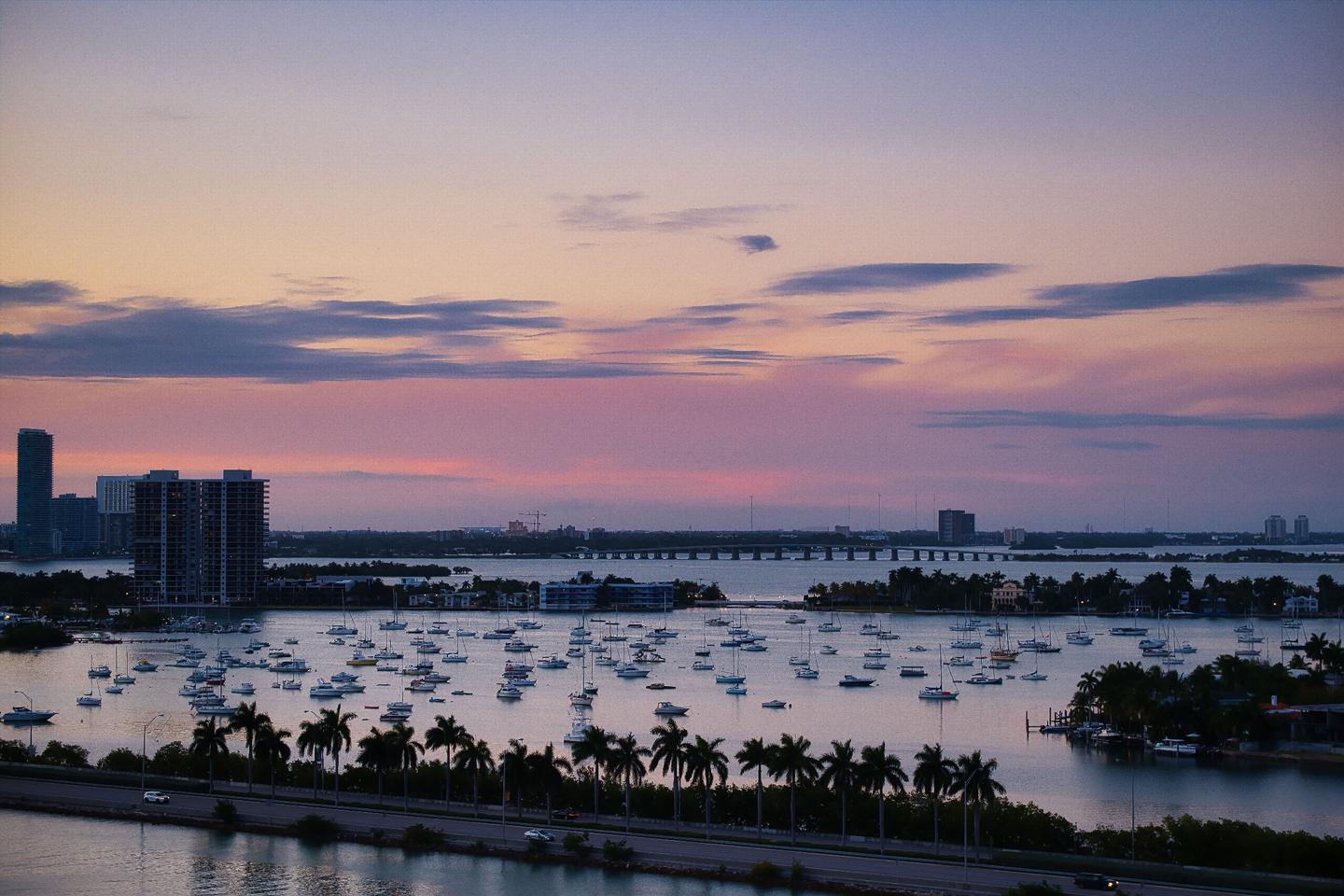
Coconut Grove sits along the western shore of Biscayne Bay, roughly four miles south of Brickell and about six miles from Miami International Airport. Bayshore Drive and South Bayshore Drive run along the water, providing access to Peacock Park, the Coconut Grove Sailing Club, and the public boat ramps at Kennedy Park. The Metrorail's Coconut Grove station on the Douglas Road line connects residents to Brickell and downtown Miami in under 20 minutes without a car.
The commercial core along Grand Avenue, Commodore Plaza, and McFarlane Road includes independent restaurants, the CocoWalk shopping center (fully redeveloped in 2020), and a weekly farmers market at the Coconut Grove Arts Festival grounds. This walkable village core is genuinely rare in a city built almost entirely around the car.
Housing Stock You Won't Find Elsewhere
The Grove's housing stock is genuinely heterogeneous. You'll find Bahamian conch-style cottages from the late 1800s alongside Mediterranean Revival estates from the 1920s, mid-century ranch homes on oversized lots, and recently completed contemporary homes with glass facades and smart-home systems. Condo towers cluster near Bayshore Drive, with buildings ranging from 1970s-era concrete structures to newer luxury developments like Park Grove, designed by the Bjarke Ingels Group and completed in phases between 2018 and 2020.
Lot sizes in the single-family sector vary widely. Homes in the interior streets of South Coconut Grove often sit on quarter-acre to half-acre lots, while bayfront properties can exceed an acre. This range means the Coconut Grove, Miami, Florida real estate market serves a broad spectrum of budgets and lifestyle priorities.
2. Coconut Grove Real Estate Prices Right Now
Coconut Grove is one of Miami's most expensive single-family markets, with median prices well above the broader Miami metro. As of September 2026, the market remains competitive at the upper end while showing slightly more breathing room in the condo segment, where inventory has grown relative to 2024 and 2025.
Single-Family Home Prices
Single-family homes in Coconut Grove currently carry a median sale price in the range of $2.1 million to $2.4 million, depending on the sub-area and lot size. Entry-level detached homes, typically smaller cottages or older ranch homes on interior streets, start around $900,000 to $1.2 million. Mid-range properties on standard lots with updated interiors trade between $1.5 million and $3 million. Bayfront estates and newly constructed contemporary homes routinely exceed $5 million, with trophy properties on direct bay frontage trading north of $10 million.
The price-per-square-foot figure for single-family homes currently runs between $650 and $950 for non-waterfront properties, and from $1,200 to well over $2,000 for direct bayfront or newly built luxury homes. These numbers reflect the sustained demand that has characterized the Grove since 2021.
Condo and Townhome Prices
The condo market in Coconut Grove spans a wide range. Older buildings along Bayshore Drive and South Bayshore Drive offer one-bedroom and two-bedroom units starting around $350,000 to $550,000, making them among the more accessible entry points into the neighborhood. Newer luxury towers like Park Grove and Arbor command significantly higher prices: two-bedroom residences in those buildings typically list between $1.2 million and $2.5 million, and penthouse units have sold for over $6 million.
Townhomes, which are relatively rare in the Grove, fill the gap between condos and detached homes. Three-bedroom townhomes in gated communities near the village core generally trade between $900,000 and $1.4 million as of September 2026. HOA fees in condo buildings vary considerably: older buildings with fewer amenities may charge $600 to $900 per month, while full-service luxury towers with concierge, valet, and resort-style pools can run $2,000 to $3,500 or more per month.
Price Trends Over the Past Two Years
Coconut Grove went through a remarkable appreciation cycle between 2021 and early 2024. According to reporting by Miami Today, Coconut Grove home prices rose 21 percent in a single year through early 2024, one of the steepest appreciation rates recorded in Miami during that period. You can review additional data on recent quarterly performance from the David Siddons Group's Coconut Grove Q1 2026 market report, which tracks closed sales, median prices, and inventory trends in granular detail.
By mid-2025 and into 2026, single-family price growth moderated to the low-to-mid single digits annually, which reflects a more sustainable pace after the outsized gains of the prior cycle. The condo segment has seen modest price softening in some older buildings, largely due to increased inventory and the impact of Florida's new condominium reserve funding requirements, which have raised monthly costs in buildings constructed before 1992.
3. Coconut Grove Neighborhoods: A Breakdown by Area
Coconut Grove is not a single uniform market. The neighborhood divides into distinct sub-areas with different housing types, price ranges, and street characters. Understanding these distinctions is essential before making an offer or setting a list price.
North Coconut Grove
North Coconut Grove runs roughly from US-1 (South Dixie Highway) south to approximately Bird Road, bordered by Biscayne Bay to the east. This section contains some of the neighborhood's most established single-family blocks, including streets like Inagua Avenue, Ancona Avenue, and the area around Vizcaya Museum and Gardens, which sits just north of the Grove's official boundary and draws significant cultural foot traffic to the surrounding streets.
Homes here tend to sit on lots ranging from 6,000 to 12,000 square feet, with a mix of 1950s-era ranch homes, 1980s construction, and newer infill development. Prices in this sub-area generally run slightly below the South Coconut Grove premium, making it a point of entry for buyers who want the neighborhood but face a tighter budget.
South Coconut Grove
South Coconut Grove is the most sought-after section for single-family buyers. Streets like Arvida Parkway, Casuarina Concourse, and the Hammock Lake area contain many of the Grove's largest estates, with lots frequently exceeding a half-acre and bayfront parcels stretching to the water. This is where you find the gated enclaves, the deepwater docks, and the highest concentration of new construction replacing older homes.
The Coconut Grove real estate market in this sub-area is almost entirely single-family, with very few condos. Buyers here are typically looking for privacy, larger lot sizes, and proximity to the water. Prices in South Coconut Grove regularly exceed $3 million for mid-range properties, and the upper end has no practical ceiling for bayfront homes.
The Roads and Coconut Grove Village Core
"The Roads" is a micro-neighborhood that borders Coconut Grove to the north, technically within the City of Miami's Coconut Grove NET area, with streets named after U.S. states: SW 17th Avenue to the east, US-1 to the north, and the Metrorail corridor to the west. Homes here are dense and varied, with smaller lots and a mix of original 1940s to 1960s construction alongside renovated properties. Prices generally start lower than the Grove's interior, often in the $700,000 to $1.3 million range for single-family homes.
The village core itself, centered on CocoWalk and the surrounding blocks, is primarily a condo and mixed-use zone. Buyers drawn to walkability, proximity to restaurants and the farmers market, and the Metrorail station will find the most relevant inventory here. This area also sees the highest concentration of short-term rental activity, which is worth factoring into any condo purchase decision, particularly regarding HOA rules.
4. Market Conditions: Inventory, Days on Market, and Buyer Competition
As of September 2026, the Coconut Grove market is best described as balanced-to-tight for single-family homes and more balanced for condos. This distinction matters because buyer strategy differs significantly between the two segments.
Current Supply Levels
Single-family inventory in Coconut Grove remains constrained. The neighborhood is geographically bounded, meaning new supply is limited to teardown-and-rebuild projects rather than raw land development. Active listings for detached homes typically number between 40 and 70 at any given time across the full price spectrum, which translates to roughly three to five months of supply at current absorption rates. That figure keeps sellers in a relatively strong position.
The condo segment carries more supply. Buildings like Grove Isle, Grovenor House, and several Bayshore Drive towers collectively contribute a larger pool of available units. Months of supply in the condo market currently sits closer to five to seven months in some price ranges, giving buyers more negotiating room than they had during the peak of 2022 and 2023.
How Quickly Homes Are Selling
Well-priced single-family homes in Coconut Grove are moving in 30 to 60 days on average in September 2026. Homes priced at or below market value in high-demand sub-areas like South Coconut Grove can go under contract in under two weeks. Overpriced listings, particularly those above $4 million without genuine waterfront access or recent renovation, tend to sit for 90 days or more before sellers adjust.
Condos take longer on average, with median days on market closer to 60 to 90 days for units priced above $800,000. Entry-level condos under $500,000 in older buildings move faster, driven by investors and first-time buyers who see the Grove's location as a long-term hold.
What This Means for Buyers vs. Sellers
Sellers of single-family homes in Coconut Grove hold meaningful leverage right now, particularly for well-maintained properties priced below $3 million. Multiple-offer situations are not common across the board, but they do occur on move-in-ready homes in the $1.2 million to $2 million range. Sellers should price carefully: the Grove's buyer pool is sophisticated and will not chase an overpriced listing.
Buyers have more room to negotiate in the condo market, especially in buildings facing higher reserve assessments under Florida's SB 4-D legislation. A buyer's agent who understands which buildings have completed their structural integrity reserve studies, and which have not, can identify opportunities where motivated sellers are pricing to move quickly. If you are also considering the broader Miami condo landscape, the guide on buying a condo in Brickell covers the agent representation question in detail and applies equally well to Coconut Grove condo purchases.
5. Timing the Coconut Grove Market: When to Buy or Sell
Timing in Coconut Grove follows Miami's broader seasonal rhythms, but with some Grove-specific nuances. Understanding those patterns helps both buyers and sellers plan their moves more effectively.
Seasonal Patterns in Coconut Grove
Miami's peak real estate season runs from roughly November through April, driven by snowbird buyers, corporate relocations tied to the calendar year, and the influx of visitors who attend Art Basel in December and the Coconut Grove Arts Festival in February. Coconut Grove specifically benefits from the Arts Festival, which draws over 100,000 visitors annually to the waterfront grounds and puts the neighborhood in front of a large out-of-state audience.
The summer months, May through September, historically see lower transaction volume in the Grove. However, this slowdown has been less pronounced since 2021 because the buyer pool now includes a higher proportion of year-round Miami residents and remote workers who are not constrained by school calendars or seasonal visits. September 2026 is a transitional month: inventory tends to tick upward as sellers who missed the spring season re-list, and motivated buyers face less competition than they would in January or February.
Interest Rate and Economic Factors
A meaningful share of Coconut Grove transactions, particularly above $2 million, are all-cash. This insulates the upper end of the Grove market from mortgage rate fluctuations more than most Miami submarkets. The sub-$1.5 million segment, however, is more rate-sensitive, and buyers financing their purchase should account for current 30-year fixed rates when calculating their budget.
Florida's property insurance market remains a significant cost factor for all buyers. Homes in Coconut Grove, particularly those built before 2000 or located in flood zones along the bay, carry insurance premiums that can range from $8,000 to $25,000 or more annually. Buyers should request a wind mitigation inspection and a four-point inspection before closing, and factor insurance costs into their total monthly carrying cost calculation.
Long-Term Value Considerations
Coconut Grove's land supply is finite and its physical character is protected in part by the City of Miami's historic designation of several streets and structures. The neighborhood's tree canopy is legally protected under Miami's urban forestry regulations, which limits the type of development that can occur on existing lots. These constraints support long-term value stability in a way that newer, more easily replicable neighborhoods cannot replicate.
Buyers considering the Grove as a long-term hold should also review the broader Miami market context. The Miami, Florida real estate market deep-dive for 2026 covers citywide trends in employment, population growth, and infrastructure investment that underpin demand across all Miami submarkets, including Coconut Grove.
Sellers thinking about timing their exit should also consider that the Grove's buyer pool skews toward high-net-worth individuals who are less reactive to short-term economic noise. A well-prepared, properly priced listing in Coconut Grove will find its buyer in most market conditions. The challenge is not demand; it is pricing discipline and presentation. For a detailed look at what the selling process looks like across Miami, the guide on selling a home in Miami walks through the full pricing and timeline process.
FAQ
What is the average home price in Coconut Grove, Miami right now?
As of September 2026, the median sale price for single-family homes in Coconut Grove sits in the range of $2.1 million to $2.4 million, though the market spans from roughly $900,000 for entry-level cottages to over $10 million for bayfront estates. Condos offer a wider entry point, with older building units starting around $350,000 and luxury new-construction residences in buildings like Park Grove trading between $1.2 million and $6 million or more. Price-per-square-foot for non-waterfront single-family homes currently runs between $650 and $950. These figures reflect sustained demand from both domestic and international buyers and a constrained supply of detached homes in a geographically bounded neighborhood.
Is it a good time to buy in Coconut Grove in 2026?
The answer depends on the segment. The single-family market remains tight, with limited inventory and sellers holding meaningful leverage on well-priced properties below $3 million. The condo market offers more negotiating room, particularly in older buildings facing higher reserve costs under Florida's updated condominium legislation. September 2026 is a transitional month where summer inventory lingers and buyer competition is lower than it will be in the November-through-April peak season, so buyers who are ready to move now face less competition than they would in early 2027. Working with a local agent who tracks active listings and off-market opportunities in real time is the most effective way to identify value in the current environment.
How do Coconut Grove's sub-neighborhoods differ in price and character?
Coconut Grove divides into several distinct sub-areas. South Coconut Grove contains the largest lots, the most bayfront properties, and the highest prices, with mid-range homes regularly exceeding $3 million. North Coconut Grove offers a mix of older ranch homes and newer infill on smaller lots, with prices starting lower and providing a more accessible entry point into the neighborhood. The village core around CocoWalk and Commodore Plaza is primarily a condo zone with walkable access to restaurants and the Metrorail station. The Roads, which borders the Grove to the north, has smaller lots and more modest price points, often in the $700,000 to $1.3 million range for single-family homes. Each sub-area has a different street character, lot size profile, and buyer profile, so understanding these distinctions before searching is essential.