← Back to Blog
Market Trends
Coral Gables, Florida Real Estate Market Guide: Prices, Neighborhoods and Timing
By Collin Evans, Licensed Real Estate Agent
eXp Realty LLC · SL# 3620756
November 2, 2026 · 12 min read
If you are researching the Coral Gables, Florida real estate market, you are looking at one of the most distinctive and tightly held housing markets in all of Miami-Dade County. This guide covers current prices, what the different neighborhoods actually look like on the ground, how inventory and price cuts are shaping buyer and seller strategy right now in September 2026, and what timing considerations matter most before you make a move.
1. What Makes Coral Gables Different From the Rest of Miami
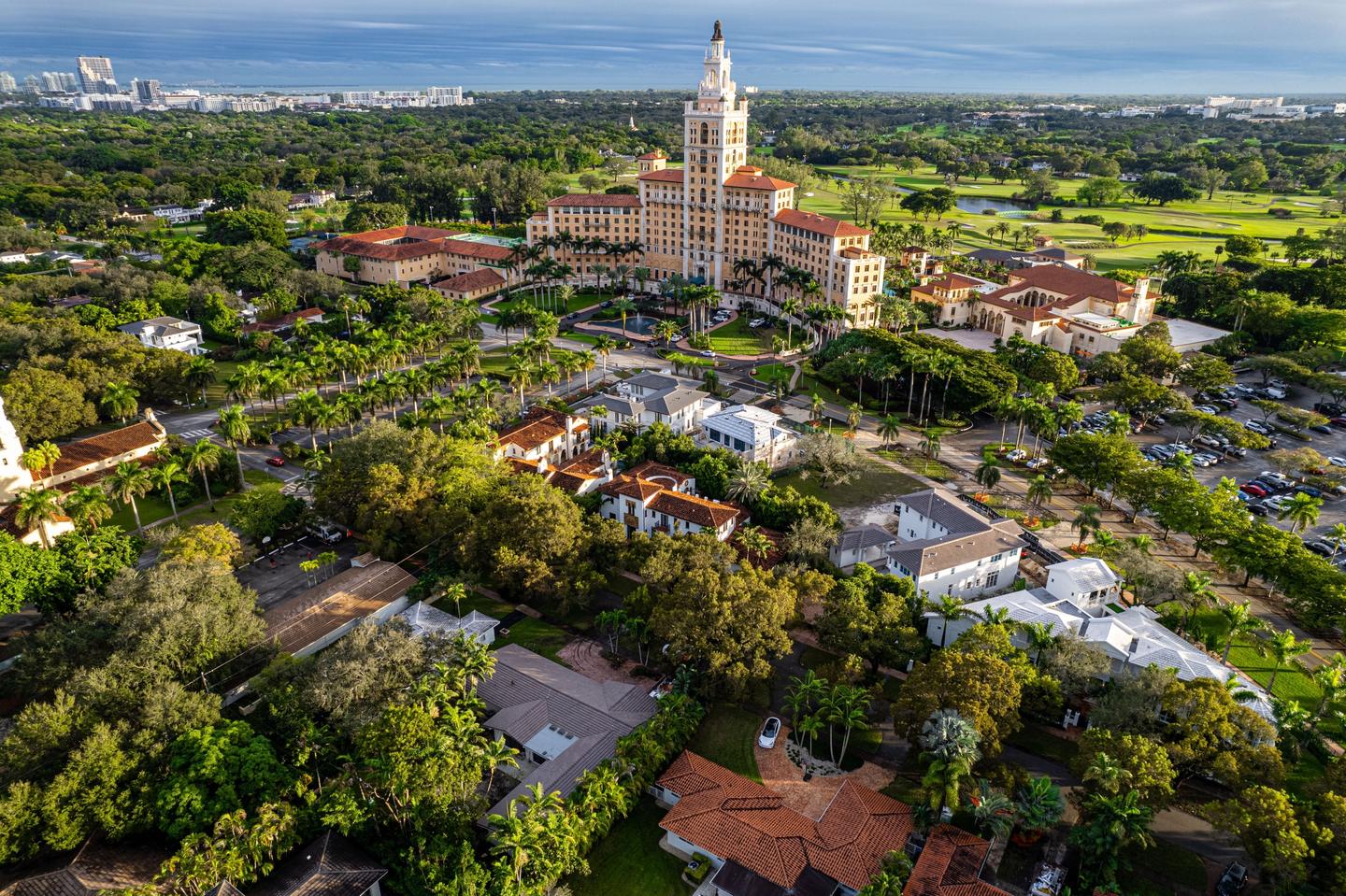
Coral Gables stands apart from every other Miami-Dade municipality because it was designed from scratch. Developer George Merrick platted the city in the early 1920s around a Mediterranean Revival aesthetic, and the city has enforced that vision ever since through its Board of Architects. Every exterior renovation, addition, or new build must receive city approval, which keeps the streetscape unusually cohesive compared to the patchwork development you see across much of greater Miami.
That architectural consistency has a direct effect on property values. Buyers cannot simply tear down a contributing structure and build a glass box. That constraint limits supply in a way that purely market forces cannot, and it is one reason Coral Gables prices have historically held their ground better than many surrounding areas during broader market corrections.
A Planned City With Strict Architectural Controls
The city's zoning and design rules go well beyond typical Miami-Dade codes. Coral Gables maintains its own permitting department, separate from the county, and review timelines for renovation projects can run longer than buyers accustomed to unincorporated Miami-Dade might expect. Factoring in those timelines is essential if you are purchasing with a renovation plan in mind.
The city also has its own commercial district along Miracle Mile and Giralda Plaza, a walkable stretch of restaurants, boutiques, and offices that sits within a short walk of many residential blocks. The Venetian Pool, a public swimming facility carved from a coral rock quarry in 1923, and the Biltmore Hotel, a National Historic Landmark, are both within the city limits and give Coral Gables a sense of place that newer master-planned communities in South Florida cannot replicate.
Location and Commute Context
Coral Gables sits roughly 7 miles southwest of downtown Miami. The Metrorail's Douglas Road and University stations both fall within city boundaries, putting Brickell and downtown Miami about 15 to 20 minutes away by rail without touching I-95. The University of Miami's main campus is also within the city, which keeps a steady stream of faculty and administrative buyers active in the market year-round.
Miami International Airport is approximately 6 miles north, making Coral Gables one of the closer established residential neighborhoods to MIA in Miami-Dade. Coconut Grove borders Coral Gables to the east and northeast, and South Miami borders it to the west, giving residents quick access to Bayshore Drive, Dinner Key Marina, and the Shops at Sunset Place without leaving the immediate area.
2. Coral Gables Real Estate Prices Right Now
Coral Gables is one of the highest-priced residential markets in Miami-Dade County, with median single-family home prices well above the county-wide median. As of September 2026, the median sale price for a single-family home in Coral Gables is tracking in the range of $2.1 million to $2.4 million, depending on the section of the city and lot size. That figure has climbed from the $1.8 million range seen in late 2024, reflecting continued demand pressure from domestic relocation buyers and international purchasers, particularly from Latin America and Europe.
Single-Family Home Prices
Entry-level single-family homes in Coral Gables, meaning smaller 1,200 to 1,800 square foot cottages on standard lots, are currently listed in the $1.1 million to $1.6 million range. Mid-tier homes, typically 2,500 to 4,000 square feet with pools and updated kitchens, are concentrated between $2 million and $4 million. The upper tier, which includes estate-sized properties on oversized lots in sections like Gables Estates and Old Cutler Road, regularly trades above $6 million and has seen individual sales well into the eight-figure range.
Forbes noted that a specific Coral Gables pocket earned recognition as one of the nation's priciest residential nooks, a distinction that reflects how concentrated luxury demand has become in certain blocks. You can read more about that designation in this Forbes report on Coral Gables pricing. The takeaway for buyers is that price per square foot varies enormously by block, not just by section, so comparable sales analysis needs to be hyper-local.
Condo and Townhome Prices
Coral Gables has a smaller condo inventory than Brickell or Miami Beach, but it is not negligible. The Alhambra Towers area and several mid-rise buildings along Salzedo Street and Ponce de Leon Boulevard offer units in the $500,000 to $1.2 million range for one and two-bedroom layouts. Larger penthouse units in newer or recently renovated buildings push above $2 million. Townhomes, which are less common here than in surrounding municipalities, tend to land between $900,000 and $1.5 million depending on square footage and whether they include a private garage.
If you are comparing the Coral Gables condo market to what is available in Brickell, the product is quite different. Brickell towers offer high-floor city views and resort-style amenities in glass high-rises, while Coral Gables condos tend to be lower-rise, quieter, and surrounded by canopy trees rather than city skyline. Our guide to buying a condo in Brickell covers that market in detail if you want a direct comparison.
How Price Cuts Are Affecting the Market
Florida broadly has seen elevated price reduction activity in 2026. Statewide data shows that nearly one in two listings has carried a price cut at some point during the listing period, a trend covered in depth by housing analysts tracking the Florida market. Coral Gables is not immune, but it is insulated to a degree by its constrained supply and the profile of its buyer pool, which skews toward cash or large-down-payment purchasers who are less rate-sensitive than the typical first-time buyer.
In practice, this means overpriced listings in Coral Gables do sit and eventually reduce, but well-priced properties in the $1.5 million to $3 million range are still moving in 30 to 60 days. Properties above $5 million are seeing longer days on market, sometimes 120 to 180 days, which gives buyers in that segment more room to negotiate than they had in 2023 and early 2024.
3. Coral Gables Neighborhoods: What the Housing Stock Actually Looks Like
Coral Gables is divided into dozens of named sections, each with its own character in terms of lot size, architectural era, and price range. Understanding these distinctions is essential because two homes with identical square footage can carry a $500,000 or more price difference based purely on which section they sit in and how close they are to the waterfront canals.
Old Spanish Section and Coral Gables Country Club Area
The Old Spanish Section, located north of Miracle Mile and west of LeJeune Road, contains some of the city's original 1920s and 1930s Mediterranean Revival homes. Lots here are typically 7,500 to 10,000 square feet, and the homes range from 1,400 to 2,800 square feet. Many have been renovated with modern interiors while preserving the original barrel tile roofs, arched doorways, and stucco exteriors that the city requires. Prices in this section generally fall between $1.2 million and $2.2 million.
The Coral Gables Country Club area wraps around the Biltmore Golf Course, an 18-hole public course that has operated since 1925. Homes on or near the golf course tend to sit on larger lots, often 12,000 to 20,000 square feet, and command premiums for the open green views. Expect prices in the $2 million to $4.5 million range for well-maintained properties in this corridor.
Biltmore and Riviera Sections
The Biltmore Section sits immediately adjacent to the Biltmore Hotel and is one of the more walkable parts of the city. Streets here are wide, lined with mature live oaks and royal palms, and the lots are generous. Homes in this section were largely built between the 1920s and 1950s, with many having been expanded or fully rebuilt within the city's design guidelines. Prices range broadly from $1.8 million for a smaller original footprint to over $6 million for a fully rebuilt estate.
The Riviera Section, located south of US-1 and east of Red Road, is one of the larger sections by land area and contains a mix of original Mediterranean homes and mid-century modern structures built in the 1950s and 1960s. Lot sizes here are typically 10,000 to 15,000 square feet, and the section has several canal-front streets where properties with private dockage trade at significant premiums. Canal-front homes in Riviera regularly list above $3 million.
Coconut Grove Border and South Gables
The eastern edge of Coral Gables, where it borders Coconut Grove, contains some of the city's most heavily canopied streets. Homes here often sit on irregular lots shaped by the winding street grid, and the mix of architectural styles is broader than in the more tightly controlled northern sections. Prices in this transitional zone start around $1.5 million and rise steeply for waterfront or near-waterfront properties with Biscayne Bay exposure.
South Gables, which runs along Old Cutler Road toward Matheson Hammock Park, is where the city's largest estates are concentrated. Gables Estates, a guard-gated section at the southern end of the city, contains deepwater dockage properties that regularly trade between $10 million and $30 million. Even outside the gated sections, Old Cutler Road properties on half-acre or larger lots are priced from $4 million upward. Matheson Hammock itself, a Miami-Dade County park with a man-made atoll pool and marina, sits at the southern boundary and draws residents from across the city.
4. Timing the Coral Gables Market: When to Buy and When to Sell
Timing in Coral Gables follows Miami-Dade seasonal patterns but with some important differences driven by the city's international buyer base. The best window to understand is not just when listings peak, but when the buyer pool is most active and most competitive.
Seasonal Patterns in Coral Gables
January through April is the most active period in Coral Gables by transaction volume. Snowbirds and international buyers who spend winter months in South Florida are actively touring properties during this window, and the weather makes open houses and property tours more comfortable. Sellers who list in late January or February consistently see stronger showing activity and faster offers than those who list in summer.
Summer, from June through September, is slower in terms of foot traffic, but it is not dead. Relocation buyers from the Northeast and Midwest, often moving for corporate transfers or to take advantage of Florida's tax structure, are active through the summer because they are working around school-year transitions or job start dates. Right now, in September 2026, the market is in that late-summer transition period where serious buyers are still active but casual lookers have largely stepped back.
For sellers, listing in October or November to catch the early wave of winter visitors can be a strong strategy in Coral Gables specifically. A home that is well-positioned and priced correctly in October has a real chance of closing before year-end, which matters for buyers trying to establish Florida residency before January 1 for homestead exemption purposes.
What Inventory Levels Mean for Your Strategy
Coral Gables typically carries 3 to 5 months of single-family home inventory at any given time, which puts it in a roughly balanced market for most of the price spectrum. Below $1.5 million, inventory is tighter, closer to 2 months, because the entry price point for the city attracts strong demand from buyers who have been priced out of waterfront sections but still want a Coral Gables address. Above $5 million, inventory stretches to 8 or more months, giving buyers in that range meaningful negotiating leverage.
For buyers, that inventory spread means strategy should be calibrated to your price point. If you are shopping under $2 million, move quickly when you find something that fits, because well-priced properties in that range do attract multiple offers. If you are above $4 million, you have time to negotiate, request inspections, and push back on pricing without the same risk of losing the property to a competing buyer. Understanding the broader Miami market context alongside Coral Gables specifics helps sharpen that strategy further, and our Miami real estate market guide provides that county-wide backdrop.
5. What Buyers and Sellers Need to Know Before Transacting in Coral Gables
Coral Gables has several transaction-specific considerations that do not apply in most other Miami-Dade municipalities. Knowing these before you write an offer or accept one can prevent costly surprises during due diligence.
Due Diligence Specific to Coral Gables
The city's Board of Architects review process means that any unpermitted work on a property carries real risk. Unlike some Miami-Dade municipalities where unpermitted additions are common and relatively easy to address after closing, Coral Gables requires that any non-conforming work be brought into compliance with the city's architectural standards, not just building codes. That can mean removing a structure that does not meet the Mediterranean Revival design requirements, even if it is structurally sound.
Buyers should pull a full permit history from the Coral Gables Building Department before closing, not just rely on a standard four-point inspection. Flood zone designation is also a meaningful due diligence item here. Several sections of Coral Gables, particularly those near the canal system and the southern waterfront, fall in FEMA flood zones that require flood insurance, which adds to carrying costs. The current FEMA flood map should be reviewed for any specific property before making an offer.
Homestead exemption timing is another practical consideration. Florida requires that you establish residency and file for homestead exemption by March 1 of the tax year in which you want the exemption to apply. On a $2 million Coral Gables home, the homestead exemption and Save Our Homes cap can reduce your annual property tax bill by several thousand dollars, so closing before January 1 and filing promptly is worth planning around.
Seller Considerations in the Current Market
Sellers in Coral Gables right now are navigating a market where buyers are more informed and more patient than they were in 2022. Pricing discipline matters more than it has in several years. Homes that come out at aggressive prices and then reduce tend to accumulate days on market that signal weakness to buyers, even if the eventual price reduction brings the home to fair value.
Presentation is also disproportionately important in Coral Gables because buyers at this price point have high expectations and are often comparing the property against new construction or recently gut-renovated homes. Sellers who invest in professional staging, high-quality photography, and addressing deferred maintenance before listing consistently achieve better price-per-square-foot outcomes than those who list as-is. If you are thinking about selling elsewhere in Miami-Dade and want a sense of how the process compares, our guide to selling a home in Miami covers the broader county-level process in detail.
One nuance for sellers: the international buyer pool in Coral Gables means that listings with strong online presence and multilingual marketing reach a wider audience. A meaningful share of Coral Gables buyers are transacting from Brazil, Venezuela, Argentina, and Western Europe, and they are often researching properties remotely before ever setting foot in Miami. Marketing that accounts for that audience, including video walkthroughs and detailed property descriptions, gives Coral Gables listings an edge that matters.
FAQ
What is the average home price in Coral Gables, Florida right now?
As of September 2026, the median sale price for a single-family home in Coral Gables is tracking between $2.1 million and $2.4 million, depending on the section of the city and lot size. Entry-level homes, typically smaller Mediterranean cottages under 1,800 square feet, start around $1.1 million, while estate properties in sections like Gables Estates trade well above $10 million. Condo prices range from approximately $500,000 for a one-bedroom unit to over $2 million for larger penthouse layouts. Price per square foot varies significantly by block, so a hyper-local comparable sales analysis is essential before making any offer.
Is Coral Gables a good time to buy or sell in 2026?
The answer depends on your price point. Below $2 million, inventory is tight and well-priced properties are moving in 30 to 60 days, so buyers should be prepared to act and sellers are in a relatively strong position. Above $4 million, inventory has stretched to 8 or more months of supply, which gives buyers more negotiating room and means sellers need to price carefully from the start to avoid extended days on market. Seasonally, the strongest buyer activity in Coral Gables runs from January through April, when the international and snowbird buyer pool is most active in South Florida.
What should buyers know about due diligence when purchasing in Coral Gables?
Coral Gables has its own permitting department and Board of Architects, meaning any unpermitted work on a property must be brought into compliance with the city's specific architectural standards, not just standard building codes. Buyers should pull a full permit history from the Coral Gables Building Department before closing and review the current FEMA flood map for the specific property, as several sections near the canal system and southern waterfront require flood insurance. Florida's homestead exemption filing deadline of March 1 is also worth planning around, since the savings on a Coral Gables home can be several thousand dollars annually. Working with an agent who knows the city's specific permit and review processes is important before committing to a purchase.