← Back to Blog
Neighborhoods
What Are the Different Neighborhoods in Oak Harbor, Washington and What Is Each One Like to Live In
By Cristie Arnold
REMAX Gateway
September 27, 2026 · 11 min read
Oak Harbor, Washington sits on the northern end of Whidbey Island and spreads across a surprisingly varied landscape, from waterfront bluffs to flat inland corridors lined with established subdivisions. If you are trying to figure out what the different neighborhoods in Oak Harbor, Washington are like to live in, the answer depends heavily on lot size preferences, commute patterns, price range, and how close you want to be to the water, downtown, or Naval Air Station Whidbey Island. This guide breaks down the major areas of Oak Harbor so you can compare them side by side before you start scheduling showings.
1. How Oak Harbor's Geography Shapes Its Neighborhoods
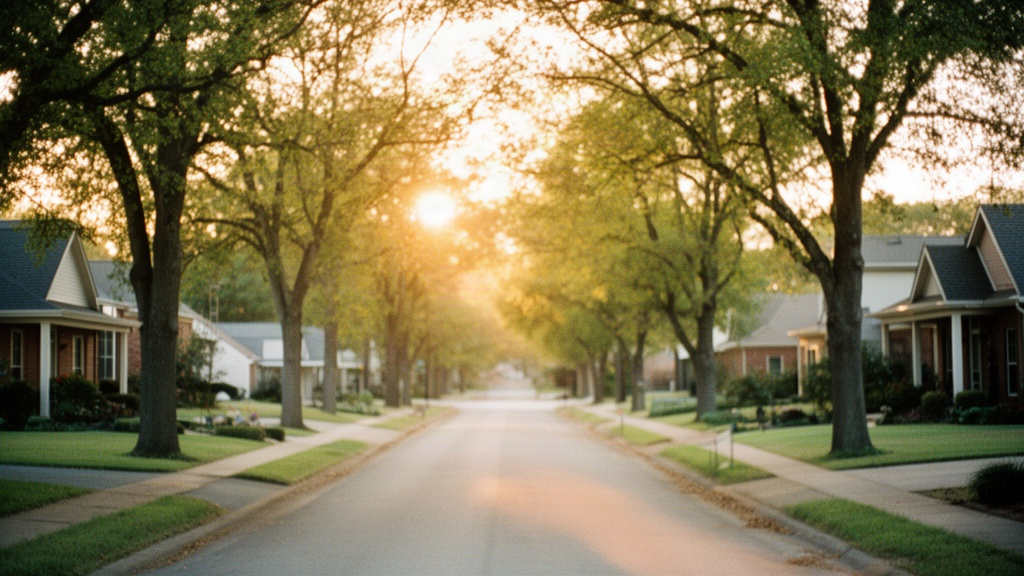
Oak Harbor is the largest city on Whidbey Island, with a population of roughly 24,000 people and a city footprint that stretches from the shores of Oak Harbor Bay on the west to rolling terrain on the east. The island setting means there are no freeway on-ramps and no grid of arterials connecting every corner of town. Instead, State Route 20 runs through the middle of the city as the main commercial and traffic spine, and most neighborhoods branch off it to the east or west.
Understanding this layout matters when you are comparing neighborhoods, because a home that looks close on a map may involve a longer drive than expected once you factor in SR-20 traffic near the Walmart and Home Depot corridor. For a broader look at how Oak Harbor's market fits together, the Oak Harbor real estate market guide on this site covers pricing trends and timing across the whole city.
The City Limits and the Surrounding Rural Areas
Oak Harbor's city limits contain the bulk of the subdivisions, condos, and commercial services. Just outside those limits, Island County takes over with rural residential zoning, larger lots, well and septic systems, and generally lower density. Buyers who want an acre or more often look just outside the city boundary, while buyers who want city water, sewer, and walkable proximity to shops tend to stay within city limits.
How NAS Whidbey Island Influences Location Decisions
Naval Air Station Whidbey Island has two main access points: the main gate off SW Erie Street on the west side of Oak Harbor, and the Seaplane Base gate off Langley Boulevard further south. These two entry points create a meaningful difference in drive time depending on which neighborhood you choose. For military households navigating this decision, the guide on relocating to Oak Harbor with a military family covers the gate-to-neighborhood question in more detail.
2. The Different Neighborhoods in Oak Harbor, Washington
Oak Harbor does not have sharply defined neighborhood associations with formal boundaries the way some larger cities do. Instead, locals and real estate professionals tend to refer to areas by their general location, a nearby road, or a subdivision name. The descriptions below reflect how buyers and agents actually talk about these areas, and they cover the housing stock, lot characteristics, and local features that distinguish each one.
Downtown Oak Harbor and the Waterfront Corridor
The area around downtown Oak Harbor sits closest to Oak Harbor Bay and City Beach. Housing here is a mix of older Craftsman bungalows, mid-century ranches, and some smaller two-story homes built from the 1940s through the 1970s. Lot sizes are typically modest, often 5,000 to 7,000 square feet, and the street grid is relatively walkable compared to the subdivisions further east.
City Beach Park is the centerpiece of this corridor, offering a boat launch, picnic areas, a spray park, and open lawn space along the waterfront. Windjammer Park sits nearby with a bandstand, open green space, and views across the bay. Homes within a few blocks of these parks carry a noticeable price premium, and properties with partial water views can push well above the city median.
Pioneer Way, Oak Harbor's main commercial street, runs through this area and connects to local restaurants, the Oak Harbor Farmers Market (held seasonally on Saturdays), and several small retail shops. The downtown core is compact, and most errands require a car, but the walkability within this pocket of the city is higher than in the outlying subdivisions.
Goldie Road and the Central Oak Harbor Subdivisions
The Goldie Road corridor and the subdivisions fanning out from it represent the largest concentration of single-family homes in Oak Harbor. This area runs roughly from the SR-20 and Goldie Road intersection eastward and includes dozens of subdivisions built primarily from the 1980s through the 2010s. Homes here tend to be two-story or split-level designs, with lot sizes ranging from about 6,000 square feet on the smaller end to a quarter acre or slightly more in the newer sections.
This is where you find the bulk of Oak Harbor's inventory at any given time. Subdivision names like Clover Valley, Pioneer Heights, and Scenic Heights are commonly referenced in listings. The housing stock is generally well maintained, and the price range spans from the upper $300,000s for smaller or older homes to the mid $500,000s and above for larger, updated properties on better lots.
Sellers in this corridor benefit from consistent buyer demand, partly because the area sits within a reasonable drive of both NAS Whidbey Island gates and the SR-20 corridor that connects Oak Harbor to Deception Pass and the mainland. For sellers thinking about pricing and timing in this specific area, the guide on selling a home in the Goldie Road area goes deeper on what to expect.
North Oak Harbor and the NAS Whidbey Island Adjacent Areas
The northern section of Oak Harbor sits closest to the main gate of NAS Whidbey Island, making the drive onto base a matter of minutes from many addresses here. Streets like SW Erie Street, Midway Boulevard, and the surrounding residential blocks contain a mix of 1960s and 1970s ranch-style homes alongside newer infill construction. Lot sizes vary considerably in this part of town, from compact city lots under 6,000 square feet to occasional larger parcels near the edge of the developed area.
Homes in this area tend to be priced in the $350,000 to $480,000 range as of September 2026, depending on size, condition, and how recently they have been updated. The proximity to the main gate is a significant draw for active-duty households, and turnover in this area tends to track closely with PCS cycles. Buyers who want a short commute to the main gate without paying waterfront premiums often focus their search here first.
East and Southeast Oak Harbor: Pioneer Way to Scenic Heights
Moving east along Pioneer Way and into the Scenic Heights area, the terrain begins to rise and some properties gain elevated views toward the Cascade foothills or back toward the water. This section of Oak Harbor contains a mix of 1990s and early 2000s construction, with homes that typically run 1,600 to 2,400 square feet on lots of roughly a fifth to a quarter acre. The neighborhood feel here is quieter and more spread out than the downtown corridor, with cul-de-sacs and looping streets rather than a traditional grid.
Prices in this zone have been running from the low $400,000s to the low $600,000s in September 2026, with view lots and larger square footage pushing toward the upper end. The drive to SR-20 and the main commercial corridor is generally five to ten minutes depending on your exact street, and the drive to the main NAS gate is roughly ten to fifteen minutes.
West Beach Road and the Waterfront Fringe
West Beach Road runs along the western edge of Oak Harbor and connects to stretches of beachfront and bluff-top properties that sit outside or at the edge of the city limits. This is where you find some of Oak Harbor's most distinct residential properties: homes on larger lots with direct or near-direct water access, older cabins that have been expanded over decades, and occasional newer construction on bluff parcels.
Properties along this corridor can range from the high $400,000s for a modest home with a water view to well over $1 million for a waterfront parcel with a dock or significant acreage. Many of these homes rely on well and septic systems rather than city utilities, which adds a layer of due diligence for buyers. For buyers considering the upper end of Oak Harbor's market, the guide on the Oak Harbor luxury home market covers what to know before making an offer on a high-value property.
3. Price Ranges Across Oak Harbor Neighborhoods in September 2026
Price varies meaningfully across Oak Harbor's different areas, and understanding the rough ranges by neighborhood helps you set realistic expectations before you start making offers. The city's overall median sale price has been hovering in the $430,000 to $470,000 range through most of 2026, but that number masks a wide spread depending on location, lot, and condition.
What Drives Price Differences Between Areas
Water proximity is the single biggest price driver in Oak Harbor. A home with a partial view of Oak Harbor Bay or Puget Sound will consistently command a premium over a comparable home a half-mile inland. Beyond water, lot size, year of construction, and whether the home has been updated in the last ten years all play a significant role in where a property lands within its neighborhood's price band.
Proximity to NAS Whidbey Island gates also supports pricing in certain pockets, because demand from military buyers creates a consistent floor. Areas that are convenient to both the main gate and the SR-20 commercial corridor tend to hold value well even when the broader market softens slightly.
Where to Find the Most Inventory Right Now
As of September 2026, the Goldie Road corridor and the central Oak Harbor subdivisions consistently carry the most active listings at any given time. Waterfront and bluff-top properties along West Beach Road turn over less frequently, so buyers targeting those areas often need to move quickly when something comes available or be prepared to wait several months for the right property.
For additional context on Oak Harbor real estate market data, NeighborhoodScout publishes analytics on price trends and market activity that can help you benchmark what you are seeing in active listings.
4. Commute and Access Considerations by Neighborhood
Commute patterns in Oak Harbor are shaped by two realities: the base has two separate gate locations, and leaving the island entirely requires either crossing Deception Pass Bridge on SR-20 or catching a Washington State Ferry from Coupeville to Port Townsend. Neither option is fast, so where you live within Oak Harbor matters most for your daily on-island commute.
Getting to NAS Whidbey Island from Each Area
North Oak Harbor sits closest to the main gate, with many addresses within a two to five minute drive. The central Goldie Road subdivisions add roughly five to ten minutes to that trip. Homes in the east and southeast sections of the city, including Scenic Heights, typically run ten to fifteen minutes to the main gate under normal traffic conditions. The Seaplane Base gate off Langley Boulevard is more relevant for households assigned to that part of the installation, and it sits on the south side of the city, making the central and southern subdivisions more convenient for those assignments.
Getting Off the Island: SR-20 and the Ferry Connection
For residents who commute off-island to Burlington, Mount Vernon, or Anacortes, SR-20 is the only road option. The drive from Oak Harbor to Anacortes is roughly 25 miles and takes about 35 to 45 minutes depending on traffic and the time of day. The drive to Burlington or Mount Vernon adds another 10 to 15 minutes beyond Anacortes.
The Coupeville to Port Townsend ferry is an option for those heading to the Kitsap Peninsula or the Olympic Peninsula, but it does not help commuters heading toward Everett or Seattle. For a detailed look at commute times and distances from Oak Harbor to the mainland, there is a dedicated article on this site covering the Oak Harbor to Everett and Seattle commute.
5. Parks, Amenities, and Everyday Conveniences by Area
Where you live within Oak Harbor affects how easily you can reach parks, grocery stores, and other everyday services. The city is compact enough that no neighborhood is more than about fifteen minutes from the main commercial corridor, but there are real differences in walkability and proximity to green space.
Waterfront and Outdoor Recreation Access
City Beach Park and Windjammer Park are the two primary waterfront parks, both located near the downtown corridor on the west side of the city. Residents of the downtown area and north Oak Harbor can reach these parks without getting on SR-20. Residents in the eastern subdivisions will drive five to ten minutes to get there.
Deception Pass State Park is approximately eight miles north of Oak Harbor and is one of the most visited state parks in Washington, with hiking trails, beaches, and views from the bridge over Deception Pass. It is accessible from any Oak Harbor neighborhood via SR-20, and the drive from the city's eastern subdivisions adds only a few minutes compared to the drive from the downtown area.
Shopping, Dining, and Services
The main retail corridor in Oak Harbor runs along SR-20 and includes a Walmart Supercenter, Home Depot, Fred Meyer, and a range of national chain restaurants and local dining options. This corridor sits roughly in the middle of the city, making it accessible from all neighborhoods within about ten minutes. The downtown Pioneer Way area has a smaller selection of locally owned restaurants and shops, with a more walkable character than the SR-20 strip.
WhidbeyHealth Medical Center, the island's main hospital, is located on the south end of Oak Harbor near the SR-20 and Goldie Road area, making it convenient from most of the city's subdivisions. For buyers who want a broader overview of what day-to-day life in Oak Harbor looks like across different parts of the city, the Oak Harbor city guide on Homes.com provides an additional reference point on local amenities.
FAQ
What are the different neighborhoods in Oak Harbor, Washington?
Oak Harbor's residential areas are generally described by location and nearby roads rather than formal neighborhood associations. The main areas include the downtown and waterfront corridor near City Beach Park, the Goldie Road and central Oak Harbor subdivisions that make up the largest share of the city's housing stock, north Oak Harbor near the NAS Whidbey Island main gate, the east and southeast sections including Scenic Heights, and the West Beach Road corridor with its waterfront and bluff-top properties. Each area has a distinct mix of housing stock, lot sizes, and price ranges, and the right fit depends on what you prioritize in terms of commute, proximity to water, and budget.
Which part of Oak Harbor, Washington is closest to NAS Whidbey Island?
North Oak Harbor sits closest to the main gate on SW Erie Street, with many addresses within a two to five minute drive of the gate. The central Goldie Road subdivisions add roughly five to ten minutes to that trip. If your assignment is at the Seaplane Base rather than the main station, the southern and central parts of the city are more convenient, as the Seaplane Base gate is accessed off Langley Boulevard on the south side of Oak Harbor. The area that best matches your commute depends on which gate you use most often, so it is worth mapping your specific route before committing to a location.
What are home prices like across Oak Harbor's different neighborhoods?
As of September 2026, Oak Harbor's citywide median sale price has been running in the $430,000 to $470,000 range, but prices vary significantly by area. Older ranch-style homes in north Oak Harbor and the downtown corridor can be found in the $350,000 to $480,000 range depending on condition and updates. The central Goldie Road subdivisions span from the upper $300,000s to the mid $500,000s. Scenic Heights and the eastern sections run from the low $400,000s to the low $600,000s, with view lots at the upper end. Waterfront and bluff properties along West Beach Road can range from the high $400,000s to well over $1 million. A local agent with current market data can give you a precise picture of what is available in your target price range right now.