← Back to Blog
Market Trends
Oak Harbor WA Real Estate: Prices, Neighborhoods, Timing
By Cristie Arnold
REMAX Gateway
September 4, 2026 · 11 min read
Whether you are buying, selling, or relocating to Whidbey Island, this Oak Harbor, Washington real estate market guide covers everything you need to make a confident decision: current prices, what each part of town offers, and how to read the market calendar. Oak Harbor is the largest city on Whidbey Island, shaped by Naval Air Station Whidbey Island and surrounded by Puget Sound waterways, and its housing market moves differently from most Western Washington cities. Here is what the numbers and the streets actually look like right now.
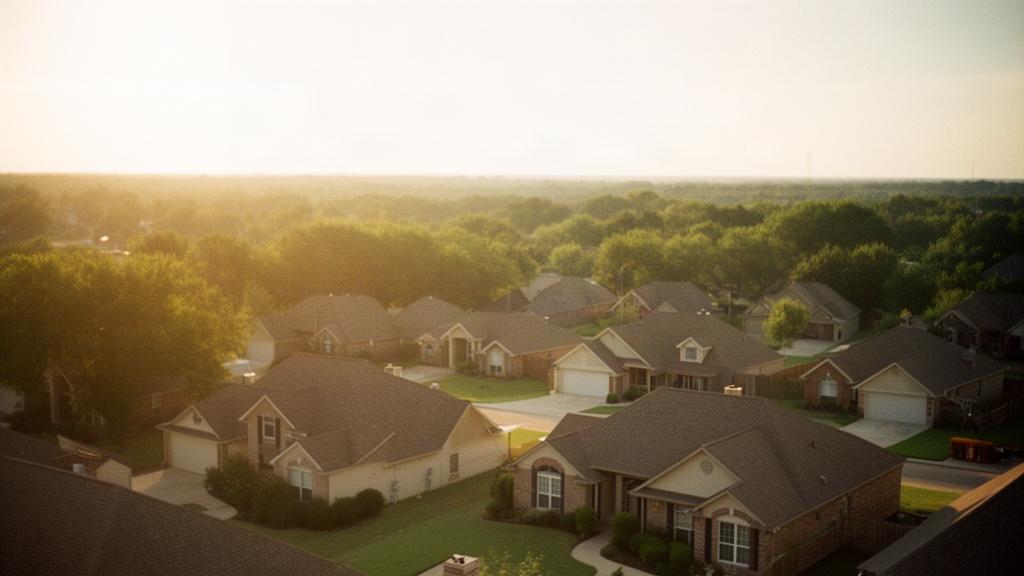
1. What the Oak Harbor Housing Market Looks Like Right Now
Oak Harbor is a moderately competitive market in September 2026, with median single-family home prices sitting in the low-to-mid $400,000s. Inventory has loosened compared to the extremely tight conditions of 2022 and 2023, but the market has not tipped into buyer's territory. Homes that are priced correctly and show well are still moving within two to three weeks in most price brackets.
Median Prices and Inventory
As of September 2026, the median sale price for a single-family home in Oak Harbor is approximately $420,000 to $440,000, depending on the week and the mix of closings. Active listings across the city typically sit between 60 and 100 homes at any given time, which translates to roughly two to three months of supply. That level of inventory keeps sellers in a reasonably strong position while giving buyers more choices than they had two years ago.
For a current snapshot of list prices, days on market, and price-per-square-foot trends, Redfin's Oak Harbor housing market page is updated frequently and gives a reliable high-level view of where the market stands week to week.
How Oak Harbor Compares to Island County Broadly
Oak Harbor is the most affordable entry point on Whidbey Island for single-family homes. Communities like Langley, Freeland, and Coupeville carry higher median prices, often $500,000 to $700,000 or more for comparable square footage, partly because of their waterfront access and smaller-town character. Oak Harbor's larger housing stock and higher turnover, driven significantly by military PCS cycles, keeps prices more accessible while still reflecting the premium that comes with island living.
The city covers roughly 10 square miles on the northern end of Whidbey Island, and its proximity to NAS Whidbey Island means the buyer pool is a consistent mix of active-duty military families, civilian base employees, retirees, and buyers relocating from the greater Seattle and Everett metro area. That diversity in demand is one reason the Oak Harbor market rarely goes completely cold even in slower national conditions.
2. Oak Harbor Neighborhoods: What Each Area Offers
Oak Harbor's neighborhoods each have a distinct character shaped by their era of construction, lot sizes, and proximity to the base, the waterfront, or downtown. Understanding what each corridor offers helps buyers focus their search and helps sellers understand how their home competes within its immediate submarket.
North Oak Harbor and Scenic Heights
The north end of the city, including the Scenic Heights area, contains a mix of 1970s and 1980s ranch-style homes alongside newer construction built in the 1990s and early 2000s. Lot sizes here tend to be generous, often a quarter acre or more, and the area sits close to the main NAS Whidbey gate on Ault Field Road. That proximity makes it a high-demand corridor for military buyers who want a short commute to the base. Prices in this corridor typically run from the high $300,000s to the mid $400,000s for a three-bedroom home.
Downtown and Pioneer Way Corridor
The downtown core along Pioneer Way is Oak Harbor's commercial and civic center, home to City Beach Park, the Oak Harbor Marina, and the weekly Farmers Market. Residential properties within walking distance of downtown skew older, with many homes dating to the 1950s and 1960s on smaller lots. These properties appeal to buyers who want walkability to shops, restaurants along Pioneer Way, and quick access to the waterfront. Prices in the immediate downtown area often start in the low $300,000s for smaller or older homes and climb toward $500,000 for updated properties with water views.
City Beach Park itself sits on the south end of Oak Harbor Bay and offers a boat launch, picnic areas, and a swimming area. Having that kind of waterfront access a short walk from a residential neighborhood is a feature that drives demand and supports pricing in this corridor.
Midtown and East Side
The midtown and east-side portions of Oak Harbor contain the largest concentration of newer subdivisions, with many homes built between 2000 and 2020. Developments in this area often feature open floor plans, two-car garages, and HOA-managed common spaces. Oak Harbor High School, Walmart, and the main retail corridor along Highway 20 are all accessible from this part of the city. Median prices here run close to the citywide median, generally $410,000 to $460,000 for a four-bedroom home depending on age and finish level.
Crosby and West Beach Road Corridor
West Beach Road runs south from Oak Harbor toward Deception Pass State Park, one of Washington's most visited state parks, and the properties along this corridor have a different character than the city's interior neighborhoods. Homes here sit on larger lots, some with acreage, and the area includes both older cabins and newer custom builds. Prices vary widely, from the low $400,000s for a basic home on a standard lot to well over $700,000 for a view property or waterfront parcel. The Crosby area, just south of the city limits, blends into this corridor and offers a more rural setting while remaining within 10 to 15 minutes of downtown Oak Harbor.
3. Price Ranges by Property Type
Not all Oak Harbor properties move at the same pace or price point. Knowing where your budget lands within each property type helps set realistic expectations before you start touring homes or listing your own.
Single-Family Homes
Single-family homes make up the majority of Oak Harbor's housing stock and the majority of transactions. Entry-level homes, typically two or three bedrooms built before 1980, are available in the $320,000 to $370,000 range when they need updating. Move-in-ready three and four-bedroom homes from the 1990s and 2000s cluster between $390,000 and $480,000. Larger or newer homes with premium finishes, bonus rooms, or substantial lots push into the $500,000 to $600,000 range.
Condos and Townhomes
Oak Harbor has a smaller condo and townhome inventory compared to larger cities, but these properties serve an important role for buyers who want lower maintenance or a lower entry price. Condos in the city generally sell between $220,000 and $320,000 depending on size, location, and HOA health. Townhomes, which are more common than traditional condos here, typically run $300,000 to $380,000. VA loan buyers should verify condo project approval status early, since not all complexes in Oak Harbor carry VA approval, and that affects a significant portion of the buyer pool given the military community.
Waterfront and View Properties
True waterfront homes on Oak Harbor Bay or along Penn Cove to the south carry significant premiums and represent a thin but consistent slice of the market. These properties generally start around $650,000 and can exceed $1.2 million for larger parcels with dock access or unobstructed views of the Cascade Range and Mount Baker. View properties that are not technically on the water but offer Puget Sound or mountain sightlines from the upper portions of the city's hillside neighborhoods typically sell in the $480,000 to $650,000 range.
For deeper historical appreciation data on Oak Harbor real estate, NeighborhoodScout's Oak Harbor market trends page provides long-term appreciation rates that help buyers and sellers understand how the market has performed over five and ten-year periods.
4. Timing the Oak Harbor Market: When to Buy and When to Sell
Timing in Oak Harbor follows some of the same seasonal patterns as the broader Pacific Northwest market, but the military PCS cycle adds a layer that most mainland markets do not have. Understanding both rhythms gives buyers and sellers a real advantage.
Spring and Summer Surge
March through July is the most active period in Oak Harbor real estate, and sellers who list during this window generally see stronger competition among buyers and faster offers. Inventory rises during spring, but demand rises faster. Days on market shrink, and list-to-sale price ratios tighten. If you are a seller, preparing your home in January or February so you can list in late March or April puts you in front of the largest pool of motivated buyers.
Fall and Winter Opportunities
August through February brings slower activity, longer days on market, and sellers who are more willing to negotiate on price, closing costs, or repairs. For buyers who have flexibility on timing, the fall and winter months in Oak Harbor can mean less competition and more room in negotiations. The trade-off is a smaller selection of available homes. That said, properties that do come to market in the off-season are often listed by sellers with genuine motivation, which creates real opportunity.
How the NAS Whidbey PCS Cycle Affects Timing
The Permanent Change of Station cycle at Naval Air Station Whidbey Island creates a secondary demand surge that is specific to Oak Harbor and is not something you will find in most real estate guides. Military families typically receive PCS orders between February and April for summer reporting dates, which means a wave of motivated buyers enters the Oak Harbor market in late spring and early summer, often with VA loan pre-approvals already in hand. Sellers who list between May and July are directly in front of this group. Conversely, military families departing the area often list their homes in the same window, which is why both supply and demand spike simultaneously during those months.
Understanding this PCS-driven demand pattern is one of the clearest examples of why working with an agent who knows Oak Harbor specifically, rather than a generalist from the mainland, makes a concrete difference in outcomes.
5. What Buyers and Sellers Should Know Before Acting
The Oak Harbor market has enough distinct characteristics that standard advice from national real estate sources does not always translate cleanly. Here is what applies specifically to this market right now.
For Buyers: What to Expect in Negotiations
In September 2026, buyers in Oak Harbor have more negotiating room than they did in 2022, but the market is not a buyer's market in the traditional sense. Well-priced homes under $450,000 still attract multiple offers when they first hit the market. Homes that sit for more than 30 days are usually overpriced relative to condition, and those represent the better negotiation opportunities. Asking for seller-paid closing costs is more viable now than it was two years ago, particularly on homes that have had at least one price reduction.
VA loan buyers should know that Oak Harbor sellers are generally comfortable with VA financing because the military community here means VA appraisals and loan timelines are familiar territory for most listing agents and sellers. That is a meaningful advantage compared to markets where VA offers face more resistance.
If you are still getting oriented to what is available in the market, the Oak Harbor buyer and seller guide on this site covers the full purchase process from pre-approval through closing with Oak Harbor-specific details.
For Sellers: How to Price Correctly From Day One
Overpricing is the single most common mistake Oak Harbor sellers make, and it is more costly now than it was during the 2021 to 2022 frenzy when buyers would stretch for anything. A home that sits on the market for 45 or 60 days in Oak Harbor starts to carry a stigma. Buyers begin to wonder what is wrong with it, and eventual price reductions often push the final sale price below what a correctly priced listing would have achieved from the start. Comparative market analysis based on closed sales within the last 60 to 90 days in the same neighborhood is the most reliable pricing tool.
Presentation matters more than most sellers expect. Homes with professional photography, clean landscaping, and decluttered interiors consistently sell faster and closer to list price than comparable homes without those elements. In a market with two to three months of inventory, first impressions online drive whether buyers even schedule a showing.
Relocation Buyers: What Is Different About This Market
Buyers relocating to Oak Harbor from Seattle, Everett, or other mainland cities often underestimate a few practical realities of island living. Access to Whidbey Island is primarily via the Deception Pass bridge to the north or the Washington State Ferry system to the south. If you work in Everett or the greater Seattle area and plan to commute, the ferry schedule from Clinton to Mukilteo becomes a central factor in your daily routine and should influence which part of the island you consider.
Septic systems are common on properties outside the city's sewer service area, and buyers unfamiliar with septic should budget for a thorough inspection and understand maintenance requirements before closing. Well water is also present on some properties near the city limits and in the Crosby corridor. These are not deal-breakers, but they require due diligence that a mainland purchase might not.
For a detailed look at what is currently listed and how to navigate the process from out of area, the Oak Harbor real estate listings guide walks through how to evaluate active listings and make offers remotely.
FAQ
What is the median home price in Oak Harbor, Washington right now?
As of September 2026, the median sale price for a single-family home in Oak Harbor is approximately $420,000 to $440,000. Entry-level homes that need updating can be found in the low $300,000s, while move-in-ready four-bedroom homes in newer subdivisions typically land between $400,000 and $480,000. Waterfront and view properties represent the top of the market and often exceed $650,000. Prices shift month to month based on the mix of closings, so tracking recent sold data through sources like Redfin or working with a local agent gives you the most current picture.
Is Oak Harbor, Washington a buyer's or seller's market in 2026?
Oak Harbor is a moderately balanced market in September 2026, leaning slightly in favor of sellers in the most popular price brackets. Inventory sits at roughly two to three months of supply, which is above the ultra-tight conditions of 2022 but still below the four to six months that would clearly favor buyers. Homes priced correctly under $450,000 still attract multiple offers within the first two weeks. Buyers have more room to negotiate on homes that have been sitting for 30 days or more, and asking for seller-paid closing costs is increasingly viable in those situations.
When is the best time to sell a home in Oak Harbor, WA?
The strongest selling window in Oak Harbor runs from late March through July, when both seasonal buyer demand and the military PCS cycle peak simultaneously. Families receiving PCS orders in the spring are highly motivated and often pre-approved for VA loans, which makes them fast-moving buyers. Sellers who list in April or May consistently see shorter days on market and stronger offer terms compared to those who list in fall or winter. That said, a correctly priced and well-presented home can sell in any month; the spring window simply maximizes competition and reduces the time a home sits on the market.