← Back to Blog
Selling
Selling a Home in the Goldie Road area of Oak Harbor WA: Pricing, Timeline
By Cristie Arnold
REMAX Gateway
September 4, 2026 · 11 min read
Selling a home in the Goldie Road area of Oak Harbor, Washington involves a specific set of conditions that differ from other parts of Whidbey Island, and knowing those details before you list can save you weeks and thousands of dollars. This guide covers realistic pricing, what the current market looks like in September 2026, how long the process typically takes, and what sellers in this corridor should prepare for from the first conversation with an agent to the closing table.
1. What Makes the Goldie Road Area Distinct for Sellers
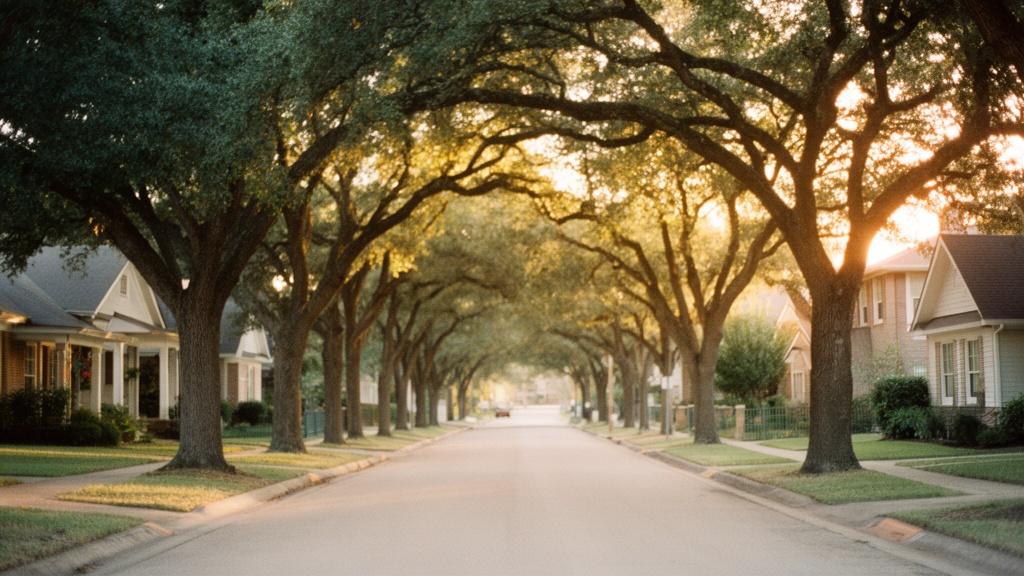
The Goldie Road corridor is one of the more recognizable residential stretches in Oak Harbor. It runs roughly parallel to the western edge of town, connecting the north end of Oak Harbor near NAS Whidbey Island to the commercial spine along Highway 20. Sellers here are dealing with a market that has its own rhythm, its own buyer pool, and its own pricing logic, and understanding that context is the starting point for a successful sale.
Housing Stock and Lot Characteristics
Homes along and near Goldie Road span several decades of construction. You will find single-family ramblers and split-levels built in the 1970s and 1980s sitting alongside newer construction from the 2000s and 2010s. Lot sizes in this area typically range from around 6,000 square feet on the smaller end to a quarter-acre or more for properties set back from the main road. Many homes have attached two-car garages, which matters to buyers in Oak Harbor because covered parking is a practical priority given the Pacific Northwest weather.
The area sits within walking or short driving distance of Goldie Road Community Park, and several routes connect quickly to the Oak Harbor waterfront at City Beach. Buyers evaluating homes in this corridor often note access to the Walmart Supercenter on Highway 20, the Windjammer Park and marina area, and the concentration of medical services along Goldie Road itself, including Island Hospital nearby. These are concrete features that show up in buyer conversations and can support pricing when you frame them correctly in your listing.
Proximity to NAS Whidbey Island and Its Effect on Demand
Naval Air Station Whidbey Island sits roughly two to three miles northwest of the Goldie Road corridor. That proximity shapes demand in a measurable way. Military families on Permanent Change of Station orders typically have firm move-in deadlines and often use VA financing. That combination creates a consistent buyer pool in this part of Oak Harbor that does not fluctuate as dramatically with interest rate cycles as purely civilian markets do. For sellers, this is a structural advantage worth understanding before setting a price or a listing date.
PCS season in Oak Harbor generally peaks from late spring through early August, but military buyers arrive year-round. Homes that are VA-loan-ready, meaning they are in good condition and priced at or below the county's VA loan limit, move faster and with fewer complications. Island County's VA conforming loan limit for 2026 sits at $806,500, which covers the vast majority of Goldie Road area homes. Sellers who price within that range and keep the property in solid condition are well-positioned to capture this segment of demand.
2. Pricing a Home in the Goldie Road Area: What the Numbers Say
Pricing accurately is the single most important decision a seller makes, and in the Goldie Road area it requires local data, not county-wide averages. As of September 2026, median home prices in Oak Harbor overall are hovering in the mid-to-upper $400,000s, but that figure masks meaningful variation by location, age, and condition. Homes in the Goldie Road corridor tend to cluster between roughly $390,000 and $550,000 depending on square footage, lot size, updates, and whether the property has any water or partial sound views from elevated positions.
For a deeper look at how Oak Harbor prices have shifted over the past year, the article on average home prices in Oak Harbor in September 2026 provides current market context that is directly relevant to how you set your list price.
How Comparable Sales Work in a Low-Turnover Corridor
The Goldie Road area does not see a high volume of transactions relative to some other Oak Harbor corridors, which creates a specific pricing challenge. When comparable sales are sparse, appraisers and agents must pull from a wider geographic radius or look back further in time, both of which can introduce inaccuracies. A seller who prices based on a comp from a different part of Oak Harbor with newer construction or a different lot profile may end up either leaving money on the table or sitting on the market longer than necessary.
The National Association of Realtors offers practical guidance on pricing strategy in markets with limited comparable data, and HousingWire's breakdown of pricing homes in low-turnover markets is worth reading before you finalize your list price. The core principle: the fewer recent sales in your immediate area, the more critical it is to work with an agent who knows the micro-market, not just the zip code.
Price Per Square Foot and What Drives It Here
In the Goldie Road area, price per square foot for finished living space in September 2026 generally falls between roughly $230 and $290, with updated kitchens and bathrooms pushing toward the upper end and original-condition homes from the 1970s and 1980s sitting closer to the lower end. Unfinished square footage, such as a partially finished basement or an attached shop, adds value but typically at a lower per-foot rate than the main living area. Appraisers will adjust for this, and your agent should flag it before you list so the price is defensible when the appraisal comes in.
Condition adjustments matter more here than in markets with high turnover. A home with a roof that is fifteen years old, original single-pane windows, or a furnace approaching the end of its service life will draw price reduction requests from buyers and scrutiny from appraisers. Sellers who address deferred maintenance before listing, or who price transparently to reflect it, close faster and with fewer renegotiations after inspection.
3. The Selling Timeline in the Goldie Road Area
From the day you decide to sell to the day you hand over keys, expect the full process to take between 60 and 120 days in the current Oak Harbor market, depending on how much pre-listing preparation your home needs and how quickly a buyer's financing moves. That range is not a guess; it reflects the actual sequence of steps that every Goldie Road area sale moves through, and each phase has its own variables.
Pre-Listing Preparation: What to Budget and When to Start
Pre-listing preparation in the Goldie Road area typically runs two to four weeks for a home in average condition. This phase includes decluttering and deep cleaning, any touch-up painting, minor repairs, professional photography, and the agent's preparation of the Comparative Market Analysis and listing materials. If your home needs more significant work, such as replacing flooring, updating a bathroom, or addressing a drainage issue in the yard, add two to six weeks depending on contractor availability in Oak Harbor.
Budget-wise, sellers in this corridor typically spend between $1,500 and $5,000 on pre-listing preparation for a home that is in decent shape. That money is almost always recovered in sale price or in fewer concessions after inspection. A pre-listing home inspection, which runs roughly $400 to $600 in the Oak Harbor area, is worth considering because it lets you find and address issues before a buyer's inspector does, removing a major source of renegotiation.
Active Listing to Accepted Offer
Once your home goes live on the MLS, the Goldie Road area's current pace means well-priced homes are receiving offers within one to three weeks in September 2026. Homes that are priced at market and presented well, meaning professional photos, accurate square footage, and a complete listing description, tend to see the most activity in the first seven to ten days. After that initial window, buyer interest typically drops and price reductions become more likely if no offer has arrived.
Homes that sit beyond 30 days in this market often do so for one of three reasons: overpricing relative to condition, a presentation problem such as poor photos or an incomplete listing, or a specific property characteristic that limits the buyer pool, such as a very small lot or an unusual floor plan. Identifying which of these applies and correcting it quickly is the difference between a price reduction and a clean sale.
Under Contract to Closing
Once you have an accepted offer, the typical escrow period in Oak Harbor runs 30 to 45 days for conventional and FHA financing, and 30 to 50 days for VA loans. VA loans involve an additional appraisal step called the VA appraisal, conducted by a VA-approved appraiser, which can add a week to the timeline compared to a conventional transaction. Given how common VA financing is among buyers in the Goldie Road area, sellers should factor this into their expectations rather than be surprised by it.
The inspection period in Washington State is typically set at five to ten business days from mutual acceptance. During this window, the buyer may request repairs or a price reduction based on inspection findings. Sellers who have done pre-listing preparation and disclosed known issues upfront tend to see smaller inspection-related requests and fewer deals fall apart in this phase.
4. What Sellers in This Part of Oak Harbor Should Expect
Beyond the numbers and the calendar, selling a home in the Goldie Road area comes with a set of practical realities that are worth knowing before you get into contract. These are the details that experienced sellers in Oak Harbor wish someone had told them at the start.
Buyer Pool and Financing Types
In the Goldie Road area, VA loans account for a substantial share of purchase transactions, often 40 to 55 percent of closed sales in any given quarter. Conventional financing makes up most of the remainder, with FHA loans appearing occasionally. Cash offers exist but are less common than in higher-end or investment-heavy markets. Understanding this mix matters because each loan type has different appraisal requirements, different timelines, and different seller-paid cost expectations.
VA buyers cannot pay certain closing costs under VA loan rules, which means sellers in Oak Harbor routinely see requests for seller-paid closing cost contributions in VA transactions. This is not a red flag; it is standard practice in this market. A typical seller contribution in a VA transaction in the Goldie Road area runs between $5,000 and $10,000, depending on the purchase price and what the buyer's lender structures. Your net proceeds calculation should account for this possibility.
Inspection and Appraisal Realities
Home inspectors in the Oak Harbor area flag several issues with above-average frequency in homes built in the 1970s and 1980s, which represent a meaningful portion of Goldie Road area inventory. These include older electrical panels, galvanized plumbing, inadequate attic insulation, and crawl space moisture issues. None of these are deal-killers on their own, but they generate repair requests or price adjustments if they are not disclosed and addressed proactively.
VA appraisals in particular have Minimum Property Requirements that the home must meet before the loan can close. Peeling paint on exterior surfaces, missing handrails, broken windows, and non-functioning utilities are among the items that will require correction before a VA loan closes. Sellers who are marketing to the military community, which is most Goldie Road area sellers, should walk through the home with these requirements in mind before listing.
Negotiation Patterns in This Market
In September 2026, Oak Harbor is not a market where sellers routinely receive offers well above list price the way some Western Washington markets did in 2021 and 2022. Offers in the Goldie Road area currently tend to come in at or slightly below list price for homes that have been on the market more than two weeks, and at or modestly above list price for homes that are fresh to market and priced correctly. Multiple-offer situations do occur, particularly for move-in-ready homes priced below $475,000, but they are not the default expectation.
Sellers who understand the current negotiation environment going in are better prepared to respond strategically rather than reactively. Knowing in advance what you will and will not accept on inspection repairs, closing cost contributions, and possession date flexibility puts you in a much stronger position when an offer arrives. The article on selling a home in Oak Harbor: pricing, timeline and what to expect covers the broader Oak Harbor seller experience in detail and is worth reading alongside this guide.
For sellers who want to understand the broader context of the Oak Harbor market before finalizing their strategy, the Oak Harbor real estate market guide covering prices, neighborhoods and timing provides a useful foundation. And if you are curious how property taxes will affect your net proceeds or your buyer's carrying costs, the Oak Harbor property tax guide explains exactly how Island County calculates your annual tax bill.
Strategic sellers also think about timing relative to the broader market cycle. Inman's reporting on how strategic home sellers can find success in a shifting market by planning early is a useful read for anyone who wants to understand how seller preparation decisions made weeks before listing affect final sale outcomes.
FAQ
What is the typical price range for homes in the Goldie Road area of Oak Harbor right now?
As of September 2026, homes in the Goldie Road corridor of Oak Harbor are generally priced between roughly $390,000 and $550,000, depending on square footage, condition, lot size, and the age of major systems like the roof and HVAC. Updated homes with modern kitchens and bathrooms tend to sit in the upper half of that range, while original-condition homes from the 1970s and 1980s typically fall closer to the lower end. Price per square foot for finished living space in this area runs approximately $230 to $290. These figures can shift based on how many comparable sales have closed in the immediate corridor in the preceding 90 days, which is why a local Comparative Market Analysis is essential before you set a list price.
How long does it take to sell a home in the Goldie Road area of Oak Harbor?
The full process from deciding to sell to closing typically takes 60 to 120 days in the current market. Pre-listing preparation runs two to four weeks for a home in average condition, active marketing to an accepted offer takes one to three weeks for a well-priced home, and the escrow period adds another 30 to 50 days depending on the buyer's financing type. VA loan transactions, which are common in this part of Oak Harbor given proximity to NAS Whidbey Island, can run slightly longer than conventional transactions due to the VA appraisal requirement. Sellers who complete pre-listing preparation thoroughly and price accurately from day one consistently see shorter total timelines.
Do I need to make repairs before listing my home in the Goldie Road area?
You are not legally required to make repairs before listing, but the practical answer is that addressing known issues before you go to market almost always produces better financial outcomes. The Goldie Road area attracts a high proportion of VA loan buyers, and VA loans have Minimum Property Requirements that the home must meet before the loan can close. Items like peeling exterior paint, missing handrails, broken windows, or non-functioning utilities will need to be corrected regardless, either before listing or as a condition of the sale. A pre-listing inspection, which costs roughly $400 to $600 in the Oak Harbor area, lets you identify and address these items on your own schedule rather than under the pressure of a buyer's contingency deadline. Sellers who invest in pre-listing preparation typically see fewer inspection-related renegotiations and more straightforward closings.