
← Back to Blog
Market Trends
The Caldwell, New Jersey Train Station Area Real Estate Market Guide: Prices, Neighborhoods and Timing
By Cristina Munoz
September 8, 2026 · 11 min read
If you are buying or selling near the Caldwell, New Jersey train station area, the location itself shapes how homes are priced, how quickly they move, and what you can expect to compete against. This guide covers the Caldwell, New Jersey train station area real estate market in full: current prices, the streets and blocks that sit closest to the station, how commute access factors into value, and the timing patterns that matter most in September 2026.
1. Why the Train Station Location Shapes Caldwell Real Estate Values
The Caldwell train station is one of the borough's most consequential geographic anchors for real estate. Homes within a comfortable walk of the station, generally considered to be a quarter-mile to half-mile radius, tend to carry a measurable price premium over comparable homes that require a drive to the platform. That premium reflects a concrete, daily utility: a shorter door-to-train time on a weekday morning.
What the Caldwell Train Station Actually Is
Caldwell station sits on NJ Transit's Montclair-Boonton Line, which runs east through Montclair and connects into New York Penn Station. The station is located on Roseland Avenue, just off Bloomfield Avenue, which is Caldwell's main commercial corridor. That position puts it within a few blocks of downtown shops, restaurants, and services, making the immediate area genuinely walkable by New Jersey suburban standards. Riders heading to Midtown Manhattan typically transfer at Newark Broad Street or ride through to Penn Station depending on the service pattern they catch.
For a deeper look at commute times and route options from Caldwell into the city, the article Caldwell NJ to NYC Commute: Time and Options covers the full picture, including peak and off-peak schedules and alternative driving routes.
How Proximity Affects Pricing
Station-area pricing in Caldwell does not follow a single formula, but the pattern is consistent. A three-bedroom colonial on a street within a five-minute walk of the platform will generally list and sell above an equivalent home that requires a ten-minute drive to the station, all other factors being equal. The gap narrows when the walk-to-station home has older mechanicals or a smaller lot, and it widens when the home also has direct access to Bloomfield Avenue's retail and dining without needing a car. Buyers who prioritize the commute tend to make that trade-off consciously.
Noise and parking are the counterweight. Homes immediately adjacent to the tracks or the station parking lot can see softer demand from buyers who do not commute by train, because the trade-off does not apply to them. Understanding which side of that equation a specific property falls on is something a buyer's agent with local knowledge can assess quickly.
2. Current Prices in the Caldwell Train Station Area
As of September 2026, the broader Caldwell borough market has a median sale price in the range of $575,000 to $625,000 for single-family homes, with station-proximate properties often landing at the higher end of that band or above it. Inventory remains tight relative to demand, a pattern that has held throughout 2026 and reflects Essex County's broader supply constraints. You can track live price movement on the Caldwell housing market page on Redfin, which is updated regularly with median prices, days on market, and sale-to-list ratios.
Single-Family Homes Near the Station
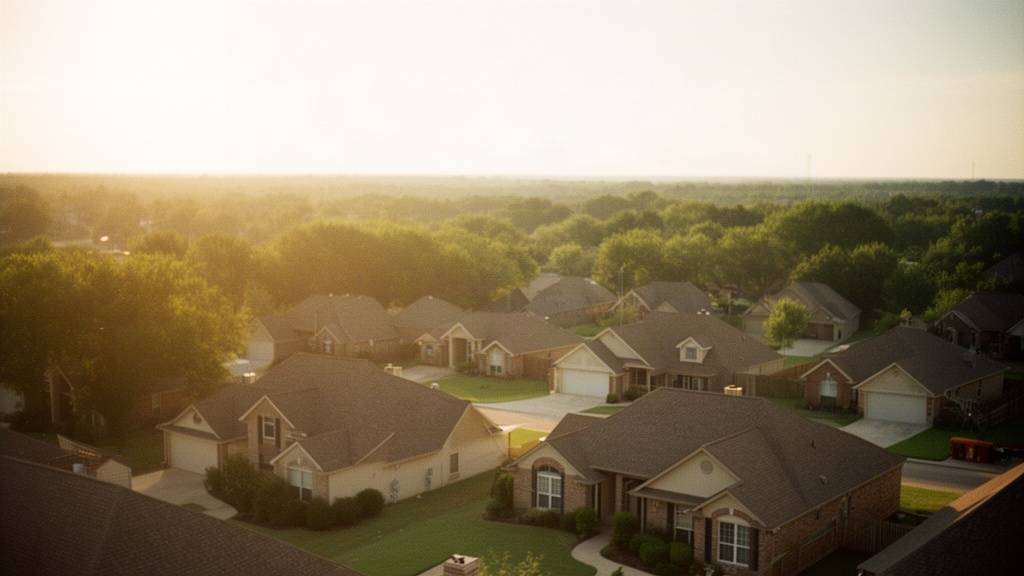
The housing stock within a half-mile of the Caldwell station is primarily older single-family homes built between the 1920s and the 1960s. You will find Tudors, colonials, Capes, and bungalows on lots that typically run between 5,000 and 9,000 square feet. Interior square footage in this range tends to fall between 1,400 and 2,400 square feet, though fully renovated examples with additions can push higher. Entry-level station-area homes, meaning smaller Capes or bungalows in need of updating, are currently listing in the $490,000 to $540,000 range. Move-in-ready colonials and Tudors with updated kitchens and baths are landing between $600,000 and $750,000. Fully renovated homes with four bedrooms and expanded layouts have crossed $800,000 in 2026.
Days on market for well-priced station-area homes have been running short. Correctly priced listings in this pocket have been receiving multiple offers within the first two weekends, and accepted offers have consistently been coming in at or above asking price through the spring and summer of 2026. That pace has moderated slightly in September as it typically does after Labor Day, but the underlying demand has not disappeared.
Condos, Townhomes and Multi-Family Properties
Caldwell's condo and townhome inventory near the station is limited but present. A handful of smaller condo buildings and converted multi-family properties sit within a few blocks of Bloomfield Avenue. Two-bedroom condos in this area have been trading in the $325,000 to $425,000 range in 2026, depending on condition, HOA fees, and parking. Multi-family two-family homes near the station, which attract both owner-occupants and investors, have been listing between $650,000 and $850,000. The rental income from the second unit can meaningfully offset carrying costs, which is part of why two-families in this location see competitive bidding.
How Caldwell Compares Within Essex County
Caldwell sits in the western portion of Essex County, where price points are generally lower than in the closer-in suburbs like Maplewood or South Orange but higher than some of the more rural western communities. Essex County as a whole posted 642 active listings at peak spring inventory in 2026, reflecting a market where supply has not kept pace with buyer demand. That countywide tightness filters directly into Caldwell: when buyers cannot find what they want in Montclair or Verona, Caldwell's station-area inventory absorbs some of that overflow demand. For context on how Essex County's supply picture fits into the broader New Jersey market, the Essex County market report from Elevate Realty NJ provides useful countywide data.
3. The Neighborhoods Within Walking Distance of the Station
The streets closest to the Caldwell station each have their own character in terms of housing stock, lot size, and street feel, even though they sit within a compact geographic area. Understanding the differences between these blocks helps buyers set realistic expectations and helps sellers understand what makes their specific location compelling to a particular type of buyer.
Blocks Directly Around Bloomfield Avenue and the Station
Bloomfield Avenue runs through the center of Caldwell's downtown and passes within steps of the station entrance. The residential streets that intersect Bloomfield Avenue closest to the station, including portions of Roseland Avenue, Hillside Avenue, and the short cross streets between them, offer the most direct walk to the platform. Homes on these blocks tend to sit on smaller lots, often under 6,000 square feet, and many were built in the 1920s through 1940s. The architectural variety is notable: you will see brick Tudors with original detailing alongside shingled bungalows and narrow two-story colonials. Parking can be tighter on these streets than on blocks farther from the commercial corridor.
The proximity to downtown Caldwell is a genuine amenity for buyers who want to walk to coffee, dinner, or the farmers market without getting in a car. Caldwell's Bloomfield Avenue has a concentrated stretch of independent restaurants, a few cafes, a pharmacy, and specialty shops that make the walkability score on these blocks meaningfully higher than on residential streets a mile away.
The Side Streets: Westville Avenue, Forest Avenue and Beyond
Moving a few blocks outward from the station, streets like Westville Avenue, Forest Avenue, and the cross streets running south toward Grover Cleveland Park offer slightly larger lots and a quieter residential feel while still keeping the station within a ten-to-fifteen-minute walk. Lot sizes in this band commonly run from 7,000 to 10,000 square feet, and homes here tend to have more yard space and slightly more interior square footage on average. These blocks see a mix of well-maintained original homes and properties that have been expanded or renovated over the decades. The price range here overlaps with the closer-in blocks but the upper end is higher because the homes themselves are often larger.
Grover Cleveland Park, which sits in this general area, adds a tangible green-space amenity to properties nearby. The park includes athletic fields, a playground, and open lawn space, and its presence is a factor buyers mention when comparing blocks in this part of the borough. The birthplace of President Grover Cleveland, a local landmark on Bloomfield Avenue, is also within this radius and is part of what gives the downtown area its distinct historic character.
4. Timing the Caldwell Train Station Area Market
Timing in the Caldwell train station area real estate market follows a recognizable seasonal pattern, but the underlying supply shortage means that no month is truly slow for well-priced properties. Buyers and sellers who understand the rhythm of the local calendar can position themselves more effectively.
Seasonal Patterns in Caldwell
The Caldwell market, like most of Essex County, sees its highest listing volume and buyer activity between March and June. That spring window is when competition among buyers is most intense and when sellers typically see the most offers. The summer months from July through August bring slightly lower inventory as some sellers wait out the heat, but serious buyers remain active throughout. September marks the beginning of the fall market, which historically runs through mid-November and is the second most active selling season of the year.
For buyers, the fall window offers a practical advantage: less competition than spring but still a reasonable number of listings coming to market. Sellers who list in September and October in the station area often attract buyers who are motivated to close before the end of the year for financial or personal reasons. That motivation tends to translate into cleaner offers and faster timelines.
What September 2026 Looks Like Right Now
Currently in September 2026, the Caldwell station-area market is transitioning from summer into the fall selling season. Active inventory is modest, with only a handful of single-family homes available within the closest half-mile of the station at any given moment. Interest rates have remained a factor in affordability calculations throughout 2026, but buyer demand in commuter-friendly locations like the Caldwell station area has held up because the value proposition of train access is durable regardless of rate environment.
Sellers considering listing this fall should be aware that the window between now and mid-November is the primary opportunity before the market quiets for the holidays. Homes that are priced correctly and presented well are still moving quickly in this pocket. Overpriced listings, however, are sitting longer than they did in the spring, which is a sign that buyers are more selective even as demand remains present. For a full picture of what the selling process looks like in Caldwell right now, the article Selling a Home in Caldwell, New Jersey: Pricing, Timeline and What to Expect walks through pricing strategy and typical timelines in detail.
5. What Buyers and Sellers Should Know Before Acting
The Caldwell train station area has specific due diligence considerations that go beyond what applies to a typical suburban purchase. Knowing what to look for before making an offer or listing a home can prevent surprises and sharpen your negotiating position.
Due Diligence Points Specific to This Area
Older housing stock requires careful inspection. The majority of homes within walking distance of the station were built before 1960, which means buyers should budget for the possibility of older electrical panels, knob-and-tube wiring, cast iron or galvanized plumbing, and oil tanks either in use or decommissioned. A thorough home inspection and, in some cases, an environmental inspection for oil tank presence are standard practice in this part of Caldwell. Many homes in this range have already been updated, but confirming the scope of those updates during due diligence is important.
Parking and lot configuration matter more near the station than in other parts of the borough. Some streets near the station have on-street parking restrictions tied to the station commuter lot, and buyers should verify what parking is available with the property itself. Driveway length, garage access, and whether the property has off-street parking for two cars are practical questions that affect daily quality of life on these blocks.
Property taxes in Caldwell are assessed at the borough level within Essex County. Annual taxes on a station-area single-family home in the $600,000 to $700,000 range currently run approximately $14,000 to $18,000 per year, depending on lot size, assessed value, and any exemptions the current owner holds. Buyers should request the actual tax bill rather than relying on estimate fields in listing data, which can be outdated.
For buyers relocating from outside New Jersey, the article Who Is the Right Agent to Call If I Am Relocating to Caldwell, New Jersey from Out of State addresses the specific challenges of buying in Caldwell without local familiarity, including how to evaluate neighborhoods and manage the process remotely.
Working With a Local Expert
The Caldwell train station area is a small, specific sub-market within a small borough. Price-per-square-foot comparisons pulled from broad market data can mislead buyers and sellers because the premium for station proximity is real but not always visible in aggregate statistics. An agent who works this market regularly knows which streets command that premium, which blocks see softer demand due to noise or parking constraints, and what condition standards buyers in this price range expect.
Sellers in this area also benefit from targeted marketing that highlights the commute value explicitly. A buyer who commutes to Manhattan five days a week will pay more for a ten-minute walk to the platform than a buyer who works remotely and does not care about train access at all. Positioning a listing to reach the right buyer pool, rather than just the broadest one, is where local market knowledge translates into real dollars at closing.
FAQ
How much more do homes near the Caldwell train station cost compared to homes farther away in the borough?
The premium for station proximity in Caldwell is real but variable, typically ranging from roughly 5 to 12 percent over comparable homes that require a drive to the platform. The gap is largest for buyers who commute to New York City regularly, because the daily time savings justify the higher purchase price. Homes directly adjacent to the tracks or the station parking lot may see a reduced premium due to noise and traffic, so the location within the station area matters. The best way to quantify the premium for a specific property is to run a comparative market analysis against recently sold homes both near and farther from the station, which a local agent can prepare quickly.
Is September a good time to buy or sell in the Caldwell train station area?
September marks the opening of the fall selling season in Caldwell, which historically runs through mid-November and is the second most active period of the year after spring. For sellers, listing now means reaching motivated buyers who want to close before year-end, and competition from other listings is lower than it was in the spring. For buyers, September offers more negotiating room than the March-to-June peak while still providing a reasonable selection of homes. The caveat is that well-priced, move-in-ready station-area homes still move quickly in September 2026 because inventory in this specific pocket remains tight.
What types of homes are available within walking distance of the Caldwell station?
The housing stock within a half-mile of the Caldwell station is primarily single-family homes built between the 1920s and 1960s, including Tudors, colonials, Capes, and bungalows on lots ranging from roughly 5,000 to 10,000 square feet. A smaller number of condos, converted two-family homes, and multi-unit properties also exist in this area. Interior square footage typically runs between 1,400 and 2,400 square feet for single-family homes, though renovated and expanded examples can be larger. New construction is rare in this pocket given the built-out nature of the neighborhood, so most buyers are working with existing homes that have varying degrees of updating.