
← Back to Blog
Neighborhoods
What Neighborhoods and Streets in Caldwell NJ Are Close to Downtown and Walkable to Restaurants and Shops
By Cristina Munoz
September 24, 2026 · 11 min read
If you are searching for neighborhoods or streets in Caldwell NJ that are close to downtown and walkable to restaurants and shops, you are asking exactly the right question before buying. Caldwell's compact borough layout means a handful of residential streets sit within a short flat walk of Bloomfield Avenue's restaurants, coffee shops, and boutiques. This guide breaks down which blocks deliver genuine walkability, what the housing stock looks like on each, and what you should realistically expect to pay.
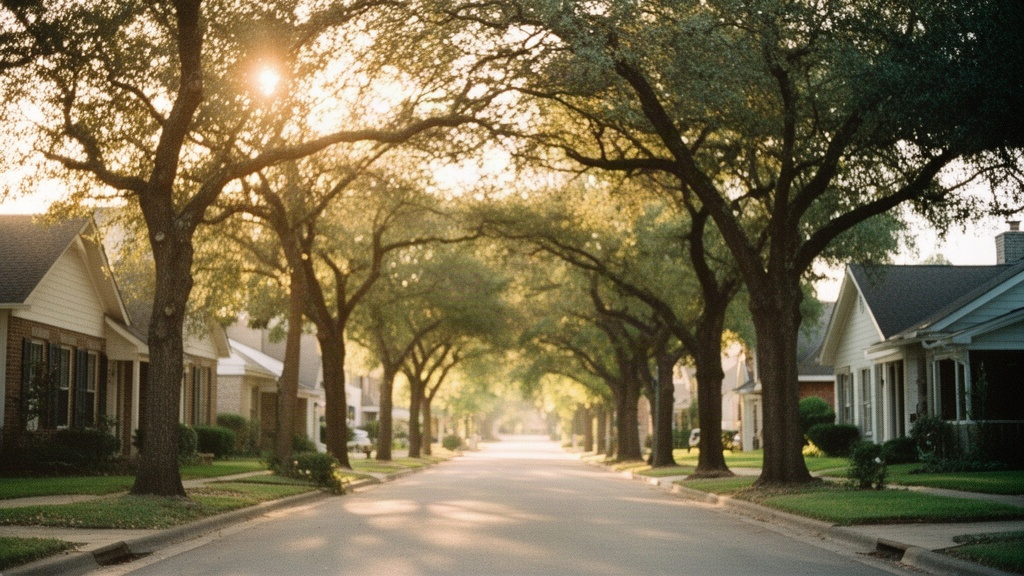
1. What Makes Downtown Caldwell Worth Walking To
Downtown Caldwell is the anchor of the borough's daily life. Bloomfield Avenue runs east to west through the center of town and holds the highest concentration of restaurants, cafes, specialty retailers, and service businesses in the borough. It is a genuine main street in the traditional sense: locally owned businesses, a post office, a pharmacy, a weekly farmers market that runs seasonally, and a walkable commercial strip that does not require a car to navigate once you are there.
Bloomfield Avenue: The Core of It All
Bloomfield Avenue between Personette Street to the west and Forest Avenue to the east is where the action concentrates. Within roughly six blocks you will find Italian restaurants, a wine bar, a diner, multiple coffee shops, a bagel shop, a yoga studio, a hardware store, and a handful of boutiques. The Caldwell Public Library sits on Bloomfield Avenue as well, and Caldwell Borough Hall is within the same walkable corridor. This density of destinations is exactly what buyers mean when they say they want to walk to things.
What You Can Reach on Foot
Caldwell Borough covers just under 1.4 square miles, which means almost no residential street is more than a mile from Bloomfield Avenue. But there is a meaningful difference between a 6-minute walk and a 15-minute walk, especially in winter. The streets discussed in this guide are within roughly a quarter mile to half a mile of the commercial center, which translates to a 5 to 10 minute walk on flat terrain. That is the range where people actually leave the car at home.
2. The Streets and Neighborhoods Closest to Downtown Caldwell
The streets and neighborhoods in Caldwell NJ closest to downtown and walkable to restaurants and shops fall into a few distinct clusters. Each cluster has its own character in terms of housing type, lot size, and street feel. Understanding the differences helps you narrow your search before you start scheduling showings.
The Blocks Immediately Off Bloomfield Avenue
The streets that intersect Bloomfield Avenue directly are the most walkable addresses in the borough. Personette Street, Hillside Avenue, and Forest Avenue all cross Bloomfield Avenue and offer residential properties within a two or three minute walk of the commercial strip. These blocks are tight, with modest lot sizes and homes that sit close to the street. You will find a mix of older colonials, cape cods, and two-family homes, many of them built between the 1920s and 1950s. Sidewalks are continuous, which matters for actual walkability.
Harrison Street and Westville Avenue, both running north from Bloomfield Avenue, are also worth noting. Harrison Street in particular is a quiet residential block that puts you about 200 feet from the nearest coffee shop. Homes here are mostly single-family, with some having been converted to two-family use over the decades. The architectural character is consistent with early 20th-century suburban construction: front porches, wood siding, and relatively small footprints on narrow lots.
Roseland Avenue and the Streets Running Parallel
Roseland Avenue runs parallel to Bloomfield Avenue one block to the south and is one of the most consistently residential streets in the walkable core. The walk to Bloomfield Avenue from Roseland Avenue is roughly 300 to 400 feet depending on which cross street you use. Homes on Roseland Avenue tend to be single-family colonials and ranches, somewhat larger than what you find on the blocks immediately adjacent to Bloomfield. Lot sizes here run in the 5,000 to 7,500 square foot range, which is typical for Caldwell's in-town footprint.
Park Avenue, one block further south from Roseland, still puts you within a 5-minute walk of downtown. The housing on Park Avenue is slightly more varied, with some mid-century ranches alongside older two-story colonials. Grover Cleveland Park, a well-maintained borough park with a playground and open lawn, sits near the southern end of this corridor and adds a usable green space within walking distance of these homes.
The Central Avenue Corridor
Central Avenue runs north-south through the borough and intersects Bloomfield Avenue at the heart of downtown. Homes on Central Avenue itself and on the short cross streets between Central and the adjacent avenues, such as Linden Place and Elm Street, are among the most centrally located addresses in Caldwell. The housing stock here is dense by suburban New Jersey standards: narrow lots, attached garages on some properties, and a mix of colonial, Tudor, and craftsman-influenced architecture from the early to mid 20th century.
The stretch of Central Avenue north of Bloomfield Avenue toward Westville Avenue also deserves attention. This section has a slightly quieter residential feel while still sitting within a 4 to 6 minute walk of the restaurants and shops on Bloomfield. Some of the homes on this stretch have been renovated and updated, while others retain their original character. If you are comparing walkable streets in Caldwell NJ, Central Avenue north of Bloomfield is a strong candidate.
Smull Avenue and the Westside Streets
On the western side of downtown, Smull Avenue and the blocks around it offer another cluster of walkable residential addresses. Smull Avenue runs north from Bloomfield Avenue and has a mix of single-family homes and a small number of multifamily properties. The walk from the northern end of Smull to the coffee shops and restaurants on Bloomfield is about 6 to 8 minutes. Cross streets like Maple Avenue and Chestnut Street in this western quadrant also fall within the walkable zone, though the terrain has a slight grade that makes the return trip uphill.
The Caldwell train station sits near the western edge of the borough, close to the Smull Avenue corridor. If commuting to New York City by rail is part of your plan alongside wanting walkability to downtown, this western cluster offers both. You can read more about the commute options from Caldwell in the Caldwell NJ to NYC Commute guide published on this site.
3. Housing Stock and Price Ranges in Caldwell's Walkable Zone
Homes in Caldwell's walkable core trade at a premium over comparable properties further from downtown. That premium reflects real demand: buyers consistently seek out the streets closest to Bloomfield Avenue, and inventory in this zone is limited because the borough is fully built out. There is no new land to develop within walking distance of downtown.
What the Homes Look Like
The housing stock in Caldwell's walkable neighborhood zone is predominantly older construction, with most homes built between 1900 and 1960. You will see a lot of colonial-style two-story homes with wood or vinyl siding, cape cods with dormers, and the occasional craftsman bungalow. Lot sizes in the walkable core are smaller than what you find in the outer parts of the borough or in neighboring West Caldwell, typically running between 4,000 and 8,000 square feet. Garages are often detached and sit at the rear of the lot. Interior square footage ranges from about 1,200 square feet on the smaller cape cods to around 2,400 square feet on the larger colonials.
Two-family homes are present in the walkable zone, particularly on blocks immediately adjacent to Bloomfield Avenue. Some buyers find these properties attractive because the rental income from the second unit offsets carrying costs. If you are a first-time buyer weighing this option, the First-Time Home Buyer Guide for Caldwell covers the tradeoffs in detail.
What Buyers Are Paying Right Now
As of September 2026, single-family homes in Caldwell's walkable downtown zone are generally trading in the $550,000 to $750,000 range for move-in-ready properties. Smaller cape cods and homes that need updating can come in below $550,000, while renovated larger colonials on desirable streets like Roseland Avenue or the Central Avenue corridor can push toward or above $800,000. Two-family properties in the walkable zone have been selling in the $650,000 to $850,000 range depending on condition and unit configuration.
Inventory in this zone is tight. Homes within a quarter mile of Bloomfield Avenue rarely sit on the market for more than two to three weeks when priced correctly, and multiple-offer situations are common on updated properties. If you are relocating to Caldwell and specifically want walkability to downtown, you need to be ready to move quickly when the right address appears. For a broader picture of what the Caldwell market looks like right now, the Caldwell NJ Real Estate Market Guide has current data on days on market and price trends.
4. Why Walkability Affects Home Value in Caldwell
Walkability is not just a lifestyle preference; it is a measurable factor in home pricing. In a borough like Caldwell where the downtown is genuinely active and commercially useful, proximity to Bloomfield Avenue translates directly into buyer demand, and buyer demand translates into price.
The Research Behind the Premium
National research consistently shows that walkable locations command higher prices. According to research published by the National Association of Realtors, a significant share of buyers say they would pay more for a home in a walkable community, and many would accept a smaller home or lot to get that walkability. In a compact borough like Caldwell, where the commercial district is already well-established and the residential streets feeding into it are limited in number, that dynamic plays out clearly in the sales data.
This is not unique to Caldwell, but Caldwell is a particularly clear example of the pattern in Essex County. The borough's small geographic footprint means the difference between a walkable and a non-walkable address is often just a few blocks. Buyers who understand this distinction can make more informed decisions about where to focus their search and what premium they are genuinely getting for the price difference.
What This Means for Buyers and Sellers
For buyers, the walkability premium in Caldwell is real but not unlimited. You are paying more for a home on Roseland Avenue than for a comparable home on a street at the edge of the borough, and you should go in with clear eyes about that tradeoff. The question to ask yourself is whether daily access to coffee, dinner, and errands without a car is worth $30,000 to $80,000 more in purchase price. For many buyers relocating to Caldwell, the answer is yes.
For sellers in the walkable zone, proximity to downtown is one of the strongest marketing points available. Listing descriptions that specifically name the cross streets and walking distances to Bloomfield Avenue restaurants and shops attract buyers who are searching for exactly those addresses. If you are thinking about selling a home in this corridor, the guide on selling a home in Caldwell NJ covers how to position walkability as a pricing advantage.
5. Practical Tips for Evaluating a Street's Walkability Before You Buy
Not every street that looks close on a map delivers the same walking experience. In Caldwell, a few factors can make a nominally short walk feel longer or less convenient: sidewalk continuity, street-level lighting, cross-traffic at intersections, and grade changes. Doing your own due diligence on foot before making an offer is worth the time.
Walk It Yourself at Different Times
Walk the route from the specific property to the specific destinations you care about, not just to the general area of downtown. Walk it on a weekday morning when you would realistically be heading to a coffee shop before work, and walk it on a Friday evening when you would be going to dinner. The experience at 7 a.m. and 7 p.m. can be quite different in terms of traffic, noise, and how the street feels. Pay attention to whether sidewalks are continuous, whether curb cuts exist at corners, and whether street lighting is adequate for evening use.
Bloomfield Avenue itself carries meaningful traffic volume as a county road, and crossing it at certain intersections requires waiting through a full signal cycle. If a property sits on the south side of Bloomfield and most of the restaurants and shops you want are on the north side, that crossing is part of your daily walk. It is a minor point, but it is the kind of detail that matters when you are evaluating true walkability versus proximity on a map.
Check the Specific Block, Not Just the Neighborhood
Caldwell is small enough that block-level differences matter more than neighborhood-level generalizations. A home at the northern end of Personette Street is a 3-minute walk to Bloomfield Avenue. A home at the southern end of the same street, past Grove Street, is closer to an 8-minute walk. Both are on Personette Street, but the experience of daily walkability is meaningfully different. When you are evaluating neighborhoods or streets in Caldwell NJ that are close to downtown, get the address-level detail, not just the street name.
Online walkability scores can help as a starting point, but they do not capture sidewalk quality, traffic patterns, or the actual destination mix at a given moment in time. Caldwell's downtown has evolved over the past several years, with new restaurant and retail tenants opening and some older ones closing. The best way to know what you can actually walk to from a specific address is to go there and see it.
FAQ
Which streets in Caldwell NJ are within a 5-minute walk of downtown restaurants and shops?
The streets closest to Bloomfield Avenue's restaurant and retail corridor are Personette Street, Hillside Avenue, Forest Avenue, Harrison Street, Roseland Avenue, and the blocks of Central Avenue immediately north and south of Bloomfield. Most of these addresses sit within 300 to 600 feet of the nearest commercial business, which translates to a 3 to 6 minute walk on flat sidewalks. The blocks immediately intersecting Bloomfield Avenue are the most walkable, while parallel streets one or two blocks away are still well within a comfortable walking distance. If you have a specific cross street in mind, walking the route yourself is the most reliable way to assess it.
Are homes near downtown Caldwell more expensive than homes further from Bloomfield Avenue?
Yes, homes in Caldwell's walkable downtown zone consistently trade at a premium compared to similar-sized homes further from Bloomfield Avenue. As of September 2026, move-in-ready single-family homes within a quarter mile of downtown are generally priced between $550,000 and $800,000 or above, depending on size and condition. The premium reflects sustained buyer demand for walkable addresses in a borough with limited housing inventory. National research from the National Association of Realtors confirms that buyers across markets are willing to pay more for walkable locations, and Caldwell is a clear local example of that pattern. The premium is real, but so is the daily convenience of leaving the car at home for errands, coffee, and dinner.
Does Caldwell NJ have enough shops and restaurants to make walkability genuinely useful day to day?
Caldwell's Bloomfield Avenue commercial strip is active enough to cover most daily needs without a car for residents who live within walking distance. Within the downtown corridor you will find multiple coffee shops, a bagel shop, Italian and American restaurants, a wine bar, a diner, a pharmacy, a hardware store, a post office, and several boutique retailers. The borough also hosts a seasonal farmers market on Bloomfield Avenue. For grocery shopping, the nearest supermarkets require a short drive, but for daily coffee, lunch, dinner, and most errands, the walkable core delivers a practical range of options. The concentration of businesses along a six-block stretch makes it a genuinely useful downtown rather than a symbolic one.