← Back to Blog
Selling
Downsizing in West Lake Hills, Texas: Options, Costs and Timing
By Crystal Olenbush
AustinRealEstate.com
September 10, 2026 · 12 min read
Downsizing in West Lake Hills, Texas is one of the most financially significant decisions a homeowner can make, and the details matter far more than most people expect. This guide covers your real options, what the numbers look like in the current West Lake Hills market, and how to time your move so you come out ahead.
1. What Downsizing Actually Looks Like in West Lake Hills
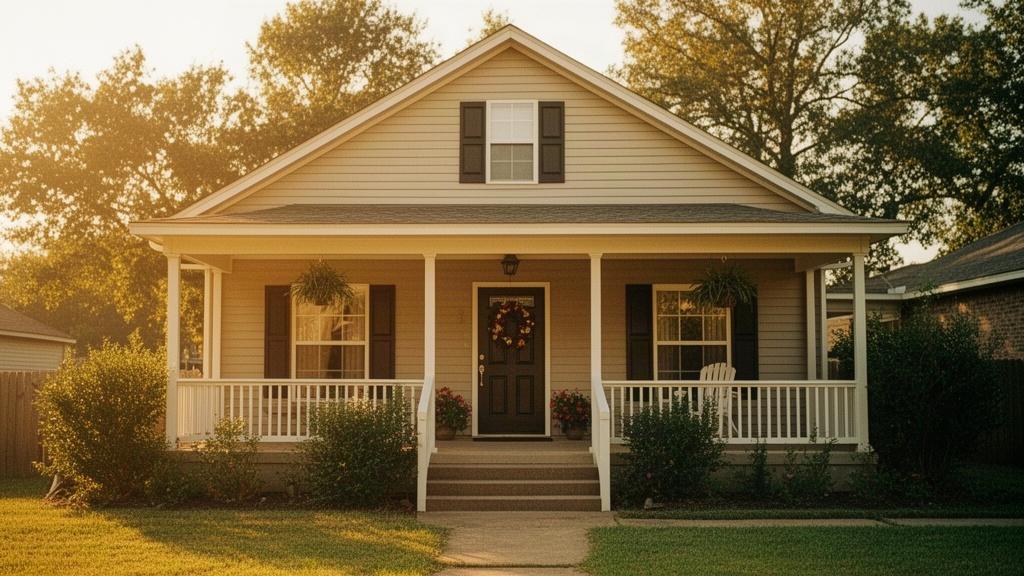
Downsizing in West Lake Hills, Texas is not a simple swap of a big house for a small one. The city sits on roughly 3.5 square miles of Hill Country terrain west of Austin, and its housing stock skews large. Most of the single-family homes here were built between the 1970s and the early 2000s on generous lots, often a quarter acre or more, with square footage that runs from around 2,000 to well above 5,000. Finding a move-in-ready home under 1,800 square feet within the city limits takes patience.
The West Lake Hills Housing Inventory Reality
The inventory of smaller homes in West Lake Hills proper is genuinely limited. The city has fewer than 3,500 total housing units, and homes priced below $1.2 million are uncommon. When a smaller, well-maintained property does come to market, it typically draws multiple offers quickly because demand from downsizers and buyers entering the area competes for the same narrow slice of inventory. That dynamic shapes every decision you need to make, from what to price your current home at to how aggressively to move when you find your next one.
For a broader picture of how inventory and pricing have moved across the market, the West Lake Hills real estate market guide on this site covers current conditions in detail.
What You Are Giving Up and What You Are Gaining
Most West Lake Hills homeowners who are considering a downsize have lived in their current home for ten years or more. That means significant equity, a property tax basis that has grown considerably, and often a mortgage that is nearly or fully paid off. Trading that for a smaller home is not just a lifestyle shift; it is a financial restructuring. The equity you free up can fund retirement, travel, or investment. The tradeoff is giving up square footage, storage, and in some cases the specific lot or view that drew you to West Lake Hills in the first place.
Research from HousingWire notes that many older Americans feel stuck in homes that no longer fit their needs, often because they underestimate how much equity they hold or overestimate how complicated the process will be. In West Lake Hills, where median home values have climbed well past $1.5 million, that equity position is often larger than homeowners realize.
2. Your Options When Downsizing in West Lake Hills, Texas
You have three realistic paths when downsizing in West Lake Hills, Texas, and each carries a different cost structure and lifestyle outcome. The right choice depends on how attached you are to the city itself, what your price target looks like, and how much maintenance you are willing to take on going forward.
Staying in West Lake Hills in a Smaller Home
Staying inside the city limits means keeping the Eanes ISD school district address, the quiet Hill Country streets, and the quick access to Bee Cave Road and Loop 360. You stay close to Westlake High School, the Barton Creek Greenbelt trailheads, and the restaurants and shops along Westbank Drive. The tradeoff is price. Smaller homes in West Lake Hills still carry West Lake Hills price tags. A 1,600 to 2,200 square foot home in the city typically lists somewhere between $1.1 million and $1.8 million in September 2026, depending on the lot, the condition of the home, and the specific street. If your current home is worth $2 million or more, you can still pull meaningful equity out of the transaction even after buying at that level.
Moving to an Adjacent Community
Rollingwood, Bee Cave, Lakeway, and the Barton Creek corridor are the most common landing spots for West Lake Hills downsizers who want to stay on the west side of Austin. Rollingwood sits immediately to the east and offers smaller lots with a similar Hill Country feel; homes there run from roughly $900,000 to $1.6 million for properties in the 1,500 to 2,500 square foot range. Bee Cave and Lakeway offer newer construction, lower price per square foot, and more single-story options, which matters when stairs become a practical concern. Homes in those areas in the 1,800 to 2,400 square foot range currently list in the $700,000 to $1.1 million range, which can free up considerably more equity than staying in West Lake Hills proper.
The commute picture changes modestly. Lakeway is roughly 12 to 15 miles from downtown Austin via RM 620 and Loop 360, compared to West Lake Hills at roughly 5 to 8 miles. In non-peak traffic, that difference is about 10 minutes. During peak hours on Loop 360 or Bee Cave Road, the gap can stretch to 20 to 25 minutes. If commuting is no longer a daily concern, the distance becomes much less relevant.
Considering a Lock-and-Leave Property
Some West Lake Hills homeowners who downsize are also looking for less exterior maintenance and more flexibility to travel. A condo or townhome in the broader Austin area fills that role, though true condo inventory within West Lake Hills itself is nearly nonexistent. The closest concentrations of well-maintained condominium product are in the Barton Hills area, South Lamar, and the 360 corridor near Davenport Village. HOA fees in those communities typically run $300 to $600 per month and cover exterior maintenance, landscaping, and sometimes utilities. That monthly cost needs to factor into your budget comparison against a smaller single-family home with no HOA.
3. The Real Costs of Downsizing in West Lake Hills
The costs of downsizing in West Lake Hills, Texas are higher than most homeowners anticipate because you are running two transactions simultaneously. You are selling a high-value property and buying another one, and every percentage point matters when the numbers are this large.
Selling Costs on Your Current Home
On a $2 million West Lake Hills home, here is a realistic cost breakdown for the sell side of the transaction:
- Agent commissions: Typically 5 to 6 percent of the sale price, or $100,000 to $120,000 on a $2 million sale. Commission structures vary, so confirm the exact arrangement with your agent upfront.
- Pre-sale repairs and staging: Homes in West Lake Hills that have been lived in for 15 or more years often need $15,000 to $40,000 in cosmetic updates and landscaping to compete at the top of the market. Staging a larger home can add another $3,000 to $8,000.
- Title and closing fees: In Texas, the seller typically pays for the owner's title policy. On a $2 million sale, that runs approximately $10,000 to $14,000 depending on the title company.
- Property taxes at closing: Texas property taxes are paid in arrears. You will owe a prorated share of the 2026 tax bill at closing. West Lake Hills properties are taxed through Travis County, and effective rates typically run around 1.7 to 2 percent of appraised value.
- Moving costs: A full-service move from a large West Lake Hills home to a smaller property in the area runs $3,000 to $8,000 for local moves, more if you are moving belongings into storage or out of state.
Buying Costs on Your Next Home
On the buy side, Texas is relatively buyer-friendly in terms of closing costs compared to other states, but the numbers are still meaningful at West Lake Hills price points.
- Lender fees and origination: If you are financing any portion of the purchase, expect lender fees of $2,000 to $5,000 plus any points you choose to buy down. Many downsizers in West Lake Hills pay cash, which eliminates this line entirely.
- Title and escrow fees (buyer's share): Typically $1,500 to $3,500 depending on purchase price and the title company used.
- Home inspection: A thorough inspection on a Hill Country property, including foundation, roof, and HVAC, runs $500 to $900. Older homes in West Lake Hills may warrant additional specialized inspections for septic systems or structural elements.
- Immediate updates to the new home: Even move-in-ready properties often prompt new owners to repaint, update fixtures, or reconfigure spaces. Budget $5,000 to $20,000 as a realistic cushion.
The Hidden Costs Most People Miss
Capital gains exposure is the cost that surprises the most West Lake Hills homeowners. The federal exclusion allows single filers to exclude up to $250,000 in gains and married couples up to $500,000, but homes in West Lake Hills that were purchased in the 1990s or early 2000s have often appreciated by $1 million or more. Any gain above the exclusion threshold is taxable. This is not a reason to avoid downsizing; it is a reason to talk to a CPA before you list.
Texas has no state income tax, which softens the blow compared to downsizing in California or New York. But federal capital gains rates of 15 or 20 percent on the taxable portion of a large gain can represent a six-figure tax bill if you have not planned ahead. A 1031 exchange does not apply to a personal residence, so the primary planning tools are timing the sale around your income in a given tax year and making sure you have documented every capital improvement you have made to the home over the years.
4. Timing Your Downsize in the West Lake Hills Market
Timing is the variable most downsizers in West Lake Hills underestimate. The question is not just when to sell; it is how to sequence selling and buying so you are not temporarily homeless or carrying two properties at once.
Where the Market Stands in September 2026
As of September 2026, the West Lake Hills market remains supply-constrained at the top end and modestly more balanced in the $1.1 to $1.5 million range. Homes priced above $2 million are sitting longer than they did in 2021 and 2022, with average days on market stretching to 45 to 75 days for larger properties. Well-priced homes under $1.5 million are still moving in 20 to 35 days. That gap matters for a downsizer: your larger home may take longer to sell than your target replacement property will stay available.
Spring, specifically March through early June, remains the most active listing season in West Lake Hills. Buyer activity picks up after the new year and peaks before Austin's summer heat sets in. If you are planning a downsize for 2027, the preparation work, meaning repairs, decluttering, and pricing conversations, should begin no later than January. If you want to move in 2026, the fall window from September through November is your next realistic opportunity, with less competition from other sellers but also fewer buyers actively shopping.
Why Timing Both Transactions Together Is Complicated
The core timing problem for downsizers is that you need to sell before you know exactly what you can buy, but you do not want to sell without a clear destination. In West Lake Hills, there are a few ways to bridge that gap. Some sellers negotiate a leaseback from the buyer, allowing them to stay in the home for 30 to 90 days after closing while they find and close on their next property. Others use a bridge loan to purchase the new home before the sale of the current one closes. Bridge loans carry short-term interest costs, typically 7 to 9 percent annualized in the current rate environment, but they eliminate the need to move twice.
A third option is to list contingent on finding a replacement property, though sellers in a competitive market sometimes find that contingency language weakens their negotiating position. The right approach depends on your financial position, your risk tolerance, and the specific market conditions at the time you list. This is exactly the kind of sequencing problem where having an experienced local agent makes a measurable difference in the outcome.
5. Practical Steps to Prepare for Downsizing in West Lake Hills
A successful downsize in West Lake Hills requires preparation that starts months before you list. The homeowners who navigate it most smoothly are the ones who treat it as a multi-step project rather than a single event.
Get a Realistic Price on Your Current Home First
Before you make any decisions about where you are going, you need to know precisely what your current home will sell for in today's market. Online automated valuations are notoriously unreliable in West Lake Hills because the homes are so varied in age, lot size, condition, and view. A comparative market analysis from an agent who has actually sold homes on your street or in your immediate area will give you a number you can plan around. That number drives every other decision: how much equity you have, what you can afford to buy, and whether the math of downsizing works the way you expect it to.
For a detailed look at what the selling process involves from start to finish, the guide on selling a home in West Lake Hills covers pricing strategy, timelines, and what to expect at each stage.
Understand Your Tax Position Before You List
Schedule a meeting with your CPA or tax advisor before you sign a listing agreement, not after. Bring documentation of your original purchase price, every capital improvement you have made, and any depreciation you have claimed if the property was ever used as a rental. Your advisor can calculate your adjusted cost basis, estimate your taxable gain, and identify whether any planning moves, such as timing the closing into a different tax year, could reduce your bill. This conversation often changes the timing of the transaction by weeks or months, and it is far easier to have it before you are under contract.
Declutter Before You Shop
One of the most practical pieces of advice for anyone downsizing in West Lake Hills is to start editing your belongings before you start shopping for your next home. It sounds obvious, but most people do it in the wrong order. They fall in love with a 1,800 square foot home and then realize their furniture does not fit, their garage is full of items they have not touched in years, and the move costs twice what they expected because they are moving things they will ultimately throw away. Walking through a smaller home with a clear sense of what you actually own and what you plan to keep makes the decision process much cleaner.
Forbes has collected advice from real estate agents on this exact point: agents' best tips for buyers who are downsizing consistently emphasize getting honest about possessions early, before the move rather than during it.
If you are weighing whether to keep your proceeds in real estate or deploy them differently, the investment property guide for West Lake Hills is worth reading before you finalize your plans.
FAQ
How long does it typically take to sell a home in West Lake Hills if I am downsizing?
In September 2026, larger homes priced above $2 million in West Lake Hills are averaging 45 to 75 days on market, while well-priced homes in the $1.1 to $1.5 million range are moving in 20 to 35 days. Add 30 to 45 days for the closing process once you are under contract, and you are looking at a total timeline of roughly 2 to 4 months from listing to funded close. Preparation time before listing, including repairs, staging, and photography, typically adds another 3 to 6 weeks. Planning for a 4 to 6 month total process from decision to move-in is realistic for most West Lake Hills downsizers.
Can I avoid capital gains tax when I sell my West Lake Hills home to downsize?
The federal exclusion allows single filers to exclude up to $250,000 in capital gains and married couples filing jointly to exclude up to $500,000, provided they have lived in the home as their primary residence for at least 2 of the last 5 years. Because many West Lake Hills homes have appreciated by $1 million or more since purchase, gains above that exclusion threshold are taxable at federal capital gains rates of 15 or 20 percent depending on your income. Texas has no state income tax, which reduces the total burden compared to many other states, but the federal exposure can still be significant. A CPA who works with real estate transactions can help you calculate your adjusted cost basis, which includes capital improvements, and identify any strategies to reduce the taxable portion before you list.
What is the smallest home I can realistically find in West Lake Hills, Texas?
West Lake Hills housing stock skews large, with most single-family homes ranging from 2,000 to well over 4,000 square feet. Homes under 1,800 square feet within the city limits are uncommon and tend to sell quickly when they do appear. In September 2026, a smaller home in West Lake Hills in the 1,500 to 2,000 square foot range typically lists in the $1.1 to $1.6 million range depending on lot, condition, and location within the city. Downsizers who need more options at smaller sizes often look at adjacent communities like Rollingwood, Bee Cave, or Lakeway, where newer single-story construction is more available and price per square foot is lower.