
← Back to Blog
Market Trends
West Lake Hills, Texas Real Estate Market Guide: Do Most People Actually Use Prices, Neighborhoods and Timing to Make Decisions?
By Crystal Olenbush
AustinRealEstate.com
September 17, 2026 · 10 min read
Most people moving to or within West Lake Hills, Texas say they researched the market, but what they actually used to make their decisions, and what they overlooked, is a different story. This West Lake Hills real estate market guide covers how buyers and sellers genuinely navigate prices, neighborhoods and timing in one of Austin's most distinct communities, and where the gaps in that process tend to cost people money.
1. What Most People Actually Do When Researching West Lake Hills Real Estate
Most buyers start with a portal search and a price filter. They pull up homes in West Lake Hills, set a ceiling somewhere between $1.5 million and $3 million, and begin scrolling. That initial pass is useful for calibrating expectations, but it rarely tells the full story of how this market actually moves.
How Buyers Typically Start
The typical buyer researching West Lake Hills checks listing photos, reads square footage, and compares asking prices to recently sold homes in the same zip code. Most also look at commute times to downtown Austin, which from the western edge of West Lake Hills via Loop 360 to Congress Avenue runs roughly 15 to 25 minutes depending on the hour. That commute factor carries real weight in daily life, and buyers who test the drive at different times of day before making an offer consistently report fewer surprises after closing.
Where the Research Usually Stops
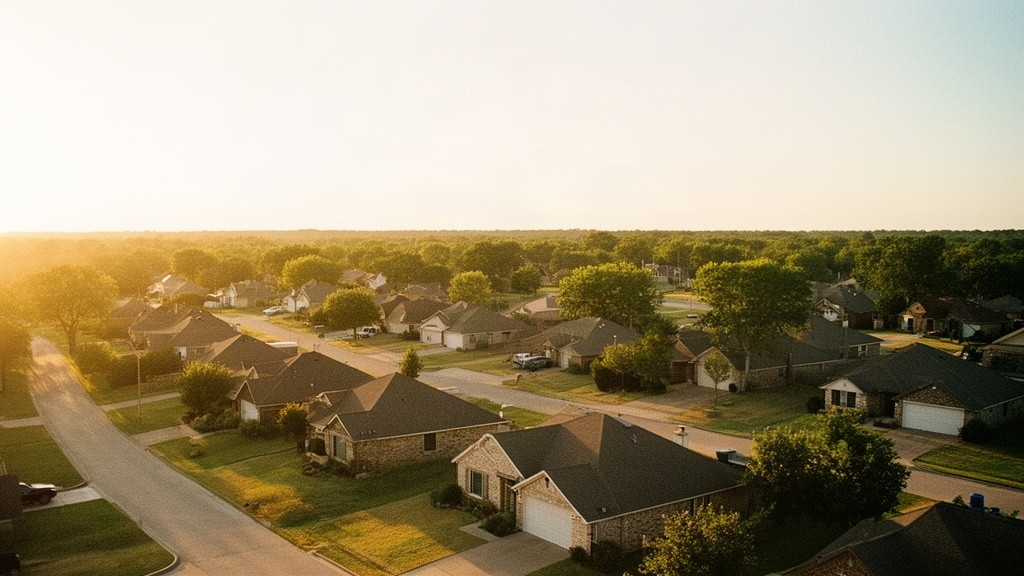
Most people stop researching before they understand the micro-level differences between streets and pockets within West Lake Hills itself. The city covers roughly 3.5 square miles, but the variation in lot topography, tree canopy, driveway grade, and distance to Barton Creek Greenbelt access points creates meaningful price differentiation that a zip-code-level search simply cannot capture. Buyers who skip that layer often overpay for a site they later find difficult to build on or undervalue a flat lot with mature oaks that would cost far more to replicate.
Sellers face a parallel blind spot. Many price their home based on what a neighbor sold for two years ago without accounting for how interest rates, inventory levels, or the condition of their own site have shifted the calculus. The West Lake Hills real estate market guide most people wish they had read earlier is one that explains why two homes on the same street can close $400,000 apart.
2. Understanding Prices in West Lake Hills
Prices in West Lake Hills currently sit in a range that reflects the city's combination of large lots, established tree cover, and direct access to Austin's employment core. Understanding what drives individual sale prices within that range is the part most buyers and sellers underinvest in.
What the Numbers Look Like Right Now
As of September 2026, the median sale price in West Lake Hills is tracking in the $1.8 million to $2.4 million range, with individual transactions spanning from roughly $1.1 million for smaller or dated homes on modest lots to well above $5 million for newer construction on large, flat, view-oriented sites. Forbes noted in a detailed profile of the community that West Lake Hills has drawn buyers specifically seeking large-lot privacy within reach of Austin's urban core, a combination that continues to support price floors even when broader Austin inventory rises. You can read more about that dynamic in this Forbes overview of West Lake Hills.
Days on market currently averages between 30 and 55 days for homes priced accurately for their condition and site. Homes that arrive overpriced relative to comparable closed sales tend to sit longer and ultimately close below where a correctly priced home would have landed, because the West Lake Hills buyer pool is experienced and well-advised.
Why Price Per Square Foot Misleads in This Market
Price per square foot is a useful starting point but a poor finishing tool in West Lake Hills. A 3,200-square-foot home on a flat, usable half-acre lot with a pool and a Hill Country view commands a materially different price than a 3,200-square-foot home on a steeply sloped lot where outdoor living space is limited. Both might show the same price-per-square-foot on a portal, but the underlying value drivers are entirely different.
The same logic applies to lot size. West Lake Hills lots commonly range from a quarter-acre on the smaller end to two-plus acres for estate parcels. A buyer comparing only living area without evaluating the lot, the tree coverage, the driveway grade, and the drainage characteristics is missing the variables that most directly explain why the home is priced where it is. For a deeper look at how lot characteristics specifically affect pricing and sale timelines, see the article on selling homes on large lots in West Lake Hills.
3. How Neighborhoods in West Lake Hills Actually Differ
West Lake Hills is a single incorporated city, not a collection of formally named subdivisions with distinct identities the way some larger communities are. That said, buyers who have spent time here quickly recognize that the experience of living on a ridge above Barton Creek is different from living on a flat street closer to Westlake Drive, and those differences show up in pricing.
Physical Layout and Housing Stock
The housing stock in West Lake Hills spans several decades of construction. Homes built in the 1970s and 1980s tend to be ranch-style or split-level, often on generous lots that were platted before current setback rules tightened. Homes built from the 2000s onward lean toward transitional and contemporary styles, with larger footprints, open floor plans, and more glass to capture the Hill Country views that many ridgeline lots offer. Fully custom new construction continues to appear on infill lots where older structures have been torn down, with those projects typically completing in the $3 million to $6 million range depending on finish level and site work required.
Lot Sizes, Topography and What That Means for Pricing
Topography is one of the most underappreciated pricing variables in West Lake Hills. Steeply sloped lots require more expensive foundation work, limit outdoor entertaining space, and can complicate pool installation. Flat or gently sloping lots with mature live oaks command a premium that buyers from outside the market sometimes find surprising until they experience the alternative. Drainage patterns also matter: properties at the base of slopes can face water management challenges that affect both insurability and livability.
Lot sizes across the city vary considerably. Smaller parcels in the 0.25- to 0.4-acre range are more common near Westlake Drive and the southern portions of the city. Larger parcels of one acre or more tend to cluster in the interior streets and along the ridgelines that look toward Barton Creek. Estate-scale lots of two acres and above are relatively rare and tend to hold value well because the supply is genuinely constrained.
Proximity to Loop 360 and Bee Cave Road
Access to Loop 360 (Capital of Texas Highway) and Bee Cave Road (FM 2244) are the two primary commute arteries for West Lake Hills residents. Homes within a short drive of the Loop 360 and Bee Cave Road intersection offer convenient access to both downtown Austin to the east and the Bee Cave and Lakeway commercial corridors to the west. Buyers who work in the Domain or in North Austin should note that the commute from West Lake Hills to those areas runs 35 to 50 minutes in peak traffic, a meaningful difference from the downtown commute that is worth testing before committing.
The Barton Creek Greenbelt trail system has multiple access points near West Lake Hills, including the Spyglass and Loop 360 entrances, which are within a few minutes of most addresses in the city. Proximity to those access points is a feature buyers consistently mention, and homes that are genuinely walkable to a greenbelt trailhead carry a measurable premium in this market.
4. How Timing Shapes Outcomes in West Lake Hills
Timing in real estate is always relative. In West Lake Hills specifically, timing decisions interact with a small inventory pool, a price-sensitive buyer profile, and seasonal patterns that differ from what you would see in a higher-volume Austin suburb. Understanding those patterns helps both buyers and sellers set realistic expectations.
Seasonal Patterns in This Market
West Lake Hills sees its highest buyer activity from February through May, when families with school-age children are trying to close and settle before the following school year. Listings that come to market in March or April typically see the most competitive interest. The summer months slow somewhat as buyers who needed to move for the school calendar have already closed, though serious buyers who are flexible on timing often find less competition from June through August.
September, which is where the market sits right now, represents a transitional period. Inventory that did not sell over the summer is often repriced in the fall, and new listings that come to market in October and November are sometimes motivated by year-end financial or tax considerations. Buyers who are patient and prepared can find well-priced opportunities in the fourth quarter, though the selection is narrower than in spring.
Interest Rate Sensitivity at This Price Point
A significant share of West Lake Hills transactions are cash or involve large down payments, which insulates the market somewhat from mortgage rate swings. That said, financed buyers at the $1.5 million to $2.5 million price point feel rate changes meaningfully. A one-point shift in the 30-year rate on a $1.8 million home with 20 percent down changes the monthly payment by roughly $1,400, which is enough to shift a buyer's target price band or push them toward an adjustable-rate product. Sellers pricing in that range should monitor rate movements closely because they directly affect the size of the qualified buyer pool.
For buyers considering the luxury segment above $3 million, the timing question is less about rates and more about patience. Inventory at that level in West Lake Hills is thin, often fewer than 10 active listings at any given time, so buyers who wait for the ideal property sometimes wait six to twelve months. Having financing or liquidity confirmed before starting that search is essential.
For more detail on the luxury segment specifically, the article on the West Lake Hills luxury home market covers what buyers should know before making an offer at that price point.
5. What Buyers and Sellers Consistently Get Wrong
Even well-prepared buyers and sellers in West Lake Hills make predictable mistakes. Knowing what those are in advance gives you a real advantage in a market where the margin between a good outcome and a costly one is often a matter of information and timing.
Overweighting Online Estimates
Automated valuation models struggle in West Lake Hills because the market is small and the properties are heterogeneous. A portal estimate for a home in West Lake Hills might be based on a handful of comparable sales, some of which are on very different lot types or in meaningfully different condition. Those estimates can be off by 10 to 20 percent in either direction, which on a $2 million home represents $200,000 to $400,000. Sellers who list based on an automated estimate without a proper comparative market analysis from someone who knows the micro-level differences within the city frequently leave money on the table or sit on the market too long.
Redfin's housing market data for West Lake Hills provides a useful baseline for tracking broad trends, and you can review current figures directly at Redfin's West Lake Hills market page. Use it as a directional reference, not as a substitute for a local comparative market analysis.
Underestimating the Role of Lot Characteristics
Buyers relocating to West Lake Hills from markets where lots are flat and uniform often underestimate how much the site itself contributes to value here. A home with an outdated interior on a flat, private, tree-covered lot can be a better long-term investment than a fully renovated home on a steep, exposed lot with limited outdoor utility. The renovation is predictable in cost; the lot is fixed.
Sellers sometimes make the inverse error: they invest heavily in interior renovations without addressing the site presentation. In a market where buyers are evaluating the lot as carefully as the house, curb appeal, driveway condition, landscape grading, and outdoor living functionality all influence the first impression and the final offer price. A $50,000 kitchen renovation on a home with an overgrown, poorly graded yard may not return as much as $25,000 spent on landscape and hardscape that makes the lot feel usable and intentional.
For sellers thinking through the full preparation and pricing process, the article on selling a home in West Lake Hills covers the timeline and what to expect from listing through closing.
Buyers who want to understand the full picture before making an offer, including how to evaluate a property against the local market rather than just the listing sheet, will find the article on what to know before buying a home in West Lake Hills a useful next step.
FAQ
What is the current median home price in West Lake Hills, Texas?
As of September 2026, the median sale price in West Lake Hills is tracking in the $1.8 million to $2.4 million range, though individual transactions vary significantly based on lot size, topography, condition, and view orientation. Smaller or dated homes on modest lots can close closer to $1.1 million, while newer custom construction on premium sites regularly exceeds $4 million or $5 million. Price per square foot is a useful starting point but does not capture the site-level variables that most directly explain why two homes on the same street can close hundreds of thousands of dollars apart. A local comparative market analysis from an agent who knows the micro-level differences within the city is the most reliable way to understand where a specific property sits in the current market.
When is the best time of year to buy or sell in West Lake Hills?
West Lake Hills sees its strongest buyer activity from February through May, when families trying to settle before the following school year are most active in the market. Sellers who list during that window typically see the most competitive interest and the shortest days on market. The summer months slow somewhat, and the fall, particularly October and November, sometimes brings motivated sellers who are repricing inventory that did not move over the summer or who have year-end financial considerations. Buyers who are flexible on timing and well-prepared financially can find well-priced opportunities in the fourth quarter, though the selection of available homes is narrower than in spring.
How do I research schools near West Lake Hills without relying on third-party rankings?
School research is a personal decision that deserves direct engagement with primary sources rather than third-party ranking sites, which use different methodologies and may reflect data that is one to three years old. The Texas Education Agency publishes campus-level accountability ratings, test score data, and program information at tea.texas.gov, which is the most authoritative source for Texas public school data. The Eanes Independent School District, which serves West Lake Hills, publishes its own curriculum, program, and performance information at eanesisd.net. Visiting campuses directly and speaking with the district's enrollment office gives you current, firsthand information that no ranking site can replicate.