← Back to Blog
Local Living
Marlton NJ Cost of Living: What Relocating Buyers Should Know Before Choosing Between Marlton and Haddonfield
By Dae Jenkins
October 2, 2026 · 11 min read
If you are weighing a move to South Jersey and the Marlton NJ cost of living is on your radar, you are asking exactly the right question before you sign anything. This guide breaks down what you will actually spend on housing, property taxes, transportation, and everyday expenses in Marlton, and it layers in honest context about how nearby Haddonfield fits into the same decision.
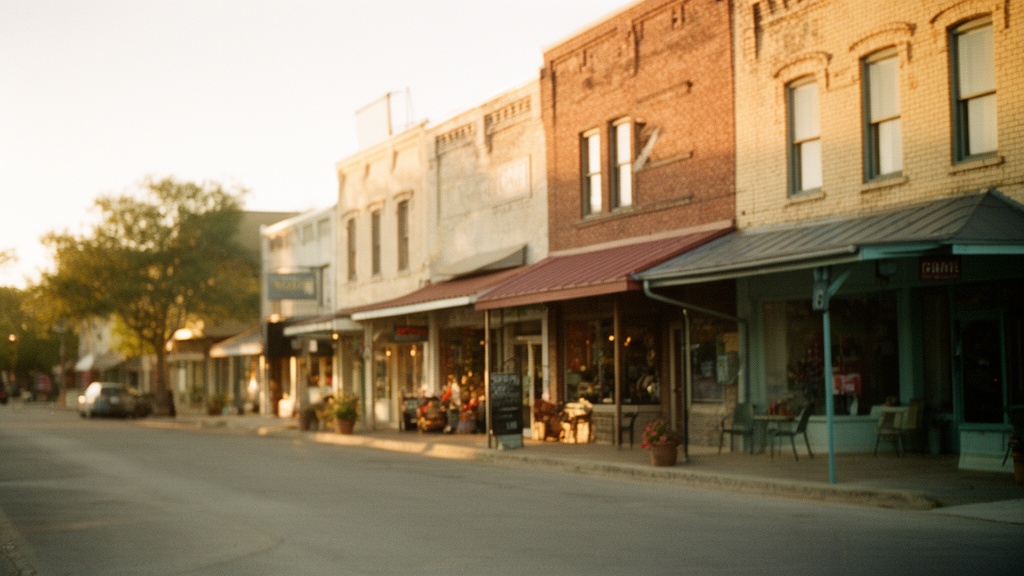
1. What Does It Actually Cost to Live in Marlton, NJ?
The Marlton NJ cost of living runs meaningfully below the national average for housing, while most other expense categories, including groceries, utilities, and healthcare, land close to or slightly above the national midpoint. That combination makes Marlton an appealing target for buyers relocating from higher-cost metros, particularly those coming from Philadelphia, New York, or northern New Jersey. The key is understanding which line items drive the biggest differences before you commit to a neighborhood.
Marlton is an unincorporated community within Evesham Township in Burlington County. That distinction matters for your budget because your property taxes go to Evesham Township, not to a borough government, and the township's tax structure is different from the borough-level tax structure you would encounter in nearby Haddonfield. According to ERI's cost of living index for Marlton, NJ, overall living costs in Marlton sit roughly 10 to 14 percent above the U.S. average when you factor in all categories, but housing specifically comes in well below what you would pay in many comparable New Jersey communities.
Housing Costs in Marlton
Housing is the single largest driver of the Marlton NJ cost of living, and it is where buyers tend to find the most breathing room. As of September 2026, the median home sale price in Marlton sits in the mid-to-upper $300,000s, with a broad inventory mix that includes townhouses and condos in the $250,000 to $330,000 range, colonial and split-level single-family homes in the $350,000 to $500,000 range, and larger four-bedroom colonials that push toward $550,000 and above. Rental rates for a two-bedroom apartment or townhouse run roughly $1,800 to $2,300 per month depending on the complex and finishes.
The housing stock in Marlton is predominantly post-1970 construction. You will find a lot of planned developments with consistent architectural styles: center-hall colonials, bi-levels, and ranches built between the 1970s and early 2000s, plus newer townhome communities that went up in the 2010s near Route 73 and Brick Road. Unlike older communities, most Marlton homes have attached garages, newer HVAC systems, and open floor plans, which can reduce near-term maintenance costs for buyers.
Property Taxes in Evesham Township
Property taxes are a significant line item in any New Jersey budget, and Marlton is no exception. Evesham Township's average effective property tax rate runs in the range of 2.1 to 2.4 percent of assessed value, which on a $400,000 home translates to roughly $8,400 to $9,600 per year. That works out to approximately $700 to $800 per month added to your housing cost, a figure buyers from lower-tax states often underestimate when they first run the numbers.
New Jersey does offer a Homestead Benefit program and a Senior Freeze program for qualifying residents, which can partially offset tax bills. You can verify current eligibility rules and amounts directly through the New Jersey Division of Taxation at nj.gov/treasury/taxation. It is worth checking before you close, not after.
Everyday Expenses: Groceries, Utilities, and Services
Beyond housing, day-to-day costs in Marlton track closely with the broader South Jersey suburban average. Grocery shopping is well-served by a Wegmans on Route 73, a ShopRite on Marlton Pike, and an Aldi nearby, giving residents genuine price-tier options. Utility costs for a typical single-family home, including electric, gas, and water, average between $180 and $260 per month depending on the season and home size. Internet service from major providers in the area runs $60 to $100 per month for standard broadband packages.
Healthcare costs in the Marlton area benefit from proximity to Virtua Health's Marlton campus on Route 73, which keeps routine care accessible without long drives. Childcare rates for full-time center-based care in Evesham Township run roughly $1,400 to $1,900 per month for infants and toddlers, consistent with Burlington County averages. Dining out along Route 73 and the Marlton Crossing and Promenade at Sagemore shopping centers offers a wide range of price points, from fast-casual spots under $15 per person to sit-down restaurants in the $30 to $50 per person range.
2. Marlton Housing Market Conditions in September 2026
Marlton's housing market is competitive right now, and that competitiveness has a direct effect on what the Marlton NJ cost of living actually looks like in practice for buyers. Homes in good condition and priced accurately are moving quickly, often within one to two weeks of listing, which means buyers who are not pre-approved and prepared to act tend to miss out on well-priced properties and end up paying more as inventory tightens.
Median Home Prices Right Now
According to current market data tracked by Redfin's Marlton housing market page, Marlton has seen consistent year-over-year price appreciation, with the median sale price up noticeably from where it stood in September 2025. The market has been one of the more active in the South Jersey region, with Marlton earning attention nationally for its pace of sales and buyer demand relative to available inventory.
For context on just how active this market has been, Marlton was identified as one of the hottest housing markets in the country in 2025, a designation that reflects both the volume of buyer interest and how quickly homes were going under contract. That momentum has carried into 2026, and buyers entering the market this fall should expect to move with intention.
What Your Budget Gets You in Marlton
At the $350,000 to $420,000 price point, buyers in Marlton can typically find a three-bedroom, two-bath colonial or split-level with a one-car garage, a modest backyard, and updated kitchen or bath finishes. At $450,000 to $550,000, the inventory opens up to four-bedroom colonials in established neighborhoods like Marlton Lakes, Heritage, and Stonegate, many of which sit on quarter-acre or larger lots with mature trees. Townhome communities near the Promenade at Sagemore, such as those along Brick Road and Kettle Run Road, offer lower-maintenance options for buyers who want to minimize exterior upkeep.
If you are specifically exploring the condo and townhome segment, the companion article on condos for sale in Marlton, NJ covers that inventory in detail, including which complexes have HOA fees that affect your monthly cost of living calculation.
3. Commuting Costs and Transportation From Marlton
Transportation is a major component of the Marlton NJ cost of living that buyers sometimes undercount when they focus only on the mortgage payment. Marlton is a car-dependent community. There is no train station within the community itself, and the street grid is built around Route 73, Route 70, and the New Jersey Turnpike interchange at Exit 4, which connects to I-295 and the southern approaches to Philadelphia. If your household runs two cars, factor in insurance, fuel, and maintenance on both.
Driving to Philadelphia
The drive from central Marlton to Center City Philadelphia via I-295 North and the Benjamin Franklin Bridge runs approximately 22 to 28 miles and takes 30 to 45 minutes in normal traffic conditions. During morning and evening rush hours, that window can stretch to 55 to 70 minutes depending on bridge congestion and I-295 volume near Cherry Hill. Fuel costs for a five-day commute at current New Jersey gas prices add up to roughly $180 to $240 per month for an average sedan, not counting tolls, which on the Ben Franklin Bridge currently run $5.00 per crossing in the E-ZPass lane.
Buyers who work in Cherry Hill or Mount Laurel have a shorter commute, often under 15 minutes via Route 73 or Marlton Pike. The Route 73 corridor itself has become a significant employment hub, with office parks, medical facilities, and retail headquarters that keep many Marlton residents' commutes entirely within Burlington and Camden counties.
Public Transit Options
Marlton does not have direct PATCO or NJ Transit rail service, which is a meaningful distinction from communities like Haddonfield. NJ Transit bus routes do serve portions of Evesham Township, but service frequency and coverage are limited compared to rail-connected communities. Buyers who want to commute to Philadelphia without driving every day typically drive to a PATCO station in Haddonfield, Woodcrest, or Lindenwold and take the train from there. That adds a park-and-ride step and the cost of a monthly PATCO pass, currently around $86 per month for the Lindenwold to Philadelphia zone, on top of the fuel for the drive to the station.
4. How Haddonfield Fits Into the Same Budget Conversation
Many buyers researching the Marlton NJ cost of living are simultaneously looking at Haddonfield, and the two communities represent genuinely different tradeoffs rather than a simple better-or-worse comparison. Understanding what each community offers at its respective price point helps you allocate your housing budget in a way that matches how you actually live.
Housing Price Differences
Haddonfield's median home sale price in September 2026 sits considerably higher than Marlton's, typically in the $600,000 to $750,000 range for single-family homes, with many properties on Kings Highway and the surrounding historic streets trading well above $800,000. Entry-level options in Haddonfield, including smaller colonials and the borough's limited condo inventory, start closer to $400,000 to $500,000. That price gap between the two communities is real and consistent, and it is the first number most buyers notice when they pull listings side by side.
Haddonfield's property tax rate, set at the borough level within Camden County, is also different from Evesham Township's Burlington County rate. The two counties use different assessment methodologies, and the effective rates per dollar of home value can vary enough to shift your monthly payment by $200 to $400 depending on the specific properties you compare. The Haddonfield real estate market guide covers current price ranges and market conditions in Haddonfield in more detail.
What Haddonfield Offers at a Higher Price Point
Haddonfield is a walkable borough with a historic downtown on Kings Highway, a PATCO train station that puts Philadelphia's 15th and 16th Street stations about 20 minutes away by rail, and a housing stock that includes 18th and 19th century Victorians, Federal-style colonials, and mid-century homes on tree-lined streets. The borough's compact geography means that residents can walk to restaurants, independent shops, the Haddonfield Farmers Market, and the Kings Highway business district without getting in a car. That walkability has a real cost-of-living implication: households that can reduce to one car save $8,000 to $12,000 per year in vehicle ownership costs, which partially offsets the higher home price.
The PATCO Speedline station in Haddonfield, located on Kings Court near Kings Highway, is a significant practical asset for buyers who commute to Philadelphia regularly. A monthly PATCO pass from Haddonfield to Center City runs approximately $78 per month as of September 2026, and the ride takes roughly 22 minutes to 15th-16th Street Station. For buyers who would otherwise drive to Philadelphia five days a week, the math on train commuting from Haddonfield versus driving from Marlton is worth running carefully.
If you are considering a condo or smaller home in Haddonfield specifically, the guide on buying a condo in Haddonfield, New Jersey walks through what that segment of the market looks like, including HOA considerations that affect monthly costs.
5. Making the Right Call for Your Household
Choosing between Marlton and Haddonfield is ultimately a question of which cost structure fits your household's priorities, not which community is objectively better. Both communities offer solid infrastructure, accessible retail and dining, and reasonable proximity to Philadelphia. The differences lie in housing age and style, walkability, transit access, and the price-per-square-foot you pay for those features.
Questions to Ask Before You Decide
Before you anchor on either community, work through a few concrete questions that will sharpen the cost-of-living picture for your specific situation. How many cars does your household run, and would a walkable or transit-connected location let you drop to one? Do you commute to Philadelphia by car, or would rail access change your daily routine meaningfully? Are you buying a home primarily as a long-term residence, or is appreciation potential part of your calculus?
Also consider the age and condition of the housing stock relative to your renovation appetite. Marlton's newer construction typically means lower near-term repair costs but less architectural character. Haddonfield's older homes carry more charm and often more deferred maintenance, and renovation costs in a historic district can run higher than in an unregulated suburban neighborhood because of borough review requirements for exterior changes.
For buyers also considering Cherry Hill as part of this comparison, the article on Cherry Hill NJ homes for sale and what Haddonfield buyers need to know adds another layer to the South Jersey cost-of-living picture.
Working With a Local Expert
The numbers in this guide give you a framework, but the real cost-of-living calculation is specific to the property you buy, the neighborhood block it sits on, and the life you plan to build around it. Dae Jenkins works with buyers across Haddonfield and the surrounding South Jersey communities, including buyers who are weighing Marlton, Cherry Hill, and Evesham Township as part of the same search. Having a single agent who knows the price dynamics across all of these markets means you are not comparing apples to oranges when you sit down to make a decision.
If you are already under contract or actively listing in Haddonfield and want to understand how the current market affects your timing, the guide on Haddonfield's 2026 real estate market prices, neighborhoods, and timing provides current context on what sellers and buyers are experiencing right now.
FAQ
Is the cost of living in Marlton, NJ higher or lower than the national average?
The Marlton NJ cost of living is modestly above the national average when all categories are combined, but housing costs specifically come in below what you would pay in many comparable New Jersey suburban communities. The biggest cost drivers are property taxes, which in Evesham Township run roughly 2.1 to 2.4 percent of assessed value, and transportation, since Marlton is a car-dependent community without direct rail service. Groceries, utilities, and healthcare costs track close to the national midpoint. Buyers relocating from higher-cost metros like New York or Boston typically find Marlton's overall cost of living a noticeable step down.
How much are property taxes in Marlton, NJ compared to Haddonfield?
Property taxes in Marlton fall under Evesham Township in Burlington County, while Haddonfield is a borough in Camden County, and the two counties use different assessment methodologies. In Evesham Township, the effective tax rate runs approximately 2.1 to 2.4 percent of assessed value, translating to roughly $8,400 to $9,600 per year on a $400,000 home. Haddonfield's effective rate is also substantial, and on higher-priced homes the annual tax bill can reach $12,000 to $18,000 or more depending on the assessed value. The best way to compare specific properties is to pull the tax records for each address through the respective county assessor's office, which is publicly accessible online.
Can I commute from Marlton to Philadelphia without a car?
A fully car-free commute from Marlton to Philadelphia is not practical for most residents because Marlton lacks a train station and NJ Transit bus service is limited in frequency and coverage. The most common approach for buyers who want to use rail is to drive to a PATCO Speedline station, with Lindenwold being the closest option at roughly 10 to 15 minutes from central Marlton. From Lindenwold, a PATCO ride to Center City Philadelphia takes approximately 22 to 28 minutes, and a monthly pass runs around $86 as of September 2026. Buyers who commute to Philadelphia daily and want to reduce transportation costs sometimes factor in the PATCO access that walkable communities like Haddonfield offer directly, since it eliminates the drive-to-station step entirely.