

← Back to Blog
Market Trends
Homes for Sale in San Antonio: What Buyers and Sellers Need to Know Right Now
By Dana De Leon
August 20, 2026 · 6 min read
Whether you are searching for homes for sale in San Antonio for the first time or thinking about listing your property, the local market in August 2026 looks very different from what it did even a year ago. Inventory is up, buyer leverage has shifted, and the neighborhoods people are targeting have changed. This guide breaks down what is actually happening in San Antonio real estate right now so you can make a confident, informed move.
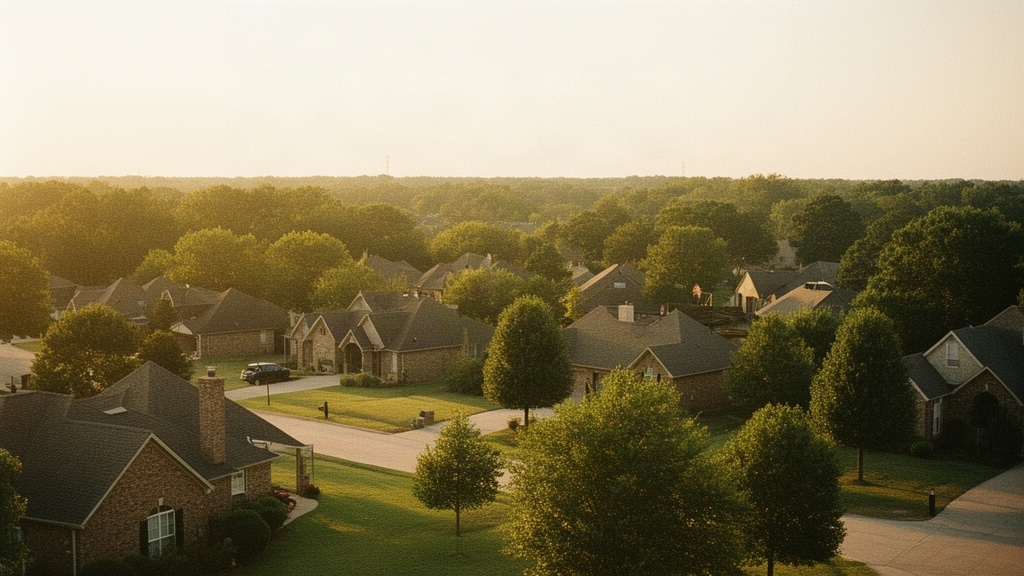
1. The San Antonio Housing Market in August 2026
The market has shifted meaningfully this year. San Antonio has seen a steady increase in active listings throughout 2026, giving buyers more breathing room than they had during the frenzied years of the early pandemic era. If you have been sitting on the sidelines waiting for conditions to improve, the current environment is worth paying close attention to.
More Inventory, More Options
Nationally, active listings surpassed 820,000 in June 2026, reaching a post-pandemic high. According to HousingWire's inventory analysis, this rebound is shifting power toward buyers in many metros, though the impact varies significantly by city. San Antonio falls into the category of markets where buyers are gaining ground, particularly in the mid-range price tiers between $250,000 and $450,000.
Homes are sitting on the market a bit longer than they were in 2023 and 2024, which means buyers have more time to do their due diligence. Multiple-offer situations still happen in desirable pockets, but the days of waiving every contingency just to get a contract accepted are largely behind us in most San Antonio zip codes.
How San Antonio Compares Nationally
San Antonio continues to attract relocating buyers from higher-cost metros like Austin, Dallas, and California cities. The city's relatively affordable price points, strong military presence anchored by Joint Base San Antonio, and growing healthcare and tech sectors keep demand steady even as inventory rises. That combination makes San Antonio a more balanced market than many other Texas cities right now.
A recent ranking of the hottest and coldest housing markets of 2026 highlights how Texas markets are holding their own compared to Sun Belt competitors. San Antonio is not overheating, but it is not cooling dramatically either, which is exactly the kind of stability that long-term homeowners and careful buyers tend to appreciate.
2. Neighborhoods to Explore When Searching Homes for Sale in San Antonio
San Antonio is one of the largest cities in the country by land area, which means the neighborhood you choose will shape your daily life in a big way. Commute times, school districts, proximity to the River Walk or the Pearl District, and even the style of homes available all vary dramatically from one part of the city to another.
North Side: Stone Oak, Shavano Park, and Helotes
The north side of San Antonio remains one of the most active corridors in the city. Stone Oak features master-planned communities with newer construction and easy access to the North Star Mall area. The area is served by the North East Independent School District; buyers are encouraged to confirm which campus a specific address is assigned to by consulting the district directly. Shavano Park and Helotes offer larger lots and a less dense setting while still providing access to major routes leading to downtown and the medical center.
Homes in Stone Oak currently range from the mid-$300,000s to well over $700,000 depending on size and community. Helotes tends to offer more land for the price, which draws buyers who want space for outdoor living, horses, or simply room to breathe.
Central and Inner Loop: Alamo Heights, Olmos Park, and King William
Buyers who want walkability and character may want to explore the inner loop neighborhoods. Alamo Heights is technically its own municipality within Bexar County and is served by the Alamo Heights Independent School District; buyers are encouraged to review the district's own published data directly. The area features tree-lined streets and homes ranging from bungalows to larger single-family properties. Olmos Park sits nearby and offers architecturally distinctive homes, many of them built in the 1920s and 1930s.
King William is San Antonio's oldest historic neighborhood and sits just south of downtown. It offers proximity to the Pearl District, the River Walk, and the city's growing food and arts scene. Inventory here is limited and competition can be stiff when a well-maintained property hits the market.
South and West Side: Southtown, Lackland, and Leon Valley
The south and west sides of San Antonio offer a range of options across different price points. Southtown is a walkable neighborhood adjacent to King William with an active retail and dining corridor and a notable share of rental properties in the housing mix. Lackland and the surrounding communities are located near Joint Base San Antonio, which reduces commute distance for anyone working on or near the base.
Leon Valley offers homes at price points that tend to be lower than comparable properties on the north side, with convenient access to Loop 410 and Highway 151. The area has seen steady appreciation over the past several years.
3. What Buyers Should Know Before Making an Offer
Even in a more balanced market, preparation separates buyers who land the home they want from those who keep losing out. The process of buying a home in San Antonio has specific nuances that are worth understanding before you start touring properties.
Get Pre-Approved Before You Tour
A pre-approval letter from a reputable lender is non-negotiable. Sellers in San Antonio, especially in competitive neighborhoods like Alamo Heights or Stone Oak, will not take an offer seriously without one. Get pre-approved before you attend a single open house so you know your real budget and can move quickly when the right home appears.
Factor In Schools and Commute
San Antonio has multiple independent school districts, and the lines do not always follow intuitive geographic boundaries. North East ISD, Northside ISD, Alamo Heights ISD, and Judson ISD each serve different parts of the metro. Confirm which district and campus a specific address falls within before you fall in love with a home.
Commute times in San Antonio can vary widely. Traffic on Loop 1604, Highway 281, and Interstate 10 during peak hours is a real consideration. If you will be driving to the South Texas Medical Center or downtown daily, test the commute from any neighborhood you are seriously considering.
Understand What Your Budget Covers
San Antonio's property tax rates are among the highest in Texas, which is something relocating buyers often underestimate. Bexar County's effective property tax rate means that a $400,000 home could carry annual taxes of $8,000 or more depending on exemptions and the specific taxing entities for that address. Factor this into your monthly payment calculations from day one so there are no surprises after closing.
4. What Sellers Should Know About Listing Right Now
If you own a home in San Antonio and are considering selling, the current market rewards preparation and honest pricing. The window of buyers overpaying out of desperation has largely closed, but well-prepared homes in the right price range are still moving.
Pricing Accurately Matters More Than Ever
Overpriced homes in San Antonio are sitting and accumulating days on market, which signals weakness to buyers. A comparative market analysis based on recent sales in your specific neighborhood, not city-wide averages, is the foundation of a smart listing strategy. Dana De Leon works with sellers across San Antonio to build pricing strategies grounded in hyper-local data, not guesswork.
Presentation Still Drives Offers
Professional photography, a clean and decluttered interior, and strong curb appeal remain the most reliable ways to generate early interest. Buyers browsing homes for sale in San Antonio online will scroll past a listing with dark, blurry photos regardless of how good the home actually is. First impressions in the digital space are everything, and the listing photos are your home's first handshake with a potential buyer.
Small updates like fresh interior paint in neutral tones, updated light fixtures, and a power-washed driveway can meaningfully shift a buyer's first impression without requiring a major renovation budget. The goal is to present the home in a way that lets buyers picture themselves living there from the moment they walk through the door.
FAQ
Is now a good time to buy a home in San Antonio?
August 2026 presents a more favorable environment for buyers than San Antonio has seen in several years. Inventory is up, homes are spending more time on the market, and sellers are more open to negotiation than they were during the peak competition years. Mortgage rates remain a factor, but buyers who are financially prepared and working with a knowledgeable local agent can find real value right now. A local agent familiar with current conditions can walk you through what is available across different price ranges and parts of the city.
What is the average home price in San Antonio right now?
As of August 2026, the median home price in San Antonio sits in the mid-to-upper $200,000 range, though prices vary considerably by neighborhood. Inner loop areas like Alamo Heights and King William command significantly higher prices, while neighborhoods on the south and west sides offer more entry-level options. New construction communities on the far north side and in suburbs like Converse, Cibolo, and Schertz also offer competitive pricing with modern finishes. A local agent can give you a precise picture of what your budget will realistically get you in the specific areas you are targeting.
How long does it take to buy a home in San Antonio from start to finish?
From the moment you begin seriously searching to the day you close, the typical timeline in San Antonio is 60 to 90 days, though it can move faster or slower depending on your financing situation and the specific property. The search phase varies widely based on how competitive your target neighborhoods are and how quickly you can act when the right home comes up. Once you are under contract, the standard closing period in Texas is typically 30 to 45 days, which includes the option period for inspections, appraisal, and final loan approval. Being pre-approved and working with an agent who knows the San Antonio market well is the most reliable way to keep the process on track.