

← Back to Blog
Buying
First-Time Home Buyer Guide for Austin TX: Steps, Costs and What to Expect
By Dana Epstein
The Boutique Real Estate, eXp Realty · DRE# 634135
September 18, 2026 · 13 min read
Buying your first home in Austin, TX is one of the biggest financial decisions you will make, and the process here has its own specific rhythms, price points and paperwork that differ from what you might read in a generic national guide. This first-time home buyer guide for Austin TX walks you through every stage, from checking your credit score to handing over your earnest money deposit to signing at the title company, with real numbers drawn from the Austin market as it stands right now in September 2026.
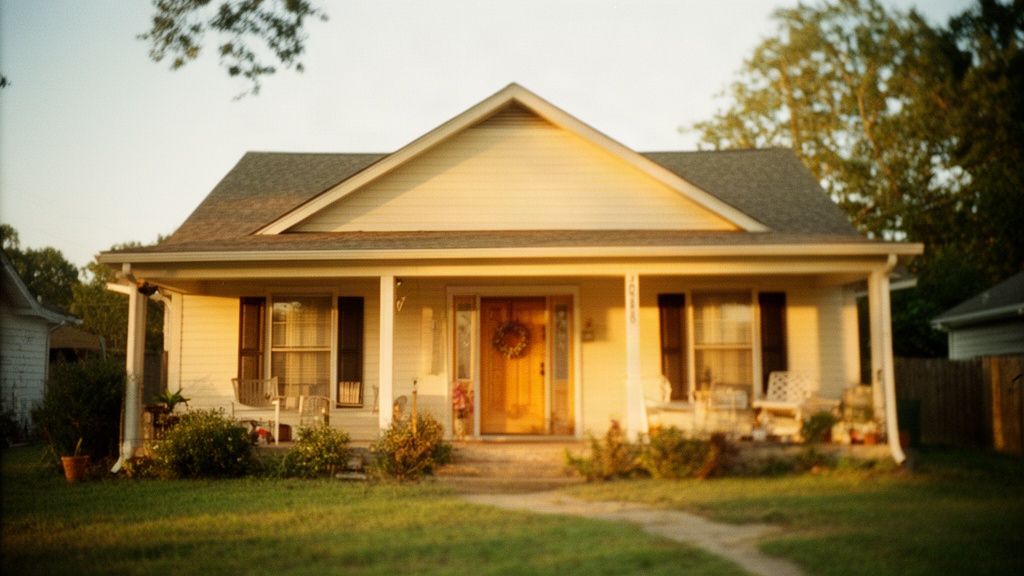
1. What the Austin Market Looks Like for First-Time Buyers Right Now
The Austin market in September 2026 is more accessible than it was at the peak of 2022, but it still demands preparation. Median home prices in the Austin-Round Rock metro area are sitting in the mid-to-upper $400,000s, down from the $550,000-plus highs of a few years ago. That correction has created real openings for first-time buyers who are ready to move decisively.
Where Prices Stand in September 2026
Entry-level condos and townhomes inside Austin's city limits are currently trading roughly between $280,000 and $420,000 depending on location and finish level. Single-family homes in established central neighborhoods like Crestview, Brentwood and St. Johns start around $450,000 and climb quickly from there. If your budget is under $375,000, you will find the most inventory in areas like Pflugerville, Manor, Del Valle and the outer reaches of Southeast Austin, where newer construction is still adding supply.
Mortgage rates in September 2026 remain elevated compared to the historic lows of 2020 and 2021, which means your monthly payment on a $400,000 purchase will be meaningfully higher than it would have been five years ago. Running those numbers with a lender before you start touring homes is essential, not optional.
Why Inventory Matters to You
Austin has seen active inventory rise substantially since 2022, which shifts negotiating leverage toward buyers. Homes are sitting on the market longer than they did during the frenzy years, and price reductions are common across many zip codes. As HousingWire has reported on Austin's current market trends, sellers are increasingly relying on price cuts to attract buyers, which means you have more room to negotiate on both price and concessions than you would have in a tighter market.
That said, well-priced homes in high-demand corridors close to downtown, near the Domain, or along the MoPac and I-35 corridors still attract multiple offers. Knowing which pockets are competitive and which are not is exactly where a local agent's knowledge pays off.
2. Getting Your Finances Ready Before You Search
Financial preparation is the single step that most first-time buyers underinvest in, and it is the one that determines how smoothly everything else goes. Getting your credit, savings and income documentation in order before you contact a lender will save you weeks and, in some cases, thousands of dollars.
Credit Score and Debt-to-Income Basics
For a conventional loan in Texas, most lenders want to see a minimum credit score of 620, though you will get better interest rates with a score of 700 or above. FHA loans allow scores as low as 580 with a 3.5 percent down payment, or as low as 500 with 10 percent down. Pull your free credit reports at AnnualCreditReport.com and dispute any errors before you apply, because fixing a reporting error can take 30 to 60 days.
Your debt-to-income ratio, which lenders call DTI, is the share of your gross monthly income that goes toward all monthly debt payments including the new mortgage. Most conventional lenders cap this at 43 to 45 percent. If you have significant student loans, car payments or credit card balances, paying some of those down before applying can open up more borrowing room.
How Much Cash You Actually Need
The down payment is only part of the cash picture. On a $400,000 Austin home, here is a realistic cash-to-close breakdown using a conventional loan with 5 percent down:
- Down payment (5%): $20,000
- Closing costs (2 to 3% of purchase price): $8,000 to $12,000, covering lender fees, title insurance, escrow setup and prepaid interest
- Earnest money deposit: Typically 1% of the purchase price in Austin, or $4,000, paid upfront and credited toward closing
- Option fee: Usually $200 to $500 in the Austin market, paid directly to the seller for the right to terminate during the option period
- Home inspection: $400 to $600 for a standard single-family home in Austin, paid out of pocket at the time of inspection
- Cash reserves: Most lenders want to see 2 to 3 months of mortgage payments in your bank account after closing
All told, plan to have $35,000 to $40,000 liquid before you make an offer on a $400,000 home. Sellers in Austin can sometimes be negotiated into covering a portion of closing costs, particularly in zip codes where inventory is high, but you cannot count on that going in.
3. Texas and Austin Loan Programs First-Time Buyers Should Know
Texas offers several assistance programs that can significantly reduce the upfront cost of buying your first home, and many Austin buyers leave this money on the table simply because they did not know to ask. These programs are income-limited and have purchase price caps, so they are most relevant for buyers in the sub-$400,000 range.
Texas State Affordable Housing Corporation Programs
The Texas State Affordable Housing Corporation, known as TSAHC, offers two main programs for first-time buyers: the Home Sweet Texas Home Loan Program and the Homes for Texas Heroes program. Both provide down payment assistance of up to 5 percent of the loan amount, either as a grant (which does not need to be repaid) or as a forgivable second lien. The Homes for Texas Heroes program is specifically for teachers, law enforcement officers, firefighters, EMS personnel and veterans. Forbes Advisor's breakdown of Texas first-time homebuyer programs is a solid starting point for understanding income limits and eligibility requirements before you speak to a lender.
The Texas Department of Housing and Community Affairs, or TDHCA, runs the My First Texas Home program, which pairs a 30-year fixed-rate mortgage at a below-market interest rate with up to 5 percent down payment and closing cost assistance. Income limits for Travis County in 2026 allow a single buyer to earn up to roughly $90,000 and still qualify, though those figures are updated periodically so confirm current limits with a TDHCA-approved lender.
FHA, VA and Conventional Options in Austin
FHA loans are the most common choice for first-time buyers in Austin who have limited savings or a credit score below 700. The 3.5 percent minimum down payment on a $380,000 home is $13,300, which is far more reachable than a conventional 20 percent down payment. The trade-off is mortgage insurance, which adds to your monthly payment for the life of the loan unless you refinance.
If you are a veteran or active-duty service member, a VA loan is worth prioritizing. VA loans require no down payment, no private mortgage insurance and have competitive interest rates. Austin has a significant military-connected population given its proximity to Fort Cavazos (formerly Fort Hood), roughly 65 miles north via I-35, and many local lenders have deep experience processing VA loans quickly.
Conventional loans with 3 percent down, such as Fannie Mae's HomeReady or Freddie Mac's Home Possible programs, are worth exploring if your credit score is above 680 and your income is at or below the area median income for Travis County. These programs also allow gift funds for the down payment, which matters for buyers receiving family help.
4. The Step-by-Step Buying Process in Austin TX
The Texas purchase contract has several features that differ from other states, particularly around the option period and title process. Understanding the sequence before you start touring homes will keep you from being caught off guard when timelines compress.
Pre-Approval to Offer
Start with a full pre-approval, not a pre-qualification. A pre-approval means the lender has reviewed your W-2s, tax returns, pay stubs and bank statements and issued a conditional commitment. Sellers in Austin, even in a slower market, will not take an offer seriously without one. The pre-approval process typically takes three to seven business days if you have your documents organized.
Once you find a home you want to offer on, your agent will prepare a Texas TREC One to Four Family Residential Contract. Key numbers to negotiate include the purchase price, the earnest money amount, the option fee and option period length, any seller concessions toward closing costs, and the closing date. In the current Austin market, asking for two to three percent in seller concessions toward closing costs is often reasonable, particularly on homes that have been listed for more than 30 days.
Option Period, Inspection and Appraisal
The option period is one of the most buyer-friendly features of the Texas contract. Once the seller accepts your offer, you pay the option fee (typically a few hundred dollars) and gain an unrestricted right to terminate the contract for any reason during the option period, which is usually five to ten days. This is your window to complete inspections, review disclosures and decide whether to proceed.
Schedule your home inspection immediately after going under contract. Austin's housing stock ranges from 1950s pier-and-beam bungalows in areas like Hyde Park and Bouldin Creek to 2010s wood-frame construction in newer master-planned communities in Hutto and Kyle. Older homes often have deferred maintenance items like aging electrical panels, cast iron drain lines and original single-pane windows. A thorough inspection report gives you leverage to request repairs or a price reduction before the option period expires.
The appraisal is ordered by your lender after the option period, typically during week two or three of the contract. If the appraisal comes in below the purchase price, you have several options: negotiate the price down with the seller, pay the difference in cash, or walk away. In the current market, appraisal gaps are less common than they were in 2021 and 2022, but they still occur on competitively priced properties.
Closing Day in Texas
Texas closings are handled by a title company, not an attorney (unlike some other states). You will sign your loan documents at the title company's office, and the title company acts as a neutral third party handling the exchange of funds and recording the deed. Closings in the Austin area typically take 30 to 45 days from executed contract to closing, though some lenders can move faster with a complete file.
Bring a government-issued ID and be prepared to wire your closing funds or bring a cashier's check. Personal checks are not accepted. You will receive your Closing Disclosure at least three business days before your closing date, which gives you time to review every line item before you sit down to sign.
5. Choosing Where to Buy in Austin: What to Consider
Austin's geography and price landscape vary significantly across the metro, and where you buy will shape your commute, your property tax bill and your equity trajectory over time. Rather than steering you toward any particular area, this section lays out the factual trade-offs so you can decide what matters most to your household.
Central and Near-Central Austin
Neighborhoods within five miles of downtown Austin, such as South Lamar, Cherrywood, Rosedale and Mueller, offer walkability, proximity to Lady Bird Lake and Town Lake hike-and-bike trails, and quick access to major employers along the Congress Avenue corridor and the UT campus area. Median prices in these areas currently range from the mid-$500,000s to well over $700,000 for single-family homes, putting them out of reach for many first-time buyers on a conventional budget.
Condos and smaller townhomes in central Austin, particularly along South Congress and in the Zilker and Travis Heights areas, can bring entry prices into the $300,000 to $450,000 range. If you are considering a condo, review the HOA financials and reserve fund carefully, as older Austin condo buildings sometimes carry deferred maintenance costs that get passed to owners through special assessments. You can read more about the South Congress corridor specifically in the South Congress Austin Real Estate Market Guide.
The Suburbs and Surrounding Cities
Round Rock, Cedar Park, Leander, Pflugerville, Manor and Kyle all offer newer housing stock at lower price points than central Austin. A 2,000-square-foot single-family home in Pflugerville or Manor can be found in the $320,000 to $390,000 range in September 2026. These cities have added significant retail, dining and park infrastructure over the past decade, and the MetroRail Red Line connects Leander to downtown Austin in roughly 50 to 60 minutes.
Property tax rates in the suburbs can be higher than inside Austin city limits, sometimes topping 2.5 percent of assessed value annually, because suburban municipal utility districts (MUDs) layer additional tax assessments on top of county and school district taxes. On a $360,000 home in a MUD, that could add $1,000 or more per year compared to a comparable home inside Austin city limits. Always ask for the specific tax rate for any address before you make an offer.
If you are relocating to Austin from another state and still figuring out which part of the metro fits your lifestyle, the Relocating to Austin TX guide covers neighborhood characteristics, commute times and cost comparisons in more depth.
6. Costs First-Time Buyers Often Underestimate
The purchase price is just the beginning of what you will spend in the first year of homeownership in Austin. Several ongoing and one-time costs catch first-time buyers off guard, and budgeting for them in advance will keep you from financial stress after closing.
Closing Costs Breakdown
- Lender origination fee: 0.5 to 1% of the loan amount, or roughly $1,800 to $3,800 on a $380,000 loan
- Title insurance (owner's policy): In Texas, the buyer typically pays for the owner's title policy; on a $400,000 home this runs approximately $2,000 to $2,500
- Lender's title policy: Required by the lender, usually $400 to $700 on top of the owner's policy
- Escrow setup and prepaid items: Covers the first year of homeowners insurance paid upfront plus two to three months of property tax and insurance impounds, often $3,000 to $5,000
- Survey: Texas lenders require a current survey; if the seller does not have one, a new survey runs $500 to $700
- Recording fees: Travis County recording fees are typically $100 to $200
Ongoing Ownership Costs Specific to Austin
Homeowners insurance in Central Texas is higher than the national average because of hail risk, severe storm exposure and, in some areas, wildfire risk in the Hill Country interface zones west of Austin. Annual premiums for a standard single-family home in Austin currently range from about $2,400 to $4,500 depending on age, construction type and location. Homes built before 1980 with older roofs can push toward the higher end or face coverage limitations.
Austin's summer heat is extreme: July and August regularly see temperatures above 100 degrees Fahrenheit, and HVAC systems work hard. Budget $150 to $250 per month for electricity during peak summer months, and factor in the cost of replacing an aging HVAC unit (typically $6,000 to $12,000 for a full system) if the home you are buying has equipment that is more than 12 to 15 years old. A thorough inspection will flag this.
Texas has no state income tax, which is a meaningful financial advantage for buyers relocating from states like California, New York or Illinois. That benefit is partially offset by higher property tax rates: Travis County's effective rate for 2026 is approximately 1.8 to 2.0 percent of assessed value for homes inside Austin city limits. On a $420,000 home, that is roughly $7,500 to $8,400 per year, or about $625 to $700 per month added to your PITI payment.
Texas does offer a homestead exemption that reduces your assessed value for property tax purposes. Once you close and establish the home as your primary residence, file for the homestead exemption with Travis County Appraisal District (TCAD). The general homestead exemption removes $100,000 from your assessed value for school district taxes, which can save you $1,000 or more annually. You can file online at tcad.org.
FAQ
How long does it take to buy a home in Austin TX as a first-time buyer?
From the moment you start your pre-approval to the day you get your keys, the typical timeline for a first-time buyer in Austin is 60 to 90 days. Pre-approval takes about one to two weeks if your financial documents are organized. Home search can take anywhere from two weeks to several months depending on your budget and how specific your criteria are. Once you are under contract, the closing period in Austin is typically 30 to 45 days. Buyers using down payment assistance programs from TSAHC or TDHCA should budget closer to 45 to 50 days for closing because those programs add a layer of processing time.
Do first-time buyers in Austin pay a real estate agent commission?
As of 2024, the way buyer's agent compensation works in Texas changed following the National Association of Realtors settlement. Buyers are now required to sign a written buyer representation agreement that spells out the buyer's agent compensation before touring homes. In practice, many sellers in Austin are still offering to cover the buyer's agent fee as a concession, particularly in the current buyer-friendly market. Your agent should walk you through the compensation agreement before your first showing so you understand exactly how they are being paid and what you may owe out of pocket if the seller does not cover it.
What credit score do I need to buy a home in Austin TX?
The minimum credit score depends on the loan type you use. FHA loans allow scores as low as 580 with 3.5 percent down, while conventional loans generally require at least 620. To access the best interest rates available in the Austin market right now, a score of 700 or above is where you want to be. If your score is below 620, spending three to six months paying down revolving debt and disputing any reporting errors can make a significant difference before you apply. Some Texas down payment assistance programs, including TSAHC's, require a minimum score of 620 regardless of loan type, so check program-specific requirements with a participating lender.