← Back to Blog
Market Trends
Las Vegas, Nevada real estate market guide: prices, neighborhoods and timing
By Daniel Bessent, Real Estate Specialist
Huntington & Ellis · DRE# 174073
October 10, 2026 · 5 min read
This Las Vegas, Nevada real estate market guide: prices, neighborhoods and timing explains local price ranges, the types of housing stock across neighborhoods, and practical timing steps for buyers and sellers. Read on for specific commute times, amenities, and actionable checklists to use when you shop or list in Las Vegas.
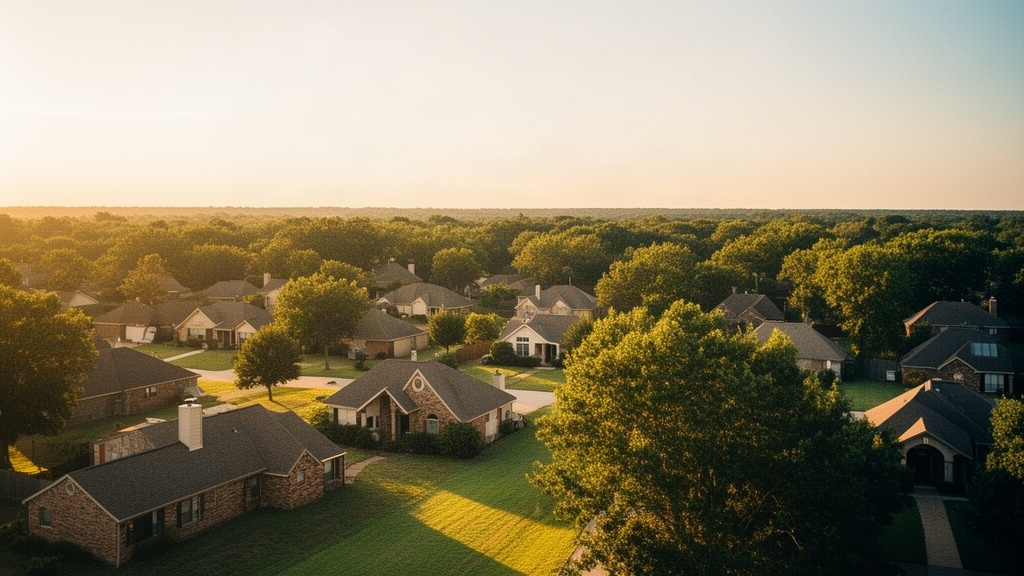
1. Overview of Price Ranges and Housing Types
Start with a snapshot. Las Vegas has a wide range of home prices from entry-level condos near the Strip to multimillion dollar estates in gated communities; understanding typical price bands helps you narrow your search or set a list price.
Median and typical price bands
Median price ranges vary by neighborhood. Across the Las Vegas valley you will commonly see condos and townhomes priced from well under $200,000 in older central locations to $300,000 and up in newer northwest and south suburbs; single family homes commonly range from about $350,000 in older subdivisions to $700,000 in areas like parts of Summerlin and higher in luxury gated communities.
Common housing stock by area
Types of homes change across the valley. The east valley and Henderson feature many single family subdivisions on larger lots, Greens and planned communities with pools and HOA amenities; the northwest, including Summerlin, offers newer master planned neighborhoods, midrise condos and some higher density infill; central Las Vegas and downtown include smaller bungalows, converted flats, and low rise condos close to Fremont Street and the Arts District.
2. Neighborhoods and What You Can Expect
Neighborhood features are physical, not prescriptive. Below are specific neighborhoods, their housing types, landmarks and amenities so you can compare features rather than opinions.
Strip corridor and downtown
What to expect along the Strip and downtown. The Strip corridor has high rise condos and short-term rental oriented properties, while Downtown Las Vegas and the Arts District feature smaller lots, historic homes, and walkable commercial strips around Fremont Street and 7th Street. Transit access and proximity to entertainment venues are distinguishing features here.
Northwest and west valley
Northwest neighborhoods offer newer tract homes and planned communities. Areas like Summerlin include parks, trail systems, and proximity to Red Rock Canyon; west valley pockets contain older established subdivisions with larger lots and single story homes. HOA presence and community amenities vary significantly block to block.
Summerlin, Henderson, and Green Valley
Suburban nodes differ in lot size and amenities. Summerlin has mixed housing from condos to large estates and an extensive park and trail network; Henderson and Green Valley provide family-sized floor plans, community pools, and shopping centers such as The District at Green Valley Ranch. Schools and municipal services are run by separate jurisdictions and have publicly available data you can check directly.
3. Commute, Amenities and Local Infrastructure
Commute distances and transit options matter. Las Vegas is spread out, so plan by driving distances and typical travel times on the Strip, to downtown, and to major employment centers rather than by miles alone.
Average commute distances
Typical commute examples. Driving from Summerlin to the Strip or downtown is commonly 12 to 20 miles depending on route and traffic, from Henderson to the Strip is about 13 to 18 miles, and from northwest neighborhoods to UNLV is about 15 to 25 miles. Check real time routes on local traffic apps before making a decision.
Parks, schools and transit options
Local amenities are tangible and mappable. Red Rock Canyon, Springs Preserve, and dozens of neighborhood parks are physical landmarks; the RTC bus network covers main corridors and the Loop transit project influences some commute routes. For school information and performance metrics check the Nevada Department of Education and district sites directly.
4. Timing: Steps for Buyers and Sellers in Las Vegas
Timing is a process, not a prediction. Use clear steps tailored to Las Vegas to prepare your finances, inspections and negotiations instead of relying on broad market statements.
Checklist for buyers
Key buyer steps. Get preapproved by a local lender familiar with Nevada lending rules; map comparable sales within a half mile and 12 months for the exact subdivision; budget for HOA fees where applicable; schedule inspections that cover desert-related issues like pool equipment and irrigation systems.
- Preapproval: Obtain a mortgage preapproval from a lender licensed in Nevada.
- Comparables: Pull three sold comps in the same subdivision from the last 12 months.
- HOA and fees: Request the HOA profile and recent meeting minutes if applicable.
- Inspections: Include pool, roof, and HVAC checks given desert climate effects.
Checklist for sellers
Key seller steps. Order a pre-list inspection to find and fix mechanical items, get a recent market analysis with comps from your subdivision, prepare HOA documents and disclosures early, and set clear staging and photography plans to show desert landscaping and outdoor living areas.
- Pre-list inspection: Identify repairs that affect buyer confidence.
- Comparable market analysis: Use solds in the same tract for pricing.
- Marketing plan: Highlight outdoor spaces, pool condition, and solar if present.
5. How to Verify Local Market Data
Check primary data sources yourself. Rather than relying on impressions, pull the same records an appraiser or lender would use so you can verify pricing and days on market.
Which comparable sales to pull
Exact comparables matter. Pull at least three sold properties within the same subdivision or within a half mile, with the same bed and bath count and within 10 percent of square footage, closed within the last 12 months. Note any differences in lot size, upgrades, and whether the sale was an REO or short sale.
Local data sources to check
Industry perspective reference. For context on luxury listings and investment interest, reputable business coverage details why Las Vegas attracts high-end buyers and developers.
Additional data portal. Realtor.com maintains a Las Vegas market and rental trends page where you can check inventory and rent movement for the region.
FAQ
What are typical HOA fees in Las Vegas neighborhoods?
HOA fees vary widely. Condo associations near the Strip often charge several hundred dollars per month including exterior maintenance; single family neighborhoods can range from under $100 per month for limited services to several hundred for gated communities with pools and security. Always request the HOA budget, recent special assessments and minutes before making an offer.
How do I choose comparables in Las Vegas?
Choose sold properties in the same subdivision when possible, within a half mile, similar square footage within 10 percent, and closed within the past 12 months. Adjust for notable differences like lot size, pool, solar, or recent remodels, and record those adjustments for an accurate pricing picture.
Should I worry about desert climate when inspecting a home?
Yes, include systems affected by the desert climate in inspections. Ask inspectors to check pool equipment, cooling systems, irrigation controllers, roof condition under intense sun, and exterior finishes that can degrade from UV exposure. These items commonly affect maintenance budgets.