← Back to Blog
Market Trends
Lompoc, California Real Estate Market Guide: Prices, Neighborhoods and Timing
By Daniel Escobar
My Clear Path Homes Loans · DRE# 1468384
September 2, 2026 · 11 min read
Whether you are buying your first home, selling a property you have owned for years, or relocating to the Santa Ynez Valley foothills from somewhere else entirely, this Lompoc, California real estate market guide covers what you actually need to know: current prices, what the housing stock looks like across different parts of the city, how commutes work, and how to read the market calendar so your timing works in your favor.
1. What the Lompoc Housing Market Looks Like Right Now
Lompoc sits in its own pricing pocket on the Central Coast. While Santa Barbara County as a whole carries some of the highest median home prices in California, Lompoc has historically offered a meaningful discount relative to the coast, making it one of the few places in the county where a median-income household can still realistically purchase a single-family home.
Where Prices Stand in September 2026
As of September 2026, the median sale price for a single-family home in Lompoc is tracking in the low-to-mid $500,000s, with condominiums and attached townhomes generally ranging from the high $200,000s to the low $400,000s depending on size, condition, and location within the city. Entry-level detached homes, typically three-bedroom properties built between the 1960s and 1980s, are concentrated in the $420,000 to $510,000 range. Newer construction and upgraded properties on larger lots push closer to $600,000 and above. You can track current movement on the Lompoc housing market page on Redfin, which updates with recent sale prices and days-on-market data.
Price per square foot in Lompoc currently runs roughly $280 to $340 for most single-family homes, though that figure rises for recently remodeled properties with modern kitchens, updated HVAC systems, and larger lot sizes. Homes with views toward the Santa Ynez Mountains or backing up to open space tend to command a premium at the top of that range.
How Inventory Has Shifted
Inventory in Lompoc has loosened somewhat compared to the tight conditions of 2022 and 2023, but the market is not flooded. Active listings as of this month are running at a level that gives buyers a bit more time to make decisions than they had two years ago, though well-priced homes in move-in condition still attract multiple offers within the first week or two. Homes that sit beyond 30 days are typically priced above market or carry deferred maintenance the seller has not addressed.
For a broader look at how current conditions compare to recent years, the Lompoc market trends page on Zillow provides a historical price chart that goes back several years, which is useful context for both buyers and sellers trying to understand the trajectory.
If you want a deeper read on current conditions, the article How Is the Housing Market in Lompoc, California Doing Right Now, and Are Prices Going Up or Down? covers month-by-month movement in more detail.
2. Lompoc Neighborhoods: Housing Stock, Prices and What You Will Find
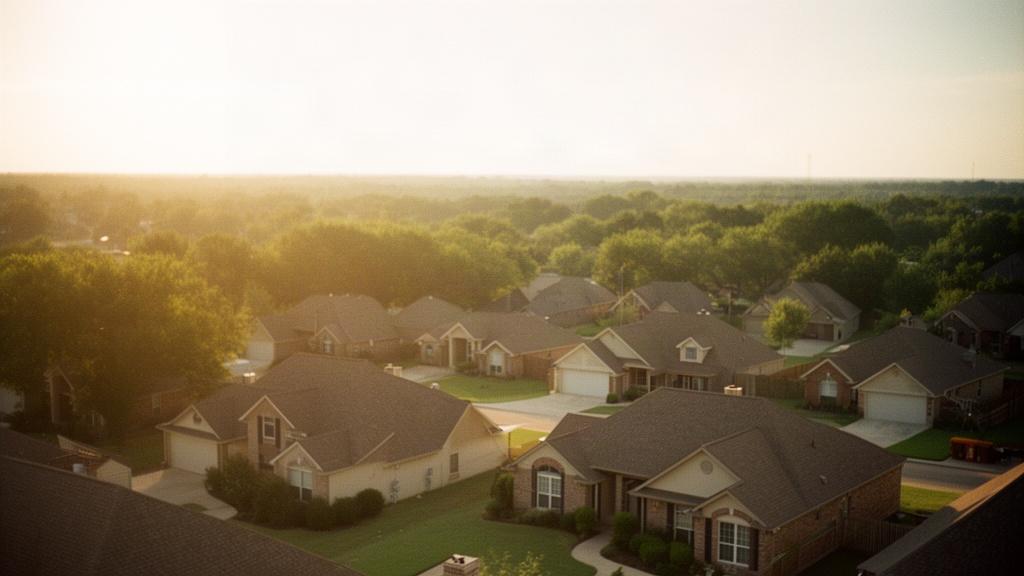
Lompoc covers roughly 12 square miles and is divided into distinct pockets that differ noticeably in age of housing stock, lot sizes, and price points. Understanding what each area physically offers helps buyers narrow their search and helps sellers set realistic expectations about how their property compares to others on the market.
Central Lompoc and the Historic Core
The central part of Lompoc, anchored by H Street and Ocean Avenue, contains a mix of Craftsman bungalows, Spanish Colonial Revival homes, and mid-century ranches built primarily between the 1920s and 1960s. Lot sizes in this area tend to be modest, typically 5,000 to 7,000 square feet, and homes often sit close to the street with mature trees lining the blocks. Prices here generally run from the low $400,000s for smaller fixer-uppers to the mid-$500,000s for updated properties with good curb appeal.
This part of the city is within walking distance of Lompoc's downtown corridor, including the Lompoc Museum, the historic Civic Auditorium, and the concentration of murals that have made Lompoc known as the City of Murals. The Lompoc Valley Medical Center is also centrally located, which matters for buyers who prioritize proximity to healthcare.
North Lompoc and Vandenberg Village
North Lompoc and the adjacent Vandenberg Village community sit closest to Vandenberg Space Force Base. Housing stock here skews toward post-1970s construction, with a higher proportion of three and four-bedroom single-family homes on lots ranging from 6,000 to 10,000 square feet. Many of these homes were built to accommodate military families and are laid out with practical floor plans: attached two-car garages, open living areas, and yards large enough for outdoor use.
Prices in north Lompoc and Vandenberg Village currently range from the mid-$400,000s to the low $600,000s. The Village itself has its own commercial strip along Village Drive with grocery options, restaurants, and services, which means residents can handle daily errands without driving into central Lompoc. The proximity to the base gate on Highway 1 is a practical consideration for anyone working on or contracting with Vandenberg.
South Lompoc and the Beattie Park Area
South Lompoc contains some of the city's most affordable inventory, with a concentration of smaller homes and duplexes built in the 1950s through 1970s. Entry-level buyers often find their first opportunity here, with detached homes occasionally available in the high $300,000s to low $400,000s, though updated properties push higher. Beattie Park itself is a large green space with ball fields, a community pool, and picnic areas, and it anchors the southern residential streets around it.
Buyers in this area should budget for potential deferred maintenance on older homes, particularly roofing, plumbing, and electrical systems. A thorough inspection is especially important here. Sellers with updated properties in this pocket often find they attract strong interest from first-time buyers who have been priced out of north Lompoc.
Rosamond and the Eastern Edges
The eastern edges of the Lompoc Valley, including areas near the Santa Rita Hills wine country corridor along Highway 246, offer a different character entirely. Rural residential parcels, horse properties, and larger lots ranging from half an acre to several acres are available here, often at price points that reflect the land value more than the structure itself. Buyers looking for space, agricultural zoning, or proximity to the wine trail through Buellton and Solvang will find options in this direction that simply do not exist within the city limits.
3. Commutes, Amenities and What Living in Lompoc Actually Involves
Location within Santa Barbara County shapes your daily life in specific ways. Lompoc is not a suburb of Santa Barbara in the traditional sense; it is its own city with its own employment base, and the drives to other Central Coast hubs are longer than many buyers expect.
Getting to Santa Barbara, San Luis Obispo and Beyond
Lompoc to downtown Santa Barbara runs approximately 40 miles via Highway 1 through Gaviota, a drive that takes roughly 55 to 75 minutes depending on traffic and whether Highway 1 is clear through the canyon. The alternative route through Buellton and Highway 101 adds mileage but can be faster during peak hours. Lompoc to San Luis Obispo is about 55 miles north on Highway 1 and 101, typically a 60 to 80 minute drive. Buyers who commute to either city should factor this into their daily schedule before committing.
Vandenberg Space Force Base is the dominant local employer, and for those who work on base, commute times from most Lompoc neighborhoods range from 5 to 20 minutes depending on which gate you use and where you live within the city. The Santa Ynez Valley communities of Buellton and Solvang are about 20 to 25 minutes east on Highway 246, which gives Lompoc residents reasonable access to the wine country corridor without living in it.
Parks, Outdoor Space and Local Landmarks
Lompoc is surrounded by open space in a way that few California cities its size can match. The La Purisima Mission State Historic Park sits about four miles northeast of the city center and covers over 2,000 acres, including the most completely restored of California's 21 missions and miles of hiking trails through rolling hills and native oak woodland. River Park along the Santa Ynez River offers additional trail access, bird watching, and open space within city limits.
The Lompoc Valley is also known for its commercial flower seed fields, which bloom in spring and early summer and turn the agricultural land surrounding the city into a patchwork of color visible from residential streets on the valley floor. Ocean Beach County Park and the Jalama Beach County Park are both accessible within 30 to 45 minutes, giving residents access to relatively uncrowded Pacific coastline that is far less developed than beaches closer to Santa Barbara.
Shopping, Services and Everyday Logistics
Lompoc has a Walmart Supercenter, a Target, and a Vons grocery store, along with a number of locally owned businesses along H Street. For larger retail needs, Buellton and Santa Maria are the nearest secondary options, both within 30 to 40 minutes. Specialty medical care and hospital services beyond what Lompoc Valley Medical Center provides typically require a trip to Santa Barbara or San Luis Obispo. Buyers relocating from larger metro areas should calibrate their expectations accordingly: Lompoc handles everyday needs well, but it is not a major retail hub.
4. Timing the Lompoc Market: When to Buy and When to Sell
Timing in Lompoc follows some of the same seasonal rhythms as other California markets, but the military influence from Vandenberg creates patterns you will not see in purely civilian markets. Understanding both gives buyers and sellers a real advantage.
Seasonal Patterns in Lompoc
Spring, from late February through May, is when listing activity picks up and buyer competition is highest. Sellers who list in March or April typically see the most foot traffic and the strongest offers. Summer brings a second wave of activity tied to Permanent Change of Station moves at Vandenberg, as military personnel often receive orders in spring for summer transfers, which means buyers in uniform are actively searching from May through August. This makes Lompoc's summer market more active than comparable non-military California cities.
Fall, particularly September and October, often offers buyers a window where inventory from the summer has not fully cleared and new spring listings have not yet arrived. Sellers who did not move their homes in summer sometimes reduce prices in September, which creates negotiating room for patient buyers. Winter listings are sparse and competition is lower, but so is selection.
For a detailed look at whether right now is the right moment for your specific situation, the article Is Right Now a Good Time to Buy a Home in Lompoc, California or Should I Wait? walks through that question directly.
What Mortgage Rates Mean for Your Window
Mortgage rates in September 2026 remain a significant variable for both buyers and sellers. Buyers who locked in rates in 2020 and 2021 are sitting on mortgages well below current market rates, which is one reason move-up sellers are hesitant to list: selling means giving up a low rate and taking on a new one. This dynamic has kept a portion of potential inventory off the market, which in turn supports prices even as buyer demand has moderated from its 2021 and 2022 peaks.
For buyers, the practical implication is that waiting for rates to drop before purchasing is a strategy with real uncertainty attached. If rates fall meaningfully, competition will intensify quickly and prices may follow. Buyers who can qualify at current rates and find a home that meets their needs are often better served by purchasing now and refinancing later if rates improve, rather than waiting on the sidelines and competing against a larger buyer pool.
5. Practical Steps for Buyers and Sellers in Lompoc
Knowing the market is one thing; knowing what to do with that information is another. Here is how buyers and sellers should approach the Lompoc market in concrete terms.
Steps for Buyers Entering the Market
Get pre-approved before you tour homes. In a market where well-priced homes move quickly, showing up without a pre-approval letter puts you at an immediate disadvantage. Sellers in Lompoc will not take an offer seriously without it, and in competitive situations, a fully underwritten pre-approval carries more weight than a standard pre-qualification letter.
Define your non-negotiables before you start looking: number of bedrooms, garage, lot size, maximum commute time. Lompoc has enough variety across its neighborhoods that buyers who have not thought through their priorities often end up touring homes that are wrong for them and missing the ones that would have worked. The Homes for Sale in Lompoc: Buyer's Guide is a useful starting point for understanding what the active inventory looks like and what to expect from the search process.
Budget for closing costs of roughly 2 to 3 percent of the purchase price on top of your down payment. On a $500,000 home, that is $10,000 to $15,000 in additional funds needed at closing. VA loans, which are common in Lompoc given the Vandenberg population, have their own fee structure, so active duty and veteran buyers should confirm those numbers with their lender early.
Steps for Sellers Preparing to List
Pricing is the single most important decision a seller makes. Homes priced at or slightly below market value in Lompoc generate more showings in the first week and often end up with stronger final sale prices than homes that start high and sit. Buyers and their agents notice when a home has been on the market for 45 or 60 days, and that perception of staleness is hard to reverse even with a price reduction.
Presentation matters more than most sellers expect. In Lompoc's market, professional photography, a clean and decluttered interior, and fresh exterior paint or landscaping can meaningfully affect both the number of offers received and the price those offers come in at. Buyers are comparing your home to others they have seen online before they ever set foot in it, so first impressions start with the listing photos.
For a full breakdown of the listing process, the article How Do I Choose Between Different Realtors in Lompoc, California When I'm Ready to Buy a Home covers what to look for when selecting representation, which applies equally to sellers evaluating listing agents.
FAQ
What is the average home price in Lompoc, California right now?
As of September 2026, the median sale price for a single-family home in Lompoc is in the low-to-mid $500,000s, with considerable variation depending on the part of the city, the age of the home, and its condition. Entry-level detached homes in south Lompoc and parts of the central city can be found in the $400,000 to $450,000 range, while updated or larger properties in north Lompoc and Vandenberg Village push toward $550,000 to $620,000. Condominiums and attached units are generally more affordable, often ranging from the high $200,000s to the low $400,000s. These figures shift with market conditions, so checking a live source like Redfin or Zillow alongside working with a local agent gives you the most current picture.
How does Lompoc's real estate market compare to the rest of Santa Barbara County?
Lompoc is consistently one of the most affordable markets within Santa Barbara County, which is a county where median home prices in cities like Santa Barbara, Montecito, and Carpinteria run well above $1 million. Lompoc's lower price point reflects its inland location, its distance from the immediate coast, and its different employment base centered on Vandenberg Space Force Base rather than tourism or tech. That affordability gap has made Lompoc attractive to buyers who want to own in Santa Barbara County but cannot access the coastal markets. The trade-off is longer commutes to coastal employment centers and a more limited retail and dining scene compared to Santa Barbara proper.
Is Lompoc a good place to buy if I am relocating from out of state?
Lompoc offers a combination of Central Coast climate, access to outdoor recreation, and home prices that are unusual in California, which makes it worth serious consideration for relocating buyers who have flexibility on location. The climate is mild and dry, with less coastal fog than Santa Barbara proper, and the surrounding landscape includes the Santa Ynez Mountains, the Santa Rita Hills wine country, and accessible Pacific beaches within 30 to 45 minutes. The city is small enough that daily life is low-stress in terms of traffic and congestion, but buyers relocating from larger metros should research what services and amenities matter most to them and confirm Lompoc meets those needs before committing. Visiting in person, ideally for several days, is the most reliable way to assess whether the community fits your lifestyle.