← Back to Blog
Market Trends
Lompoc, California Real Estate Market Guide: Prices, Neighborhoods and Timing — What You Can Actually Trust
By Daniel Escobar
My Clear Path Homes Loans · DRE# 1468384
September 2, 2026 · 10 min read
If you are trying to buy, sell, or relocate in Lompoc, California, sorting reliable information from noise is half the battle. This guide covers what you genuinely need to know: current prices, what the housing stock actually looks like across Lompoc's distinct areas, and how to think about timing your move in today's market.
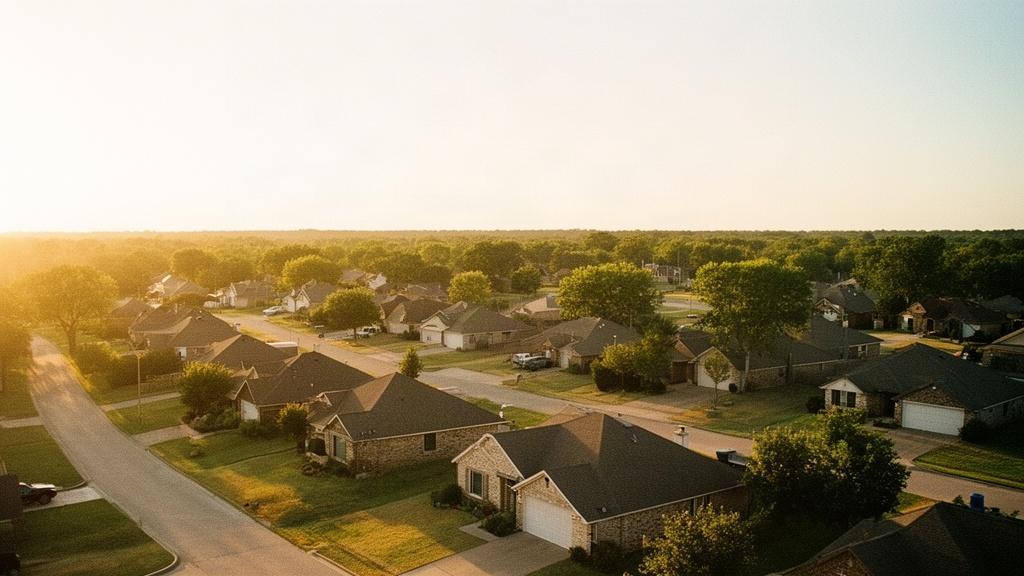
1. What Makes Lompoc's Housing Market Distinct
Lompoc is not a suburb of Santa Barbara. It is a self-contained city of roughly 43,000 people in the western Santa Barbara County, sitting in a valley carved by the Santa Ynez River. That geography matters for real estate because Lompoc is physically separated from the coastal premium that pushes prices in Santa Barbara and Goleta. The result is a market where buyers can purchase a detached single-family home for a fraction of what the same square footage would cost 45 minutes east on Highway 246.
A City Shaped by Its Geography and Economy
Vandenberg Space Force Base is the single largest economic anchor in the area, employing thousands of military and civilian personnel. That steady employment base creates consistent demand for housing, particularly in the north and central parts of the city closest to the base's main gate on Highway 1. The flower seed industry, once the backbone of the valley's agricultural identity, still operates in the surrounding fields and gives the Lompoc Valley its distinctive look in spring and summer.
The city also sits within reasonable driving distance of Buellton (about 20 miles east), Solvang (roughly 25 miles east), and the Santa Ynez wine country corridor. Commuters heading to Santa Barbara typically face a 45 to 55 minute drive depending on traffic on Highway 1 or Highway 246. This positioning gives Lompoc a practical appeal for people who work in the broader Santa Barbara County region but want lower housing costs.
Housing Stock You Will Actually Find Here
The housing stock in Lompoc skews toward single-family homes built between the 1950s and the 1990s. You will find ranch-style homes on modest lots throughout the central and older residential areas, with some mid-century construction that has been updated over the decades. Newer subdivisions on the eastern and northern edges of the city include homes built in the 2000s and 2010s with larger floor plans, attached garages, and more contemporary layouts. Condominiums and townhomes exist but represent a smaller share of the overall inventory compared to detached homes.
2. Current Prices in Lompoc, California
Lompoc home prices in September 2026 sit in a range that remains accessible by California standards, though values have appreciated meaningfully over the past several years. Understanding current price levels is the starting point for any buyer or seller trying to make a sound decision.
Median Home Prices as of September 2026
Median sale prices for single-family homes in Lompoc currently sit in the mid to upper $400,000s, with the precise figure shifting month to month based on what closes. Condominiums and smaller attached units typically transact in the $280,000 to $360,000 range. The spread between entry-level homes and larger updated properties is wide: a three-bedroom ranch in need of cosmetic work might list in the low $400,000s, while a four-bedroom updated home in a newer subdivision can reach $550,000 to $600,000 or beyond depending on condition and lot size.
For current trend data, Movoto's Lompoc market trends page tracks median prices, days on market, and sale-to-list ratios updated regularly. Cross-referencing multiple sources gives you a more reliable picture than relying on any single figure.
Price Ranges by Property Type
Entry-level single-family homes: Typically two to three bedrooms, older construction, in the $380,000 to $440,000 range. These often need updating but offer the lowest barrier to ownership in the city.
Mid-range single-family homes: Three to four bedrooms, updated kitchens or baths, attached garage, priced roughly $450,000 to $540,000. This is the most active segment of the Lompoc market where competition among buyers tends to be highest.
Upper-tier and newer construction: Four or more bedrooms, newer subdivisions, larger lots, or significant renovations. These properties generally fall between $550,000 and $700,000, with outliers above that for acreage or premium finishes.
Condominiums and townhomes: Generally $260,000 to $370,000. HOA fees vary by complex and should be factored into monthly cost calculations.
How Lompoc Compares to Nearby Santa Barbara County Markets
The price gap between Lompoc and the Santa Barbara coastal corridor is substantial. Median home prices in the city of Santa Barbara run well above $1.5 million, and even Goleta and Carpinteria sit significantly higher than Lompoc. Solvang and Buellton, the nearest inland towns, also carry premiums tied to tourism and wine country appeal. Lompoc's pricing reflects its inland valley location and its identity as a working city rather than a resort or bedroom community for tech workers.
3. Lompoc's Neighborhoods: Housing Stock and Features
Every part of Lompoc has a different character in terms of lot sizes, construction era, and proximity to amenities. Knowing what each area physically offers helps buyers focus their search and helps sellers understand their positioning.
Central and Downtown Lompoc
The central city and downtown corridor along Ocean Avenue contain some of Lompoc's oldest residential blocks, with homes dating to the 1920s through 1960s. Lot sizes tend to be smaller here, typically 5,000 to 7,000 square feet, and many properties have been updated over multiple ownership cycles. The area is within walking distance of Lompoc's downtown murals district, the Lompoc Valley Medical Center, Dick DeWees Community and Senior Center, and Ryon Memorial Park. Buyers who want to be close to services and walkable to the city center tend to focus here.
Downtown Lompoc's housing trends are tracked separately by some platforms. Redfin's Downtown Lompoc housing market page provides sale price history and median figures specific to that submarket, which can differ meaningfully from citywide averages.
North Lompoc and the Vandenberg Village Area
North Lompoc and the unincorporated Vandenberg Village area adjacent to the base carry a mix of mid-century and 1980s construction. Homes here tend to have slightly larger lots than the downtown core, with more single-story ranch homes and some two-story builds from the 1980s. The proximity to Vandenberg Space Force Base's main gate on Highway 1 makes this area particularly active for military buyers and renters. Prices in this corridor are competitive with the citywide median, and homes tend to move relatively quickly when priced correctly.
East Lompoc and Newer Subdivisions
The eastern portions of Lompoc, including subdivisions developed in the late 1990s through the 2010s, offer larger floor plans and more contemporary construction standards. Homes here frequently feature open-concept layouts, two-car garages, and lots in the 6,000 to 9,000 square foot range. These neighborhoods are closer to River Park, one of Lompoc's larger recreational spaces along the Santa Ynez River, and to the commercial corridor on Central Avenue. Buyers looking for newer construction without paying new-build prices often focus their search in this part of the city.
The Lompoc Valley Outskirts
Outside the city limits, the Lompoc Valley includes rural residential properties, small ranchettes, and agricultural parcels. These properties can range from a half-acre lot with a farmhouse-style home to multi-acre parcels with outbuildings. Prices vary enormously based on acreage, water access, and improvements, but rural properties in the valley can be found starting in the high $400,000s for smaller parcels and climbing well past $1 million for larger working properties. Buyers considering rural land should factor in well and septic conditions, fire insurance availability, and longer response times for municipal services.
4. Timing the Lompoc Market: What the Data Shows
Timing is one of the most common questions buyers and sellers ask, and it is also one of the most misunderstood. The right time to buy or sell in Lompoc depends on your personal circumstances as much as on market conditions. That said, there are real patterns worth knowing.
Seasonal Patterns in Lompoc
Lompoc follows a pattern common to California markets: listing activity picks up in late winter and spring, peaks through May and June, then cools slightly in late summer before another smaller wave in September and October. Winter months, particularly December and January, see the fewest new listings and the smallest buyer pool. Sellers who list in February or March tend to reach the largest audience. Buyers who search in the fall or winter often face less competition, though they also have fewer homes to choose from.
Military PCS (permanent change of station) orders add a layer specific to Lompoc. Vandenberg Space Force Base generates a wave of buyers and renters typically arriving in the May through August window as orders are executed for the new duty year. Sellers who want to capture that demand should be on the market by April at the latest.
Inventory and Days on Market Right Now
As of September 2026, Lompoc's active inventory remains relatively constrained compared to pre-2020 norms, which continues to support prices even as mortgage rates have kept some buyers on the sidelines. Homes that are priced accurately and presented well are still selling within 20 to 35 days in most price ranges. Overpriced listings are sitting longer, sometimes 60 days or more, which is a shift from the frenzied pace of 2021 and 2022 but not a sign of a distressed market.
If you are weighing whether now is the moment to act, this breakdown of current timing considerations for Lompoc buyers goes deeper into the rate and inventory dynamics at play right now.
What Buyers and Sellers Should Watch
For buyers: Watch the ratio of list price to sale price. When that number is at or above 100%, sellers have leverage. When it drops to 97% or below, buyers have more room to negotiate. Also track how long homes are sitting before accepting offers, because a rising days-on-market figure is an early signal that the balance of power is shifting.
For sellers: The most reliable indicator of where to price your home is what comparable properties have actually closed for in the past 60 to 90 days, not what they listed for. In a market where inventory is moving but not flying off the shelf, the first two weeks on market are the most critical. A home that sits past 30 days without an offer typically needs a price correction, and that correction costs more than pricing accurately from the start.
5. Practical Steps for Buyers and Sellers Using This Guide
Data is only useful if it translates into action. Here is how to apply what you have read to your specific situation in Lompoc.
For Buyers: How to Move with Confidence
Get pre-approved before you look at homes. In a market where well-priced homes are still moving in under a month, showing up without financing in place means you will lose properties while paperwork catches up. A pre-approval letter from a lender also tells sellers you are a serious buyer, not a browser.
Define your area priorities by features, not assumptions. Decide what physical characteristics matter to you: lot size, garage, single-story layout, proximity to River Park or the base, walking distance to downtown. Then look at what those features cost in each part of the city. Your budget will often make the decision for you once you are clear on what you need versus what you want.
Work with an agent who knows Lompoc's specific inventory patterns. National search platforms show you what is listed, but they do not tell you which streets have drainage issues, which HOA complexes have deferred maintenance, or which subdivisions have seen multiple price reductions in recent months. That local knowledge is what keeps buyers from expensive surprises after closing. If you are comparing your options, this guide to choosing between Realtors in Lompoc walks through the questions worth asking.
For Sellers: Pricing and Preparation That Works Here
Lompoc buyers are price-sensitive and increasingly well-informed. They are cross-referencing your listing against recent sales, and they will notice if you are priced 10% above comparable closed sales. The days of pricing high and waiting for a buyer to stretch are largely over in this market. Pricing at or within 2% to 3% of true market value from day one generates more showings and more competitive offers.
Preparation matters more than most sellers expect. Fresh interior paint, cleaned carpets or refinished floors, and a tidy exterior go a long way in Lompoc's market, where many competing homes are older and show their age. Professional photography is not optional; it is the first filter buyers apply when scrolling listings online. Homes with strong photos get more showings, and more showings produce better offers.
If you are preparing to list and want a detailed walkthrough of what to expect from pricing to close, this Lompoc seller's guide covers the process step by step.
FAQ
What is the current median home price in Lompoc, California?
As of September 2026, the median sale price for single-family homes in Lompoc sits in the mid to upper $400,000s, though this shifts month to month based on what closes. Entry-level homes in need of updating can be found in the low $400,000s, while updated four-bedroom homes in newer subdivisions can reach $550,000 to $600,000 or more. Condominiums and attached units generally transact between $260,000 and $370,000. Checking a platform like Movoto's Lompoc market trends page alongside recent closed sales data from your agent gives you the most accurate current picture. A local agent can pull actual comparable sales from the MLS, which is more precise than any aggregated estimate.
Is Lompoc a buyer's market or a seller's market right now?
In September 2026, Lompoc sits in a moderately balanced market that still tilts slightly toward sellers in the most active price ranges, primarily because inventory remains below historical norms. Well-priced homes in the $420,000 to $520,000 range are still moving within 20 to 35 days and occasionally drawing multiple offers. Above that range, and for homes that need significant work, buyers have more negotiating room. The sale-to-list price ratio is a useful real-time indicator: when it is at or above 100%, sellers have leverage; when it falls below 97%, buyers can negotiate more aggressively. Your agent can pull that figure for the specific price range and area you are targeting.
How do I research schools and other factors that matter to my household in Lompoc?
School information for Lompoc Unified School District is published directly by the district and by the California Department of Education, both of which provide enrollment figures, program offerings, and performance data you can review independently. Those are the most objective sources for that research. For any other factors that are personal to your household, such as proximity to specific amenities, commute times, or community resources, visiting the areas you are considering and speaking with residents gives you information no online platform can replicate. A local agent like Daniel Escobar can tell you the physical characteristics of each part of the city and let you draw your own conclusions about fit.