← Back to Blog
Neighborhoods
Living in Seminole Heights Tampa Day to Day
By Daniel Perez
Tampa Bay Luxury Group
September 19, 2026 · 10 min read
If you have been asking what it is actually like to live in Seminole Heights Tampa day to day, the short answer is this: it is a walkable, architecturally distinct neighborhood about three miles north of downtown Tampa where bungalows line oak-canopied streets, independent restaurants anchor the social scene, and the Hillsborough River runs along the western edge. This article covers everything a buyer or renter needs to know before making a move, from home prices and commute times to the rhythms of a typical Tuesday morning in the neighborhood.
1. The Neighborhood at a Glance
Seminole Heights sits roughly three miles north of downtown Tampa, bounded loosely by Hillsborough Avenue to the north, Interstate 275 to the west, and Nebraska Avenue to the east. The neighborhood is often split informally into Old Seminole Heights, Southeast Seminole Heights, and Northeast Seminole Heights, each with slightly different housing densities and street characters, though all three share the same bungalow-heavy architecture and canopy of mature oak trees.
Where Seminole Heights Sits on the Map
The Hillsborough River forms the western boundary, giving the neighborhood a natural edge that also provides walking trails and kayak access. Central Avenue and Florida Avenue run north to south through the heart of the area and serve as the main commercial corridors. The proximity to I-275 means you can reach Tampa International Airport in roughly 15 minutes by car under normal traffic conditions, and the connection to I-4 is about the same distance east.
How the Streets Actually Feel
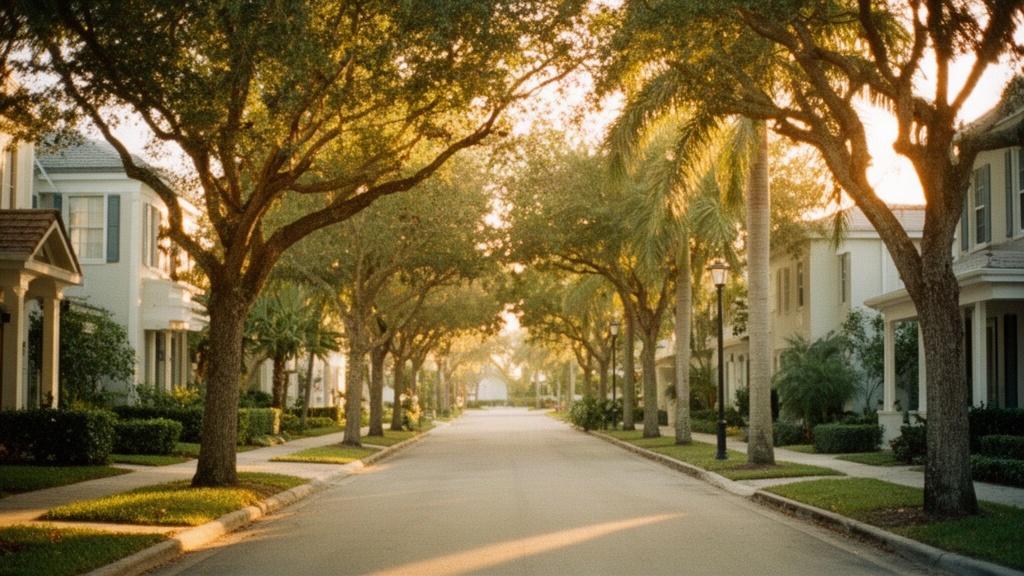
Walking through Seminole Heights on a weekday morning, you notice the sidewalks are lined with Craftsman bungalows and Florida vernacular cottages, most of them built between the 1910s and the 1940s. Front porches are common. Lots tend to run 50 to 75 feet wide, which keeps the streetscape tight and walkable rather than sprawling. The tree canopy is dense enough that even in September the sidewalks stay shaded for much of the morning, which matters a great deal in Tampa's heat.
The neighborhood has seen significant reinvestment over the past decade. Renovated bungalows sit alongside homes that are still in original condition, so the block-by-block character can vary considerably. For a broader look at how Seminole Heights fits into Tampa's overall housing landscape, the Seminole Heights neighborhood guide on Homes.com provides a useful overview of the area's history and current character.
2. Housing Stock and Home Prices in Seminole Heights
Seminole Heights offers some of the most architecturally interesting older housing in Tampa, and prices reflect both the character of the homes and the neighborhood's access to downtown. As of September 2026, median sale prices in Seminole Heights are running in the $380,000 to $440,000 range for single-family homes, depending on the specific block, condition, and whether the property has been updated.
What You Get for Your Budget
At the lower end of the range, around $320,000 to $360,000, buyers typically find original bungalows with 1,000 to 1,400 square feet that need cosmetic work or have not been updated since the 1980s. These homes often retain original hardwood floors, picture-rail molding, and transomed doorways, which makes them appealing to buyers who want to renovate on their own terms.
In the $420,000 to $550,000 range, you find fully renovated Craftsman bungalows and Florida cottages with updated kitchens, new roofs, and modern HVAC systems, typically running 1,400 to 1,900 square feet. Above $550,000, the market includes larger two-story homes, properties on oversized lots near the river, and a handful of new-construction infill homes that blend modern floor plans with the neighborhood's exterior aesthetic.
For context on how these prices compare across Tampa's neighborhoods, see the complete buyer's guide to Tampa's housing market, which covers price ranges, inventory levels, and what buyers are competing against right now across the city.
Condos, Rentals, and New Construction
Seminole Heights is predominantly a single-family neighborhood. Condo inventory is limited, though there are small multi-family properties scattered throughout the area, some of which have been converted from original duplexes built in the 1920s and 1930s. Rental rates for a two-bedroom bungalow or unit currently sit between $1,900 and $2,500 per month, reflecting demand from people who want the neighborhood's character without a long-term purchase commitment.
New construction in Seminole Heights is infill by nature. Builders are filling in vacant lots and replacing a small number of severely deteriorated structures, but the overall scale is modest. The neighborhood's historic overlay district places design guidelines on certain blocks, which limits how dramatically new construction can depart from the surrounding architecture.
3. Getting Around: Commutes, Transit, and Walkability
Day to day, most Seminole Heights residents drive. The neighborhood is car-dependent for anything beyond walking to local restaurants and parks, but its position just north of downtown Tampa means commute distances are short compared to Tampa's outer suburbs.
Driving to Downtown Tampa and Beyond
The drive from central Seminole Heights to downtown Tampa's Channelside and Water Street district takes roughly 10 to 15 minutes without traffic. During peak morning hours on weekdays, that stretches to 20 to 25 minutes depending on your route and where exactly you are headed. Getting to Westshore's office corridor takes about 15 to 20 minutes by car. Tampa International Airport is approximately 10 miles away and reachable in under 20 minutes most times of day.
For those commuting to St. Petersburg, the drive across the Howard Frankland Bridge typically runs 30 to 45 minutes depending on traffic. Clearwater is about 35 to 50 minutes west. The University of South Florida's main campus in Temple Terrace is roughly 20 minutes northeast via I-275 and Fowler Avenue.
Walking, Biking, and Bus Options
Within Seminole Heights itself, walkability scores are moderate to high by Tampa standards. Florida Avenue and Central Avenue have enough restaurants, coffee shops, and small businesses within a half-mile stretch that residents can handle several errands on foot. The sidewalk network is reasonably complete, and the flat terrain makes biking practical for short trips.
Hillsborough Area Regional Transit (HART) operates bus routes along Florida Avenue and Nebraska Avenue that connect to downtown Tampa and the broader transit network. Transit-dependent commuting is possible for certain downtown destinations, but schedules and frequency are limited compared to larger metro systems, so most residents treat buses as a supplement rather than a primary option.
4. Food, Coffee, and Daily Errands
The restaurant and bar scene is one of the most talked-about aspects of living in Seminole Heights Tampa day to day. The neighborhood punches well above its size when it comes to independent food and drink options, with a concentration of spots along Florida Avenue between Hanna Avenue and Hillsborough Avenue.
The Restaurant Scene on Central and Florida Avenue
Rooster and the Till on Florida Avenue has been a neighborhood anchor for years, known for its locally sourced menu and intimate dining room. Ella's Americana Folk Art Cafe, also on Florida Avenue, draws a consistent crowd for brunch and live music on weekends. The Independent Bar and Cafe on Florida Avenue offers a long craft beer list in a converted bungalow setting that captures the neighborhood's repurposed-architecture character.
Coffee options include Buddy Brew Coffee, which has a location on Central Avenue, and several smaller independent cafes within walking distance of the residential streets. On a typical weekday morning, the coffee shop scene is active but not overcrowded, with a mix of people working remotely and others grabbing something before heading downtown.
Groceries and Everyday Needs
Grocery shopping requires a short drive for most Seminole Heights residents. The nearest Publix locations are in Ybor City to the southeast and along Hillsborough Avenue to the north, both about five to ten minutes by car. A Winn-Dixie on Nebraska Avenue is closer for some blocks. The Saturday morning Seminole Heights Community Market, held periodically in the neighborhood, draws local produce and artisan food vendors and has become a regular stop for residents who prefer to source locally.
For hardware, pharmacy, and big-box needs, residents typically head to Hillsborough Avenue or drive a few miles toward the Westshore or Dale Mabry corridors. Seminole Heights is not a neighborhood where you can handle every errand on foot, but the density of restaurants and coffee shops means social and dining needs are covered without a car.
5. Parks, the River, and Outdoor Life
Outdoor access in Seminole Heights centers on the Hillsborough River and the parks that line its banks. For a neighborhood inside Tampa city limits, the green space options are notably varied and accessible without driving.
Rivercrest Park and the Hillsborough River
Rivercrest Park runs along the western edge of Seminole Heights and provides direct river access, a boat ramp, picnic pavilions, and open lawn space. Kayaking and canoeing on the Hillsborough River from this stretch is popular on weekend mornings, with the river moving slowly enough for beginners and offering a view of the city skyline to the south. The park connects to a multi-use trail that extends along the riverbank, making it a common spot for morning runs and evening walks.
Other Green Space in the Area
Lowry Park, just north of Seminole Heights proper, includes the ZooTampa at Lowry Park, a 63-acre zoo that is one of the larger accredited zoos in the Southeast. The adjacent Lowry Park itself has a boat ramp, a natural swimming area, and picnic space along the river. Epps Park, tucked along the river just south of Lowry Park, is a quieter option with a playground and a fishing pier.
Within the residential grid, smaller pocket parks and community gardens are scattered throughout the neighborhood. The Seminole Heights Community Garden on Central Avenue is one of the more active community spaces, with plots maintained by residents and occasional weekend events.
6. Schools and Education Resources
Seminole Heights falls within the Hillsborough County Public Schools district. Specific school assignments depend on your exact address, so the most reliable way to determine which schools serve a particular property is to use the Hillsborough County Public Schools school locator tool directly at hcps.net, or to contact the district's enrollment office.
The area also has access to a number of charter school options within Tampa, and several private schools operate within a reasonable drive of the neighborhood. Evaluating schools is a personal process that depends on your household's priorities. The Florida Department of Education's school accountability reports at fldoe.org are a useful starting point for reviewing performance data on any school before making a decision.
7. What the Market Looks Like Right Now
As of September 2026, Seminole Heights is a competitive but not frenzied segment of the Tampa market. Inventory has loosened somewhat compared to the peak years of 2021 and 2022, giving buyers a bit more time to evaluate homes before making offers. That said, well-priced, move-in-ready bungalows still attract multiple offers, particularly those on the quieter residential streets west of Florida Avenue.
Homes in Seminole Heights tend to sit on the market for 20 to 40 days on average right now, compared to under two weeks during the peak of the seller's market. Properties that need significant work or are priced above the neighborhood's ceiling are seeing more price reductions than they did in prior years. For buyers, this means there is more room to negotiate on condition credits and inspection contingencies than there was in 2022 or 2023.
Sellers in Seminole Heights are still seeing strong demand relative to many other Tampa submarkets, largely because the neighborhood's bungalow stock is genuinely irreplaceable. You cannot build a 1920s Craftsman on a new lot in a master-planned community, and that scarcity continues to support prices. For a broader read on what is happening across Tampa's housing market in September 2026, the complete Tampa buyer's guide breaks down inventory, pricing trends, and what to expect when making an offer.
For a well-rounded look at the tradeoffs of living in Seminole Heights Tampa day to day, the detailed breakdown on Eaton Realty's pros and cons guide to Seminole Heights covers several practical considerations worth reading before you commit to a neighborhood.
FAQ
Is Seminole Heights a walkable neighborhood in Tampa?
Seminole Heights is one of the more walkable neighborhoods in Tampa by the city's standards, though it still requires a car for most grocery shopping and big-box errands. The Florida Avenue and Central Avenue corridors have enough restaurants, coffee shops, and small businesses within a half-mile stretch that residents can handle dining and social errands on foot. The flat terrain and reasonably complete sidewalk network also make biking practical for short trips within the neighborhood. For longer commutes or major shopping, a car is necessary, as Tampa's transit network has limited frequency compared to larger metro systems.
What are home prices like in Seminole Heights right now?
As of September 2026, median sale prices for single-family homes in Seminole Heights are running in the $380,000 to $440,000 range, depending on condition, location within the neighborhood, and whether the property has been updated. Original bungalows needing work can be found in the $320,000 to $360,000 range, while fully renovated Craftsman homes with modern systems typically sell from $420,000 to $550,000. Properties on larger lots near the Hillsborough River or with two-story footprints can push above $550,000. Rental rates for two-bedroom units currently sit between $1,900 and $2,500 per month.
How far is Seminole Heights from downtown Tampa?
Seminole Heights is approximately three miles north of downtown Tampa, and the drive to the Channelside and Water Street district takes roughly 10 to 15 minutes without traffic. During weekday morning rush hours, that can stretch to 20 to 25 minutes depending on your specific route. Tampa International Airport is about 10 miles from the neighborhood and reachable in under 20 minutes most times of day. The University of South Florida's main campus in Temple Terrace is roughly 20 minutes northeast via I-275 and Fowler Avenue. For commuters heading to St. Petersburg, the drive across the Howard Frankland Bridge typically runs 30 to 45 minutes.