← Back to Blog
Local Living
How Long Does It Take to Commute from Rutherford NJ to Midtown Manhattan by Train
By Danny Simone
September 4, 2026 · 10 min read
If you are weighing a move to Rutherford, New Jersey, the commute to Midtown Manhattan is probably one of the first things on your mind. The short answer: the train ride from Rutherford to Midtown takes roughly 25 to 35 minutes on NJ Transit's Main and Bergen County lines, making it one of the more efficient commutes in the entire New York metro area. This guide breaks down the exact times, costs, station details, and everything else a prospective Rutherford homeowner needs to know before making the move.
1. The Core Commute: Rutherford to Midtown Manhattan by Train
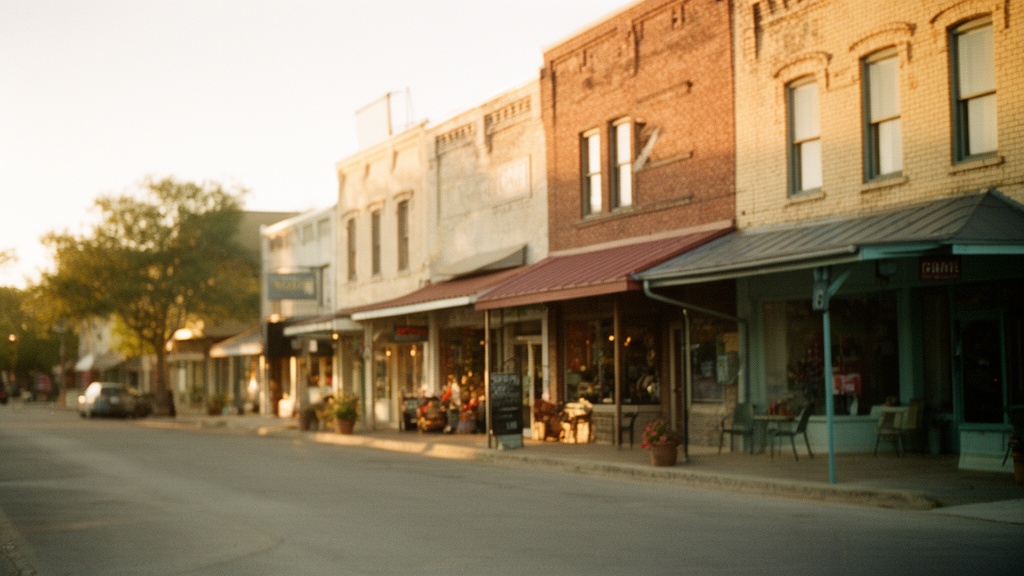
The train from Rutherford to Midtown Manhattan takes approximately 25 to 35 minutes on a direct ride. That number holds for most weekday morning trains, and it is one of the reasons Rutherford consistently draws buyers who work in the city but want a real New Jersey town with tree-lined streets, Colonial and Tudor-style homes, and a genuine downtown of their own.
Which Train Line Serves Rutherford?
Rutherford is served by NJ Transit's Main Line and Bergen County Line. Both lines stop at Rutherford Station on Meadow Road, which sits close to the center of town. Trains on both lines terminate at New York Penn Station on Seventh Avenue in Midtown Manhattan, which puts you squarely in the heart of the city. The two lines share the same tracks through this stretch of Bergen County, so the service is effectively combined and gives riders more frequent departure options than either line would offer on its own.
How Long Is the Actual Ride?
On a typical weekday morning express, the scheduled ride time is around 25 minutes from Rutherford Station to Penn Station. Local trains, which stop at more stations along the way, run closer to 35 minutes. NJ Transit's published timetables show departures ranging from express runs that skip several stops to all-local runs that serve every station between Rutherford and the terminal. Most commuters who time their mornings around an express departure are walking into Penn Station in well under 30 minutes from the moment the train leaves Rutherford.
For a broader look at how Rutherford's commute stacks up against other Bergen County towns, this comparison of NJ commute times to NYC by town gives useful context on train, bus, and PATH options across the region.
Where Do You End Up in Midtown?
New York Penn Station sits at 33rd Street and Seventh Avenue, putting you within walking distance of much of Midtown. From Penn Station you can walk to offices in the 30s, 40s, and lower 50s, or connect to the subway for destinations further north or south. The 1, 2, 3, A, C, E, and Long Island Rail Road all share the station, making onward connections fast. If your office is in Hudson Yards, the High Line area, or anywhere along Eighth or Ninth Avenue, you can often skip the subway entirely and walk straight from the train.
2. Train Schedule, Frequency, and Peak vs. Off-Peak Service
Knowing the schedule matters as much as knowing the ride time. NJ Transit runs trains through Rutherford Station throughout the day, but the frequency and type of service change considerably depending on the time of day. Understanding the difference between peak and off-peak service helps you plan your mornings and budget your fare accurately.
Morning Rush Hour Departures
During the morning peak, trains depart Rutherford Station roughly every 10 to 20 minutes between approximately 6:00 a.m. and 9:30 a.m. The exact schedule shifts seasonally and NJ Transit does adjust timetables periodically, so always verify departure times on the NJ Transit app or the official NJ Transit website before building your routine around a specific train. Peak trains generally run more express patterns, which is why the 25-minute ride time is achievable during rush hour even though the station count between Rutherford and Penn Station is not trivial.
Off-Peak and Weekend Service
Off-peak trains run less frequently, typically every 30 to 60 minutes depending on the time of day. Midday, evenings, and weekends all fall into the off-peak category. Ride times on off-peak trains can stretch slightly longer because more trains run as locals rather than expresses, but the difference is usually no more than 5 to 10 minutes. For buyers who work non-traditional hours or commute only a few days a week, the off-peak schedule is still workable, especially compared to driving the same route on Route 3 or the New Jersey Turnpike.
How Early Do You Need to Leave?
Most Rutherford commuters targeting a 9:00 a.m. arrival in Midtown leave the house by 7:45 to 8:15 a.m. That window accounts for the walk or drive to Rutherford Station, a few minutes of platform wait time, the train ride itself, and the walk from Penn Station to the office. Because the station is centrally located in town, residents within a half-mile radius often walk to the platform in under 10 minutes. People coming from the western edges of Rutherford near the Lyndhurst border, or from the neighborhoods closer to Route 17, typically drive or bike and factor in a few extra minutes.
3. The Real Cost of Commuting from Rutherford to NYC by Train
The train commute from Rutherford to Midtown Manhattan is priced in NJ Transit Zone 3, which determines your fare. Understanding the full cost picture, including parking if you drive to the station, helps you make an honest comparison when weighing Rutherford against other towns at different price points.
Monthly Pass vs. Pay-Per-Ride
As of September 2026, a monthly rail pass from Rutherford to New York Penn Station runs approximately $196 to $210 depending on the specific fare tier in effect. NJ Transit adjusts fares periodically, so confirm the current rate on the NJ Transit website or app before committing. A single one-way peak ticket costs roughly $8 to $9. If you commute five days a week, the monthly pass pays for itself after about 12 round trips, making it the clear choice for full-time commuters. Off-peak single tickets are priced slightly lower, which benefits hybrid workers who only ride the train two or three days a week.
Parking at Rutherford Station
Rutherford offers commuter parking near the station, managed through the borough. Permit parking is available for Rutherford residents at a modest annual fee, and daily parking spots fill up on busy mornings, so residents who drive to the station often secure a permit early in the year. The parking situation is one reason many buyers specifically seek out homes within walking distance of the station: eliminating the car entirely simplifies the morning routine and removes the parking cost from the equation. Streets within a 10 to 15-minute walk of the station include blocks along Montross Avenue, Carmita Avenue, and the streets east of downtown toward the station itself.
How Rutherford's Commute Cost Compares
Rutherford sits in a zone that keeps monthly pass costs lower than towns further out on the same line, such as Ramsey or Mahwah, where passes can exceed $270 per month. Towns closer to the city, like Secaucus or Kearny, have shorter rides but limited single-family housing inventory and higher price-per-square-foot figures. Rutherford's position, close enough for a sub-30-minute express ride but far enough to offer quarter-acre lots and Victorian-era homes, tends to make the fare-to-housing-value ratio attractive for buyers doing the math honestly.
4. What the Commute Looks Like Door to Door
The train ride time is only one piece of the total commute. Door-to-door time from a Rutherford home to a Midtown office typically falls between 45 minutes and 65 minutes for most commuters, depending on where in town you live and where in Midtown your office sits. Breaking the journey into its segments helps you estimate your own specific commute accurately.
Getting to Rutherford Station
Rutherford Station is on Meadow Road, roughly in the middle of the borough. From homes in the downtown area near Park Avenue or Union Avenue, the walk to the platform is 5 to 12 minutes. From the neighborhoods north of Route 17 near the Carlstadt border, or from the eastern streets near the Passaic River, the walk stretches to 15 to 20 minutes, and many residents in those areas drive the short distance instead. Biking to the station is also a practical option for much of the year given Rutherford's relatively flat terrain.
The Ride Into Penn Station
Once on the train, the route heads southeast through the Meadowlands corridor before entering the Bergen Hill tunnels and arriving at Penn Station. The ride is smooth and direct with no transfers required. Seats are generally available on trains departing Rutherford because the line originates further north, meaning trains are not yet packed by the time they reach the Rutherford platform. This is a meaningful quality-of-life detail: commuters from Rutherford often get a seat rather than standing for the duration of the ride, which is not always the case on lines that are already crowded at the first stop.
The Last Mile in Midtown
Penn Station deposits you at 33rd Street, and from there your last-mile time depends entirely on your destination. Offices in the 30s and 40s along Seventh or Eighth Avenue are a 5 to 10 minute walk. Destinations near Grand Central Terminal on 42nd Street and Park Avenue require a subway hop on the 7 train or a 15-minute walk across town. Times Square and the theater district are a 10-minute walk north. For offices above 50th Street or in the Plaza District, a quick subway ride on the 1 or A adds another 5 to 8 minutes. Total door-to-door time from a walkable Rutherford block to a 45th Street office is realistically around 50 minutes on a good morning.
5. How the Commute Affects Rutherford's Housing Market
The train commute is not just a convenience; it is a driver of Rutherford's real estate demand. Buyers who work in Manhattan and want a detached home with a yard, a walkable downtown, and a commute under an hour consistently land on Rutherford as a top candidate. The borough has roughly 18,000 residents, a compact footprint of about 2.8 square miles, and a housing stock that ranges from late-19th-century Victorians and Colonials to postwar Cape Cods and newer townhomes near the commercial corridors.
Proximity to the Station and Home Prices
Homes within a 10-minute walk of Rutherford Station tend to command a premium over comparable properties further from the platform. This transit-oriented pricing pattern is well-documented nationally and plays out clearly in Rutherford's market. As of September 2026, median home prices in Rutherford are in the mid to upper $600,000 range for single-family detached homes, with condos and townhomes starting somewhat lower. For a detailed breakdown of current pricing by property type, the average home price guide for Rutherford NJ in September 2026 covers the numbers in depth.
The relationship between transit access and home values is a trend getting national attention. A Forbes analysis of transit-oriented housing published in early 2026 noted that demand for homes near rail stations has continued to grow as hybrid work schedules make a reliable, fast commute on the days people do go into the office more important, not less.
What Buyers Are Prioritizing Right Now
In September 2026, buyers relocating from Manhattan or Brooklyn to Rutherford are frequently prioritizing walkability to the station alongside access to downtown Park Avenue. The Park Avenue corridor in Rutherford has independent restaurants, coffee shops, a public library, and retail that makes it genuinely walkable without requiring a car for daily errands. Buyers who can walk to both the train and the downtown strip are getting two of the most sought-after features in a single location. Inventory in those blocks moves quickly, and multiple-offer situations on well-priced homes near the station have been common through 2026.
If you are actively searching for homes in Rutherford, the Rutherford NJ buyer's guide covers what to expect in terms of inventory, competition, and the buying process in this market.
For buyers who also want to understand the downtown area specifically, the guide to buying a home in downtown Rutherford walks through the process, costs, and timeline in detail.
FAQ
How long does it take to commute from Rutherford NJ to Midtown Manhattan by train on a typical weekday?
On a peak-hour express train, the ride from Rutherford Station to New York Penn Station takes approximately 25 minutes. Local trains, which stop at more stations along the Bergen County and Main Line corridor, run closer to 35 minutes. Adding the walk or short drive to the station in Rutherford and the walk from Penn Station to a Midtown office, most commuters land at a door-to-door time of 45 to 60 minutes. Trains depart frequently during the morning rush, roughly every 10 to 20 minutes, giving commuters flexibility if they miss one departure.
Do I need to transfer trains to get from Rutherford to Penn Station?
No transfer is required. Both the NJ Transit Main Line and the Bergen County Line serve Rutherford Station and run directly to New York Penn Station at 33rd Street and Seventh Avenue in Midtown Manhattan. You board in Rutherford and step off in the heart of Midtown without changing trains. This direct connection is one of the practical advantages Rutherford has over some other Bergen County towns that require a connection at Secaucus Junction, which adds time and the possibility of a missed connection.
Is it worth buying a home in Rutherford NJ specifically for the train commute to NYC?
The commute is a genuine strength of Rutherford as a location: a 25 to 35-minute direct train ride to Penn Station is shorter than many commutes from Brooklyn or Queens neighborhoods within New York City itself. Beyond the commute, Rutherford offers a walkable downtown on Park Avenue, a mix of Victorian, Colonial, and Cape Cod housing stock, and a compact borough footprint that makes daily life manageable without a car for many residents. Whether the overall package makes sense for your situation depends on your budget, your office location in Manhattan, and how many days per week you plan to commute. Speaking with a local agent who knows the specific blocks closest to the station is the most efficient way to narrow your search.