← Back to Blog
Buying
Luxury Home Market in the Top Tacoma, Washington: What Buyers Should Know
By David Yakimenko
October 10, 2026 · 5 min read
The luxury home market in the top Tacoma, Washington: what buyers should know. This guide maps typical price bands, key neighborhoods, commutes, taxes, and inspection items buyers should check when pursuing higher-end properties in Tacoma.
1. Overview of Tacoma luxury housing stock
What this section answers. Where luxury homes in Tacoma are built, and what their construction and lot patterns look like.
Historic versus new construction
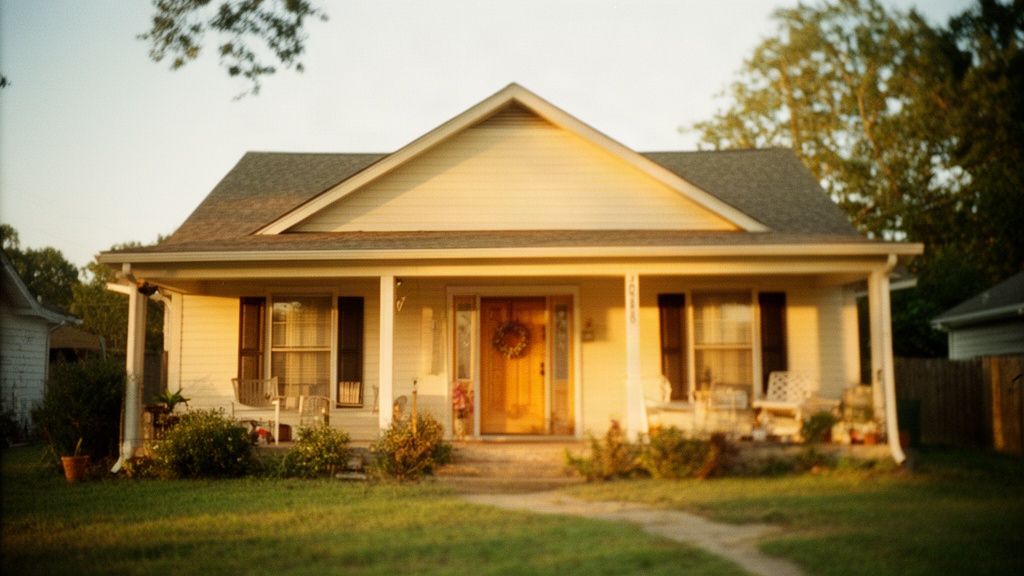
Key distinction. In Tacoma the luxury inventory includes early 20th century masonry and Craftsman houses in North Tacoma and Stadium District, alongside contemporary hillside homes in Browns Point and gated estates near Proctor. Expect original millwork and higher ceilings in older homes, and open-plan living, higher-grade insulation, and modern systems in newer builds.
Lot sizes and zoning
Typical lot patterns. Top-tier properties in Tacoma range from compact historic lots of about 6,000 to 10,000 square feet in neighborhoods near Commencement Bay, to acre-plus parcels in semi-rural areas east toward Parkland and near Tacoma Narrows. Zoning varies between R-1 single-family and parcels with conditional uses; confirm the specific lot zoning with Tacoma Permits and Licenses.
2. Where top luxury properties are located
What this section answers. Which Tacoma neighborhoods and physical settings most often contain luxury listings, and what features each setting offers.
North Tacoma and Stadium District
Top features. These neighborhoods contain large historic homes, tree-lined streets, and proximity to Point Defiance Park and Commencement Bay. Many properties include mature landscaping and garages converted into workshops or ADUs. Walk times to Proctor or 6th Avenue retail vary from five to 20 minutes depending on the block.
Browns Point, Dash Point, and waterfront sites
Waterfront specifics. Properties on Commencement Bay, Puget Sound-facing bluffs, and Browns Point offer private moorage, steep lot topography, or direct beach access. Buyers should confirm bulkhead condition, riparian rights, and FEMA flood zone maps for each parcel.
Tacoma Ridge, Proctor, and West Slope areas
Slope and views. Hillside properties on the west slope and near Tacoma Ridge provide long views across the city and the Sound. Drive times to downtown Tacoma are commonly 7 to 20 minutes, and to I-5 access points 10 to 25 minutes depending on time of day.
3. Costs, taxes, and carrying expenses buyers must budget
What this section answers. The predictable and less obvious carrying costs for higher-end Tacoma homes, and where to verify figures.
Property tax and common estimates
Quick estimate. Property tax bills in Tacoma are computed from assessed value and combined levy rates. For precise figures, buyers should look up parcel assessments on the Pierce County Assessor website and estimate combined levies through Tacoma Finance; these local sources give the exact numbers for any property.
HOA, utilities, and maintenance
Common recurring costs. High-end condos near downtown or waterfront usually have HOAs covering building insurance, elevators, and exterior maintenance. Single-family estates can carry significant landscaping, septic or well maintenance, and higher utility bills for larger square footage. Ask sellers for three months of HOA statements and recent utility bills early in due diligence.
- Typical closing costs: Plan for buyer-side closing costs of about 2 to 3 percent of purchase price for title, escrow, and recording fees; exact costs vary by lender and title company.
- Insurance: Waterfront or bluff properties may need higher premiums or additional endorsements; obtain quotes from local carriers to compare.
- Utilities and services: Estimate larger homes at 25 to 50 percent higher heating and cooling costs compared with average Tacoma single-family homes, depending on insulation and systems.
4. Inspection, due diligence, and negotiation tips
What this section answers. Which inspections and negotiation strategies matter most on luxury Tacoma properties, and how to gather comparable sales that reflect unique features.
Specialized inspections to order
Priority checks. For luxury homes consider a structural engineer review, roof and bulkhead inspection for waterfront lots, sewer camera or septic inspection, and an HVAC systems audit. Older luxury homes often need electrical panel upgrades or lead plumbing checks; order inspections that match the property era and systems.
How to pull meaningful comparables
Comparable selection. Compare on features, not only on square footage. Pull recent sales with similar lot topography, view exposure, number of garage stalls, and presence of permitted ADUs. Ask your agent for 6 to 10 comps within a 12 month window, and review any major renovations or additions they received before sale.
5. Financing and relocation logistics for Tacoma luxury buyers
What this section answers. The loan, appraisal, and practical steps buyers should take when moving to Tacoma to purchase a high-end property.
Appraisal and financing nuances
Lender expectations. Appraisers will look for truly comparable sales that match unique features like panoramic sound views, custom finishes, and acreage. Jumbo loan availability varies by lender; prequalify with parties experienced in Washington state luxury lending and ask underwriters how they treat custom structures for value.
Relocation steps and local service providers
- Pre-approval: Obtain a jumbo or portfolio loan pre-approval and a lender letter that specifies loan conditions.
- Appraisal timing: Request the appraiser early if a property is highly customized to reduce valuation surprises.
- Local referrals: Work with Tacoma-based inspectors, surveyors, and insurance brokers who know local conditions and permit history.
6. Additional local details buyers should verify
What this section answers. A checklist of Tacoma-specific items to confirm before closing on a luxury property.
- Permits and additions: Verify that all renovations and ADUs have final permits recorded with Tacoma Permits and Licenses.
- Shoreline rules: If the property is on shoreline, check Pierce County shoreline permits and bulkhead records for maintenance obligations.
- Access and easements: Review recorded easements for right of way, shared driveways, or utilities.
- View and vegetation: Document current view lines and whether neighboring trees are subject to conservation easements or protections.
Local amenity check. Map drive times to hospitals, grocery stores, marinas, and downtown Tacoma at your commute hours. Proximity to Point Defiance Park, Ruston Way waterfront, and Tacoma Yacht Club can matter to value and lifestyle, so confirm distances using your preferred mapping tool.
FAQ
How do I know if a Tacoma luxury home needs a structural engineer inspection?
Order a structural engineer review when a property shows signs of settling, large unpermitted additions, slope retention systems, or when it is on a bluff or steep lot. Engineers can evaluate foundation movement, retaining walls, and bulkhead stability. Your inspection contingency should allow time for this review and any follow up testing.
What are the typical financing options for luxury homes in Tacoma?
Many buyers use jumbo loans or portfolio loans for high-value Tacoma properties. Cash purchases are common for waterfront parcels. Speak with lenders experienced in Washington lending to confirm loan-to-value limits and appraisal expectations. Pre-approval letters that account for custom features help when writing offers.
Should I worry about flood or seismic risk on waterfront Tacoma properties?
Buyers should review FEMA flood maps, Pierce County floodplain data, and local shoreline permits for any waterfront parcel. For seismic risk, consider a geotechnical report on bluff properties or parcels with steep grades. These reports identify mitigation needs and can affect insurance and loan conditions.